

Blockchain technology has the potential to reshape various industries, and clinical trials are no exception. This decentralized and immutable ledger system offers solutions to long-standing challenges in the pharmaceutical research and development process, promising greater transparency, security, and efficiency.
The bedrock of any clinical trial is the data collected. Errors, manipulation, or breaches can have far-reaching consequences, compromising the validity of results and potentially endangering patient safety. Blockchain, with its inherent characteristics, offers a robust framework to address these vulnerabilities.
Immutable Record Keeping

Imagine a clinical trial as a vast, intricate tapestry. Each thread represents a piece of data – a patient’s vital sign, a lab result, an adverse event. Traditional data storage methods can be akin to individual threads held loosely, susceptible to fraying, breakage, or being subtly altered. Blockchain introduces a new way to weave this tapestry. Once a piece of data is entered onto the blockchain, it is cryptographically linked to the previous entry, forming a chain. This chain is distributed across a network of computers, meaning that any attempt to tamper with a single entry would require altering that entry and all subsequent entries on a majority of the network’s nodes. This makes the data virtually immutable.
The Chain of Trust
This immutability forms a “chain of trust.” Researchers can be confident that the data they are analyzing has not been altered since its inception. This is particularly critical in regulated environments where the integrity of trial results is paramount for drug approval. Unlike traditional databases that can be susceptible to hacking or accidental deletion, the distributed nature of the blockchain makes it far more resilient to single points of failure or malicious attacks. This inherent security can significantly reduce the risk of data fraud or manipulation.
Enhanced Audit Trails

Regulatory bodies require comprehensive audit trails for clinical trials. These trails document every action taken regarding the trial data, from its collection to its analysis. In current systems, these audit trails can be complex to manage and verify, often relying on disparate systems and manual checks. Blockchain can automate and centralize this process.
Transparent Transaction History
Every interaction with the data – whether it’s recording a new result, a protocol amendment, or a data query – can be recorded as a transaction on the blockchain. This creates a clear, auditable history of all data-related activities. Furthermore, permissions can be built into smart contracts, ensuring that only authorized individuals can access or modify specific types of data. This granular control not only enhances security but also streamlines the auditing process, making it more efficient and less prone to human error. Inspectors can simply examine the blockchain ledger to verify the entire history of data management, rather than sifting through numerous disparate logs.
Streamlining Participant Consent and Management
Patient consent is a cornerstone of ethical clinical research. However, the current processes can be cumbersome, leading to delays and potential misunderstandings. Blockchain offers a more secure and transparent way to manage informed consent.
Digital and Verifiable Consent
The process of obtaining informed consent typically involves lengthy paper documents that patients must read and sign. This can be an intimidating and time-consuming experience, and it can be challenging to track consent status across multiple sites and over the duration of a trial. Blockchain can digitize this process.
Smart Contracts for Consent
Imagine a patient’s consent not as a static signature on paper, but as a dynamic digital agreement stored on the blockchain. Smart contracts can be programmed to govern the terms of consent. For example, a smart contract could automatically inform a participant about specific data usage rights, allow them to withdraw or modify their consent at any time, and ensure that their decisions are recorded immutably. This provides participants with a greater sense of control and understanding over how their data is being used. It also provides researchers with real-time access to consent status, reducing administrative overhead and ensuring that trials only proceed with fully informed and consenting participants.
Enhanced Patient Privacy and Control
While enhancing transparency, blockchain also has the potential to bolster patient privacy. By using cryptographic techniques and permissioned blockchains, sensitive patient information can be protected while still allowing for necessary data access for trial purposes.
Pseudonymized Data Access
Instead of sharing raw patient identifiers, data can be pseudonymized or anonymized and then recorded on the blockchain. Key management systems can ensure that only authorized researchers with the appropriate decryption keys can access the underlying identifiable data if necessary. This hybrid approach offers the best of both worlds: the security and immutability of blockchain for record-keeping, and robust privacy protections for individuals. Patients could even be given a digital key or token that allows them to grant or revoke access to their data at their discretion, putting them at the forefront of their participation.
Revolutionizing Data Sharing and Collaboration
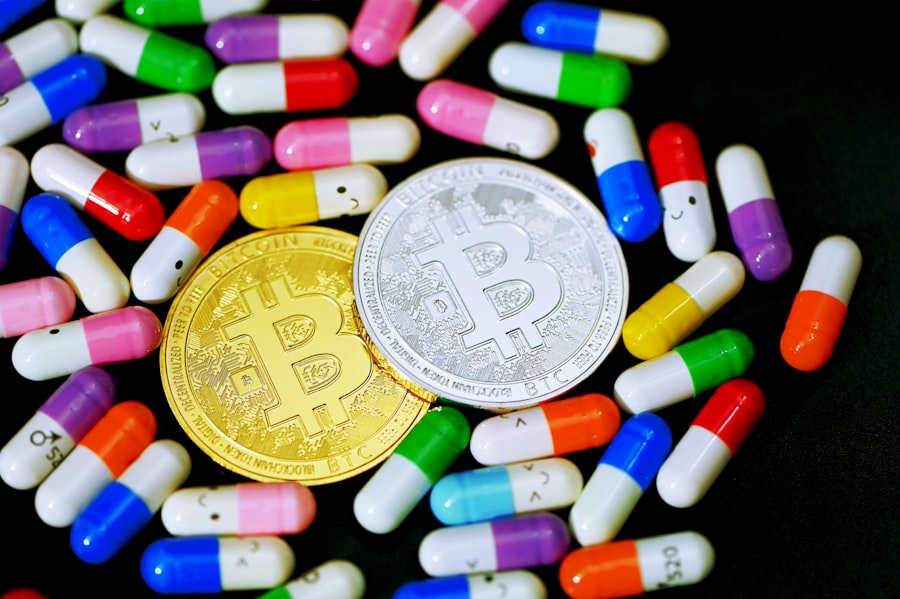
The siloed nature of clinical trial data often hinders scientific progress. Researchers may be reluctant to share data due to concerns about intellectual property or data integrity. Blockchain can foster a more collaborative research ecosystem.
Secure and Controlled Data Exchange
Sharing sensitive clinical trial data across different institutions and geographical locations can be a significant logistical and security challenge. Traditional methods often involve secure file transfer protocols and strict non-disclosure agreements, which can be slow and difficult to enforce. Blockchain provides a more direct and secure pathway for data exchange.
Decentralized Data Marketplaces
Picture a controlled marketplace where researchers can offer access to their trial data under predefined conditions, leveraging smart contracts to govern the terms of access and usage. This could be a platform where data is tokenized, and researchers can “rent” access for specific analytical purposes. The use of blockchain ensures that the exchange is transparent, auditable, and secure, with all access events logged. This allows for the aggregation of data from multiple sources, leading to larger, more robust datasets for analysis, which can accelerate the identification of trends, the discovery of new treatment possibilities, and the validation of existing findings.
Incentivizing Data Contributions
One of the major hurdles to data sharing is the lack of incentives for contributors. Researchers and institutions often bear the cost of collecting and preparing data, with little direct benefit from sharing it. Blockchain can introduce novel incentive models.
Tokenized Rewards and Reputation Systems
Through the use of cryptocurrencies or utility tokens, researchers and institutions could be rewarded for contributing high-quality, validated data to the blockchain. This could be structured as a “pay-per-use” model for data access, or as reputation-based incentives where a strong track record of data contribution and collaboration enhances an institution’s standing within the research community. This creates a virtuous cycle where valuable data breeds further research, leading to more advancements and ultimately, better patient outcomes. The transparency of the blockchain ensures that these rewards are distributed fairly and verifiably.
Enhancing Supply Chain Transparency for Pharmaceuticals

The journey of a drug from its inception to the patient is complex, involving multiple parties and stages. Ensuring the authenticity and integrity of pharmaceuticals throughout this supply chain is crucial to prevent counterfeiting and ensure patient safety.
Tracking and Tracing Drugs
Counterfeit drugs pose a significant threat to global health, and the pharmaceutical supply chain is a fertile ground for such illicit activities. Blockchain can provide an end-to-end solution for tracking and tracing every step of a drug’s lifecycle.
Digital Twins on the Blockchain
Each pharmaceutical product can be assigned a unique digital identifier and its journey can be logged as transactions on the blockchain. From the manufacturing plant, through distributors, to pharmacies, every handoff and movement is recorded. This creates a digital “twin” of the physical product, linked on the immutable ledger. If a drug shipment goes missing or is suspected of being tampered with, its exact location and history can be instantly verified on the blockchain. This not only helps in identifying and preventing the entry of counterfeit drugs into the market but also aids in efficient recalls if necessary.
Ensuring Authenticity and Preventing Diversion
The opacity of current supply chains makes it difficult to guarantee the authenticity of drugs and prevent their illegal diversion. Blockchain offers a transparent and verifiable way to address these issues.
Verifiable Provenance
When a patient receives a medication, they or their pharmacist can scan a QR code on the packaging to access the drug’s provenance on the blockchain. This allows them to verify that the drug originated from a legitimate source and has followed an authorized supply chain. This transparency can build trust between consumers, healthcare providers, and pharmaceutical manufacturers, and significantly reduce the risk of patients unknowingly receiving substandard or fake medications.
Accelerating Drug Development and Time-to-Market
| Metric | Description | Value / Example |
|---|---|---|
| Number of Blockchain Clinical Trials | Total clinical trials registered using blockchain technology | 25 (as of 2024) |
| Data Integrity Improvement | Percentage increase in data accuracy and tamper resistance | 30-50% |
| Patient Enrollment Time Reduction | Average reduction in time to enroll patients using blockchain | 20-40% |
| Audit Trail Transparency | Degree of transparency in trial data audit trails | 100% Immutable Records |
| Cost Reduction in Data Management | Estimated decrease in costs related to data handling and verification | 15-25% |
| Trial Data Sharing Speed | Improvement in speed of secure data sharing among stakeholders | Up to 3x faster |
| Patient Data Privacy | Level of enhanced privacy protection for patient data | End-to-end encryption with permissioned access |
The traditional drug development process is notoriously long and expensive, with a high failure rate. Blockchain’s ability to improve data management, collaboration, and efficiency can contribute to a faster and more cost-effective drug development pipeline.
Real-Time Data Analysis and Insights
The delays inherent in traditional data collection and analysis can significantly slow down the pace of clinical trials. Blockchain, by providing immediate and verifiable access to data, can facilitate more rapid analysis and decision-making.
Predictive Analytics and Early Intervention
With real-time access to clean and verified data, researchers can employ advanced analytics, including machine learning and artificial intelligence, to identify trends and potential issues much earlier in the trial. For instance, if a particular cohort of patients shows an unexpected adverse event pattern, this can be flagged immediately on the blockchain, allowing for swift adjustments to the trial protocol or early intervention for those patients. This proactive approach can prevent costly delays and failures down the line.
Streamlining Regulatory Submissions
The process of compiling and submitting data to regulatory agencies like the FDA or EMA is a complex and time-consuming undertaking. The immutability and auditability of blockchain-based data can significantly simplify this process.
Verifiable Data for Approvals
When the time comes for regulatory submission, the data that has been meticulously recorded on the blockchain serves as a highly credible and easily verifiable package. Regulators can audit the trial history with confidence, knowing that the data has not been manipulated. This can potentially expedite the review and approval process, allowing promising new therapies to reach patients sooner. The transparency offered by the blockchain can also foster greater trust and collaboration between drug developers and regulatory bodies.
