
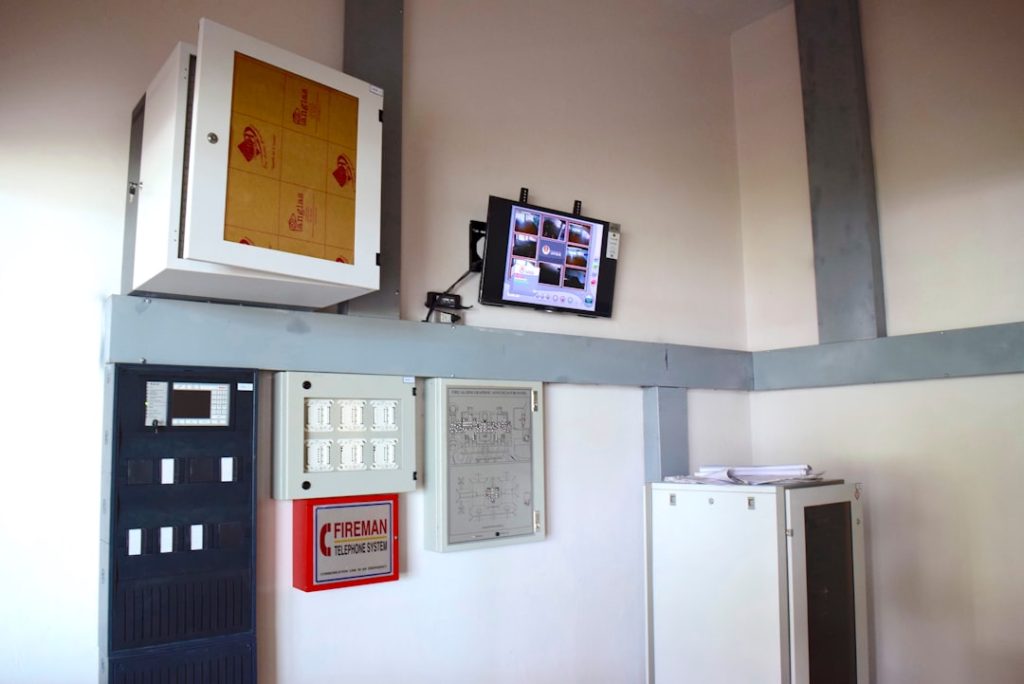
Collecting data, the bedrock of informed decision-making, has historically been a labor-intensive process. Imagine a meticulous scribe, painstakingly transcribing observations onto parchment, or a researcher sifting through stacks of paper forms – this was the landscape for generations. The advent of electronic systems has, however, fundamentally reshaped this paradigm. This article will explore the impact of electronic data collection systems, examining their evolution, benefits, challenges, and future trajectory.
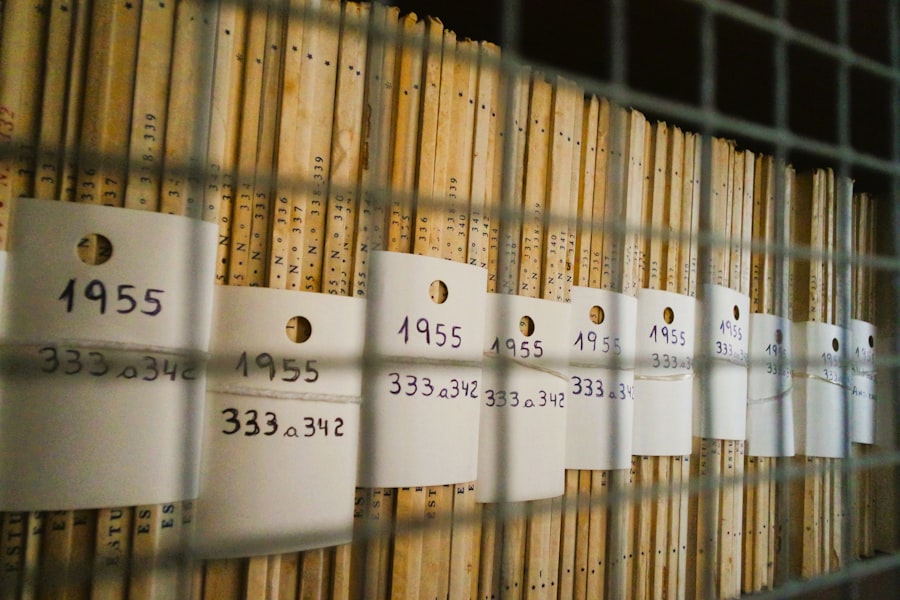
The transition from traditional paper-based methods to electronic systems represents a significant technological leap. For centuries, manual data entry, surveys administered via postal mail, and card catalogs served as the primary means of information gathering. These methods, while functional, were inherently slow, prone to errors, and costly in terms of resources and manpower. The digital revolution, however, laid the groundwork for a more efficient and accurate approach.
Early Forays into Electronic Data Capture

The earliest forms of electronic data collection were often rudimentary. Punched cards, a precursor to modern digital storage, were used in the late 19th and early 20th centuries for data processing. These were an improvement over purely manual methods but still required significant manual effort for data entry and lacked the flexibility of modern systems. The development of databases and early computing resources in the mid-20th century began to unlock the potential for more integrated electronic data management.
The Rise of Computerized Surveys and Forms
As personal computers became more accessible in the late 20th century, the development of computerized surveys and electronic forms gained momentum. Early iterations often involved custom-built software or basic spreadsheet applications. These allowed for data to be entered directly into a digital format, reducing transcription errors and enabling basic analysis. The internet’s proliferation in the late 1990s and early 2000s further accelerated this trend, enabling web-based surveys and the remote collection of data on a global scale.
Mobile and Sensor-Based Data Collection

The explosion of mobile devices and the Internet of Things (IoT) has ushered in a new era of automated and ubiquitous data collection. Smartphones and tablets equipped with specialized applications have become powerful tools for fieldwork, allowing users to capture geographic data, images, and survey responses in real-time. Simultaneously, sensors embedded in everything from environmental monitoring stations to wearable health trackers can continuously collect vast quantities of data with minimal human intervention. This shift moves beyond what was once a deliberate act of recording an observation to a continuous stream of ambient information.
Unpacking the Advantages of Electronic Systems
The benefits derived from employing electronic systems for data collection are multifaceted, impacting efficiency, accuracy, and the very scope of obtainable insights. These systems act as a sophisticated filtration system, allowing for the capture of more granular and timely information.
Enhanced Accuracy and Reduced Error Rates
One of the most significant advantages of electronic data collection is the dramatic reduction in errors. In paper-based systems, mistakes can arise during data entry, misinterpretation of handwriting, or accidental omissions. Electronic systems mitigate these issues through:
Input Validation and Constraints
Many electronic forms incorporate built-in validation rules. For example, a field designed to accept only numerical input will reject textual characters, preventing incorrect data types. Similarly, dropdown menus and pre-defined options limit the range of possible responses, enforcing consistency. This acts like a well-maintained lock on a data vault, ensuring only authorized and correct entries can pass through.
Automatic Data Transfer and Integration
Electronic systems can automate the transfer of data from the point of collection directly into databases or analysis software. This eliminates the need for manual re-entry, a common source of transcription errors. Data can flow seamlessly, much like water through a well-designed irrigation system, reaching its destination without manual redirection.
Reduced Ambiguity in Interpretation
Standardized electronic formats and controlled vocabularies minimize subjective interpretation that can occur with handwritten notes or varying responses in open-ended questions. This leads to cleaner, more reliable datasets.
Increased Efficiency and Speed
The speed at which data can be collected, processed, and analyzed is significantly amplified by electronic systems.
Real-Time Data Capture and Access
Field researchers or data collectors can submit information as it is gathered, providing immediate access to the latest data. This allows for rapid decision-making and the ability to identify trends or anomalies as they emerge, rather than weeks or months later. Imagine having a live feed of crucial information versus waiting for a weekly report.
Streamlined Data Processing and Analysis
Electronic data is readily sortable, filterable, and amenable to statistical analysis. Advanced software can perform complex calculations and generate reports in minutes, a task that would take days or even weeks with manual methods. This transforms data from a static archive into a dynamic engine for generating insights.
Reduced Administrative Burden
Tasks such as collating responses, organizing paperwork, and managing physical archives are significantly reduced or eliminated. This frees up valuable time and resources for more strategic activities, such as interpreting findings and developing interventions.
Improved Data Management and Accessibility
Electronic systems facilitate better organization, storage, and retrieval of data.
Centralized Data Repositories
Data can be stored in secure, centralized databases, making it accessible to authorized personnel from various locations. This contrasts with distributed paper files, which can be misplaced or difficult to access for multiple users.
Enhanced Data Security and Backup
Electronic systems offer robust security features, including password protection, encryption, and access logs. Regular backups protect against data loss due to hardware failure or unforeseen events. This is akin to having a secure digital fortress for your valuable information.
Version Control and Audit Trails
Many systems track changes made to the data, providing a history of modifications and who made them. This is crucial for accountability and for understanding how data has evolved over time.
Expanded Scope and Granularity of Data
Electronic systems enable the collection of more diverse and detailed information than traditional methods.
Multimedia Data Inclusion
Researchers can easily incorporate images, audio recordings, videos, and GPS coordinates into their datasets, providing a richer context for their findings. This moves beyond simple textual descriptions to a more holistic representation of observations.
Integration with Other Data Sources
Electronic data can be linked and integrated with existing databases, such as demographic information, historical records, or geographic data, allowing for more comprehensive analysis. This creates a tapestry of interconnected information, rather than isolated threads.
Longitudinal Studies and Continuous Monitoring
The efficiency of electronic systems makes it feasible to conduct long-term studies and to monitor variables continuously, providing invaluable insights into trends and changes over time.
Navigating the Challenges of Implementation
While the benefits are substantial, the transition to and ongoing management of electronic data collection systems are not without their hurdles. These challenges require careful planning and proactive mitigation strategies.
Initial Investment and Infrastructure Costs
Implementing electronic systems often necessitates an upfront investment in hardware, software, and network infrastructure.
Hardware Procurement
This can include computers, tablets, smartphones, sensors, and servers, depending on the scale and nature of the data collection.
Software Licensing and Development
Acquiring or developing specialized data collection and management software can represent a significant expense.
Network and Connectivity Requirements
Reliable internet access and network infrastructure are critical for many electronic systems, particularly those involving real-time data transfer or cloud-based solutions. In remote areas, this can be a substantial obstacle.
Training and Skill Development
Users of electronic systems require adequate training to operate them effectively and to understand data management protocols.
User Literacy and Technical Proficiency
Not all individuals involved in data collection may possess the same level of digital literacy. Training programs need to be tailored to different skill levels.
Data Entry Best Practices
Ensuring users understand data quality standards, validation rules, and privacy considerations is paramount. Without proper understanding, the system’s benefits can be undermined by user error.
Ongoing Technical Support
Providing continuous technical support ensures that users can resolve issues promptly and maintain productivity.
Data Security and Privacy Concerns
Protecting sensitive data from unauthorized access and ensuring compliance with privacy regulations is a critical consideration.
Compliance with Regulations
Adhering to data protection laws such as GDPR (General Data Protection Regulation) or HIPAA (Health Insurance Portability and Accountability Act) is essential. This involves understanding data anonymization, consent mechanisms, and data breach protocols.
Cybersecurity Threats
Electronic systems are vulnerable to various cyber threats, including hacking, malware, and phishing. Robust cybersecurity measures, such as firewalls, intrusion detection systems, and regular security audits, are vital.
Data Anonymization and Pseudonymization
Implementing appropriate techniques to protect the identity of individuals whose data is being collected is crucial, especially in research settings.
System Maintenance and Updates
Electronic systems require ongoing maintenance to ensure their smooth operation and to adapt to evolving needs.
Software Updates and Patching
Regularly updating software is necessary to address security vulnerabilities and to introduce new features.
Hardware Lifecycle Management
Electronic equipment has a finite lifespan and will eventually require replacement or upgrades.
Data Migration and Archiving
As data accumulates, strategies for data migration to new systems and long-term archiving are necessary to maintain accessibility and manage storage costs.
Ensuring Data Quality and Integrity
While electronic systems reduce many errors, new challenges to data quality can emerge if not managed carefully.
Over-reliance on Automation
Blindly trusting automated processes without human oversight can lead to missed nuances or incorrect assumptions within the data. The system is a tool, not a replacement for critical thinking.
Inconsistent Data Entry Practices
Even with validation, variations in how users interpret or input information can lead to inconsistencies if not clearly defined and trained.
Data Completeness and Accuracy Checks
Despite electronic checks, ongoing monitoring and periodic audits are necessary to ensure data is complete and reflects reality accurately.
Applications Across Diverse Sectors

The transformative impact of electronic data collection systems is evident across a wide array of sectors, revolutionizing how information is gathered and utilized.
Healthcare and Clinical Research
In healthcare, electronic health records (EHRs) have become standard, enabling efficient collection of patient histories, diagnoses, treatments, and outcomes. Clinical trials rely heavily on electronic data capture (EDC) systems for meticulously recording participant data, adverse events, and efficacy measures. This allows researchers to quickly analyze results and identify trends in disease progression or treatment effectiveness.
Electronic Health Records (EHRs)
EHRs consolidate patient information, providing a comprehensive digital health profile. This facilitates better-informed clinical decisions and can be anonymized for epidemiological research.
Electronic Data Capture (EDC) in Clinical Trials
EDC systems are used to collect data from participants in clinical trials, ensuring accuracy, consistency, and regulatory compliance. This accelerates the drug development process.
Wearable Devices and Remote Patient Monitoring
Wearable sensors collect physiological data (heart rate, sleep patterns, activity levels) for continuous patient monitoring and early detection of health issues.
Business and Market Research
Businesses leverage electronic systems for customer relationship management (CRM), sales data tracking, and inventory management. Market research firms utilize online surveys, social media monitoring tools, and web analytics to gather consumer insights. This data informs product development, marketing strategies, and operational optimizations.
Customer Relationship Management (CRM) Systems
CRM systems track customer interactions, purchases, and preferences, enabling personalized marketing and improved customer service.
Online Surveys and Feedback Platforms
Web-based surveys allow for rapid deployment and collection of data from large customer bases, providing insights into satisfaction and market demand.
Web Analytics and Social Media Monitoring
Tools that track website traffic patterns and analyze public sentiment on social media provide real-time market intelligence.
Government and Public Administration
Government agencies use electronic systems for census data collection, tax administration, and the management of public services. The collection of crime statistics, environmental data, and citizen feedback is increasingly digitized. This supports policy development, resource allocation, and effective governance.
Digital Census and Population Surveys
Electronic platforms enable more efficient and comprehensive collection of demographic data, essential for national planning.
E-governance and Public Service Delivery
Online portals for permits, licenses, and service requests streamline citizen engagement and administrative processes.
Environmental Monitoring and Data Management
Sensors collect data on air quality, water purity, and climate indicators, supporting environmental protection efforts.
Education and Academia
Educational institutions use learning management systems (LMS) that track student progress, attendance, and assessment results. Researchers in academia utilize electronic databases and specialized software for scientific data collection and analysis across disciplines.
Learning Management Systems (LMS)
LMS platforms provide a centralized hub for educational content, assignments, and student performance tracking.
Digital Libraries and Research Databases
Academic institutions maintain vast digital repositories of research papers, journals, and datasets, facilitating scholarly inquiry.
Field Data Collection Apps for Research
Researchers employ mobile applications to collect ecological, sociological, and geographical data with GPS capabilities and multimedia features.
The Future of Data Collection: Automation, AI, and Interconnectivity
| Metric | Description | Typical Value | Unit |
|---|---|---|---|
| Data Entry Speed | Average number of records entered per hour | 200-500 | records/hour |
| Data Accuracy Rate | Percentage of data entries without errors | 95-99 | % |
| System Uptime | Percentage of time the system is operational | 99.5-99.9 | % |
| Data Storage Capacity | Maximum amount of data the system can store | 1-10 | TB |
| Data Transmission Speed | Rate at which data is transmitted to central server | 10-100 | Mbps |
| Battery Life (for mobile devices) | Average operational time before recharge | 8-12 | hours |
| User Training Time | Average time required to train a user on the system | 2-4 | hours |
| Data Backup Frequency | Interval between automatic data backups | Daily | frequency |
The evolution of electronic data collection is far from over. Emerging technologies promise to further automate the process, enhance analytical capabilities, and create more interconnected data ecosystems.
The Role of Artificial Intelligence (AI) and Machine Learning (ML)
AI and ML are poised to revolutionize data collection by enabling more intelligent and autonomous systems.
Predictive Data Collection
AI algorithms can predict future data needs based on historical patterns, allowing for proactive data gathering.
Automated Data Cleaning and Anomaly Detection
ML algorithms can identify and flag outliers or inconsistencies in datasets more efficiently than human reviewers.
Natural Language Processing (NLP) for Unstructured Data
NLP can extract meaningful information from unstructured text data, such as open-ended survey responses, customer reviews, or social media posts. This unlocks insights hidden within vast amounts of text.
The Internet of Things (IoT) and Big Data
The proliferation of IoT devices will generate unprecedented volumes of data, requiring sophisticated collection and management strategies.
Continuous and Unobtrusive Data Streams
IoT sensors will provide continuous streams of real-time data from the physical environment, human activity, and industrial processes. This moves beyond discrete data points to a continuous, flowing river of information.
Edge Computing for Real-Time Processing
Processing data closer to the source (edge computing) will enable faster responses and reduce the burden on centralized servers. This is like having micro-processing hubs embedded within the data collection points.
Data Fusion and Interoperability
The challenge will be to integrate and fuse data from diverse IoT sources to create a holistic understanding of complex systems. Standards for data interoperability will be crucial.
Blockchain Technology for Data Integrity and Trust
Blockchain’s decentralized and immutable ledger system offers potential for enhancing data integrity and trust in collection processes.
Secure and Tamper-Proof Data Records
Blockchain can provide an auditable and tamper-evident record of data collection events and modifications. Each data entry is like a unique, unforgeable seal on a document.
Enhanced Data Provenance and Traceability
Tracking the origin and journey of data becomes more transparent and verifiable using blockchain technology.
Decentralized Data Ownership and Sharing Models
Blockchain could facilitate new models for data ownership and controlled sharing, empowering individuals and organizations.
Augmented Reality (AR) and Virtual Reality (VR) in Data Capture
AR and VR are emerging as novel tools for data collection, particularly in specialized fields.
Immersive Data Visualization and Interaction
AR/VR can provide immersive environments for visualizing complex datasets, aiding in their understanding and analysis.
Field Data Annotation and Recording
AR applications can overlay contextual information onto real-world views, allowing for more detailed and spatially aware data annotation during field surveys. This is like having an interactive digital layer superimposed on reality.
Training Simulators for Data Collection Protocols
VR simulators can provide realistic training environments for data collectors, allowing them to practice procedures in a safe and controlled setting before engaging with live data.
In conclusion, the transition to electronic data collection systems has been a transformative journey, moving us from the era of the scribe to a future of autonomous, interconnected data streams. While challenges remain, the continuous innovation in technology points towards an increasingly efficient, accurate, and insightful approach to understanding our world. The effective harnessing of these tools will be paramount for progress across all domains of human endeavor.
