
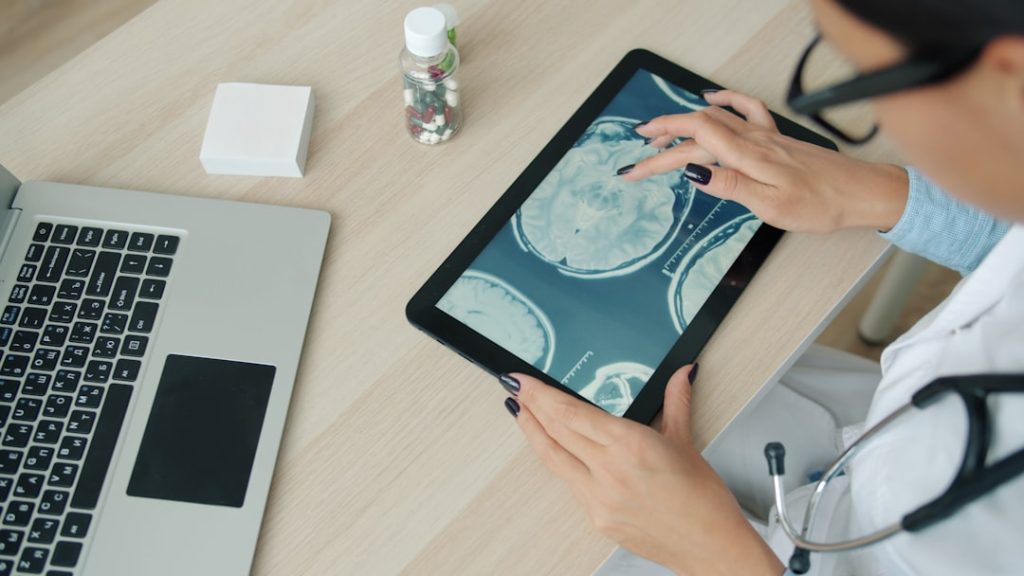
The landscape of clinical trial technology is undergoing a profound transformation. For decades, the process of bringing new medical treatments from the laboratory to the patient has been a painstaking endeavor, often likened to navigating a dense fog with only a compass. However, advancements in technology are now illuminating the path, making the journey faster, more efficient, and ultimately, more patient-centric. These innovations are not merely incremental improvements; they represent a paradigm shift in how we design, conduct, and analyze clinical research.
The traditional model of a clinical trial often requires participants to visit a physical research site multiple times. This can be a significant barrier, especially for individuals with mobility issues, those living far from study centers, or those with demanding work or family obligations. Decentralized Clinical Trials (DCTs) aim to remove these geographical and logistical hurdles by bringing the trial closer to the patient, wherever they may be. Imagine a trial where the research site is no longer a building, but rather a network of connected devices and trained local healthcare providers.
Remote Data Capture

A cornerstone of DCTs is the ability to collect data remotely. Wearable devices, such as smartwatches and biosensors, can continuously monitor vital signs like heart rate, blood pressure, and activity levels. This provides a richer, more continuous stream of real-world data than sporadic site visits could ever offer. Think of it as moving from occasional snapshots to a high-definition video recording of a patient’s health status. Mobile applications also play a crucial role, enabling participants to self-report symptoms, medication adherence, and quality-of-life measures directly through their smartphones. This empowers patients to be active participants in their research journey, turning them from passive subjects into active contributors.
Continuous Monitoring and Alerts
The constant flow of data from remote monitoring devices allows for immediate detection of potential issues. Algorithms can be programmed to identify anomalies or critical changes in a patient’s condition and trigger alerts to the research team. This proactive approach can prevent adverse events from escalating and ensure patient safety is paramount, even when they are not physically present at a study site.
Telehealth and Virtual Visits

Telehealth platforms facilitate virtual interactions between participants and investigators. This allows for remote consultations, medication reconciliation, and assessment of treatment response without the need for travel. These virtual visits can be as informative as in-person appointments for certain aspects of a trial, streamlining the process and reducing the burden on participants.
Home Healthcare Services
In some DCT models, healthcare professionals are dispatched to participants’ homes to perform procedures that cannot be done remotely. This might include blood draws, injections, or other interventions, ensuring that participants receive necessary care without having to leave their residences. This integration of at-home services creates a truly patient-centric trial experience, acknowledging that life happens outside the clinic walls.
Artificial Intelligence and Machine Learning in Clinical Trials
Artificial intelligence (AI) and machine learning (ML) are rapidly becoming indispensable tools in the clinical trial arena. These technologies offer the potential to analyze vast datasets with unprecedented speed and accuracy, uncovering insights that might otherwise remain hidden. They are transforming every stage of the drug development pipeline, from early discovery to post-market surveillance. Think of AI and ML as powerful new microscopes, allowing researchers to peer into complex data and tease out subtle patterns.
Patient Recruitment and Site Selection
Identifying and recruiting suitable participants is often a significant bottleneck in clinical trials. AI algorithms can analyze electronic health records (EHRs) and other data sources to identify potential candidates who meet specific inclusion and exclusion criteria. This can dramatically accelerate the recruitment process and ensure that trials enroll the most appropriate individuals, leading to more robust and interpretable results. Similarly, AI can assist in identifying the most effective research sites based on their historical performance, patient demographics, and infrastructure. This moves away from guesswork and towards data-driven site selection, like choosing the most fertile fields for planting seeds.
Predictive Modeling for Recruitment Success
Machine learning models can be trained to predict the likelihood of successful recruitment at specific sites based on various factors. This allows trial managers to allocate resources more effectively and proactively address potential recruitment challenges before they arise.
Natural Language Processing (NLP) for Data Extraction
NLP, a subfield of AI, can process unstructured text data, such as physician notes within EHRs, to extract relevant information for trial eligibility. This unlocks a wealth of patient data that would be exceedingly time-consuming to manually review.
Protocol Design and Optimization
AI can assist in the design of clinical trial protocols by analyzing historical trial data and identifying common pitfalls or areas for improvement. This can lead to more efficient and effective protocols, reducing the likelihood of costly amendments and delays. For example, AI could suggest optimal dosing regimens or appropriate endpoints based on existing knowledge.
Data Analysis and Interpretation
The sheer volume of data generated by modern clinical trials can be overwhelming. AI and ML algorithms excel at identifying patterns, correlations, and outliers within these massive datasets. This enables researchers to gain deeper insights into treatment efficacy, identify subgroups of patients who respond best to a particular therapy, and detect safety signals more rapidly.
Identifying Biomarkers for Patient Stratification
ML algorithms can be used to identify novel biomarkers that predict patient response to therapy. This allows for the stratification of patients into subgroups, enabling the development of more personalized and targeted treatments.
Real-time Safety Monitoring
AI-powered systems can continuously monitor incoming safety data from a trial and flag potential adverse events for immediate review by pharmacovigilance teams. This proactive approach to safety is crucial in ensuring patient well-being.
Advanced Data Management and Analytics Platforms
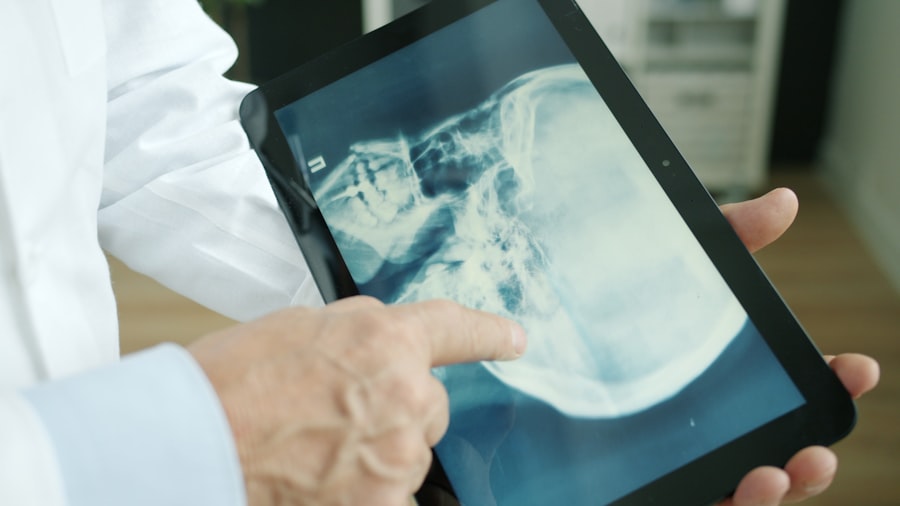
The effective management and analysis of clinical trial data are paramount. Traditional methods often struggle to cope with the increasing complexity and volume of information. Modern data management and analytics platforms are designed to overcome these challenges, providing robust solutions for data integrity, security, and insightful analysis. Imagine a sophisticated control room for a complex operation, where all critical data is visible and easily interpretable.
Electronic Data Capture (EDC) Systems
Electronic Data Capture (EDC) systems have largely replaced paper-based data collection. These systems allow for real-time data entry directly into a digital database, reducing errors associated with manual transcription and improving data quality. This is akin to upgrading from handwritten ledgers to a streamlined digital accounting system.
Real-time Data Validation and Cleaning
EDC systems incorporate built-in validation checks and logic rules that flag inconsistent or missing data at the point of entry, allowing for immediate correction. This proactive data cleaning minimizes the need for extensive retrospective data reconciliation.
Audit Trails and Data Security
These platforms maintain comprehensive audit trails, documenting every change made to the data, ensuring transparency and accountability. Robust security measures are implemented to protect sensitive patient information, complying with stringent regulatory requirements.
Clinical Data Management Systems (CDMS)
Beyond EDC, Clinical Data Management Systems (CDMS) provide a more comprehensive solution for managing all aspects of clinical trial data. They integrate data from various sources, facilitate standardization, and support sophisticated data review and reconciliation processes.
Data Harmonization and Integration
CDMS can bring together data from disparate sources, such as EDC systems, laboratory results, and imaging data, into a unified platform. This allows for a more holistic view of the participant’s data and facilitates cross-study analysis.
Interactive Data Visualization Tools
Modern platforms offer powerful data visualization tools that enable researchers to explore complex datasets through interactive charts, graphs, and dashboards. This intuitive approach makes it easier to identify trends, outliers, and key findings.
Real-World Evidence (RWE) Platforms
The growing importance of Real-World Evidence (RWE) – data collected outside of traditional clinical trials, such as from EHRs, insurance claims, and patient registries – necessitates specialized platforms. These RWE platforms are designed to ingest, clean, and analyze these diverse data sources to supplement traditional trial data and provide insights into treatment effectiveness and safety in routine clinical practice.
Data Linkage and De-identification Capabilities
These platforms often possess sophisticated capabilities for linking disparate data sources while maintaining patient privacy through robust de-identification techniques.
Advanced Analytics for Observational Studies
RWE platforms are equipped with specific analytical tools tailored for analyzing observational data, accounting for potential biases and confounding factors inherent in real-world data.
Digital Biomarkers and Wearable Technology
The convergence of digital technology and biological measurement is giving rise to digital biomarkers. These are quantifiable physiological or behavioral data collected through digital devices that can reflect a disease state, progression, or response to treatment. Wearable technology is a particularly prominent area of innovation in this domain. Imagine a personal guardian for your health, constantly monitoring key indicators.
Continuous Physiological Monitoring
Wearable sensors can continuously track a wide range of physiological parameters, including heart rate variability, sleep patterns, respiration rate, and even gait. This provides a continuous and objective measure of a patient’s health status, offering a more nuanced understanding of disease impact than periodic assessments.
Electrocardiogram (ECG) and Blood Pressure Monitoring
Advanced wearables are now capable of providing on-demand ECG readings and, in some cases, blood pressure monitoring, offering valuable cardiovascular insights remotely.
Activity and Sleep Tracking for Neurological and Psychiatric Conditions
For conditions affecting mobility, cognition, or mood, detailed tracking of activity levels, sleep quality, and social interaction can provide objective measures of disease severity and treatment response.
Behavioral Data Collection
Beyond physiological measures, digital devices can also capture behavioral data. This can include smartphone sensor data like typing speed, app usage patterns, or even voice analysis, which can be indicative of cognitive function, mood, or motor skills.
Passive Sensing for Mental Health Assessment
Passive sensing through smartphones can anonymously collect data on communication patterns, location, and activity levels, which can be used to infer changes in mood, social engagement, and overall well-being for mental health studies.
Gamification and Engagement Tools
Digital platforms are increasingly incorporating gamification elements and personalized engagement strategies to encourage consistent data submission and adherence to trial protocols, making the research process more interactive and less burdensome for participants.
Blockchain Technology in Clinical Trials
| System/Technology | Purpose | Key Features | Adoption Rate (%) | Benefits |
|---|---|---|---|---|
| Electronic Data Capture (EDC) | Collect and manage clinical trial data electronically | Real-time data entry, validation checks, audit trails | 85 | Improved data accuracy, faster data collection, reduced paper use |
| Clinical Trial Management System (CTMS) | Manage trial planning, tracking, and reporting | Site management, patient tracking, budgeting, compliance monitoring | 75 | Enhanced trial oversight, streamlined operations, regulatory compliance |
| Randomization and Trial Supply Management (RTSM) | Randomize patients and manage drug supply logistics | Automated randomization, inventory tracking, shipment management | 65 | Reduced bias, optimized supply chain, improved patient allocation |
| Electronic Patient-Reported Outcomes (ePRO) | Collect patient data directly via electronic devices | Mobile apps, real-time symptom tracking, compliance reminders | 55 | Increased patient engagement, real-time data, improved data quality |
| Wearable Devices and Sensors | Continuous monitoring of patient vitals and activity | Heart rate, activity tracking, sleep monitoring, remote data capture | 40 | Real-time monitoring, enhanced safety, objective data collection |
| Artificial Intelligence (AI) and Machine Learning | Data analysis, patient recruitment, and predictive modeling | Pattern recognition, risk prediction, automated data cleaning | 30 | Faster insights, improved patient matching, reduced trial costs |
| Blockchain Technology | Ensure data integrity and transparency | Immutable records, secure data sharing, auditability | 10 | Enhanced security, trust, and regulatory compliance |
Blockchain technology, known for its decentralized and immutable ledger system, is emerging as a potential solution for enhancing security, transparency, and data integrity in clinical trials. Think of blockchain as a tamper-proof digital notary service for trial data.
Secure Data Sharing and Access Control
Blockchain can create a secure and auditable platform for sharing clinical trial data among authorized parties. Each transaction, or data access, is recorded on the blockchain, providing a clear and unalterable audit trail. This can streamline data access for collaborators while maintaining stringent control over who sees what information.
Immutable Audit Trails for Data Integrity
The inherent immutability of blockchain ensures that once data is recorded, it cannot be altered or deleted without detection. This provides an unprecedented level of assurance regarding the integrity of clinical trial data.
Smart Contracts for Automated Processes
Smart contracts, self-executing contracts with the terms of the agreement directly written into code, can automate various aspects of clinical trials. This could include automated payments to participants upon completion of specific milestones or automated regulatory reporting when predefined conditions are met.
Enhanced Patient Consent Management
Blockchain can provide a transparent and auditable mechanism for managing patient consent. Patients can grant and revoke consent through blockchain-based systems, with each action recorded immutably, ensuring that consent preferences are always up-to-date and accessible to authorized parties.
Granular Consent Preferences
This technology allows for more granular control over what data patients consent to share, with whom, and for how long, empowering patients with greater autonomy over their health information.
Decentralized Identity Management
Blockchain-based decentralized identity solutions could enable participants to securely and privately manage their digital identities used in clinical trials, reducing reliance on centralized databases that are often vulnerable to breaches.
The ongoing advancements in clinical trial technology are not just about efficiency gains; they represent a fundamental re-imagining of how medical research is conducted, with a clear focus on patient well-being and timely access to innovative therapies. As these technologies mature and are integrated more broadly, we can anticipate a future where clinical trials are more accessible, more informative, and ultimately, more effective in delivering life-changing treatments to those who need them.
