

Direct Data Capture (DDC) represents a significant evolution in the execution of clinical trials, moving away from traditional paper-based systems towards immediate, electronic collection of patient information. This shift offers a streamlined approach to managing the complexities inherent in clinical research. It is not merely an upgrade; it is a fundamental retooling of the trial process, allowing researchers to gain a clearer, more granular view of the data as it is generated.
The historical backbone of clinical trial data collection has been the Case Report Form (CRF), a paper document painstakingly filled out by site staff. While understandable given the technological limitations of the past, this method introduced inherent inefficiencies and potential for errors. Each paper CRF represented a bottleneck, requiring manual transcription, double-entry for verification, and subsequent physical transport to a central data management facility. This process was akin to sending a message by courier on horseback; it was functional but slow and prone to loss or corruption along the way. Direct Data Capture aims to replace this horse-and-buggy approach with a high-speed digital information superhighway.
The Limitations of Paper-Based Systems

The introduction of paper CRFs, while an advancement at their inception, quickly revealed their limitations as trials grew in complexity and scale. The physical nature of paper records meant that data was not immediately available for analysis. Instead, it entered a temporal limbo, waiting to be processed.
Delays in Data Availability
The time lag between data collection at the site and its availability for analysis was substantial. This delay meant that critical safety signals or trends in efficacy might not be identified promptly. Imagine trying to navigate a ship by looking at a map that is several days old; decisions would be based on outdated information, leading to potential hazards. DDC collapses this time lag, providing near real-time insights.
Manual Data Entry Errors

The manual transcription of data from paper CRFs into electronic databases was a significant source of data inaccuracies. Human error, fatigue, or misinterpretation could lead to incorrect entries, which then cascaded through the rest of the data management process. This was akin to a game of telephone, where the original message could become distorted with each relay. DDC minimizes these transcription errors by capturing data directly at the source.
Logistical Challenges and Costs
The physical management of vast numbers of paper CRFs presented considerable logistical challenges and associated costs. Shipping, storage, retrieval, and eventual destruction or archiving of these documents all contributed to the overall expense of a clinical trial. This burden was like managing a sprawling warehouse filled with fragile, irreplaceable manuscripts, requiring constant vigilance and significant resources.
The Paradigm Shift with Electronic Data Capture (EDC)
Electronic Data Capture (EDC) systems are the foundational technology for Direct Data Capture. They provide the electronic infrastructure for capturing, storing, and managing clinical trial data. EDC systems transform the data collection landscape from a series of disconnected paper islands to a unified digital continent.
Real-Time Data Entry and Validation
The primary advantage of EDC is the ability to enter data directly into an electronic system at the point of care. This process is further enhanced by built-in edit checks and data validation rules. These rules act as intelligent gatekeepers, flagging inconsistencies or missing information as it is entered, preventing flawed data from entering the system in the first place. This is like having an experienced navigator constantly checking the course, ensuring the vessel stays on track.
Improved Data Quality and Integrity
By eliminating manual transcription and incorporating real-time validation, EDC systems significantly improve data quality and integrity. This leads to more reliable trial results, increasing confidence in the conclusions drawn from the research. The data becomes a clearer reflection of reality, rather than a filtered or distorted version.
Enhanced Trial Monitoring and Oversight
EDC systems provide investigators and monitors with immediate access to study data. This allows for more proactive and effective trial oversight. Issues can be identified and resolved rapidly, improving the overall efficiency and compliance of the trial. Instead of waiting for a monthly data review, monitors can gain insights on a daily or even hourly basis, allowing for course corrections before minor issues become major problems.
Architecting DDC: Systems, Tools, and Integration
The successful implementation of Direct Data Capture relies on robust technological architecture and the seamless integration of various components. It’s not just about having an electronic form; it’s about creating a cohesive ecosystem where data flows efficiently and securely.
Designing Effective Electronic Case Report Forms (eCRFs)
The eCRF is the digital counterpart to the traditional paper CRF. Its design is crucial for both user experience and data integrity. A well-designed eCRF is intuitive and guides the user through the data entry process, minimizing confusion.
User-Centric Design Principles
Applying user-centric design principles ensures that eCRFs are easy to navigate and understand, even for users who may not be highly technologically proficient. This involves clear labeling, logical flow of questions, and appropriate input fields. Think of it as building a clear, well-marked path through a complex forest, rather than a tangled maze.
Adaptive and Dynamic Fields
Modern DDC systems often incorporate adaptive and dynamic fields. These fields can change their appearance or available options based on previous responses, reducing the number of irrelevant questions presented to the user. This makes the data collection process more efficient and less burdensome. It’s like having a smart guide who only asks you relevant questions based on your journey so far.
Incorporating Data Dictionaries and Standardization
The use of standardized data dictionaries (e.g., MedDRA, WHODrug) within eCRFs ensures consistency in how data is recorded. This standardization is vital for future analysis and comparison across different trials or research programs. It provides a common language for data, preventing misinterpretations that can arise from localized or idiosyncratic terminology.
The Role of Electronic Source Data (eSource)
Electronic Source Data (eSource) represents a further advancement within DDC, where data is captured electronically at the point of origin, often directly from patient devices or other healthcare systems. This bypasses the need for transcription into an eCRF altogether, creating a much more direct line from patient observation to trial database.
Minimizing Data Transposition
eSource aims to eliminate the “transposition” step, where data is moved from one system to another. By capturing data directly from its original source, the risk of errors during this transfer is significantly reduced. This is like directly witnessing an event rather than reading a secondhand account; the fidelity of the information is much higher.
Integration with Healthcare Systems
The integration of DDC systems with existing Electronic Health Records (EHRs) or other healthcare data sources is a key aspect of eSource. This allows for efficient transfer of relevant patient information, reducing manual data entry for the site staff. This connection is akin to laying a direct pipeline from the patient’s medical history to the research database.
Considerations for Data Privacy and Security
When integrating with healthcare systems, robust data privacy and security protocols are paramount. Ensuring that patient information is anonymized or de-identified appropriately and that access is strictly controlled is essential. The digital pipeline must be secured like a fortified bridge.
Underlying Technologies and Infrastructure
The DDC revolution is underpinned by a range of technologies. These include secure cloud-based platforms, advanced database management systems, and sophisticated middleware for data integration.
Cloud Computing and Scalability
Cloud-based DDC platforms offer scalability, allowing trials to adapt to changing data volumes and user loads. They also provide enhanced accessibility and facilitate collaboration among global research teams. This provides the flexibility to expand or contract resources as needed, like adjusting the sails of a ship to match the wind.
Data Security and Encryption
Ensuring the security and integrity of sensitive patient data is non-negotiable. DDC systems employ robust encryption protocols, access controls, and audit trails to protect against unauthorized access and data breaches. These measures are the digital locks and guards protecting the valuable cargo of information.
Interoperability Standards
The ability of different systems to communicate and exchange data is crucial. Adherence to interoperability standards (e.g., HL7) facilitates the seamless integration of DDC systems with other research and healthcare technologies. This ensures that data can flow freely between different data silos, preventing information blockades.
Accelerating Trial Operations: Efficiency Gains in Practice

The tangible benefits of Direct Data Capture extend beyond mere data quality. They translate into significant operational efficiencies that can accelerate the entire clinical trial lifecycle.
Faster Recruitment and Enrollment
With efficient data capture and reduced administrative burden, study sites can potentially dedicate more time to patient interaction and recruitment. This can lead to faster enrollment rates, a critical factor in bringing new treatments to market sooner. Imagine freeing up a significant portion of a recruiter’s time previously spent on paperwork, allowing them to focus on connecting with potential participants.
Reduced Site Burden
Direct data entry and real-time validation significantly reduce the manual workload for study site staff. This can lead to higher investigator satisfaction and retention, as well as a more positive overall study experience. Sites are not bogged down by administrative tasks, allowing them to focus on what matters most: patient care and data accuracy.
Streamlined Source Data Verification (SDV)
DDC, particularly with eSource, can transform the traditional, often laborious, Source Data Verification (SDV) process. Monitors can access the source data electronically and compare it directly with the eCRF data, potentially reducing the need for on-site visits and manual cross-referencing. This is like having an inspector able to review blueprints and building progress simultaneously, rather than waiting for the building to be completed to check the work.
Expedited Data Management and Cleaning
The immediate availability of clean data within the DDC system dramatically speeds up the data management process. Instead of lengthy data cleaning cycles, issues can be identified and resolved in near real-time.
Reduced Database Lock Timelines
The swift resolution of data discrepancies leads to significantly shorter database lock timelines. This means that the data is ready for statistical analysis much sooner, reducing the overall duration of the trial. The agonizing wait for the data to be declared “clean” is substantially shortened, allowing the research to move forward with greater momentum.
Faster UAT and Study Close-out
User Acceptance Testing (UAT) and study close-out procedures are also streamlined. With cleaner, more accessible data, these final phases can be completed more efficiently, further accelerating the drug development timeline.
Improved Budget Management and Predictability
While initial investment in DDC systems is required, the long-term cost efficiencies can be substantial. Reduced errors, fewer manual processes, and accelerated timelines can lead to significant savings.
Lower Operational Costs
The reduction in paper, transcription, and manual data handling directly translates to lower operational costs. The elimination of physical logistics for paper CRFs further contributes to these savings. The overhead associated with managing physical records is a cost that can be redirected to core research activities.
Increased Predictability of Study Timelines
The operational efficiencies offered by DDC contribute to greater predictability of study timelines. This allows for more accurate budgeting and resource allocation, minimizing the risk of costly overruns due to unforeseen delays in data processing. Knowing when data will be ready for analysis is like having a reliable weather forecast for the journey ahead.
Navigating the Challenges and Embracing the Future
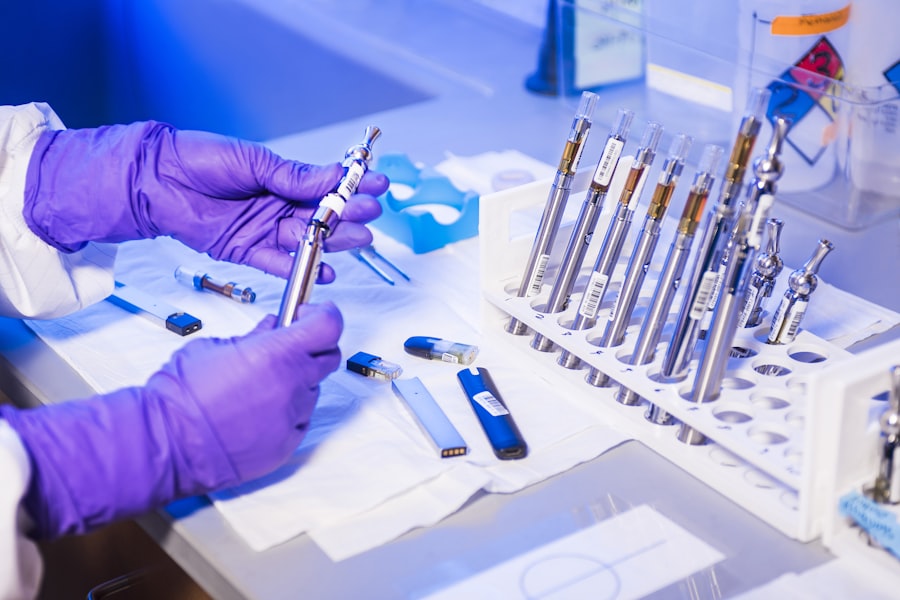
Despite its advantages, the implementation of Direct Data Capture is not without its hurdles. Understanding and addressing these challenges is crucial for maximizing its potential.
Overcoming Implementation Hurdles
The transition to a DDC system requires careful planning, training, and change management. Sites may need time to adapt to new technology, and IT infrastructure may require upgrades.
Training and User Adoption
Comprehensive training programs are essential to ensure that site staff are comfortable and proficient with the DDC system. A focus on user support and ongoing assistance can foster adoption and minimize resistance to change. Investing in people is as important as investing in technology.
IT Infrastructure and Connectivity
Reliable internet connectivity and adequate IT infrastructure at study sites are prerequisites for effective DDC. Sponsors and CROs may need to provide support or resources to ensure sites meet these requirements. The digital highway requires reliable access points.
Resistance to Change
Some individuals within the clinical research ecosystem may be accustomed to traditional paper-based methods and resistant to adopting new technologies. Open communication, highlighting the benefits, and involving stakeholders in the process can help to mitigate this resistance. Understanding the “why” behind the change is key to gaining buy-in.
Ensuring Data Security and Regulatory Compliance
Maintaining high standards of data security and adhering to regulatory requirements are paramount in DDC. This includes compliance with regulations such as GDPR, HIPAA, and ICH GCP.
Data Privacy and Protection Measures
Implementing robust data privacy and protection measures, including access controls, audit trails, and encryption, is critical. Regular security audits and updates to systems are necessary to stay ahead of evolving threats. The digital vault must be regularly inspected and reinforced.
Meeting Regulatory Expectations
DDC systems must be designed and validated to meet the strict regulatory expectations of health authorities worldwide. This involves demonstrating the accuracy, reliability, and security of the data captured through the system. Regulatory bodies need to be confident that the digital information is as trustworthy as its paper predecessor, if not more so.
The Evolution of DDC: Beyond eCRFs
The future of DDC points towards even more integrated and intelligent data capture methods.
Wearable Technology and Remote Monitoring
The integration of data from wearable devices and remote patient monitoring platforms promises to provide continuous, real-world data that can offer deeper insights into patient health and treatment response. This is like having a constant stream of live data from the battlefield, rather than relying on periodic reports.
Artificial Intelligence and Machine Learning in Data Analysis
Artificial intelligence (AI) and machine learning (ML) can be leveraged to analyze the vast datasets generated by DDC, identifying patterns, predicting outcomes, and potentially flagging safety signals more proactively. AI can act as a sophisticated analyst, sifting through data with a speed and accuracy unattainable by human teams alone.
Decentralized Clinical Trials (DCTs)
DDC is a cornerstone of decentralized clinical trials (DCTs), which aim to bring trials closer to patients by reducing the need for site visits. This allows for greater patient participation and access to research, regardless of geographical location. DDC empowers DCTs by enabling participants to contribute data remotely and conveniently.
The Enduring Impact: A Foundation for Future Research
| Metric | Description | Typical Value / Range | Impact on Clinical Trials |
|---|---|---|---|
| Data Entry Time | Average time taken to enter patient data directly into the system | 5-10 minutes per patient visit | Reduces delays in data availability for analysis |
| Error Rate | Percentage of data entry errors detected during monitoring | 1-3% | Lower error rates improve data quality and reliability |
| Data Query Rate | Number of data queries generated per 100 data points | 5-10 queries per 100 data points | Fewer queries indicate better data accuracy and completeness |
| Data Availability Time | Time from data capture to availability for review | Immediate to 24 hours | Faster availability accelerates decision-making and trial progress |
| Cost per Data Point | Cost associated with capturing and processing each data point | Varies widely; typically reduced by 20-40% with direct capture | Lower costs improve overall trial budget efficiency |
| Patient Compliance Rate | Percentage of patients completing data entry as required | 85-95% | Higher compliance ensures more complete datasets |
| System Downtime | Percentage of time the direct data capture system is unavailable | Minimal downtime ensures continuous data collection |
Direct Data Capture is not a fleeting trend; it is a fundamental shift that is reshaping the landscape of clinical research. Its impact is far-reaching, influencing everything from operational efficiency to the quality of scientific evidence.
Elevating Data Quality and Reliability
The primary and most enduring impact of DDC is the significant elevation of data quality and reliability. Reduced errors, real-time validation, and a more direct capture process ensure that the data used for decision-making in drug development is more accurate and trustworthy. This is the bedrock upon which sound scientific conclusions are built.
Facilitating Evidence-Based Decision Making
High-quality data generated through DDC provides a more robust foundation for evidence-based decision-making. This leads to more confident regulatory submissions, more informed clinical practice, and ultimately, better patient outcomes. The clarity of the data allows for clearer paths forward in treatment development.
Strengthening Scientific Rigor
The increased accuracy and completeness of data obtainable through DDC contribute to the overall scientific rigor of clinical trials. This enhances the credibility of research findings and strengthens the scientific literature. The pursuit of knowledge is served by more precise and trustworthy observations.
Driving Innovation in Drug Development
By streamlining operations and enhancing data quality, DDC plays a crucial role in driving innovation in drug development. Faster trials mean quicker access to potentially life-saving treatments for patients.
Accelerating Time to Market
The operational efficiencies afforded by DDC directly contribute to accelerating the time it takes to bring new drugs and therapies to market. This has a profound impact on patient access to innovative treatments. The clock is a critical factor, and DDC helps to shave precious time off the development cycle.
Enabling More Complex Trial Designs
The enhanced data management capabilities of DDC can facilitate the design and execution of more complex and adaptive clinical trial designs, allowing researchers to explore novel therapeutic approaches with greater confidence. This opens the door to exploring more intricate research questions.
The Global Reach of DDC
DDC platforms, often cloud-based, facilitate global collaboration among research teams and study sites. This enables sponsors to conduct trials across different regions, broadening the scope of research and ensuring that new treatments are tested in diverse populations.
Harmonizing Global Data Standards
DDC can help to harmonize data standards and collection processes across international research sites, simplifying data aggregation and analysis. This creates a more unified approach to global research. The vastness of global research is brought into greater coherence.
Expanding Access to Clinical Research
By enabling remote data capture and supporting decentralized clinical trials, DDC can expand access to clinical research for a wider range of patients, including those in remote areas or with mobility challenges. This democratizes participation in scientific advancement.
In conclusion, Direct Data Capture is a transformative force in clinical research. It moves the industry away from the limitations of manual processes towards a future where data is captured efficiently, accurately, and in near real-time. This evolution promises to accelerate the development of new therapies, improve the reliability of scientific findings, and ultimately, enhance patient care on a global scale. It is not simply a technological upgrade; it is a fundamental re-envisioning of how we conduct medical science.
