
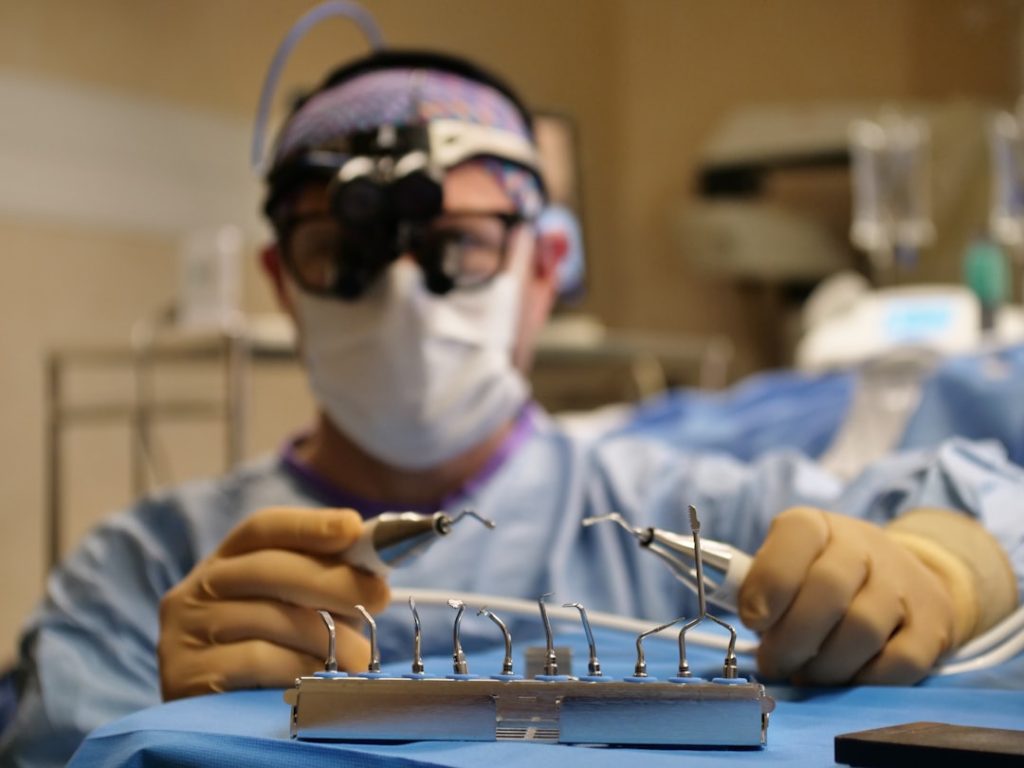
Plastic surgery clinical trials are structured research studies designed to evaluate the safety and effectiveness of new surgical techniques, devices, or medications in the field of plastic and reconstructive surgery. These trials are essential for advancing medical knowledge and improving patient outcomes. They often involve a diverse range of procedures, from cosmetic enhancements like breast augmentation and rhinoplasty to reconstructive surgeries aimed at restoring function and appearance after trauma or illness.
The trials are typically conducted in phases, each with specific objectives, methodologies, and participant criteria. The process begins with preclinical studies, which may involve laboratory research or animal testing to gather preliminary data on the safety and efficacy of a new intervention. Once sufficient evidence is gathered, researchers can move to human trials, which are divided into phases.

Phase I trials focus on safety and dosage, Phase II trials assess efficacy and side effects, and Phase III trials compare the new intervention against standard treatments. Each phase is crucial for ensuring that any new procedure or device is not only effective but also safe for human use.
Key Takeaways
- Plastic surgery clinical trials help advance new techniques and improve patient outcomes.
- Participants may gain access to cutting-edge treatments and expert medical care.
- Finding trials nearby involves using online databases and consulting healthcare providers.
- Eligibility criteria and potential risks must be carefully reviewed before enrolling.
- Ongoing research and innovation continue to shape the future of plastic surgery treatments.
Benefits of Participating in Plastic Surgery Clinical Trials

Participating in plastic surgery clinical trials can offer numerous advantages for individuals considering surgical interventions. One of the most significant benefits is access to cutting-edge treatments that may not yet be available to the general public. Participants often receive the latest surgical techniques or innovative devices that have shown promise in preliminary studies.
This access can be particularly appealing for patients seeking solutions for complex issues that traditional methods may not adequately address. Moreover, participants in clinical trials typically receive comprehensive medical care throughout the study. This includes regular monitoring by healthcare professionals, which can lead to early detection of potential complications or side effects.
Additionally, many trials cover the costs associated with the procedure, including pre-operative assessments, the surgery itself, and post-operative follow-ups. This financial aspect can alleviate some of the burdens associated with elective surgeries, making it a more viable option for individuals who may otherwise hesitate due to cost concerns.
How to Find Plastic Surgery Clinical Trials Near Me
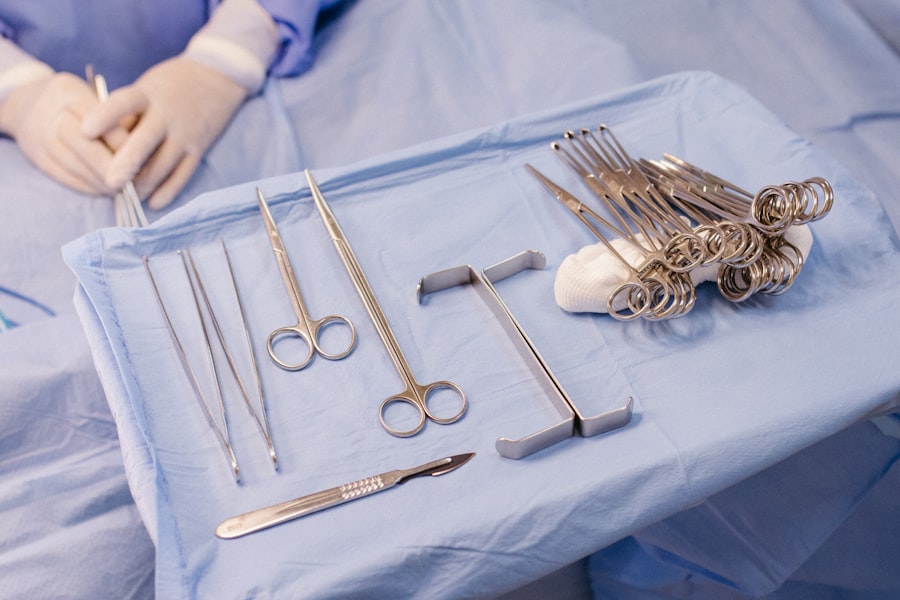
Finding plastic surgery clinical trials in your area can be a straightforward process if you know where to look. One of the most effective methods is to consult clinical trial registries such as ClinicalTrials.gov, a comprehensive database maintained by the U.S. National Library of Medicine. This resource allows users to search for trials based on location, condition, and other criteria. By entering relevant keywords related to plastic surgery and your geographical area, you can identify ongoing studies that may be suitable for you. In addition to online registries, local hospitals and academic medical centers often conduct their own clinical trials. Reaching out to these institutions directly can provide insights into any upcoming studies they may be hosting. Many hospitals have dedicated research departments that can assist potential participants in understanding the trials available and the specific requirements for enrollment. Furthermore, consulting with your primary care physician or a specialist in plastic surgery can also yield valuable information about current clinical trials that align with your needs.
What to Expect When Participating in a Plastic Surgery Clinical Trial
When you decide to participate in a plastic surgery clinical trial, it is essential to understand what the experience will entail. Initially, you will undergo a thorough screening process to determine your eligibility for the study. This may include medical history assessments, physical examinations, and various diagnostic tests.
The purpose of this screening is to ensure that you meet the specific criteria set forth by the researchers and that participation will not pose undue risk to your health. Once enrolled, participants can expect a structured timeline that outlines each phase of the trial. This includes pre-operative consultations where you will discuss the procedure in detail with the research team, including potential risks and benefits.
During the trial, you will receive regular follow-up appointments to monitor your recovery and assess outcomes based on predefined metrics. It is crucial to maintain open communication with the research team throughout this process, as they will rely on your feedback and experiences to evaluate the intervention’s effectiveness.
Criteria for Participating in Plastic Surgery Clinical Trials
| Trial Name | Location | Phase | Condition | Enrollment Status | Estimated Enrollment | Start Date | Contact |
|---|---|---|---|---|---|---|---|
| Breast Reconstruction Outcomes Study | New York, NY | Phase 3 | Post-Mastectomy Reconstruction | Recruiting | 150 | 2023-09-01 | nyclinic@example.com |
| Facial Fat Grafting for Scar Revision | Los Angeles, CA | Phase 2 | Facial Scarring | Active, not recruiting | 80 | 2022-11-15 | laclinic@example.com |
| Minimally Invasive Rhinoplasty Techniques | Chicago, IL | Phase 1 | Nasal Deformities | Recruiting | 60 | 2024-01-10 | chicagoclinic@example.com |
| Autologous Fat Transfer for Hand Rejuvenation | Houston, TX | Phase 2 | Hand Aging | Recruiting | 100 | 2023-12-05 | houstonclinic@example.com |
| Scar Reduction with Silicone Gel Sheets | Miami, FL | Phase 3 | Hypertrophic Scars | Completed | 200 | 2021-06-20 | miamiclinic@example.com |
Eligibility criteria for plastic surgery clinical trials can vary significantly depending on the specific study’s goals and design. Common factors considered include age, gender, overall health status, and specific medical conditions related to the surgical procedure being tested. For instance, some trials may only accept participants within a certain age range or those who have not undergone previous surgeries in the targeted area.
In addition to demographic factors, researchers often look for specific clinical characteristics that align with their study objectives. For example, if a trial is investigating a new technique for breast reconstruction after mastectomy, it may require participants who have recently undergone this procedure. Conversely, other studies might focus on cosmetic enhancements and seek individuals who are considering elective surgeries for aesthetic reasons.
Understanding these criteria is vital for potential participants as it helps them assess their suitability for various trials.
Risks and Considerations of Participating in Plastic Surgery Clinical Trials
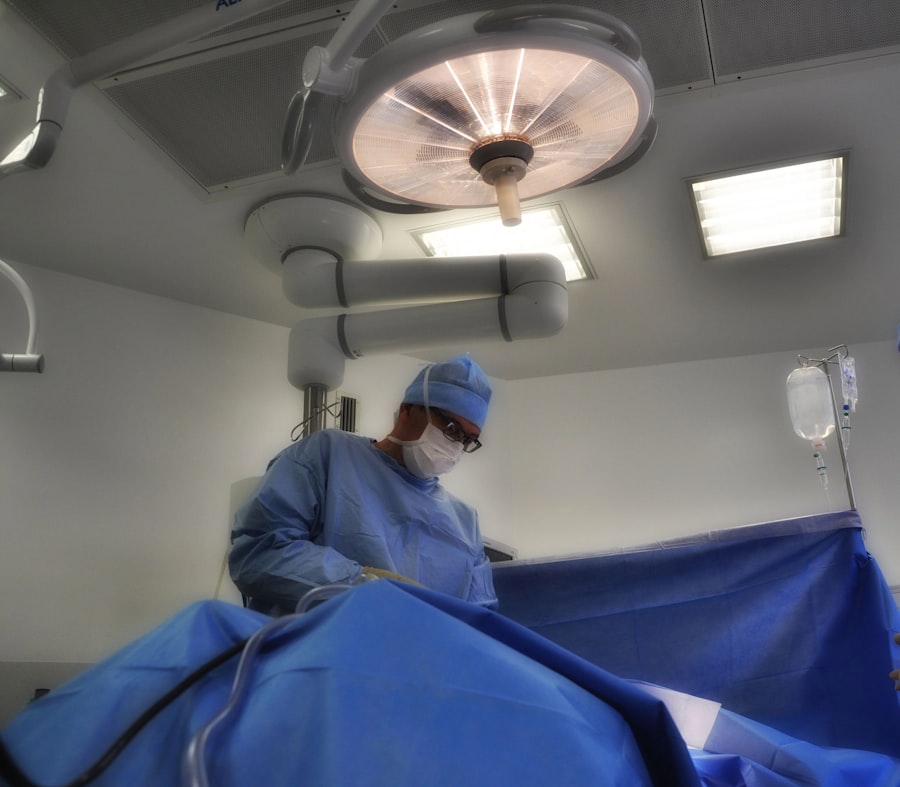
While participating in plastic surgery clinical trials can offer numerous benefits, it is essential to consider the potential risks involved. One primary concern is that experimental procedures may not have undergone extensive testing prior to human trials, which could lead to unforeseen complications or adverse effects. Participants should be aware that they may experience outcomes that differ from those anticipated based on existing standard practices.
Additionally, there may be psychological implications associated with participating in a clinical trial. The uncertainty surrounding experimental treatments can lead to anxiety or stress for some individuals. It is crucial for potential participants to weigh these emotional factors alongside the physical risks when deciding whether to enroll in a study.
Engaging in open discussions with healthcare providers about these concerns can help individuals make informed decisions regarding their participation.
Resources for Finding Plastic Surgery Clinical Trials Near Me
In addition to ClinicalTrials.gov, several other resources can assist individuals in locating plastic surgery clinical trials near them. Professional organizations such as the American Society of Plastic Surgeons (ASPS) often provide information about ongoing research initiatives and clinical studies within their network of accredited surgeons and institutions. Their website may feature listings of current trials or links to resources where patients can learn more about participation opportunities.
Local universities and medical schools frequently conduct research studies as part of their training programs for residents and fellows in plastic surgery. These institutions often have dedicated research offices that maintain databases of ongoing clinical trials. By contacting these offices directly or visiting their websites, individuals can access valuable information about studies being conducted in their area.
The Future of Plastic Surgery Clinical Trials
The landscape of plastic surgery clinical trials is evolving rapidly due to advancements in technology and an increasing emphasis on personalized medicine. As researchers continue to explore innovative techniques and materials, future trials are likely to focus on minimally invasive procedures that offer quicker recovery times and reduced complications. For instance, studies investigating the use of 3D printing technology for custom implants or grafts are already underway, promising significant improvements in patient outcomes.
Moreover, the integration of artificial intelligence (AI) into clinical research is poised to revolutionize how plastic surgery trials are designed and conducted. AI algorithms can analyze vast amounts of data from previous studies to identify trends and predict outcomes more accurately than traditional methods. This capability could lead to more efficient trial designs that require fewer participants while still yielding robust results.
As patient-centered care continues to gain traction within healthcare systems worldwide, future plastic surgery clinical trials will likely prioritize patient-reported outcomes alongside traditional clinical metrics. This shift will ensure that research not only focuses on technical success but also considers patients’ quality of life and satisfaction with their surgical results. By embracing these changes, plastic surgery clinical trials will play a pivotal role in shaping the future of surgical practice and enhancing patient care across diverse populations.
