
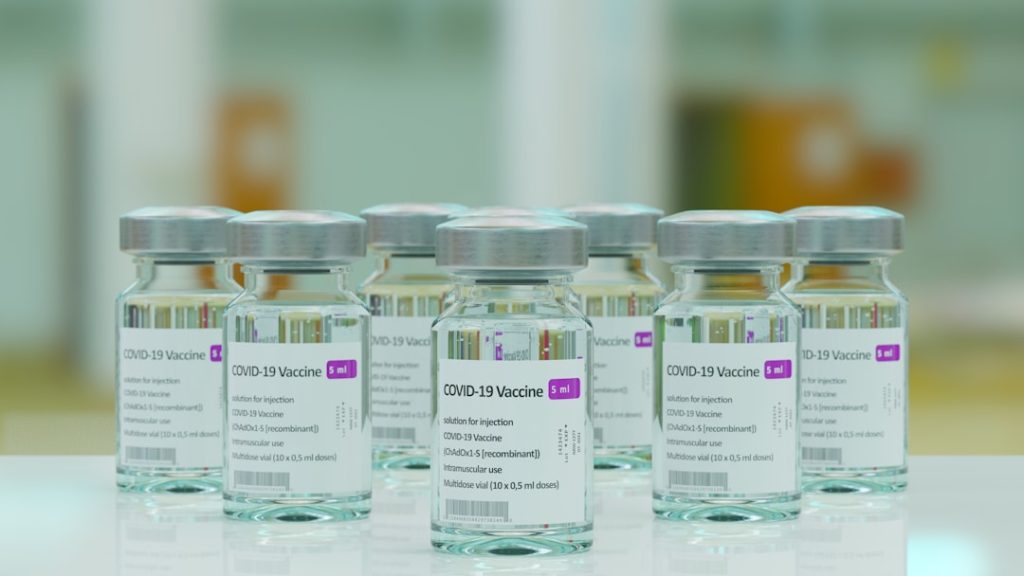
Clinical trials serve as the cornerstone of modern medical research, providing the necessary framework to evaluate the safety and efficacy of new treatments, drugs, and medical devices. These meticulously designed studies are essential for translating scientific discoveries into tangible health benefits for patients. By rigorously testing hypotheses in controlled environments, clinical trials help to ensure that new interventions are not only effective but also safe for public use.
The process involves multiple phases, each designed to answer specific questions about a treatment’s performance, ranging from its pharmacokinetics to its long-term effects on patient health. Moreover, clinical trials contribute significantly to the body of medical knowledge. They allow researchers to gather data that can lead to breakthroughs in understanding diseases and their mechanisms.

For instance, the development of targeted therapies for cancer has been largely driven by insights gained from clinical trials that explore the genetic and molecular underpinnings of tumors. As a result, these trials not only pave the way for new treatments but also enhance our understanding of existing conditions, ultimately leading to improved patient outcomes and more personalized approaches to healthcare.
Key Takeaways
- Clinical trials are essential for medical progress and improving patient outcomes.
- Roche prioritizes innovation, ethics, and regulatory compliance in its clinical trial processes.
- Patient involvement is central to Roche’s clinical trial design and execution.
- Advanced technology and data analysis enhance the efficiency and accuracy of Roche’s trials.
- Collaborations and future developments aim to further improve treatment options and patient care.
Roche’s Commitment to Innovation in Clinical Trials

Roche has established itself as a leader in the pharmaceutical and biotechnology sectors, with a strong commitment to innovation in clinical trials. The company recognizes that the landscape of medical research is constantly evolving, necessitating a proactive approach to trial design and execution. Roche invests heavily in research and development, channeling resources into innovative methodologies that enhance the efficiency and effectiveness of clinical trials.
This includes adopting adaptive trial designs that allow for modifications based on interim results, thereby optimizing patient recruitment and resource allocation. In addition to methodological innovations, Roche is at the forefront of integrating cutting-edge technologies into its clinical trial processes. The company leverages digital tools and platforms to streamline data collection and analysis, ensuring that trials are not only faster but also more reliable.
For example, Roche has embraced remote monitoring technologies that enable real-time data capture from patients, reducing the burden of site visits and enhancing patient engagement. This commitment to innovation reflects Roche’s understanding that the future of clinical trials lies in harnessing technology to improve both the research process and patient experiences.
The Role of Patients in Roche Clinical Trials

Patients are not merely subjects in clinical trials; they are integral partners in the research process. Roche places a strong emphasis on patient involvement, recognizing that their insights and experiences can significantly enhance the design and execution of trials. By engaging patients early in the trial design phase, Roche can better understand their needs, preferences, and concerns, leading to more patient-centered research initiatives.
This collaborative approach fosters trust and transparency, which are crucial for successful recruitment and retention of participants. Furthermore, Roche actively seeks to empower patients by providing them with comprehensive information about the trials they may participate in. This includes clear explanations of the trial’s purpose, potential risks, and expected benefits.
By ensuring that patients are well-informed, Roche not only enhances their understanding but also encourages informed decision-making. Additionally, Roche has implemented various initiatives aimed at improving patient access to clinical trials, such as simplifying eligibility criteria and utilizing digital platforms for recruitment. This focus on patient-centricity is essential for advancing medical research while respecting the rights and needs of those who contribute to it.
Roche’s Focus on Ethical and Regulatory Compliance in Clinical Trials
Ethical considerations are paramount in clinical research, and Roche is deeply committed to upholding the highest standards of ethical conduct in its clinical trials. The company adheres strictly to regulatory guidelines set forth by authorities such as the U.S. Food and Drug Administration (FDA) and the European Medicines Agency (EMA).
This compliance ensures that all trials are conducted with integrity, prioritizing participant safety and welfare above all else. Roche’s robust ethical framework includes thorough review processes by independent ethics committees, which evaluate trial protocols to ensure they meet ethical standards before initiation. In addition to regulatory compliance, Roche emphasizes transparency throughout the clinical trial process.
The company is dedicated to sharing trial results with the scientific community and the public, regardless of whether outcomes are positive or negative. This commitment to transparency not only fosters trust among stakeholders but also contributes to the broader scientific discourse by allowing other researchers to learn from Roche’s findings. By prioritizing ethical considerations and regulatory compliance, Roche reinforces its reputation as a responsible leader in clinical research.
Advancements in Technology and Data Analysis in Roche Clinical Trials
| Trial Name | Phase | Indication | Enrollment | Status | Primary Endpoint | Start Date | Estimated Completion |
|---|---|---|---|---|---|---|---|
| IMpassion130 | Phase III | Triple-negative breast cancer | 902 | Completed | Progression-free survival | 2016-07 | 2018-12 |
| FLAURA | Phase III | Non-small cell lung cancer (NSCLC) | 556 | Completed | Progression-free survival | 2014-12 | 2017-11 |
| MAIA | Phase III | Multiple myeloma | 737 | Completed | Progression-free survival | 2015-06 | 2018-09 |
| HER2CLIMB | Phase III | HER2-positive breast cancer | 612 | Completed | Progression-free survival | 2016-03 | 2019-05 |
| ROCHE-AML-001 | Phase II | Acute myeloid leukemia | 150 | Recruiting | Overall survival | 2022-01 | 2025-12 |
The integration of advanced technology into clinical trials has revolutionized how data is collected, analyzed, and interpreted. Roche has been at the forefront of this transformation, utilizing innovative tools such as artificial intelligence (AI) and machine learning (ML) to enhance data analysis capabilities. These technologies enable researchers to sift through vast amounts of data quickly, identifying patterns and insights that would be challenging to discern through traditional methods.
For instance, AI algorithms can analyze patient responses in real-time, allowing for more dynamic adjustments to trial protocols based on emerging trends. Moreover, Roche employs sophisticated data management systems that facilitate seamless data integration from various sources, including electronic health records (EHRs) and wearable devices. This holistic approach to data collection not only improves the accuracy of trial results but also enhances patient monitoring throughout the study duration.
By leveraging technology for data analysis, Roche can make informed decisions that drive trial efficiency while ensuring that patient safety remains a top priority.
The Impact of Roche Clinical Trials on Patient Care and Treatment

The outcomes of Roche’s clinical trials have far-reaching implications for patient care and treatment paradigms across various therapeutic areas. By rigorously testing new therapies and interventions, Roche contributes to the development of groundbreaking treatments that can significantly improve patient outcomes. For example, clinical trials conducted by Roche have led to advancements in oncology treatments that target specific genetic mutations within tumors, offering patients more personalized options compared to traditional chemotherapy.
Additionally, Roche’s commitment to post-marketing surveillance ensures that once a treatment is approved, its long-term effects continue to be monitored in real-world settings. This ongoing evaluation allows for adjustments in treatment protocols based on emerging evidence from diverse patient populations. As a result, Roche’s clinical trials not only advance scientific knowledge but also translate into tangible benefits for patients by providing them with access to innovative therapies that enhance their quality of life.
Collaborations and Partnerships in Roche Clinical Trials
Collaboration is a key component of successful clinical research, and Roche actively seeks partnerships with academic institutions, healthcare organizations, and other industry stakeholders. These collaborations foster an environment of shared knowledge and resources, ultimately enhancing the quality and scope of clinical trials. For instance, partnerships with universities allow Roche to tap into cutting-edge research while providing academic institutions with access to funding and expertise necessary for conducting large-scale studies.
Moreover, Roche collaborates with patient advocacy groups to ensure that the voices of patients are heard throughout the research process. These partnerships help identify unmet medical needs and prioritize research efforts accordingly. By working together with various stakeholders, Roche can design more effective clinical trials that address real-world challenges faced by patients and healthcare providers alike.
Future Directions and Developments in Roche Clinical Trials
Looking ahead, Roche is poised to continue its leadership role in clinical trials by embracing emerging trends and technologies that will shape the future of medical research. One area of focus is the increasing use of decentralized clinical trials (DCTs), which leverage digital tools to conduct studies remotely. This approach not only enhances patient convenience but also broadens access to diverse populations who may otherwise face barriers to participation.
Additionally, Roche is exploring the potential of real-world evidence (RWE) in informing clinical trial design and regulatory decision-making. By integrating RWE into their research framework, Roche can gain insights from actual patient experiences outside controlled trial environments, leading to more relevant findings that reflect everyday clinical practice. As these developments unfold, Roche remains committed to advancing medicine through innovative clinical trials that prioritize patient safety, ethical standards, and scientific integrity.
