

Phase One clinical trials represent a critical juncture in the drug development process, serving as the first step in evaluating the safety and pharmacokinetics of new therapeutic agents in human subjects. These trials are typically conducted after extensive preclinical research, which includes laboratory studies and animal testing. The transition from bench to bedside is marked by the initiation of Phase One trials, where the primary focus is on assessing how a drug behaves in the human body.
This phase is essential for determining whether a new treatment is safe enough to proceed to further testing in larger populations. The design of Phase One trials is often characterized by a small number of participants, usually ranging from 20 to 100 individuals. This limited cohort allows researchers to closely monitor the effects of the drug and gather preliminary data on its safety profile.

The trials are typically conducted in specialized clinical research facilities, where participants can be observed continuously. The significance of Phase One trials cannot be overstated; they lay the groundwork for subsequent phases of clinical research, which will further explore the efficacy and broader safety of the drug in larger and more diverse populations.
Key Takeaways
- Phase One clinical trials primarily assess the safety and dosage of new treatments in a small group of participants.
- Participants must meet specific eligibility criteria to ensure safety and reliability of results.
- Informed consent is crucial, ensuring participants understand potential risks and benefits before enrolling.
- Continuous monitoring and data collection are essential to track adverse effects and treatment responses.
- Outcomes from Phase One trials guide future research phases and the development of new therapies.
The Purpose of Phase One Clinical Trials

The primary objective of Phase One clinical trials is to evaluate the safety of a new drug or treatment. Researchers aim to identify any adverse effects that may arise from the administration of the drug, as well as to determine the appropriate dosage range. This phase is crucial for establishing a safe starting dose for future trials, which will involve larger groups of patients.
By carefully monitoring participants for side effects and other reactions, researchers can gather vital information that informs subsequent phases of clinical development. In addition to safety assessments, Phase One trials also focus on pharmacokinetics—the study of how a drug is absorbed, distributed, metabolized, and excreted by the body. Understanding these parameters is essential for determining how the drug behaves within the human system.
For instance, researchers may analyze blood samples at various intervals to measure drug concentrations and understand how long it remains active in the body. This information helps in optimizing dosing regimens and can influence decisions about how the drug will be administered in later phases.
Eligibility Criteria for Participants
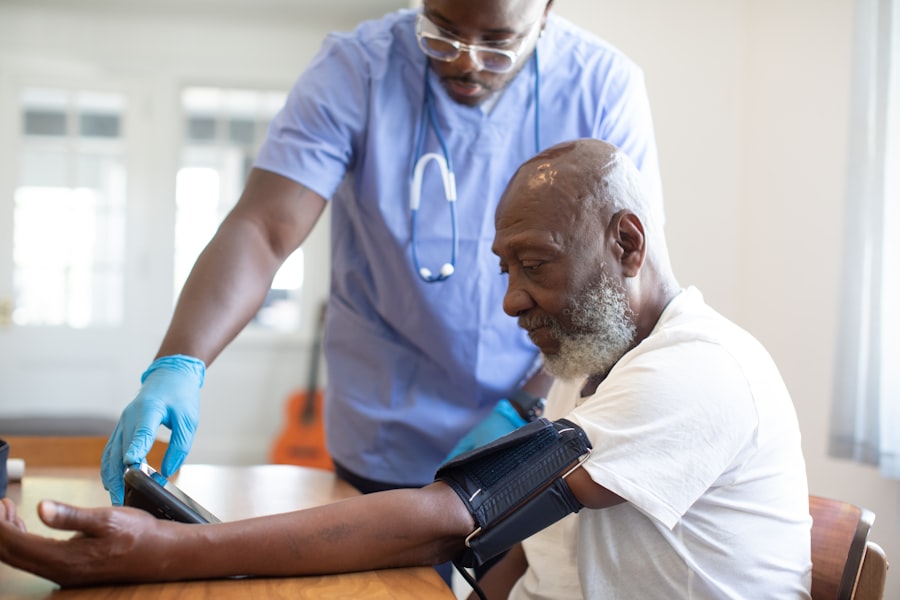
Eligibility criteria for participants in Phase One clinical trials are meticulously defined to ensure that the study population is appropriate for the research objectives. Typically, these criteria include age, health status, and medical history. For instance, many Phase One trials require participants to be healthy adults, often between the ages of 18 and 55, who do not have any significant underlying health conditions that could confound the results.
This focus on healthy volunteers allows researchers to isolate the effects of the drug without interference from pre-existing medical issues. In some cases, however, Phase One trials may include patients with specific conditions if the drug being tested is intended for a particular disease. In such instances, eligibility criteria will be tailored to include individuals who meet certain diagnostic criteria while still ensuring that they are not at an elevated risk for adverse effects due to their condition.
Additionally, potential participants are often screened for factors such as pregnancy status, use of other medications, and lifestyle choices like smoking or alcohol consumption, all of which could impact the trial’s outcomes.
Potential Risks and Benefits
Participating in a Phase One clinical trial carries both potential risks and benefits for individuals involved. On one hand, there is an inherent risk associated with receiving an experimental treatment that has not yet been proven safe or effective in humans. Adverse effects can range from mild reactions, such as headaches or nausea, to more severe complications that may require medical intervention.
The uncertainty surrounding these risks is a significant consideration for potential participants when deciding whether to enroll in a trial. Conversely, there are also potential benefits for participants in Phase One trials. Individuals may gain access to cutting-edge treatments that are not yet available to the general public, which can be particularly appealing for those with limited options due to their medical conditions.
Additionally, participants contribute to scientific knowledge that may ultimately lead to new therapies benefiting future patients. The altruistic aspect of participating in research can be a motivating factor for many individuals, as they recognize their role in advancing medical science.
The Role of Informed Consent
| Metric | Description | Typical Range/Value |
|---|---|---|
| Number of Participants | Number of healthy volunteers or patients enrolled | 20 – 100 |
| Primary Objective | Assess safety, tolerability, and pharmacokinetics | Safety and dosage determination |
| Duration | Length of the trial from first dose to last follow-up | Several weeks to a few months |
| Dosage Levels | Range of doses tested to determine maximum tolerated dose | Multiple ascending doses |
| Adverse Events | Number and severity of side effects observed | Monitored and recorded for safety assessment |
| Pharmacokinetics (PK) | Measurement of drug absorption, distribution, metabolism, and excretion | Blood plasma concentration over time |
| Pharmacodynamics (PD) | Biological effects of the drug on the body | Biomarker changes or physiological responses |
| Trial Design | Type of study design used | Open-label, dose-escalation, randomized |
Informed consent is a cornerstone of ethical clinical research and plays a pivotal role in Phase One clinical trials. Before enrolling in a trial, potential participants must be provided with comprehensive information about the study’s purpose, procedures, potential risks, and benefits. This process ensures that individuals can make an informed decision about their participation based on a clear understanding of what is involved.
The informed consent process typically involves a detailed discussion between the participant and the research team, often accompanied by written materials that outline key information about the trial. Participants are encouraged to ask questions and seek clarification on any aspects they do not understand. It is essential that consent is obtained voluntarily without any coercion or undue influence.
This ethical obligation not only protects participants but also upholds the integrity of the research process by ensuring that individuals are fully aware of their rights and responsibilities throughout the trial.
The Process of Conducting a Phase One Clinical Trial

Conducting a Phase One clinical trial involves several key steps that must be meticulously planned and executed to ensure scientific rigor and participant safety. Initially, researchers develop a detailed protocol outlining the study’s objectives, design, methodology, and statistical analysis plan. This protocol must be approved by regulatory authorities and an institutional review board (IRB) before any participant recruitment can begin.
Once approval is obtained, researchers begin recruiting participants based on the established eligibility criteria. After enrollment, participants undergo baseline assessments to evaluate their health status before receiving the experimental treatment. The administration of the drug is closely monitored, often involving multiple doses over several days or weeks.
Throughout this period, researchers collect data on any adverse effects experienced by participants and conduct regular health assessments to ensure their well-being.
Monitoring and Data Collection
Monitoring and data collection are integral components of Phase One clinical trials, as they provide essential insights into the safety and pharmacokinetics of the investigational drug. Researchers employ various methods to track participants’ health status and any adverse events that may occur during the trial. This monitoring often includes regular physical examinations, laboratory tests, and imaging studies as needed.
Data collection typically involves both qualitative and quantitative measures. Researchers may use standardized questionnaires to assess participants’ experiences with side effects or quality of life during the trial. Additionally, pharmacokinetic data is gathered through blood samples taken at predetermined intervals to analyze how the drug is metabolized over time.
This comprehensive approach ensures that researchers have a robust dataset to evaluate both safety and efficacy as they prepare for subsequent phases of clinical development.
Future Implications and Next Steps
The outcomes of Phase One clinical trials have significant implications for the future of drug development and patient care. If a new treatment demonstrates an acceptable safety profile and favorable pharmacokinetics during this initial phase, it can progress to Phase Two trials, where its efficacy will be evaluated in larger patient populations. Successful transition through these phases can ultimately lead to regulatory approval and availability of new therapies for patients in need.
Moreover, insights gained from Phase One trials can inform future research directions and improve clinical trial designs across various therapeutic areas. As researchers analyze data from these early studies, they may identify specific patient populations that could benefit most from a new treatment or uncover biomarkers that predict response to therapy. This knowledge not only enhances our understanding of disease mechanisms but also paves the way for more personalized approaches to medicine in the future.
In conclusion, Phase One clinical trials serve as a vital foundation in the journey from laboratory discovery to clinical application. They provide essential data on safety and pharmacokinetics while ensuring ethical standards are upheld through informed consent processes. As we continue to advance our understanding of human health and disease through research, Phase One trials will remain an indispensable component of medical innovation.
