

Clinical trials serve as the cornerstone of modern medical research, providing the necessary framework to evaluate the safety and efficacy of new treatments, drugs, and medical devices. These meticulously designed studies are essential for translating scientific discoveries into tangible health benefits for patients. By rigorously testing hypotheses in controlled environments, clinical trials help to ensure that new interventions are not only effective but also safe for public use.
The significance of these trials cannot be overstated; they are the bridge between laboratory research and clinical practice, enabling healthcare professionals to make informed decisions based on empirical evidence. Moreover, clinical trials play a critical role in the continuous evolution of medical knowledge. They allow researchers to explore new therapeutic avenues, assess the long-term effects of treatments, and identify potential side effects that may not have been evident in earlier phases of research.

This iterative process of testing and refinement is vital for advancing medicine, as it fosters innovation and encourages the development of novel therapies that can address unmet medical needs. The insights gained from clinical trials not only enhance our understanding of diseases but also pave the way for personalized medicine, where treatments can be tailored to individual patient profiles based on genetic, environmental, and lifestyle factors.
Key Takeaways
- Clinical trials are essential for developing new and effective medical treatments.
- Roche plays a significant role in advancing medical research through extensive clinical trials.
- Participants in Roche’s clinical trials are crucial for the success and progress of medical innovations.
- Ethical standards are strictly maintained to ensure the safety and rights of clinical trial participants.
- Roche’s ongoing research promises future medical breakthroughs that can greatly improve patient care.
Roche’s Contribution to Medical Research and Development

Roche, a global leader in pharmaceuticals and diagnostics, has made significant contributions to medical research and development over the years. With a strong commitment to innovation, Roche invests heavily in research initiatives aimed at discovering new therapies for a wide range of diseases, including cancer, autoimmune disorders, and infectious diseases. The company’s dedication to advancing healthcare is evident in its robust pipeline of clinical trials, which encompass both novel drug development and the exploration of combination therapies that leverage existing treatments to enhance patient outcomes.
One of Roche’s notable achievements is its pioneering work in oncology. The company has developed several groundbreaking cancer therapies that have transformed treatment paradigms and improved survival rates for patients with various types of cancer. For instance, the introduction of targeted therapies such as trastuzumab (Herceptin) for HER2-positive breast cancer has revolutionized treatment options and significantly improved prognosis for affected individuals.
Roche’s commitment to understanding the molecular underpinnings of cancer has led to the identification of biomarkers that can guide treatment decisions, ensuring that patients receive the most appropriate therapies based on their unique tumor characteristics.
Understanding the Process of Clinical Trials
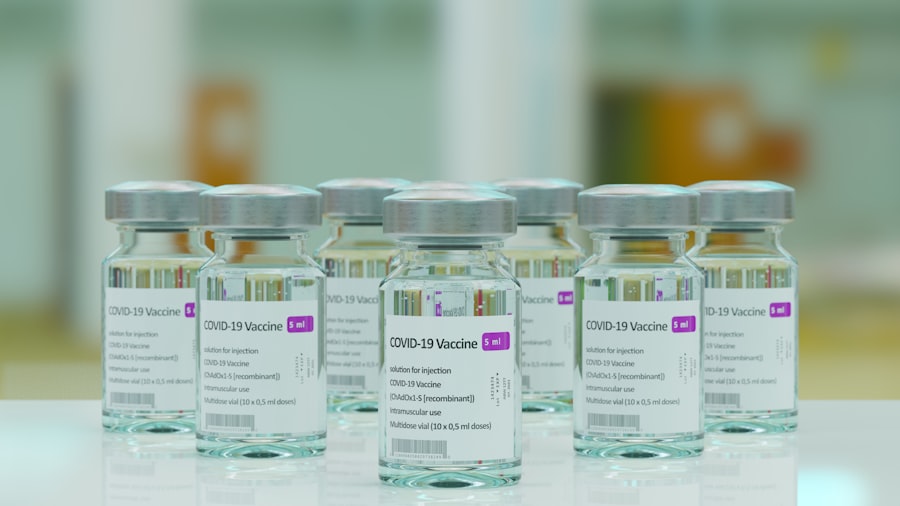
The process of conducting clinical trials is complex and involves several distinct phases, each designed to answer specific research questions while ensuring participant safety. Clinical trials typically progress through four phases: Phase I focuses on assessing safety and dosage in a small group of healthy volunteers; Phase II evaluates the efficacy and side effects in a larger group of patients; Phase III involves large-scale testing to confirm effectiveness and monitor adverse reactions; and Phase IV occurs post-marketing to gather additional information about long-term effects and optimal use. Each phase is meticulously planned and executed, adhering to strict regulatory guidelines set forth by organizations such as the U.S.
Food and Drug Administration (FDA) and the European Medicines Agency (EMA). Before a trial can commence, researchers must submit a detailed protocol outlining the study design, objectives, methodology, and statistical analysis plan. This protocol undergoes rigorous review by institutional review boards (IRBs) to ensure ethical standards are met and that participants’ rights are protected.
Once approved, recruitment begins, often involving outreach to healthcare providers and patient advocacy groups to identify eligible participants who meet specific inclusion criteria.
The Impact of Roche’s Clinical Trials on Patient Care
Roche’s clinical trials have had a profound impact on patient care by introducing innovative therapies that address critical health challenges. The company’s focus on precision medicine has led to the development of targeted treatments that not only improve survival rates but also enhance the quality of life for patients. For example, Roche’s clinical trials have contributed to the advancement of immunotherapy approaches that harness the body’s immune system to fight cancer more effectively.
These therapies have shown remarkable success in treating previously hard-to-manage cancers, offering new hope to patients who may have exhausted all other treatment options. Additionally, Roche’s commitment to patient-centric research ensures that the needs and preferences of patients are at the forefront of clinical trial design. By incorporating patient feedback into trial protocols and outcomes assessments, Roche aims to create studies that are more relevant and meaningful to those affected by diseases.
This approach not only enhances patient engagement but also fosters a sense of ownership among participants, as they contribute to research that may ultimately benefit themselves and others facing similar health challenges.
The Role of Participants in Roche Clinical Trials
| Trial Name | Phase | Indication | Number of Participants | Start Date | Status |
|---|---|---|---|---|---|
| IMpassion130 | Phase III | Triple-negative breast cancer | 902 | 2016-07 | Completed |
| FLAIR | Phase III | Chronic lymphocytic leukemia | 754 | 2014-12 | Completed |
| MAHOGANY | Phase II/III | Gastric cancer | 400 | 2019-05 | Recruiting |
| HER2CLIMB | Phase II | HER2-positive breast cancer | 612 | 2016-10 | Completed |
| ROCHE-AML-001 | Phase I/II | Acute myeloid leukemia | 120 | 2020-03 | Ongoing |
Participants play a crucial role in the success of Roche’s clinical trials, serving as the foundation upon which new medical knowledge is built. Their involvement is essential for generating data that informs treatment efficacy and safety profiles. Roche recognizes that participants are not merely subjects but partners in the research process.
As such, the company prioritizes transparency and communication throughout the trial journey, ensuring that participants are well-informed about the study’s purpose, procedures, potential risks, and benefits. Moreover, Roche actively seeks to diversify its participant pool to ensure that clinical trial results are generalizable across different populations. This commitment to inclusivity is vital for understanding how various demographic factors—such as age, gender, ethnicity, and comorbidities—can influence treatment responses.
By engaging with diverse communities and addressing barriers to participation, Roche aims to create a more representative sample that reflects the real-world patient population. This approach not only enhances the validity of trial findings but also fosters trust between researchers and communities historically underrepresented in clinical research.
Ethical Considerations in Conducting Clinical Trials
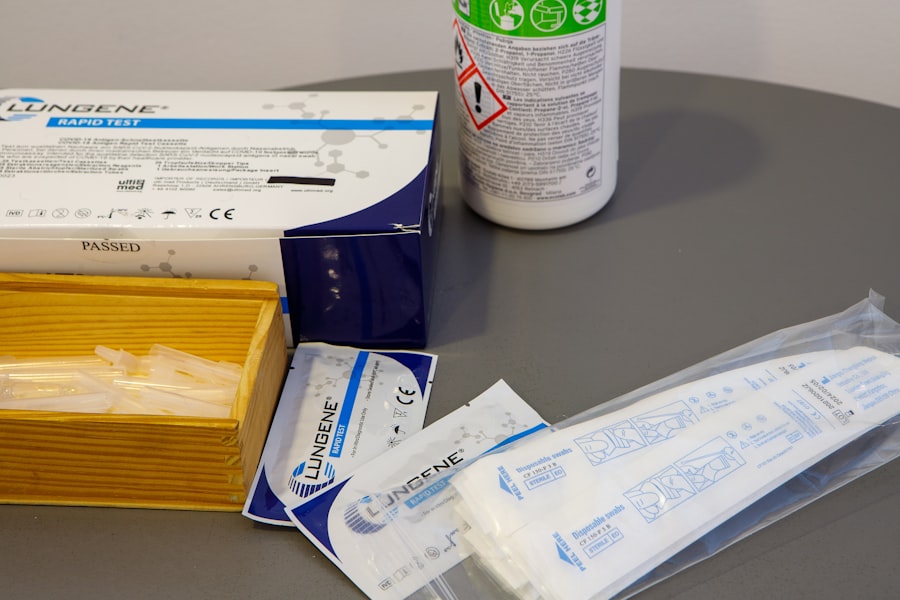
Ethical considerations are paramount in conducting clinical trials, as they involve human subjects who may be vulnerable or facing serious health challenges. Roche adheres to stringent ethical guidelines designed to protect participants’ rights and welfare throughout the research process. Informed consent is a fundamental principle; participants must be fully informed about the study’s objectives, procedures, potential risks, and benefits before agreeing to participate.
This process ensures that individuals can make autonomous decisions regarding their involvement in research. Additionally, Roche is committed to maintaining participant confidentiality and data integrity throughout the trial process. Researchers must implement robust measures to safeguard personal information while ensuring that data collected during trials is accurate and reliable.
Ethical oversight is further reinforced through regular monitoring by independent committees that assess trial progress and participant safety. These committees play a critical role in identifying any emerging safety concerns or ethical dilemmas that may arise during the course of a study.
Future Directions in Roche’s Clinical Trial Research
As Roche continues to innovate within the realm of clinical trials, several future directions are emerging that hold promise for enhancing research efficiency and patient outcomes. One significant trend is the increasing integration of digital technologies into clinical trial design and execution. The use of telemedicine, mobile health applications, and wearable devices allows for real-time monitoring of participants’ health status while reducing barriers to participation.
This shift toward decentralized clinical trials enables Roche to reach a broader audience while maintaining rigorous data collection standards. Another promising avenue is the application of artificial intelligence (AI) and machine learning in analyzing trial data. These technologies can streamline patient recruitment processes by identifying eligible candidates more efficiently while also enhancing data analysis capabilities.
By leveraging AI algorithms to predict treatment responses based on genetic profiles or other biomarkers, Roche can further refine its approach to personalized medicine, ensuring that patients receive therapies tailored specifically to their unique characteristics.
The Potential Benefits of Roche’s Advancements in Medicine
The advancements made by Roche in medical research and development have far-reaching implications for patient care and public health. By prioritizing innovation through clinical trials, Roche has been at the forefront of developing therapies that address some of the most pressing health challenges faced by society today. The introduction of targeted therapies has not only improved survival rates for patients with complex diseases but has also led to more effective management strategies that minimize side effects and enhance quality of life.
Furthermore, Roche’s commitment to ethical research practices ensures that advancements are made responsibly and with respect for participant rights. As new treatments emerge from clinical trials, they have the potential to reshape treatment landscapes across various therapeutic areas, ultimately leading to better health outcomes for patients worldwide. The ongoing collaboration between researchers, healthcare providers, patients, and regulatory bodies will continue to drive progress in medicine, with Roche playing a pivotal role in shaping the future of healthcare through its dedication to clinical trial excellence.
