

Medical monitor clinical trials are a cornerstone of modern medical research, serving as a critical bridge between laboratory discoveries and practical applications in patient care. These trials are meticulously designed studies that evaluate the safety and efficacy of new medical interventions, including drugs, devices, and treatment protocols. The role of medical monitors in these trials is pivotal; they ensure that the study adheres to regulatory standards, maintains participant safety, and collects data that is both reliable and valid.
The complexity of clinical trials necessitates a structured approach, where medical monitors oversee the trial’s progress, manage data integrity, and facilitate communication among stakeholders. The landscape of clinical trials has evolved significantly over the years, driven by advancements in technology, regulatory changes, and an increasing emphasis on patient-centered care. Medical monitors are tasked with navigating this evolving environment, ensuring that trials not only meet scientific objectives but also prioritize the well-being of participants.

As the demand for innovative therapies grows, so does the need for rigorous clinical trials that can provide the evidence necessary for regulatory approval and clinical practice. This article delves into the multifaceted role of medical monitors in clinical trials, highlighting their importance in patient care, technological advancements, challenges faced, ethical considerations, and future directions.
Key Takeaways
- Medical monitor clinical trials play a crucial role in ensuring patient safety and data accuracy during clinical research.
- Patient care is a central focus, with monitoring aimed at minimizing risks and improving treatment outcomes.
- Technological advancements have enhanced the precision and efficiency of medical monitoring in trials.
- Ethical considerations are paramount to protect patient rights and maintain trial integrity.
- Future directions include integrating innovative technologies and addressing challenges to further improve patient care in clinical trials.
Importance of Patient Care in Clinical Trials

Patient care is at the heart of clinical trials, influencing every aspect from design to execution. The primary goal of any clinical trial is to improve health outcomes for patients, making it essential that patient care considerations are integrated into the trial framework. This includes ensuring informed consent, where participants are fully educated about the trial’s purpose, procedures, potential risks, and benefits.
A well-informed participant is more likely to engage actively in their care and contribute valuable data to the study. Furthermore, patient care extends beyond the initial consent process; it encompasses ongoing support throughout the trial duration, including monitoring for adverse effects and providing timely interventions when necessary. The importance of patient care is further underscored by the need for diversity in clinical trial populations.
Historically, many trials have underrepresented certain demographic groups, leading to gaps in understanding how different populations respond to treatments. By prioritizing patient care and inclusivity, researchers can ensure that findings are applicable to a broader range of individuals. This not only enhances the validity of the trial results but also fosters trust within communities that may have been historically marginalized in medical research.
Ultimately, a focus on patient care in clinical trials can lead to more effective treatments that are tailored to meet the needs of diverse populations.
Advancements in Medical Monitoring Technology
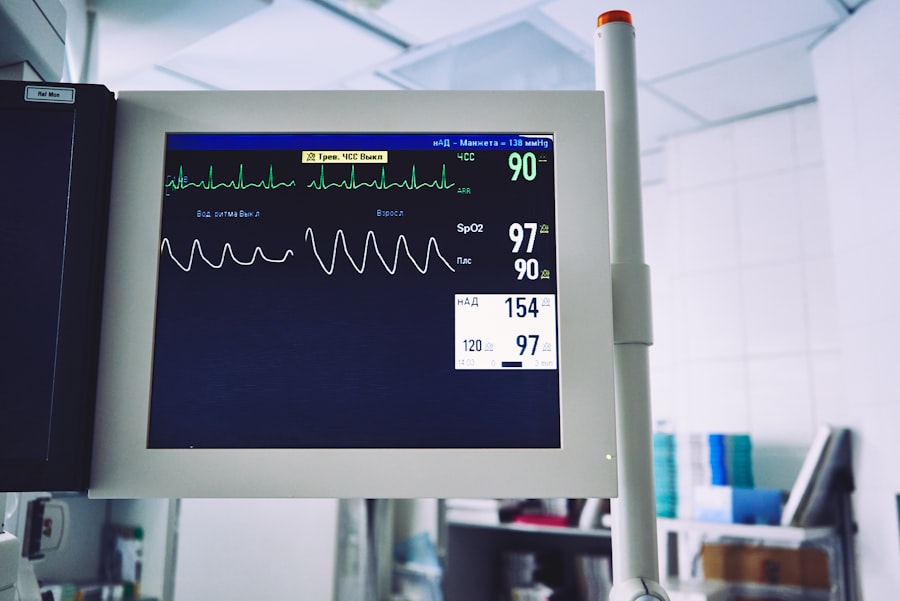
The field of medical monitoring has witnessed remarkable advancements in recent years, driven by innovations in technology that enhance data collection and analysis. One significant development is the integration of electronic health records (EHRs) with clinical trial management systems. This integration allows for real-time access to patient data, enabling medical monitors to track participant health status more effectively and respond promptly to any emerging issues.
Additionally, wearable devices and mobile health applications have revolutionized how data is collected during trials. These technologies facilitate continuous monitoring of vital signs and other health metrics outside traditional clinical settings, providing a more comprehensive view of patient well-being. Moreover, advancements in data analytics have transformed how trial data is interpreted.
Machine learning algorithms can analyze vast amounts of data quickly, identifying patterns and trends that may not be apparent through traditional statistical methods. This capability allows medical monitors to make informed decisions based on real-time insights rather than relying solely on periodic reports. Furthermore, remote monitoring technologies have become increasingly prevalent, particularly in response to the COVID-19 pandemic.
These tools enable medical monitors to conduct virtual visits and assessments, ensuring that patient care remains a priority while minimizing exposure risks. As technology continues to evolve, its integration into medical monitoring will likely enhance the efficiency and effectiveness of clinical trials.
Impact of Medical Monitor Clinical Trials on Patient Outcomes
The impact of medical monitor clinical trials on patient outcomes is profound and multifaceted. By rigorously evaluating new treatments and interventions, these trials contribute significantly to the advancement of medical knowledge and practice. For instance, consider the development of novel cancer therapies that have emerged from well-conducted clinical trials.
Medical monitors play a crucial role in ensuring that these trials adhere to strict protocols designed to safeguard participant safety while generating robust data on treatment efficacy. As a result, patients often gain access to cutting-edge therapies that may not yet be available through standard care pathways. Furthermore, the insights gained from medical monitor clinical trials can lead to improved treatment guidelines and protocols that benefit broader patient populations.
For example, findings from a trial evaluating a new diabetes medication may inform best practices for managing blood sugar levels across diverse patient demographics. This ripple effect underscores the importance of conducting high-quality clinical trials with vigilant medical monitoring; it ensures that the knowledge generated translates into tangible benefits for patients beyond those directly involved in the study. Ultimately, the relationship between medical monitor clinical trials and patient outcomes is symbiotic—effective monitoring leads to better data collection and analysis, which in turn drives improvements in patient care.
Challenges and Opportunities in Conducting Medical Monitor Clinical Trials
| Metric | Description | Typical Value/Range | Importance |
|---|---|---|---|
| Patient Enrollment Rate | Number of patients enrolled per month | 5-20 patients/month | Measures recruitment efficiency |
| Adverse Event Reporting Time | Time taken to report adverse events to sponsor | <24 hours | Ensures patient safety and regulatory compliance |
| Protocol Deviation Rate | Percentage of visits with protocol deviations | Less than 5% | Indicates trial adherence and data integrity |
| Data Query Resolution Time | Average time to resolve data queries | 3-7 days | Maintains data quality and accuracy |
| Site Monitoring Visit Frequency | Number of monitoring visits per site per trial phase | 1-2 visits/month | Ensures compliance and site support |
| Informed Consent Compliance | Percentage of patients with properly documented consent | 100% | Ethical and legal requirement |
| Data Entry Timeliness | Time from patient visit to data entry completion | <48 hours | Supports real-time data monitoring |
Conducting medical monitor clinical trials presents a unique set of challenges that can impact both the trial’s success and participant safety. One significant challenge is recruitment and retention of participants. Many potential participants may be hesitant to enroll due to concerns about side effects or the perceived burden of participation.
Additionally, logistical issues such as travel requirements for site visits can further complicate recruitment efforts. Medical monitors must develop strategies to address these concerns proactively, such as providing clear communication about trial procedures and offering flexible participation options. Despite these challenges, there are also numerous opportunities for enhancing the conduct of medical monitor clinical trials.
The rise of telemedicine has opened new avenues for participant engagement and follow-up care. By leveraging virtual platforms for consultations and assessments, medical monitors can reach a wider audience while minimizing barriers associated with traditional trial participation. Furthermore, collaborations between academic institutions, pharmaceutical companies, and regulatory agencies can foster innovation in trial design and execution.
These partnerships can lead to more efficient study protocols that prioritize patient safety while generating high-quality data.
Ethical Considerations in Medical Monitor Clinical Trials
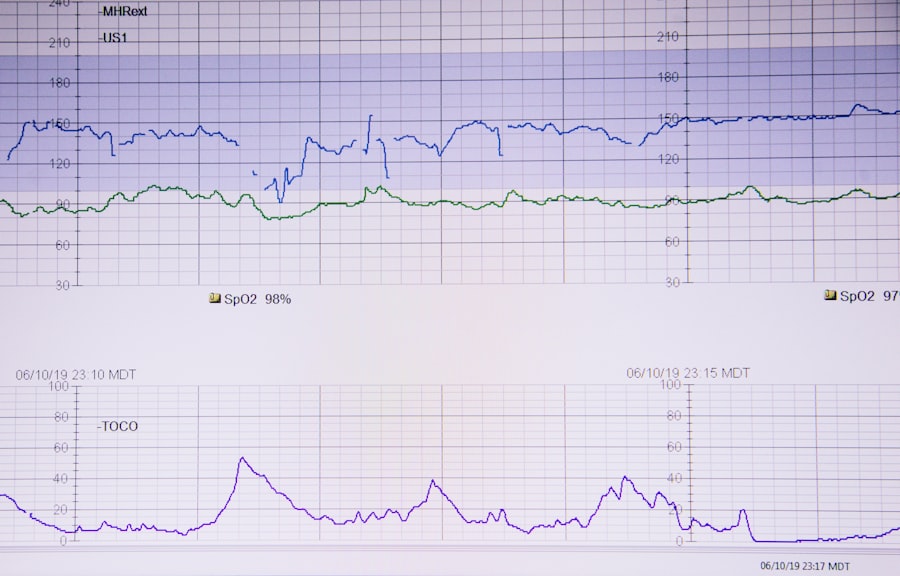
Ethical considerations are paramount in medical monitor clinical trials, as they directly influence participant safety and trust in the research process. Informed consent is one of the most critical ethical components; participants must be fully aware of what their involvement entails before agreeing to participate. This includes understanding potential risks associated with the intervention being studied as well as their rights as participants.
Medical monitors play an essential role in ensuring that informed consent processes are transparent and comprehensive. Another ethical consideration involves the equitable selection of participants. It is crucial that clinical trials do not disproportionately burden vulnerable populations or exclude groups based on race, gender, or socioeconomic status.
Ethical guidelines emphasize the importance of diversity in trial populations to ensure that findings are applicable across different demographics. Medical monitors must advocate for inclusive practices throughout the trial process while also addressing any potential biases that may arise during participant recruitment or data analysis.
Future Directions for Medical Monitor Clinical Trials
Looking ahead, the future of medical monitor clinical trials is poised for transformation driven by technological advancements and evolving regulatory landscapes. One promising direction is the increased use of decentralized clinical trials (DCTs), which leverage digital tools to conduct research outside traditional clinical settings. DCTs offer greater flexibility for participants while enhancing data collection through remote monitoring technologies.
As this model gains traction, medical monitors will need to adapt their practices to ensure compliance with regulatory standards while maintaining participant safety. Additionally, there is a growing emphasis on personalized medicine within clinical trials. As our understanding of genetic variations and their impact on treatment responses deepens, future trials may increasingly focus on tailoring interventions to individual patients based on their unique profiles.
This shift will require medical monitors to develop new methodologies for assessing treatment efficacy across diverse genetic backgrounds while ensuring ethical considerations remain at the forefront.
The Role of Medical Monitor Clinical Trials in Improving Patient Care
Medical monitor clinical trials play an indispensable role in advancing healthcare by rigorously evaluating new treatments while prioritizing patient safety and well-being. Through their oversight and expertise, medical monitors ensure that trials adhere to ethical standards and generate reliable data that can inform clinical practice. As technology continues to evolve and reshape the landscape of clinical research, the role of medical monitors will become increasingly vital in navigating these changes while maintaining a steadfast commitment to improving patient outcomes.
The future holds immense potential for enhancing patient care through innovative approaches to clinical trials. By embracing advancements such as decentralized trial designs and personalized medicine strategies, medical monitors can help bridge the gap between research and real-world application. Ultimately, their contributions will not only facilitate the development of new therapies but also foster trust within communities—ensuring that all patients have access to safe and effective treatments tailored to their needs.
