

Clinical research trials are a cornerstone of modern medicine, serving as the bridge between laboratory discoveries and practical applications in patient care. These trials are meticulously designed studies that evaluate the safety and efficacy of new medical interventions, including drugs, devices, and treatment protocols. The primary objective of clinical trials is to gather robust evidence that can inform healthcare decisions, ultimately leading to improved patient outcomes.
The process is governed by strict ethical standards and regulatory requirements to ensure the safety of participants and the integrity of the data collected. The significance of clinical trials cannot be overstated; they are essential for advancing medical knowledge and developing innovative therapies. Each trial contributes to a larger body of evidence that shapes clinical guidelines and informs best practices in healthcare.

Moreover, clinical trials provide a structured environment for researchers to explore new hypotheses, test novel interventions, and refine existing treatments. As such, they play a pivotal role in the continuous evolution of medical science, ensuring that new therapies are not only effective but also safe for public use.
Key Takeaways
- Clinical research trials are essential for developing and validating new medical treatments.
- Preclinical testing in the lab ensures initial safety before human trials begin.
- Phase I trials assess safety in healthy volunteers, while Phase II focuses on effectiveness in patients.
- Phase III trials involve large patient groups to confirm treatment benefits and monitor side effects.
- Post-market surveillance continues to track treatment safety after regulatory approval.
Preclinical Phase: Testing in the Laboratory

Before any new treatment can be tested in humans, it undergoes a rigorous preclinical phase. This stage typically involves laboratory experiments and animal studies designed to assess the biological activity, safety, and pharmacokinetics of a potential therapeutic agent. Researchers utilize various models, including cell cultures and animal models, to simulate human physiology and disease processes.
This phase is critical for identifying any potential toxic effects and determining appropriate dosages for subsequent human trials. During the preclinical phase, scientists conduct a series of tests to evaluate how a drug behaves in the body. This includes studying its absorption, distribution, metabolism, and excretion (ADME).
For instance, researchers may use rodent models to observe how a new cancer drug affects tumor growth or how it interacts with other medications. The data gathered during this phase is crucial for designing clinical trials, as it helps researchers formulate hypotheses about how the treatment will perform in humans. Furthermore, successful completion of preclinical studies is often a prerequisite for obtaining regulatory approval to initiate clinical trials.
Phase I Clinical Trials: Testing on Healthy Volunteers
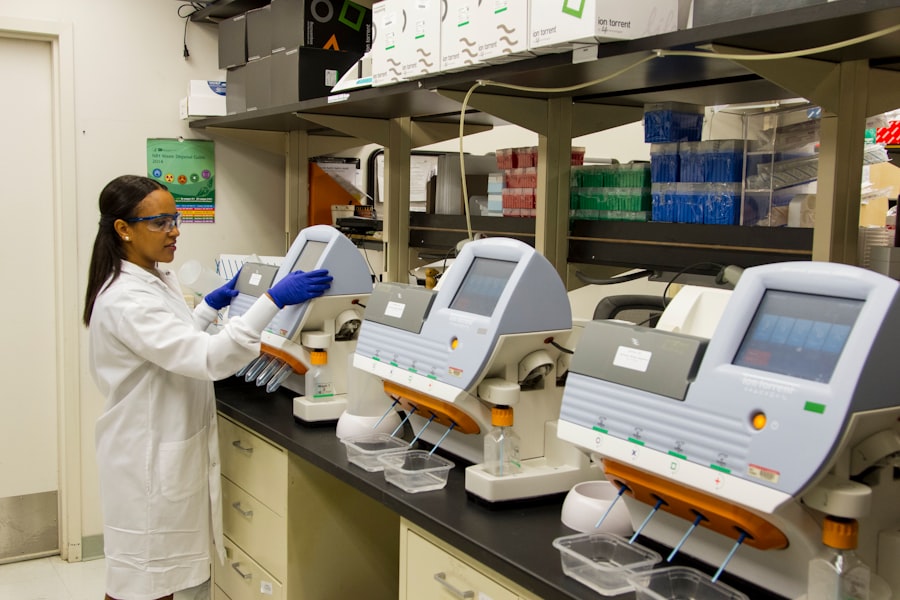
Phase I clinical trials mark the first time a new intervention is tested in humans. These trials typically involve a small group of healthy volunteers, usually ranging from 20 to 100 participants. The primary goal of Phase I trials is to assess the safety profile of the drug or treatment, including its pharmacokinetics and pharmacodynamics.
Researchers closely monitor participants for any adverse effects and gather data on how the drug is metabolized in the human body. In addition to safety assessments, Phase I trials often explore different dosing regimens to identify the optimal dose that maximizes therapeutic effects while minimizing side effects. For example, a new chemotherapy agent may be administered at varying doses to determine the maximum tolerated dose (MTD) before significant toxicity occurs.
This phase is crucial for establishing a foundation for subsequent trials, as it provides essential information about how the treatment behaves in humans and informs decisions about further development.
Phase II Clinical Trials: Testing on a Small Group of Patients
Once a treatment has demonstrated safety in Phase I trials, it progresses to Phase II trials, which involve a larger group of patients who have the condition that the treatment aims to address. Typically enrolling between 100 to 300 participants, Phase II trials focus on evaluating the efficacy of the intervention while continuing to monitor its safety. This phase is often characterized by a more structured approach to assessing outcomes, with researchers employing specific endpoints to measure the treatment’s effectiveness.
For instance, in a Phase II trial for a new diabetes medication, researchers might measure changes in blood glucose levels or insulin sensitivity among participants over a defined period. The data collected during this phase helps determine whether the treatment shows promise for further development and whether it should proceed to Phase III trials. Additionally, Phase II trials may also explore different dosing strategies or combinations with other therapies to optimize treatment regimens.
Phase III Clinical Trials: Testing on a Large Group of Patients
| Phase | Purpose | Number of Participants | Duration | Key Focus | Success Rate |
|---|---|---|---|---|---|
| Phase 0 | Microdosing to gather preliminary data on pharmacodynamics and pharmacokinetics | 10-15 | Several months | Safety and dosage | Not applicable |
| Phase I | Assess safety, dosage range, and side effects | 20-100 healthy volunteers | Several months | Safety and dosage | Approximately 70% |
| Phase II | Evaluate efficacy and side effects | 100-300 patients | Several months to 2 years | Efficacy and side effects | Approximately 33% |
| Phase III | Confirm effectiveness, monitor side effects, compare to commonly used treatments | 1,000-3,000 patients | 1-4 years | Effectiveness and safety | Approximately 25-30% |
| Phase IV | Post-marketing studies to delineate additional information including the drug’s risks, benefits, and optimal use | Various (thousands) | Varies (years) | Long-term safety and effectiveness | Ongoing monitoring |
Phase III clinical trials are pivotal in the drug development process as they involve large-scale testing of the intervention on several hundred to several thousand patients across multiple sites. The primary aim of these trials is to confirm the efficacy observed in Phase II studies while further assessing safety in a more diverse population. Phase III trials are often randomized and controlled, meaning participants are assigned to receive either the experimental treatment or a placebo (or standard treatment) to compare outcomes effectively.
The design of Phase III trials is critical; they must be meticulously planned to ensure that they can provide definitive evidence regarding the treatment’s benefits and risks. For example, in a Phase III trial for a new cardiovascular drug, researchers might evaluate endpoints such as heart attack rates or overall survival compared to existing therapies. The results from these trials are often used as the basis for regulatory approval applications and can significantly influence clinical practice guidelines.
Post-Market Surveillance: Monitoring after Approval
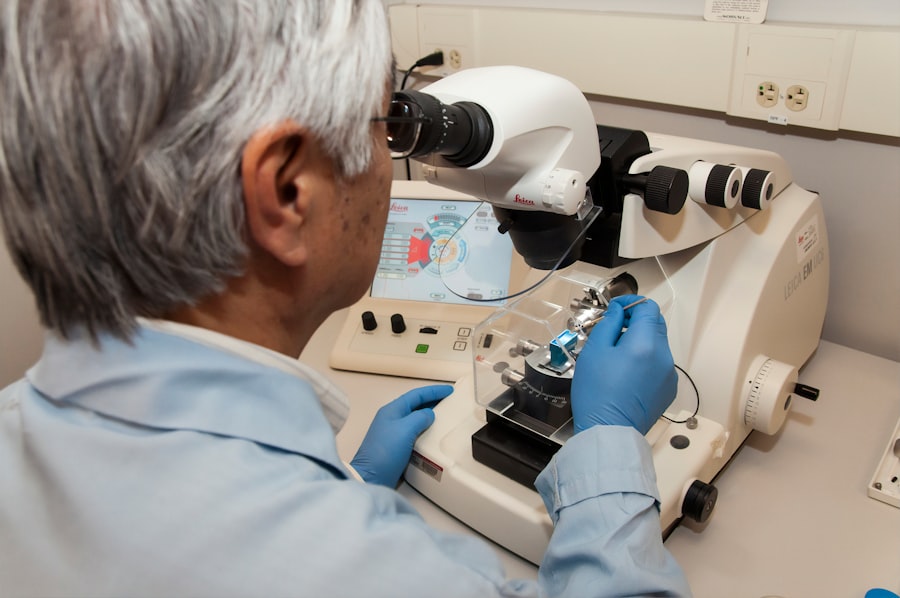
Even after a treatment receives regulatory approval, its journey does not end; post-market surveillance plays an essential role in ongoing safety monitoring. This phase involves continuous assessment of the drug’s performance in real-world settings once it is available to the public. Regulatory agencies require manufacturers to report any adverse events or side effects that occur after approval, ensuring that any emerging safety concerns are promptly addressed.
Post-market surveillance can take various forms, including observational studies, registries, and patient-reported outcomes. For instance, if a new medication is linked to unexpected side effects after widespread use, regulatory bodies may issue warnings or require additional studies to investigate these issues further. This ongoing monitoring is crucial for maintaining public trust in medical interventions and ensuring that any potential risks are managed effectively.
Regulatory Approval Process
The regulatory approval process for new treatments is complex and varies by country but generally follows similar principles worldwide. In the United States, for example, the Food and Drug Administration (FDA) oversees the approval process for drugs and biologics. After completing all phases of clinical trials, sponsors submit a New Drug Application (NDA) or Biologics License Application (BLA) that includes comprehensive data on safety and efficacy.
Regulatory agencies review this data meticulously before granting approval. This process often involves advisory committees composed of experts who evaluate the evidence and provide recommendations based on their findings. If approved, the drug enters the market with specific indications and usage guidelines; however, post-marketing commitments may also be required to address any outstanding questions regarding long-term safety or efficacy.
The Importance of Clinical Research Trials
Clinical research trials are indispensable for advancing medical science and improving patient care. They provide a structured framework for evaluating new treatments’ safety and efficacy while adhering to ethical standards that prioritize participant welfare. Each phase of clinical research builds upon previous findings, creating a comprehensive understanding of how interventions work in diverse populations.
The impact of clinical trials extends beyond individual treatments; they shape healthcare policies, inform clinical guidelines, and ultimately enhance patient outcomes on a global scale. As medical science continues to evolve, the importance of rigorous clinical research will remain paramount in ensuring that new therapies are both effective and safe for public use.
