
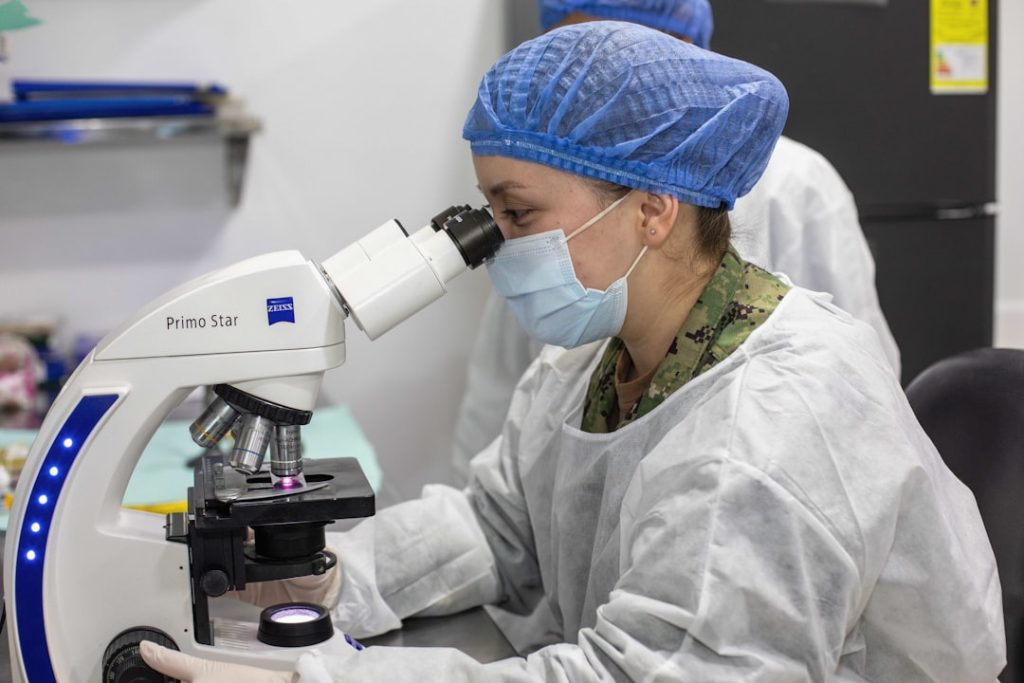
San Antonio, Texas, has emerged as a significant hub for clinical research, driven by its robust healthcare infrastructure, academic institutions, and a diverse population. The city is home to several prominent medical centers, including the University of Texas Health Science Center at San Antonio and the South Texas Veterans Health Care System. These institutions not only provide cutting-edge medical care but also serve as vital centers for clinical trials and research initiatives.
The convergence of healthcare professionals, researchers, and patients creates a fertile ground for advancing medical knowledge and improving patient outcomes. The clinical research landscape in San Antonio is characterized by a collaborative spirit among various stakeholders, including pharmaceutical companies, biotechnology firms, and academic researchers. This collaboration is essential for the successful execution of clinical trials, which are critical for the development of new therapies and medical devices.

The city’s strategic location and its proximity to a large and diverse population make it an attractive site for conducting clinical research, allowing for the recruitment of participants from various demographic backgrounds. As a result, San Antonio is not only contributing to the advancement of medical science but also enhancing its reputation as a leader in clinical research.
Key Takeaways
- San Antonio is becoming a hub for innovative clinical research with growing local initiatives.
- Technology is revolutionizing clinical trials through improved data collection and remote monitoring.
- Strong collaborations between institutions enhance the quality and reach of clinical research.
- Advances in patient recruitment and retention strategies are increasing trial participation and diversity.
- Community engagement and diversity are critical for ensuring relevant and inclusive clinical research outcomes.
The Impact of Technology on Clinical Research

The integration of technology into clinical research has revolutionized the way studies are designed, conducted, and analyzed. In San Antonio, researchers are leveraging advanced technologies such as electronic health records (EHRs), telemedicine, and mobile health applications to streamline the research process. EHRs facilitate the efficient collection and management of patient data, allowing researchers to access real-time information that can enhance the accuracy and reliability of their findings.
This technological advancement reduces the time and resources required for data collection, enabling researchers to focus on analyzing results and drawing meaningful conclusions. Telemedicine has also played a pivotal role in expanding the reach of clinical trials. By allowing patients to participate in studies remotely, researchers can engage a broader audience, including those who may have difficulty traveling to clinical sites.
This is particularly beneficial in a diverse city like San Antonio, where transportation barriers can limit participation. Mobile health applications further enhance patient engagement by providing tools for self-monitoring and communication with research teams. These technologies not only improve patient recruitment but also foster better retention rates by making participation more convenient and accessible.
Collaboration and Partnerships in Clinical Research
Collaboration is at the heart of successful clinical research initiatives in San Antonio. The synergy between academic institutions, healthcare providers, and industry partners fosters an environment conducive to innovation and discovery. For instance, partnerships between universities and pharmaceutical companies often lead to the development of novel therapies that address unmet medical needs.
These collaborations can take various forms, including joint research projects, shared funding opportunities, and access to specialized facilities and expertise. One notable example of collaboration in San Antonio is the partnership between the University of Texas Health Science Center and local hospitals. This alliance enables researchers to conduct clinical trials that leverage the diverse patient populations served by these institutions.
By pooling resources and expertise, these partnerships enhance the quality of research while also expediting the translation of findings into clinical practice. Furthermore, collaborations with community organizations help ensure that research efforts are aligned with the needs and preferences of local populations, ultimately leading to more relevant and impactful outcomes.
Advancements in Patient Recruitment and Retention
Effective patient recruitment and retention are critical components of successful clinical trials. In San Antonio, innovative strategies are being employed to enhance these processes. One approach involves utilizing community outreach programs to raise awareness about ongoing clinical trials and their potential benefits.
By engaging with local communities through health fairs, informational sessions, and social media campaigns, researchers can educate potential participants about the importance of clinical research and encourage them to consider participation. Moreover, personalized communication strategies have proven effective in improving patient retention rates. Researchers are increasingly using tailored messaging that resonates with specific demographic groups, addressing their unique concerns and motivations for participating in clinical trials.
For example, bilingual outreach efforts can help engage Spanish-speaking populations in San Antonio, ensuring that language barriers do not hinder participation. Additionally, providing participants with regular updates on trial progress and outcomes fosters a sense of involvement and commitment, ultimately leading to higher retention rates throughout the study duration.
The Role of Diversity in Clinical Research
| Metric | Value | Notes |
|---|---|---|
| Number of Clinical Trials | 150+ | Active trials registered in San Antonio area |
| Top Research Institutions | UT Health San Antonio, MD Anderson Cancer Center | Leading centers conducting clinical research |
| Common Research Areas | Oncology, Cardiovascular, Neurology, Infectious Diseases | Focus areas for clinical studies |
| Average Trial Duration | 12-24 months | Typical length of clinical studies |
| Patient Enrollment Rate | Approximately 200 patients/month | Estimated average across major trials |
| Regulatory Compliance | FDA and IRB approved | All trials adhere to regulatory standards |
Diversity in clinical research is essential for ensuring that study findings are applicable to a broad range of populations. In San Antonio, which boasts a rich tapestry of cultural backgrounds, researchers are increasingly recognizing the importance of including diverse participants in clinical trials. This focus on diversity not only enhances the generalizability of research findings but also addresses historical disparities in healthcare access and treatment outcomes among different demographic groups.
Efforts to promote diversity in clinical research often involve targeted recruitment strategies that aim to engage underrepresented populations. For instance, researchers may collaborate with community leaders and organizations that serve specific cultural groups to build trust and encourage participation. Additionally, culturally competent research practices—such as providing materials in multiple languages or incorporating culturally relevant health education—can help create an inclusive environment that welcomes diverse participants.
By prioritizing diversity in clinical research, San Antonio is taking significant strides toward ensuring that all patients benefit from advancements in medical science.
Innovations in Data Collection and Analysis
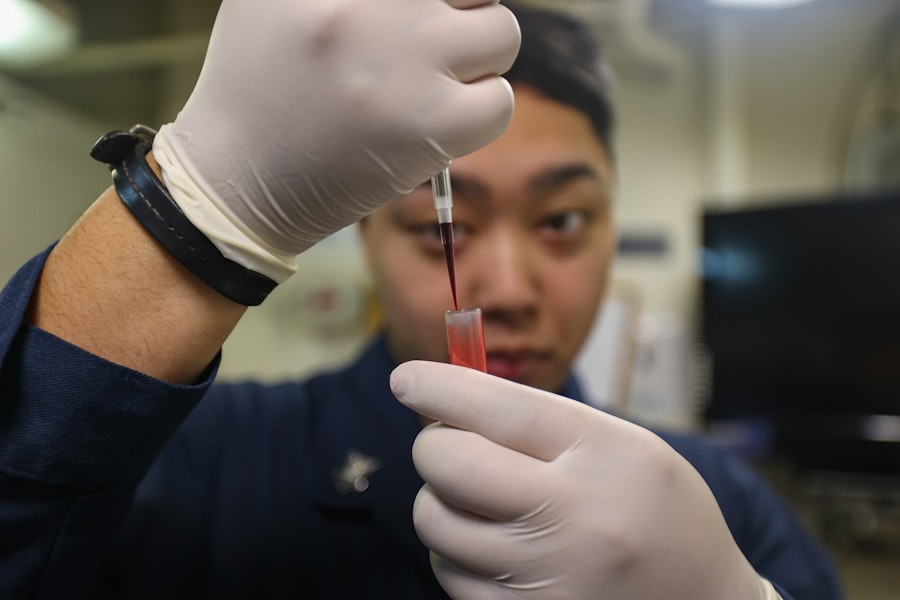
The evolution of data collection and analysis methods has transformed the landscape of clinical research in San Antonio. Traditional methods often relied on paper-based systems that were time-consuming and prone to errors. However, advancements in technology have led to the adoption of electronic data capture (EDC) systems that streamline data collection processes.
These systems allow researchers to input data directly into digital platforms, reducing the likelihood of transcription errors and facilitating real-time monitoring of study progress. Moreover, innovative analytical techniques such as machine learning and artificial intelligence (AI) are being utilized to extract valuable insights from complex datasets. In San Antonio, researchers are harnessing these technologies to identify patterns and trends that may not be immediately apparent through conventional analysis methods.
For example, AI algorithms can analyze vast amounts of patient data to predict treatment responses or identify potential adverse effects more efficiently than traditional statistical approaches. This shift toward data-driven decision-making enhances the overall quality of clinical research while accelerating the pace at which new therapies can be developed and brought to market.
Future Trends and Opportunities in Clinical Research
As the field of clinical research continues to evolve, several trends are emerging that hold promise for the future. One significant trend is the increasing emphasis on patient-centered research approaches that prioritize the needs and preferences of participants. In San Antonio, this shift is reflected in the growing use of patient-reported outcomes (PROs) as key endpoints in clinical trials.
By incorporating patients’ perspectives on their health status and treatment experiences, researchers can gain valuable insights that inform study design and improve therapeutic interventions. Another trend is the rise of decentralized clinical trials (DCTs), which leverage technology to conduct studies outside traditional clinical settings. DCTs offer greater flexibility for participants by allowing them to engage with research teams remotely through telehealth consultations or mobile health applications.
This approach not only enhances patient convenience but also expands access to clinical trials for individuals who may face barriers to participation due to geographic or logistical constraints. As DCTs gain traction in San Antonio and beyond, they have the potential to reshape the landscape of clinical research by making it more inclusive and adaptable.
The Importance of Community Engagement in Clinical Research
Community engagement plays a pivotal role in the success of clinical research initiatives in San Antonio. Building strong relationships with local communities fosters trust and encourages participation in clinical trials. Researchers are increasingly recognizing that engaging with community members throughout the research process—from study design to dissemination of findings—can lead to more relevant and impactful outcomes.
In San Antonio, community engagement efforts often involve collaborating with local organizations that serve diverse populations. These partnerships help researchers understand community needs and preferences while also providing valuable insights into effective recruitment strategies. Additionally, involving community members as co-researchers or advisors can enhance the cultural competence of studies and ensure that they address real-world concerns.
By prioritizing community engagement, researchers in San Antonio are not only advancing scientific knowledge but also promoting health equity and improving health outcomes for all residents.
