
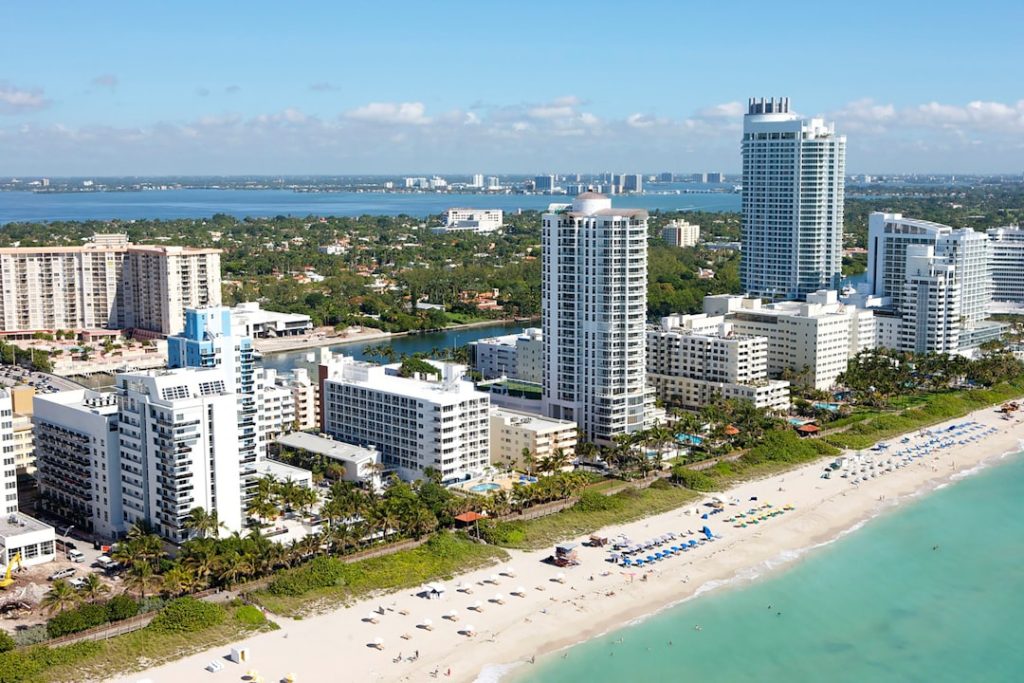
Miami, a vibrant city known for its cultural diversity and dynamic lifestyle, has emerged as a significant hub for clinical research. The city’s unique demographic composition, which includes a rich tapestry of ethnicities and backgrounds, provides an invaluable resource for researchers seeking to understand health disparities and develop treatments that are effective across various populations. Miami’s clinical research landscape is characterized by a multitude of institutions, including universities, hospitals, and private research organizations, all dedicated to advancing medical knowledge and improving patient care.
The clinical research ecosystem in Miami is bolstered by its strategic location, which facilitates collaboration with international research entities and pharmaceutical companies. The presence of renowned institutions such as the University of Miami Miller School of Medicine and the Miami VA Healthcare System enhances the city’s reputation as a center for innovative medical research. These institutions not only contribute to the local economy but also attract top-tier talent from around the globe, fostering an environment ripe for groundbreaking discoveries.
Key Takeaways
- Miami Clinical Research plays a crucial role in advancing medical knowledge and treatments.
- Clinical research in Miami has led to significant breakthroughs and innovative therapies.
- The city serves as a key hub for medical research, fostering collaboration among institutions.
- Miami faces unique challenges but also offers opportunities to enhance clinical studies.
- Future directions emphasize continued innovation, partnerships, and improved patient outcomes.

The Impact of Clinical Research on Medicine
Clinical research plays a pivotal role in the advancement of medicine, serving as the backbone for evidence-based practices that inform treatment protocols and healthcare policies. Through rigorous testing and evaluation of new therapies, clinical trials provide critical data that can lead to the approval of new medications and interventions. This process is essential for ensuring that treatments are both safe and effective before they reach the general population.

In Miami, clinical research has led to significant improvements in various medical fields, including oncology, cardiology, and infectious diseases. One notable example of the impact of clinical research is the development of targeted therapies for cancer treatment. In recent years, researchers in Miami have conducted numerous clinical trials that focus on personalized medicine, tailoring treatments based on the genetic makeup of individual tumors.
This approach has shown promise in improving patient outcomes and minimizing side effects compared to traditional chemotherapy. The success of these trials not only enhances the quality of care for patients but also positions Miami as a leader in cancer research on a national and international scale.
Breakthroughs and Innovations in Miami Clinical Research

Miami’s clinical research community has been at the forefront of several groundbreaking innovations that have transformed medical practice. One such area is the development of novel therapies for chronic diseases such as diabetes and hypertension. Researchers at institutions like the University of Miami have pioneered studies exploring the efficacy of new drug combinations and lifestyle interventions that aim to improve patient adherence and outcomes.
These studies often involve diverse populations, allowing for a more comprehensive understanding of how different demographics respond to treatment. Another significant breakthrough has been in the realm of infectious diseases, particularly in response to emerging health threats. The rapid development and deployment of COVID-19 vaccines exemplify how Miami’s clinical research infrastructure can mobilize quickly in times of crisis.
Local researchers played a crucial role in vaccine trials, contributing to the global effort to combat the pandemic. Their work not only advanced scientific knowledge but also highlighted the importance of community engagement in clinical research, as diverse participant pools were essential for ensuring vaccine efficacy across different populations.
The Role of Miami in Advancing Medical Research
Miami’s role in advancing medical research extends beyond its local contributions; it serves as a critical player on the global stage. The city’s diverse population provides a unique opportunity for researchers to study health disparities and develop interventions that are culturally sensitive and effective across various groups. This focus on inclusivity is particularly important in an era where personalized medicine is becoming increasingly prevalent.
By understanding how different populations respond to treatments, researchers can create more effective healthcare solutions that address specific needs. Moreover, Miami’s geographical location makes it an ideal site for international collaborations. The city is a gateway to Latin America and the Caribbean, facilitating partnerships with researchers and institutions across these regions.
Such collaborations can lead to shared resources, knowledge exchange, and joint clinical trials that enhance the quality and scope of research conducted in Miami. This interconnectedness not only enriches the local research environment but also contributes to global health initiatives aimed at tackling pressing health challenges.
Challenges and Opportunities in Miami Clinical Research
| Metric | Value | Details |
|---|---|---|
| Number of Clinical Trials | 150+ | Active trials registered in Miami area |
| Top Research Areas | Cardiology, Oncology, Neurology | Most common therapeutic areas studied |
| Average Trial Duration | 12-24 months | Typical length of clinical studies |
| Patient Enrollment Rate | 75% | Percentage of target enrollment achieved |
| Number of Research Institutions | 20+ | Hospitals and research centers involved |
| Regulatory Approval Time | 3-6 months | Average time for IRB and FDA approvals |
| Funding Sources | Government, Private, Pharma | Main sources of clinical research funding |
Despite its many strengths, Miami’s clinical research landscape faces several challenges that must be addressed to fully realize its potential. One significant issue is funding; while there are numerous grants available for clinical research, competition is fierce, and securing financial support can be difficult. Researchers often rely on federal funding sources such as the National Institutes of Health (NIH) or private foundations, which may not always align with local priorities or areas of expertise.
Additionally, regulatory hurdles can pose challenges for researchers conducting clinical trials. Navigating the complex landscape of ethical approvals and compliance with federal regulations can be time-consuming and may delay important studies. However, these challenges also present opportunities for innovation in how research is conducted.
For instance, streamlining processes through technology or developing new models for community engagement can enhance efficiency and improve participant recruitment.
Collaboration and Partnerships in Miami Clinical Research
Collaboration is a cornerstone of successful clinical research in Miami. The city’s institutions often work together to leverage their respective strengths, creating a synergistic environment that fosters innovation. For example, partnerships between academic institutions and healthcare providers can facilitate access to patient populations for clinical trials while ensuring that findings are translated into practice effectively.
These collaborations can also enhance training opportunities for students and early-career researchers, preparing the next generation of scientists to tackle complex health issues. Moreover, partnerships with industry stakeholders play a crucial role in advancing clinical research initiatives. Pharmaceutical companies often collaborate with local researchers to conduct clinical trials for new drugs or therapies, providing essential funding and resources while benefiting from the expertise available within Miami’s research community.
These relationships can lead to accelerated timelines for bringing new treatments to market, ultimately benefiting patients who are in need of innovative solutions.
Future Directions in Miami Clinical Research
Looking ahead, the future of clinical research in Miami appears promising, with several emerging trends poised to shape its trajectory. One significant direction is the increasing integration of technology into clinical trials. The use of telemedicine, wearable devices, and mobile health applications is transforming how researchers collect data and engage with participants.
These advancements not only enhance patient convenience but also allow for more comprehensive data collection over extended periods. Additionally, there is a growing emphasis on addressing social determinants of health within clinical research frameworks. Researchers are increasingly recognizing that factors such as socioeconomic status, education level, and access to healthcare significantly impact health outcomes.
By incorporating these elements into study designs, Miami’s clinical researchers can develop more holistic approaches to treatment that consider the broader context in which patients live.
The Promising Future of Miami Clinical Research
As Miami continues to solidify its position as a leader in clinical research, the potential for transformative advancements in medicine remains vast. The city’s unique demographic landscape, coupled with its commitment to collaboration and innovation, creates an environment ripe for breakthroughs that can improve health outcomes both locally and globally. With ongoing investments in research infrastructure and a focus on addressing health disparities, Miami is well-equipped to navigate the challenges ahead while seizing opportunities that arise in this dynamic field.
The future of clinical research in Miami holds great promise, with the potential to shape the next generation of medical advancements that will benefit patients around the world.
