

Clinical research management training is a cornerstone of the healthcare and pharmaceutical industries, serving as a critical bridge between scientific inquiry and practical application. As the landscape of clinical trials evolves, the need for well-trained professionals who can navigate the complexities of research protocols, regulatory requirements, and ethical considerations becomes increasingly paramount. The significance of this training cannot be overstated; it ensures that clinical trials are conducted efficiently, ethically, and in compliance with established guidelines.
This is particularly vital in an era where the speed of drug development is accelerating, and the stakes are higher than ever. Moreover, the importance of clinical research management training extends beyond mere compliance. It fosters a culture of excellence and accountability within research teams.

Trained professionals are better equipped to identify potential pitfalls in study design, recruitment strategies, and data management processes. This proactive approach not only enhances the quality of research outcomes but also safeguards the rights and welfare of participants involved in clinical trials. As such, investing in comprehensive training programs is not just a regulatory obligation; it is a strategic imperative that can significantly impact the success of clinical research initiatives.
Key Takeaways
- Clinical research management training is essential for ensuring effective and compliant clinical trials.
- Core components include regulatory knowledge, project management, and ethical considerations.
- Investing in training improves trial quality, team performance, and patient safety.
- Challenges include resource constraints, keeping up with regulations, and participant engagement.
- Leveraging technology and continuous evaluation enhances training effectiveness and prepares for future industry trends.
Key Components of Clinical Research Management Training

A robust clinical research management training program encompasses several key components that collectively equip professionals with the necessary skills and knowledge. First and foremost, understanding regulatory frameworks is essential. Trainees must familiarize themselves with guidelines set forth by organizations such as the Food and Drug Administration (FDA) and the International Conference on Harmonisation (ICH).
This knowledge enables them to navigate the intricate web of regulations that govern clinical trials, ensuring compliance and minimizing risks associated with non-adherence. Another critical component is the development of project management skills tailored specifically for clinical research. This includes training in areas such as budgeting, resource allocation, timeline management, and risk assessment.
Effective project management ensures that clinical trials are executed within budgetary constraints and timelines while maintaining high standards of quality. Additionally, training in data management and biostatistics is vital, as it empowers professionals to analyze trial data accurately and draw meaningful conclusions that can influence future research directions.
Benefits of Investing in Clinical Research Management Training
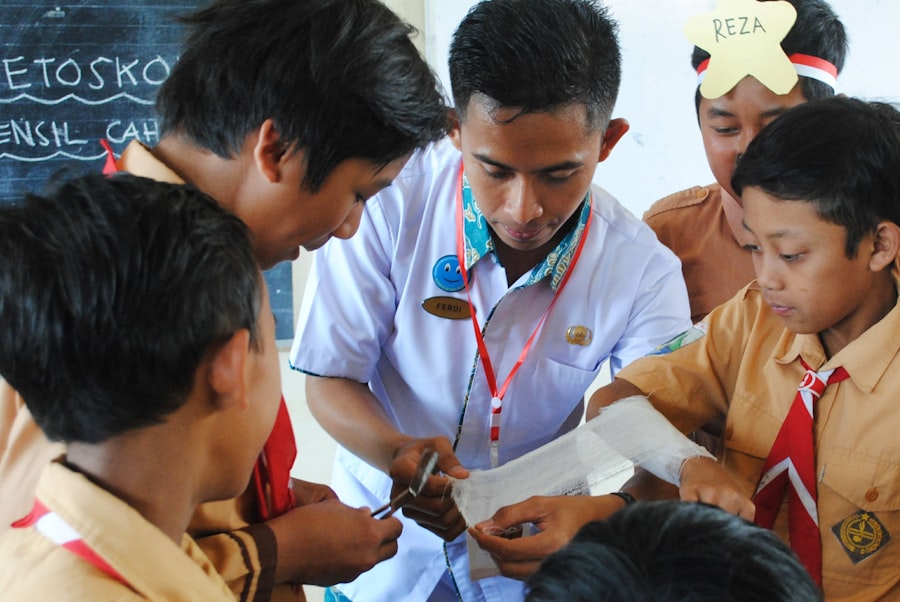
Investing in clinical research management training yields numerous benefits that extend to both organizations and individuals involved in clinical trials. For organizations, well-trained staff can lead to improved operational efficiency. When team members possess a thorough understanding of clinical trial processes, they can work more collaboratively and effectively, reducing delays and enhancing productivity.
This efficiency translates into cost savings, as streamlined operations often result in shorter trial durations and reduced resource expenditures. On an individual level, professionals who undergo comprehensive training are more likely to experience career advancement opportunities. With a solid foundation in clinical research management, they become valuable assets to their organizations, often taking on leadership roles or specialized positions that require advanced expertise.
Furthermore, such training fosters a sense of professional fulfillment and confidence, as individuals feel better prepared to tackle the challenges inherent in clinical research. This combination of organizational benefits and personal growth underscores the importance of investing in high-quality training programs.
Challenges in Implementing Clinical Research Management Training
Despite the clear advantages of clinical research management training, several challenges can impede its effective implementation. One significant hurdle is the rapid pace of change within the field itself. As new technologies emerge and regulatory landscapes shift, training programs must continuously evolve to remain relevant.
This necessitates ongoing investment in curriculum development and instructor training, which can strain organizational resources. Additionally, there may be resistance to change among staff members who are accustomed to traditional methods of conducting clinical research. Some may view training as an unnecessary burden rather than an opportunity for growth.
Overcoming this resistance requires strong leadership and a commitment to fostering a culture that values continuous learning. Organizations must communicate the long-term benefits of training clearly and demonstrate how it aligns with their strategic goals to encourage buy-in from all stakeholders.
Best Practices for Clinical Research Management Training
| Training Module | Duration (Hours) | Key Competencies | Assessment Method | Certification |
|---|---|---|---|---|
| Introduction to Clinical Research | 8 | Basic clinical trial concepts, terminology | Multiple choice quiz | Certificate of Completion |
| Regulatory Compliance & Ethics | 12 | GCP guidelines, IRB processes, informed consent | Case study analysis | Certificate of Completion |
| Clinical Trial Management | 15 | Project planning, site management, monitoring | Practical project submission | Certified Clinical Trial Manager |
| Data Management & Biostatistics | 10 | Data collection, database design, statistical analysis | Data analysis assignment | Certificate of Completion |
| Safety Reporting & Pharmacovigilance | 8 | Adverse event reporting, risk management | Written exam | Certificate of Completion |
| Leadership & Communication in Clinical Research | 6 | Team management, stakeholder communication | Role-play evaluation | Certificate of Completion |
To maximize the effectiveness of clinical research management training programs, several best practices should be adopted. First, a blended learning approach that combines online modules with in-person workshops can cater to diverse learning styles while providing flexibility for busy professionals. This hybrid model allows participants to engage with theoretical concepts at their own pace while benefiting from hands-on experiences during live sessions.
Another best practice involves incorporating real-world case studies into the curriculum. By analyzing actual clinical trials—both successful and unsuccessful—trainees can gain valuable insights into practical challenges and effective solutions. This experiential learning fosters critical thinking skills and prepares participants to address similar issues in their own work environments.
Furthermore, establishing mentorship programs where experienced professionals guide newcomers can enhance knowledge transfer and create a supportive learning community.
Evaluating the Effectiveness of Clinical Research Management Training
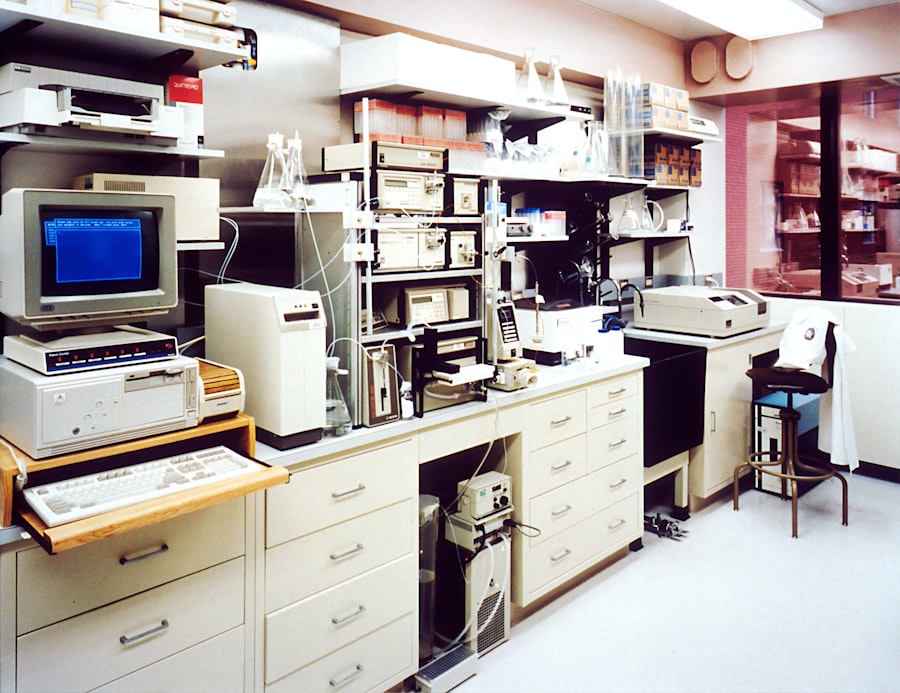
Evaluating the effectiveness of clinical research management training is crucial for ensuring that programs meet their intended objectives. One effective method is to implement pre- and post-training assessments that measure participants’ knowledge and skills before and after completing the program. These assessments can provide quantitative data on learning outcomes and highlight areas for improvement.
Additionally, gathering feedback from participants through surveys or focus groups can offer qualitative insights into their experiences with the training program. Understanding their perspectives on content relevance, instructional quality, and overall satisfaction can inform future iterations of the program. Organizations should also track key performance indicators related to clinical trial outcomes—such as recruitment rates, data accuracy, and compliance levels—to assess whether improved training correlates with enhanced operational performance.
Incorporating Technology into Clinical Research Management Training
The integration of technology into clinical research management training has revolutionized how education is delivered and experienced. E-learning platforms enable organizations to reach a broader audience by offering flexible access to training materials anytime and anywhere. This accessibility is particularly beneficial for busy professionals who may struggle to attend traditional classroom-based sessions due to time constraints.
Moreover, simulation tools and virtual reality (VR) applications can provide immersive learning experiences that replicate real-world scenarios encountered in clinical trials. For instance, trainees can engage in simulated patient interactions or navigate complex regulatory processes within a controlled environment. Such hands-on experiences enhance retention and understanding by allowing participants to apply theoretical knowledge in practical situations.
Additionally, leveraging data analytics can help organizations tailor training content based on individual learning patterns and performance metrics, further optimizing the educational experience.
Future Trends in Clinical Research Management Training
As the field of clinical research continues to evolve, several trends are emerging that will shape the future of clinical research management training. One notable trend is the increasing emphasis on interdisciplinary collaboration. As clinical trials become more complex, involving diverse stakeholders such as biostatisticians, data scientists, and regulatory experts, training programs will need to foster skills that promote effective teamwork across disciplines.
Another trend is the growing importance of patient-centric approaches in clinical research. Training programs will likely incorporate modules focused on patient engagement strategies, emphasizing the need for researchers to consider patient perspectives throughout the trial process. This shift towards patient-centered care not only enhances participant recruitment but also improves retention rates and overall trial outcomes.
Furthermore, advancements in artificial intelligence (AI) and machine learning are poised to transform how data is managed and analyzed in clinical trials. Training programs will need to equip professionals with skills related to these technologies, enabling them to leverage AI-driven insights for more informed decision-making. As these trends unfold, organizations must remain agile in adapting their training initiatives to ensure that their workforce is prepared for the future landscape of clinical research management.
