
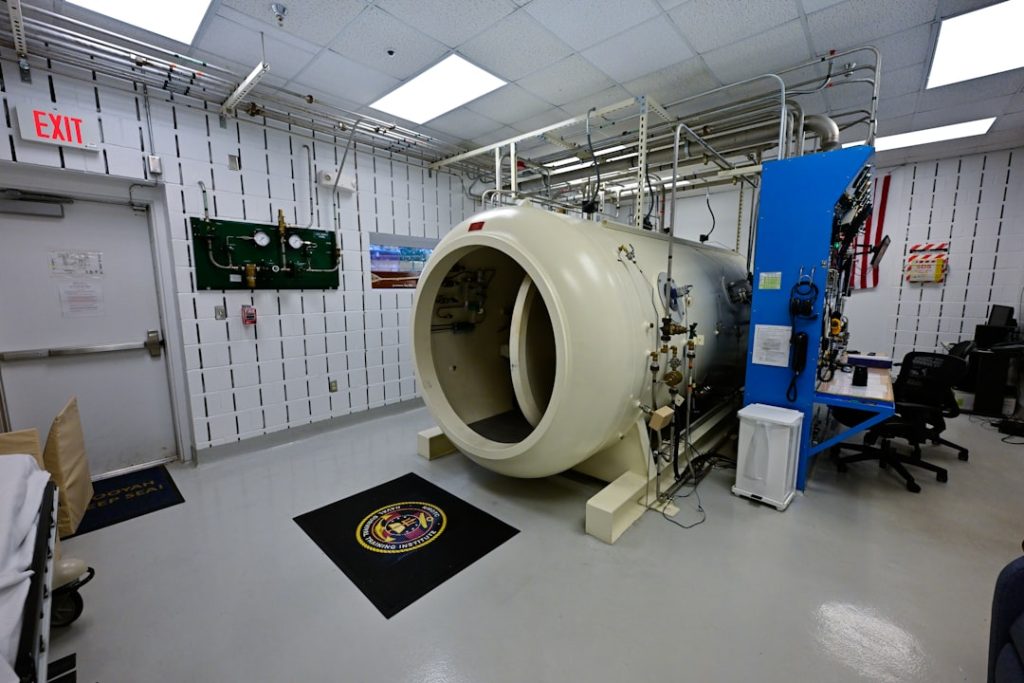
Clinical research constitutes an essential element of modern medicine, functioning as the connection between laboratory findings and their implementation in patient treatment. This field includes diverse study types that assess the safety and effectiveness of novel treatments, pharmaceutical compounds, and medical technologies. Through systematic examination of health-related questions, clinical research advances disease comprehension, enhances patient outcomes, and influences healthcare policy development.
The research process employs stringent methodologies, including randomized controlled trials, observational studies, and cohort studies, all structured to collect data that guides clinical decision-making. Clinical research impacts extend beyond academic institutions, directly affecting patients and healthcare practitioners. As new therapeutic approaches develop and existing treatments undergo refinement, clinical research provides medical professionals with current and evidence-based information.

This continuous knowledge advancement promotes innovation while building patient confidence in treatment effectiveness. Consequently, clinical research education has become increasingly important, providing individuals with essential competencies to make substantial contributions to this evolving field.
Key Takeaways
- Clinical research is essential for developing new medical treatments and improving patient care.
- The Certificate in Clinical Research program offers specialized training to build expertise in this field.
- The curriculum covers key topics such as study design, ethics, and data management.
- Graduates can pursue diverse career paths in healthcare, pharmaceuticals, and research organizations.
- Applying to the program involves meeting eligibility criteria and submitting required documentation.
Importance of Clinical Research in Advancing Medical Knowledge

The advancement of medical knowledge is inextricably linked to the findings generated through clinical research. Each study contributes to a larger body of evidence that informs clinical guidelines and best practices. For instance, the development of antiretroviral therapy for HIV/AIDS was made possible through extensive clinical trials that demonstrated the effectiveness of various drug combinations.
These trials not only provided insights into the disease but also paved the way for improved treatment protocols that have transformed HIV from a fatal illness into a manageable chronic condition. Moreover, clinical research plays a pivotal role in addressing public health challenges. The rapid response to emerging infectious diseases, such as COVID-19, exemplifies how clinical research can mobilize resources and expertise to develop vaccines and therapeutic interventions in record time.
The collaborative efforts among researchers, healthcare providers, and regulatory agencies underscore the importance of clinical research in safeguarding public health. By continuously evaluating new interventions and monitoring their long-term effects, clinical research ensures that medical knowledge evolves in tandem with the changing landscape of health challenges.
Overview of Certificate in Clinical Research Program

The Certificate in Clinical Research program is designed for individuals seeking to deepen their understanding of clinical research methodologies and practices. This program typically caters to a diverse audience, including healthcare professionals, researchers, and those looking to transition into the field of clinical research. The curriculum is structured to provide a comprehensive overview of the essential components of clinical trials, regulatory requirements, ethical considerations, and data management techniques.
Participants in this program gain exposure to both theoretical concepts and practical applications. Through a combination of lectures, case studies, and hands-on training, students develop critical skills necessary for conducting and managing clinical research projects. The program often emphasizes the importance of Good Clinical Practice (GCP) guidelines, which are fundamental to ensuring the integrity and reliability of research findings.
By completing this certificate program, graduates are well-prepared to contribute effectively to clinical research teams and advance their careers in this vital field.
Curriculum and Course Structure
The curriculum for a Certificate in Clinical Research program is typically multifaceted, encompassing various subjects that are crucial for understanding the complexities of clinical trials. Core courses often include topics such as biostatistics, epidemiology, clinical trial design, regulatory affairs, and ethical issues in research. Each course is designed to build upon the previous one, creating a cohesive learning experience that equips students with both theoretical knowledge and practical skills.
In addition to core courses, many programs offer elective options that allow students to tailor their education to specific interests or career goals. For example, students may choose electives focused on data management, patient recruitment strategies, or advanced statistical methods. The course structure often includes interactive components such as group projects and simulations that mimic real-world scenarios encountered in clinical research settings.
This hands-on approach not only reinforces learning but also fosters collaboration among peers, mirroring the teamwork essential in actual research environments.
Career Opportunities for Certificate in Clinical Research Graduates
| Metric | Details |
|---|---|
| Course Duration | 3 to 6 months |
| Eligibility | Graduates in Life Sciences, Pharmacy, Medicine, Nursing, or related fields |
| Core Subjects | Clinical Trial Design, GCP Guidelines, Regulatory Affairs, Data Management, Ethics |
| Mode of Study | Online, Classroom, or Hybrid |
| Assessment | Written Exams, Assignments, Project Work |
| Certification Body | Various Universities, Clinical Research Organizations, Professional Bodies |
| Career Opportunities | Clinical Research Associate, Data Manager, Regulatory Affairs Specialist, Clinical Trial Coordinator |
| Average Salary Range | 30,000 to 60,000 per annum (varies by region and experience) |
| Prerequisite Skills | Basic knowledge of medical terminology, research methodology, and statistics |
Graduates of a Certificate in Clinical Research program find themselves well-positioned for a variety of career opportunities within the healthcare and pharmaceutical industries. Common roles include clinical research coordinator, clinical trial manager, data analyst, regulatory affairs specialist, and clinical research associate (CRA). Each of these positions plays a critical role in the successful execution of clinical trials and the advancement of medical knowledge.
For instance, a clinical research coordinator is responsible for overseeing the day-to-day operations of a clinical trial, ensuring compliance with regulatory requirements while managing participant recruitment and data collection. On the other hand, a CRA monitors trial sites to ensure adherence to study protocols and GCP guidelines. The demand for skilled professionals in these roles continues to grow as more organizations recognize the importance of robust clinical research in developing new therapies and improving patient care.
Advantages of Pursuing a Certificate in Clinical Research

Pursuing a Certificate in Clinical Research offers numerous advantages for individuals looking to enhance their careers or transition into this dynamic field. One significant benefit is the opportunity to gain specialized knowledge that is highly valued by employers. As the healthcare landscape evolves with new technologies and treatment modalities, having a solid foundation in clinical research methodologies can set candidates apart in a competitive job market.
Additionally, the certificate program often provides networking opportunities with industry professionals and fellow students. Building connections within the field can lead to mentorship opportunities, job referrals, and collaborations on future research projects. Furthermore, many programs incorporate guest lectures from experienced researchers and industry leaders, offering insights into current trends and challenges within clinical research.
This exposure not only enriches the learning experience but also helps students stay informed about developments that may impact their careers.
How to Apply for the Certificate in Clinical Research Program
Applying for a Certificate in Clinical Research program typically involves several steps designed to ensure that candidates meet the necessary prerequisites and are well-suited for the coursework ahead. Prospective students usually begin by researching various programs offered by universities or institutions that specialize in clinical research education. Each program may have specific admission requirements, such as a minimum educational background or relevant work experience.
Once candidates identify suitable programs, they must complete an application form that often includes personal information, academic history, and professional experience. Many programs also require letters of recommendation and a personal statement outlining the applicant’s interest in clinical research and career aspirations. After submitting their applications, candidates may be invited for an interview or additional assessments to further evaluate their fit for the program.
Successful applicants can then look forward to embarking on an educational journey that will equip them with valuable skills for their future careers.
Testimonials from Successful Certificate in Clinical Research Graduates
Testimonials from graduates of Certificate in Clinical Research programs provide valuable insights into the impact of this educational experience on their careers. Many alumni highlight how the program equipped them with practical skills that directly translated into their professional roles. For example, one graduate noted that the hands-on training in data management was instrumental in securing a position as a clinical data coordinator at a leading pharmaceutical company.
They emphasized how the knowledge gained during the program allowed them to contribute effectively from day one. Another graduate shared their experience transitioning from a nursing background into clinical research after completing the certificate program. They expressed gratitude for the comprehensive curriculum that not only deepened their understanding of research methodologies but also enhanced their ability to communicate effectively with multidisciplinary teams involved in clinical trials.
This graduate now works as a project manager overseeing multiple clinical studies and credits their success to the foundational knowledge gained during their studies. These testimonials underscore the transformative potential of pursuing a Certificate in Clinical Research. Graduates consistently report increased confidence in their abilities and greater career satisfaction as they navigate the complexities of clinical trials and contribute to advancements in medical science.
