

Clinical studies are systematic investigations designed to evaluate the safety and efficacy of new medical interventions, including drugs, devices, and treatment protocols. These studies are essential for advancing medical knowledge and improving patient care. They typically involve human participants and are conducted in phases, each with specific objectives and methodologies.
The phases range from early-stage trials that assess safety and dosage to later phases that compare the new intervention against standard treatments or placebos in larger populations. The design of clinical studies can vary significantly, depending on the research question being addressed. Randomized controlled trials (RCTs) are often considered the gold standard, as they minimize bias by randomly assigning participants to either the treatment group or the control group.

Observational studies, on the other hand, do not involve randomization and instead observe outcomes in a natural setting. Each type of study has its strengths and weaknesses, and understanding these nuances is crucial for both researchers and potential participants.
Key Takeaways
- Clinical studies are essential for testing new medical treatments and improving healthcare.
- Participating in clinical studies can provide access to cutting-edge therapies and contribute to medical research.
- Finding local clinical studies involves using online databases, healthcare providers, and research centers.
- Important considerations before joining include understanding risks, benefits, and study requirements.
- Asking clear questions about study procedures, potential side effects, and participant rights is crucial.
Benefits of Participating in Clinical Studies

Participating in clinical studies can offer numerous benefits to individuals, particularly those with specific health conditions. One of the most significant advantages is access to cutting-edge treatments that may not yet be available to the general public. For patients with chronic or life-threatening illnesses, enrolling in a clinical trial can provide an opportunity to receive innovative therapies that could potentially improve their health outcomes.
This access can be especially valuable when conventional treatments have failed or when patients are seeking alternatives. Moreover, participants in clinical studies often receive comprehensive medical care throughout the trial period. This care typically includes regular monitoring by healthcare professionals, which can lead to early detection of complications or disease progression.
Additionally, many clinical trials cover the costs of treatments, tests, and follow-up visits, alleviating some financial burdens associated with healthcare. Beyond personal health benefits, participants contribute to the broader medical community by helping researchers gather data that can lead to new treatments and improved healthcare practices.
How to Find Clinical Studies Near Me
Finding clinical studies in your area can be a straightforward process if you know where to look. One of the most effective ways is to consult clinical trial registries, such as ClinicalTrials.gov, which is maintained by the U.S. National Library of Medicine. This comprehensive database allows users to search for studies based on various criteria, including location, medical condition, and phase of the trial. By entering your zip code or city, you can quickly identify relevant studies that are recruiting participants nearby. In addition to online registries, local hospitals and academic medical centers often have dedicated research departments that conduct clinical trials. Reaching out to these institutions can provide information about ongoing studies and eligibility requirements. Healthcare providers can also be valuable resources; they may be aware of clinical trials that align with your health needs and can guide you through the enrollment process. Networking with patient advocacy groups related to specific diseases can also yield insights into available clinical studies.
Factors to Consider Before Participating in a Clinical Study
Before enrolling in a clinical study, it is essential to consider several factors that may impact your decision. One critical aspect is understanding the study’s purpose and design. Participants should be aware of what the study aims to achieve and how it will be conducted.
This includes knowing whether the study involves a placebo group, the duration of participation, and any potential risks associated with the intervention being tested. A clear understanding of these elements can help individuals make informed choices about their involvement. Another important consideration is eligibility criteria, which can vary widely between studies.
These criteria may include age, gender, medical history, and current health status. It is crucial for potential participants to assess whether they meet these requirements before applying. Additionally, individuals should consider their personal circumstances, such as their ability to commit time for follow-up visits and assessments throughout the study period.
Engaging in a clinical trial can be demanding, so evaluating one’s readiness for participation is vital.
Questions to Ask Before Joining a Clinical Study
| Metric | Description | Example Data |
|---|---|---|
| Number of Clinical Studies Nearby | Total clinical trials available within a 50-mile radius | 125 |
| Average Distance to Study Site | Mean distance participants need to travel to reach the study location | 12 miles |
| Study Phases Available | Types of clinical trial phases currently recruiting | Phase 1, Phase 2, Phase 3 |
| Common Conditions Studied | Most frequent medical conditions targeted by local studies | Diabetes, Cancer, Alzheimer’s |
| Average Enrollment Size | Typical number of participants per study | 150 participants |
| Recruitment Status | Percentage of studies actively recruiting participants | 68% |
| Average Study Duration | Typical length of clinical trials in the area | 12 months |
When contemplating participation in a clinical study, asking the right questions can provide clarity and reassurance. One fundamental question is about the potential risks and benefits of participation. Understanding what side effects or complications may arise from the treatment being tested is crucial for making an informed decision.
Participants should also inquire about how these risks compare to standard treatments currently available. Another important question pertains to the study’s oversight and ethical considerations. Prospective participants should ask who is conducting the study and whether it has received approval from an institutional review board (IRB).
This board ensures that the study adheres to ethical standards and protects participants’ rights and welfare. Additionally, it is beneficial to ask about the level of support provided during the trial, including access to medical professionals and resources for addressing any concerns that may arise during participation.
What to Expect During a Clinical Study
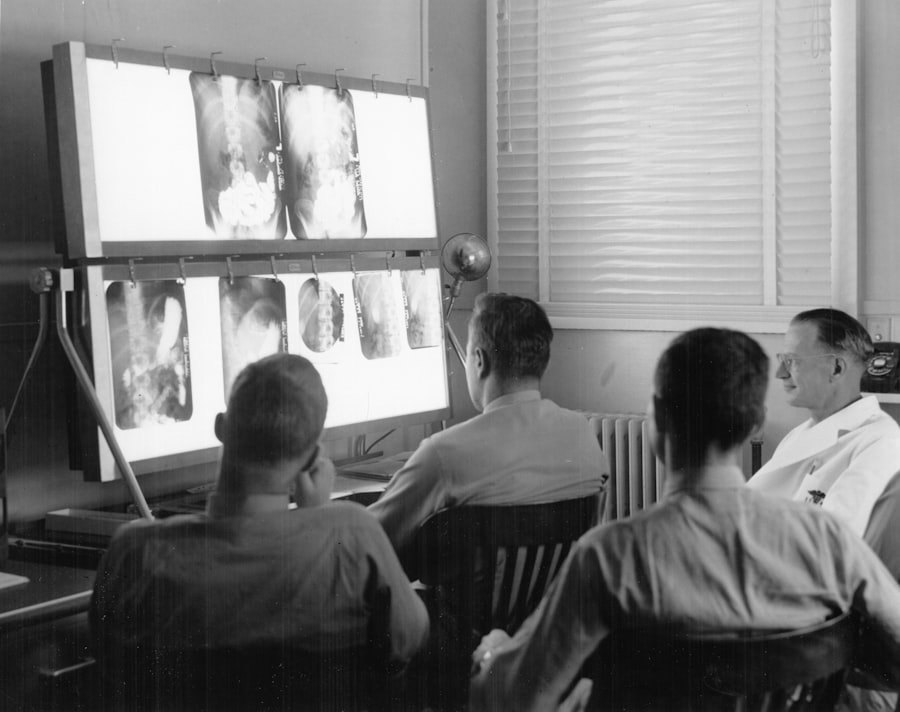
The experience of participating in a clinical study can vary significantly depending on the nature of the trial and its design. Generally, participants can expect an initial screening process that includes a thorough evaluation of their medical history and current health status. This assessment helps determine eligibility for the study and ensures that participants understand what will be required of them throughout the trial.
Once enrolled, participants may undergo various procedures depending on the study’s protocol. This could include regular visits for assessments, laboratory tests, or imaging studies to monitor their health and response to treatment. Participants should also be prepared for potential side effects associated with the intervention being tested; these effects will be closely monitored by healthcare professionals involved in the study.
Communication is key during this process; participants should feel comfortable discussing any concerns or symptoms with their care team.
The Importance of Clinical Studies in Advancing Medicine
Clinical studies play a pivotal role in advancing medical science and improving patient care across various fields. They provide essential data that informs clinical guidelines and treatment protocols, ultimately leading to better health outcomes for patients worldwide. Through rigorous testing of new therapies, researchers can identify effective interventions while also uncovering potential risks associated with new treatments.
Moreover, clinical studies contribute to our understanding of diseases themselves. By examining how different populations respond to treatments or how certain conditions progress over time, researchers can develop more targeted approaches to care. This knowledge not only enhances individual patient care but also informs public health strategies aimed at preventing disease and promoting wellness on a larger scale.
Resources for Finding Clinical Studies Near Me
In addition to ClinicalTrials.gov, several other resources can assist individuals in finding clinical studies near them. The World Health Organization (WHO) maintains a global registry of clinical trials that can be searched by location and condition. This resource is particularly useful for those interested in international studies or those looking for trials outside their home country.
Local patient advocacy organizations often provide information about ongoing clinical trials related to specific diseases or conditions. These organizations may have partnerships with research institutions and can connect patients with relevant studies. Additionally, social media platforms and online forums dedicated to specific health issues can serve as valuable resources for sharing information about clinical trials and connecting with others who have participated in similar studies.
By leveraging these resources and engaging with healthcare professionals, individuals can navigate the landscape of clinical research more effectively and find opportunities that align with their health needs and interests.
