

A Clinical Study Assistant (CSA) plays a pivotal role in clinical research, providing essential support for clinical trials and studies. These professionals assist research teams in planning, executing, and monitoring clinical trials, ensuring compliance with regulatory standards and maintaining data accuracy and reliability. The CSA position requires a combination of administrative capabilities, scientific knowledge, and understanding of clinical trial protocols.
Clinical Study Assistants are particularly valuable in the pharmaceutical and biotechnology sectors, where new drug and therapy development depends on thorough clinical testing. CSAs collaborate with Clinical Research Associates (CRAs), project managers, and other research team members to ensure smooth trial operations. Their contributions significantly influence study efficiency and outcomes, making them essential components of the research process.
Key Takeaways
- Clinical Study Assistants support clinical trials by managing documentation, coordinating activities, and ensuring compliance.
- Key skills include attention to detail, organizational abilities, communication, and knowledge of clinical research processes.
- Work environments often include hospitals, research institutions, and pharmaceutical companies.
- The role offers career growth opportunities but also involves challenges like tight deadlines and regulatory demands.
- Success in the role depends on continuous learning, effective teamwork, and strong time management skills.

Responsibilities and Duties of a Clinical Study Assistant
The responsibilities of a Clinical Study Assistant are diverse and can vary depending on the specific needs of the clinical trial and the organization they work for. One of their primary duties is to assist in the preparation and organization of study documentation. This includes creating and maintaining essential files such as study protocols, informed consent forms, and regulatory submissions.

By ensuring that all documentation is accurate and up-to-date, CSAs help maintain compliance with Good Clinical Practice (GCP) guidelines. In addition to documentation management, CSAs are often tasked with coordinating meetings and communications among study team members. This may involve scheduling meetings, preparing agendas, and taking minutes to ensure that all team members are informed about study progress and any issues that arise.
Furthermore, CSAs may also assist in the recruitment process for clinical trial participants, which can include screening potential candidates, managing databases of participants, and ensuring that all necessary consent forms are collected and filed appropriately.
Necessary Skills and Qualifications for Clinical Study Assistant Jobs

To excel as a Clinical Study Assistant, certain skills and qualifications are essential. A foundational understanding of clinical research principles is crucial; this often includes knowledge of GCP guidelines, regulatory requirements, and ethical considerations in human subject research. Many employers prefer candidates with a degree in life sciences, nursing, or a related field, as this educational background provides a solid grounding in the scientific principles underlying clinical trials.
In addition to educational qualifications, strong organizational skills are paramount for a CSThe ability to manage multiple tasks simultaneously while maintaining attention to detail is critical in this role. Proficiency in data management software and familiarity with electronic data capture systems can also enhance a candidate’s employability. Furthermore, effective communication skills—both written and verbal—are necessary for liaising with various stakeholders, including study participants, regulatory bodies, and team members.
Typical Work Environment for Clinical Study Assistants
Clinical Study Assistants typically work in office settings within pharmaceutical companies, contract research organizations (CROs), or academic institutions conducting clinical research. The environment is often fast-paced and collaborative, requiring CSAs to interact regularly with other professionals involved in the study. Depending on the stage of the clinical trial, CSAs may also spend time at clinical sites where trials are being conducted, providing them with firsthand experience of the research process.
The work environment can vary significantly based on the size and structure of the organization. In larger companies or CROs, CSAs may be part of a larger team with clearly defined roles, while in smaller organizations, they may take on a broader range of responsibilities. Regardless of the setting, CSAs must be adaptable and able to navigate the complexities of clinical research while maintaining a focus on compliance and quality assurance.
Advantages and Challenges of Working as a Clinical Study Assistant
| Metric | Value | Details |
|---|---|---|
| Average Salary | 50,000 – 65,000 | Annual salary range depending on experience and location |
| Job Growth Rate | 7% (2022-2032) | Projected growth in clinical research jobs including assistants |
| Education Requirement | Associate or Bachelor’s Degree | Common degrees include life sciences, nursing, or related fields |
| Key Skills | Data Management, Regulatory Compliance, Communication | Essential skills for clinical study assistants |
| Typical Employers | Pharmaceutical Companies, CROs, Hospitals | Common organizations hiring clinical study assistants |
| Work Environment | Office and Clinical Settings | Combination of desk work and clinical trial site visits |
| Certifications | CCRA, SOCRA (optional) | Certifications that can enhance job prospects |
Working as a Clinical Study Assistant comes with several advantages that can make it an appealing career choice for individuals interested in clinical research. One significant benefit is the opportunity to be at the forefront of medical advancements. CSAs contribute directly to the development of new treatments and therapies that can improve patient outcomes.
This sense of purpose can be highly rewarding for those passionate about healthcare and scientific discovery. However, the role also presents challenges that must be navigated effectively. The fast-paced nature of clinical trials can lead to high-pressure situations where deadlines must be met without compromising quality or compliance.
Additionally, CSAs may encounter complex regulatory requirements that necessitate ongoing education and adaptation to new guidelines. Balancing these demands while maintaining meticulous attention to detail can be daunting but is essential for success in this field.
Career Growth and Opportunities for Clinical Study Assistants
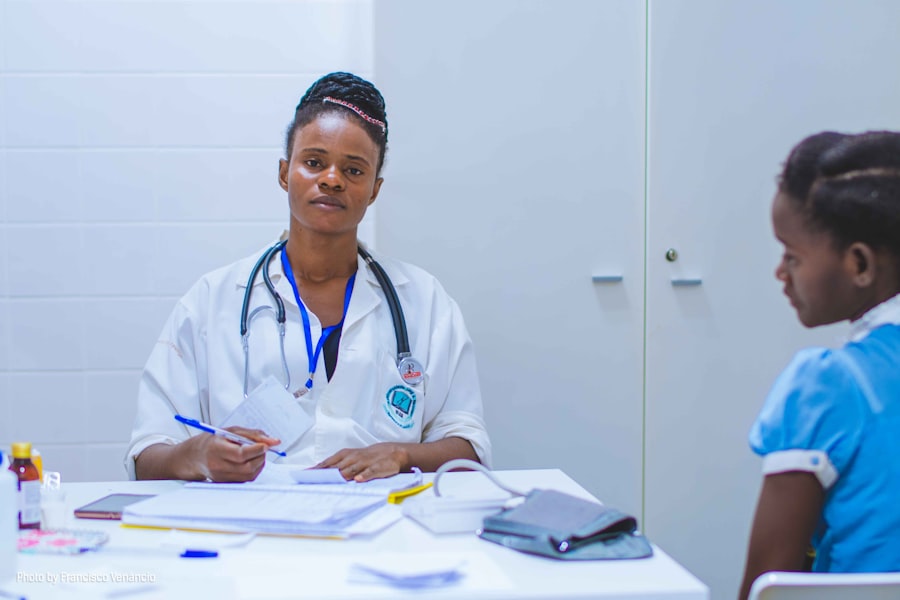
The career trajectory for Clinical Study Assistants can be quite promising, offering numerous opportunities for advancement within the field of clinical research. Many CSAs use their initial experience as a stepping stone to pursue more advanced roles such as Clinical Research Associate (CRA) or Project Manager. These positions typically involve greater responsibility, including overseeing entire studies or managing teams of researchers.
Professional development opportunities abound for CSAs who wish to enhance their skills and knowledge further. Many organizations offer training programs or support for obtaining certifications related to clinical research, such as those offered by the Association of Clinical Research Professionals (ACRP) or the Society of Clinical Research Associates (SoCRA). Engaging in continuous education not only bolsters a CSA’s qualifications but also enhances their marketability in an increasingly competitive job landscape.
How to Find and Apply for Clinical Study Assistant Jobs
Finding a position as a Clinical Study Assistant requires a strategic approach to job searching. Many job openings can be found on specialized job boards focused on clinical research or healthcare positions. Websites such as Indeed, Glassdoor, or LinkedIn often list CSA roles across various organizations.
Networking within professional circles can also yield valuable leads; attending industry conferences or joining relevant associations can help build connections that may lead to job opportunities. When applying for CSA positions, it is crucial to tailor your resume and cover letter to highlight relevant experience and skills that align with the job description. Emphasizing any previous experience in clinical research or related fields can set candidates apart from others.
Additionally, showcasing strong organizational abilities and attention to detail will resonate well with potential employers who prioritize these traits in their hiring process.
Tips for Succeeding in a Clinical Study Assistant Role
To thrive as a Clinical Study Assistant, several strategies can enhance performance and job satisfaction. First and foremost, developing strong organizational systems is essential for managing the multitude of tasks associated with clinical trials. Utilizing project management tools or software can help keep track of deadlines, documentation, and communication among team members.
Moreover, fostering effective communication skills is vital for success in this role. Regularly updating team members on progress or challenges ensures that everyone remains aligned on study objectives. Additionally, being proactive in seeking feedback from supervisors or colleagues can provide valuable insights into areas for improvement.
Finally, staying informed about industry trends and advancements in clinical research can significantly benefit a CSA’s career development. Engaging with professional literature, attending workshops or webinars, and participating in relevant training programs will not only enhance knowledge but also demonstrate commitment to professional growth within the field. By embracing these practices, Clinical Study Assistants can position themselves as valuable assets within their organizations while paving the way for future career advancement opportunities.
