
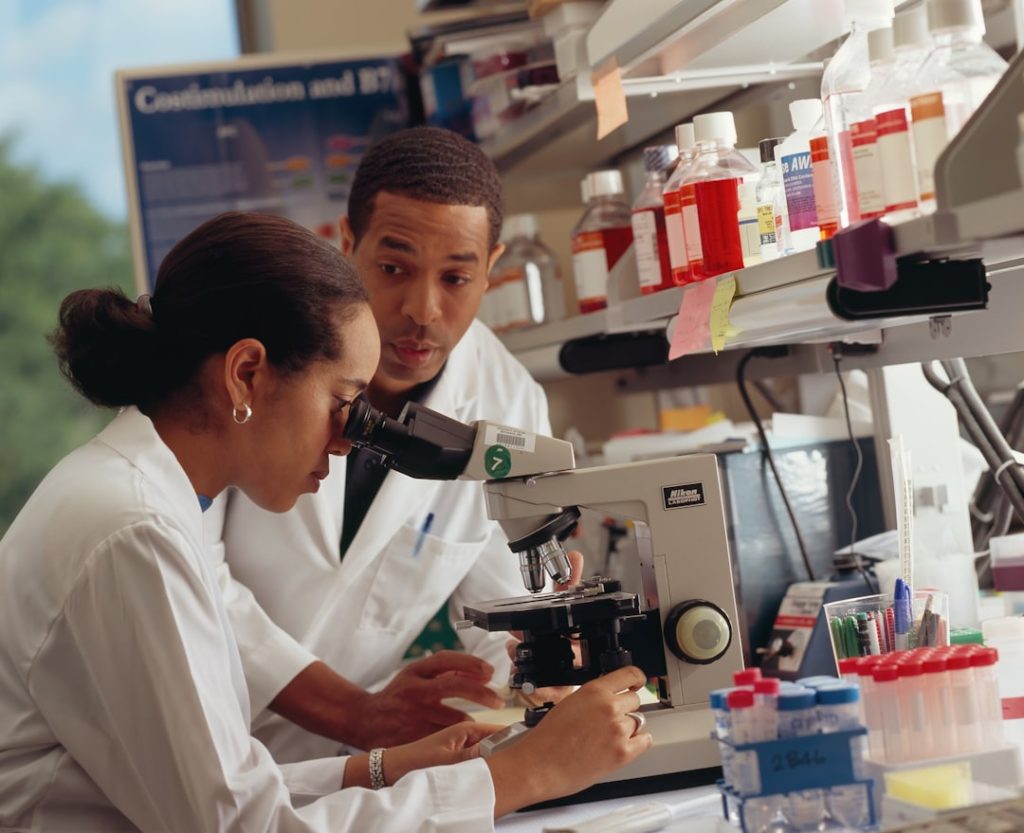
A clinical research internship is a structured educational program that provides students and recent graduates with hands-on experience in clinical research environments. These programs are typically conducted at academic medical centers, research hospitals, contract research organizations (CROs), or pharmaceutical companies, where participants work under the supervision of experienced clinical research professionals. The primary objective of clinical research internships is to expose participants to the fundamental components of clinical trial operations and research methodology.
Interns gain direct experience with study protocols, regulatory requirements established by agencies such as the FDA and IRBs (Institutional Review Boards), Good Clinical Practice (GCP) guidelines, and data management systems used in clinical trials. Common responsibilities for clinical research interns include supporting protocol development activities, assisting with participant recruitment and enrollment processes, conducting eligibility screenings, maintaining study documentation, entering data into electronic data capture systems, and monitoring compliance with study procedures. Interns may also participate in regulatory submission preparations, site monitoring visits, and quality assurance activities.

These internship programs serve as a pathway for individuals pursuing careers in clinical research coordination, data management, regulatory affairs, biostatistics, or clinical development within the pharmaceutical and biotechnology industries. The experience provides practical knowledge of clinical trial phases, from early-phase safety studies to large-scale efficacy trials, and familiarizes participants with the regulatory framework governing human subjects research.
Key Takeaways
- Clinical research internships provide practical, hands-on experience in medical research settings.
- Interns gain valuable networking opportunities and professional development connections.
- Exposure to the latest research methods and technologies enhances learning.
- Interns contribute to advancing medical knowledge and may have chances for publication.
- These internships prepare participants for future careers and foster personal growth.
Hands-On Experience in the Field

One of the most significant advantages of a clinical research internship is the opportunity for hands-on experience. Interns are often placed in real-world settings where they can observe and participate in ongoing clinical trials. This exposure allows them to understand the intricacies of patient recruitment, informed consent processes, and data collection methods.
For instance, an intern might assist in conducting interviews with trial participants, helping to gather qualitative data that can inform future studies. Moreover, interns may also engage in data management tasks, such as entering information into databases or analyzing preliminary results. This practical involvement not only reinforces theoretical knowledge gained in academic settings but also equips interns with essential skills that are highly valued in the job market.
By working directly with clinical research teams, interns learn how to navigate challenges that arise during trials, such as patient non-compliance or unexpected adverse events, thereby preparing them for future roles in the industry.
Networking and Professional Development Opportunities

Clinical research internships provide a unique platform for networking and professional development. Interns have the chance to connect with seasoned professionals, including principal investigators, clinical research coordinators, and regulatory affairs specialists. These interactions can lead to mentorship opportunities, where experienced researchers share their insights and guidance on navigating the complexities of a career in clinical research.
Additionally, many internships include workshops, seminars, or conferences that focus on current trends and advancements in clinical research. Participating in these events allows interns to broaden their knowledge base while also meeting other interns and professionals in the field. Building a network during an internship can be instrumental for future job searches, as many positions in clinical research are filled through referrals and personal connections.
The relationships formed during this time can lead to collaborative projects or even job offers down the line.
Exposure to Cutting-Edge Research and Technology
Interns in clinical research often find themselves at the forefront of medical innovation. They are exposed to cutting-edge research methodologies and technologies that are shaping the future of healthcare. For example, they may work with advanced data analytics tools that utilize artificial intelligence to predict patient outcomes or assist in the development of novel therapies through gene editing techniques like CRISPR.
This exposure not only enhances an intern’s technical skills but also fosters a deeper understanding of how emerging technologies can be applied to solve real-world health problems. By witnessing firsthand how these innovations are integrated into clinical trials, interns gain a unique perspective on the importance of staying current with technological advancements. This knowledge is crucial as the landscape of clinical research continues to evolve rapidly, driven by new discoveries and technological breakthroughs.
Contribution to Advancing Medical Knowledge
| Metric | Description | Typical Value/Range |
|---|---|---|
| Duration | Length of the internship program | 3 to 6 months |
| Stipend | Monthly financial compensation | Varies; often unpaid to moderate stipend |
| Number of Projects | Clinical research projects intern participates in | 1 to 3 projects |
| Skills Gained | Key competencies developed during internship | Data management, protocol writing, patient recruitment, regulatory compliance |
| Mentorship Ratio | Number of interns per mentor | 1:1 to 1:3 |
| Certification | Whether internship provides certification | Often yes, upon completion |
| Eligibility | Educational background required | Undergraduate or graduate students in life sciences, pharmacy, medicine |
| Location | Where internship is conducted | Hospitals, CROs, pharmaceutical companies, academic institutions |
Interns play a vital role in advancing medical knowledge through their contributions to ongoing research projects. By assisting with data collection and analysis, they help ensure that studies are conducted rigorously and ethically. Their involvement can lead to more robust findings that contribute to the scientific community’s understanding of various diseases and treatment options.
For instance, an intern might help analyze data from a clinical trial investigating a new cancer treatment. Their meticulous attention to detail could uncover trends or patterns that inform future research directions or lead to improvements in patient care protocols. This sense of contribution can be incredibly fulfilling for interns, as they realize that their efforts are part of a larger mission to improve health outcomes for patients worldwide.
Potential for Publication and Authorship

One of the most exciting prospects for interns involved in clinical research is the potential for publication and authorship on scientific papers. Many research projects culminate in findings that are suitable for publication in peer-reviewed journals. Interns who actively participate in data analysis or manuscript preparation may find themselves listed as co-authors on these publications.
Having a publication under one’s belt can significantly enhance an intern’s resume and academic profile. It demonstrates not only their commitment to research but also their ability to contribute meaningfully to scholarly work. For those considering further education, such as medical school or graduate programs, having published work can be a distinguishing factor in competitive applications.
The experience gained from writing and submitting manuscripts also hones critical skills such as scientific writing and critical thinking.
Preparation for Future Career Opportunities
A clinical research internship serves as an excellent stepping stone for future career opportunities within the healthcare and pharmaceutical industries. The skills acquired during the internship—ranging from project management to regulatory compliance—are highly transferable and sought after by employers. Interns often leave with a clearer understanding of their career aspirations and the specific areas within clinical research that interest them most.
Furthermore, many organizations view internships as a way to identify potential full-time employees. Interns who demonstrate strong performance may receive job offers upon completion of their program or be considered for future openings within the organization. This pathway from internship to employment is particularly common in large pharmaceutical companies and research institutions that prioritize cultivating talent from within.
Personal and Professional Growth
Beyond technical skills and career preparation, clinical research internships foster significant personal growth. Interns often find themselves challenged to step outside their comfort zones as they interact with diverse teams and navigate complex projects. This experience cultivates essential soft skills such as communication, teamwork, and problem-solving—qualities that are invaluable in any professional setting.
Moreover, working closely with patients during clinical trials can deepen an intern’s empathy and understanding of the human side of medicine. They learn to appreciate the ethical considerations involved in research and the importance of patient-centered care. This holistic development not only prepares them for careers in clinical research but also shapes them into compassionate professionals who prioritize patient welfare in their future endeavors.
In summary, a clinical research internship offers a multifaceted experience that encompasses hands-on training, networking opportunities, exposure to innovative technologies, contributions to medical knowledge, potential for publication, career preparation, and personal growth. Each aspect plays a crucial role in shaping well-rounded individuals ready to make meaningful contributions to the field of healthcare and beyond.
