

Clinical research internships serve as a vital bridge between academic learning and practical application in the healthcare field. These internships provide students and early-career professionals with the opportunity to immerse themselves in the complexities of clinical trials, data collection, and patient interaction. By participating in these programs, interns gain firsthand experience that is crucial for understanding the intricacies of medical research.
This exposure not only enhances their educational journey but also equips them with the skills necessary to navigate the evolving landscape of healthcare. Moreover, clinical research internships play a significant role in fostering a new generation of researchers and healthcare professionals. As the demand for innovative treatments and therapies continues to rise, the need for well-trained individuals in clinical research becomes increasingly critical.

Internships allow participants to contribute to ongoing studies, thereby directly impacting patient care and treatment outcomes. This hands-on experience is invaluable, as it cultivates a sense of responsibility and commitment to advancing medical science, ultimately benefiting society as a whole.
Key Takeaways
- Clinical research internships provide essential hands-on experience and insight into medical research processes.
- Interns can expect to engage in data collection, patient interaction, and learn regulatory compliance.
- Finding internships involves researching institutions, networking, and preparing strong applications.
- These internships develop critical skills such as data analysis, teamwork, and scientific communication.
- Participating in clinical research internships significantly enhances career prospects and contributes to medical advancements.
What to Expect from a Clinical Research Internship

Entering a clinical research internship can be both exciting and daunting. Interns can expect to engage in a variety of tasks that may include assisting with the design and implementation of clinical trials, collecting and analyzing data, and ensuring compliance with regulatory standards. Depending on the organization, interns may also have the opportunity to interact with patients, gaining insights into their experiences and perspectives on treatment protocols.
This multifaceted approach not only enriches the intern’s understanding of clinical research but also enhances their ability to communicate effectively within a healthcare setting. Additionally, interns should be prepared for a dynamic work environment where adaptability is key. Clinical research often involves collaboration with diverse teams, including physicians, nurses, data analysts, and regulatory affairs specialists.
Interns will likely participate in team meetings, contribute to discussions about study progress, and learn how to navigate challenges that arise during the research process. This collaborative atmosphere fosters professional growth and encourages interns to develop strong interpersonal skills that are essential for success in any healthcare-related career.
How to Find and Apply for Clinical Research Internships

Finding a clinical research internship requires a strategic approach that combines networking, research, and proactive outreach. Students can start by leveraging their academic institutions’ career services, which often provide resources for internship listings and connections with alumni working in the field. Attending career fairs and industry conferences can also be beneficial, as these events offer opportunities to meet potential employers and learn about available positions.
Once potential internships are identified, crafting a compelling application is crucial. A well-structured resume that highlights relevant coursework, skills, and any previous experience in healthcare or research will make a strong impression. Additionally, writing a tailored cover letter that articulates the applicant’s passion for clinical research and specific interests within the field can set them apart from other candidates.
It is also advisable to seek out recommendations from professors or professionals who can vouch for the applicant’s capabilities and dedication.
The Skills and Knowledge Gained from a Clinical Research Internship
Interning in clinical research provides an array of skills that are essential for future career success. One of the most significant competencies gained is an understanding of Good Clinical Practice (GCP) guidelines and regulatory requirements governing clinical trials. Interns learn how to ensure that studies are conducted ethically and that patient safety is prioritized throughout the research process.
This knowledge is critical for anyone looking to pursue a career in clinical research or related fields. In addition to regulatory knowledge, interns develop strong analytical skills through data collection and analysis tasks. They become proficient in using statistical software and tools that are commonly employed in clinical research, such as SPSS or SAS.
This technical expertise not only enhances their ability to interpret research findings but also prepares them for roles that require data-driven decision-making. Furthermore, effective communication skills are honed as interns interact with various stakeholders, including patients, researchers, and regulatory bodies. The ability to convey complex information clearly and concisely is invaluable in any professional setting.
The Impact of Clinical Research Internships on Career Development
| Metric | Description | Typical Value/Range | Notes |
|---|---|---|---|
| Duration | Length of the internship program | 8 to 12 weeks | Varies by institution and program |
| Weekly Hours | Number of hours worked per week | 20 to 40 hours | Part-time or full-time options available |
| Number of Interns | Typical cohort size | 5 to 20 interns | Depends on research facility capacity |
| Mentorship Ratio | Number of interns per mentor | 1:1 to 1:5 | Ensures personalized guidance |
| Research Areas | Common clinical research fields | Oncology, Cardiology, Neurology, Infectious Diseases | Varies by institution focus |
| Skills Developed | Key competencies gained | Data collection, Patient interaction, Regulatory compliance, Statistical analysis | Enhances clinical research proficiency |
| Stipend | Financial compensation | Varies widely; some unpaid | Depends on funding and location |
| Outcome | Typical results of internship | Research experience, Networking, Potential publication | Can improve future job prospects |
The impact of clinical research internships on career development cannot be overstated. These experiences often serve as a launching pad for future employment opportunities within the healthcare sector. Many organizations view internships as a way to identify potential full-time employees; thus, performing well during an internship can lead to job offers upon graduation.
Interns who demonstrate initiative, professionalism, and a strong work ethic are often remembered by their supervisors when hiring decisions are made. Moreover, internships provide networking opportunities that can be instrumental in shaping one’s career trajectory. Building relationships with professionals in the field can lead to mentorship opportunities, recommendations for future positions, or even collaborations on research projects.
The connections made during an internship can open doors to various career paths within clinical research, pharmaceuticals, or healthcare management, allowing interns to explore different avenues based on their interests and strengths.
Tips for Making the Most of a Clinical Research Internship
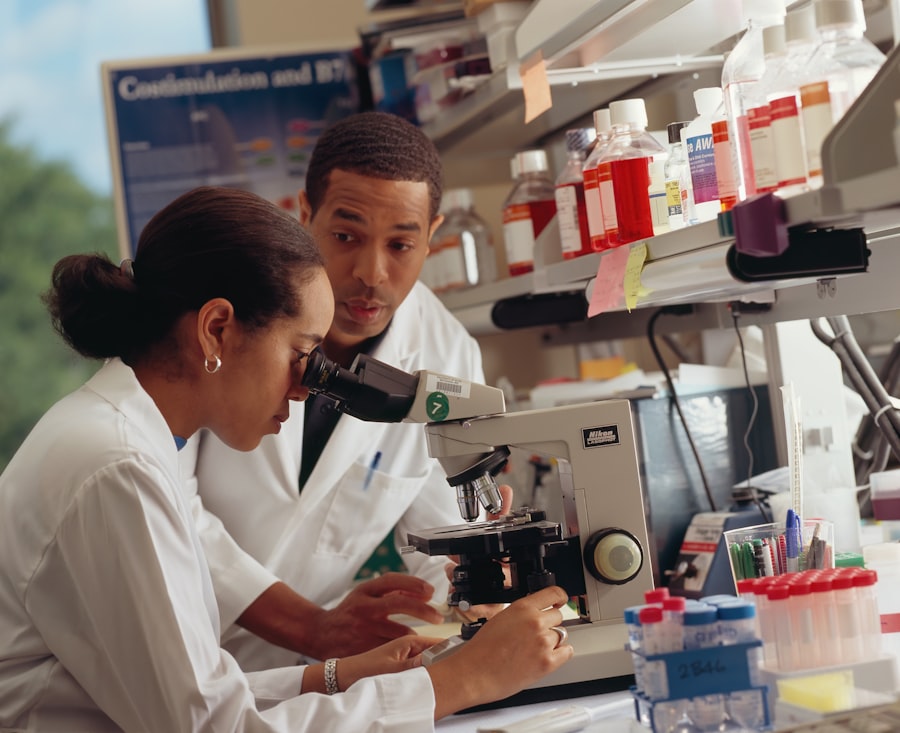
To maximize the benefits of a clinical research internship, interns should adopt a proactive mindset from day one. Setting clear goals for what they hope to achieve during their time in the internship can help guide their efforts and ensure they remain focused on their professional development. Regularly seeking feedback from supervisors and colleagues can also provide valuable insights into areas for improvement and help interns refine their skills.
Additionally, interns should take advantage of every learning opportunity available to them. This may involve asking questions during meetings, volunteering for additional responsibilities, or participating in training sessions offered by the organization. Engaging with fellow interns and professionals can foster a collaborative learning environment where knowledge is shared freely.
By actively participating in discussions and contributing ideas, interns can enhance their visibility within the organization and demonstrate their commitment to the field.
The Role of Clinical Research Internships in Advancing Medical Knowledge
Clinical research internships play a crucial role in advancing medical knowledge by facilitating the development of new treatments and therapies through rigorous scientific inquiry. Interns contribute to ongoing studies that explore innovative approaches to disease management, ultimately leading to improved patient outcomes. Their involvement in data collection and analysis helps ensure that research findings are robust and reliable, which is essential for translating scientific discoveries into clinical practice.
Furthermore, internships often expose participants to cutting-edge technologies and methodologies used in clinical trials. This exposure not only enhances their technical skills but also fosters an understanding of how emerging trends—such as personalized medicine or telehealth—are shaping the future of healthcare. By participating in this evolving landscape, interns become part of a larger movement aimed at improving health outcomes on a global scale.
The Future of Clinical Research Internships and Opportunities for Growth
As the field of clinical research continues to evolve, so too do the opportunities available through internships. With advancements in technology and an increasing emphasis on patient-centered care, future internships may incorporate more digital tools and remote collaboration methods. This shift could allow interns greater flexibility in how they engage with research projects while also expanding access to diverse populations for clinical trials.
Moreover, as healthcare becomes more interdisciplinary, there will likely be an increased demand for interns who possess a broad skill set that includes knowledge of data science, regulatory affairs, and patient advocacy. This trend presents an exciting opportunity for aspiring professionals to tailor their internship experiences toward emerging areas within clinical research. By staying informed about industry developments and actively seeking out innovative internship opportunities, individuals can position themselves at the forefront of this dynamic field as it continues to grow and adapt to new challenges.
