

Clinical Study Coordinators (CSCs) function as essential intermediaries connecting sponsors, principal investigators, and study participants in clinical research operations. Comprehensive training for CSCs is mandatory to maintain clinical trial integrity and ensure regulatory compliance. Trained coordinators implement study protocols according to Good Clinical Practice (GCP) guidelines, International Council for Harmonisation (ICH) standards, and Food and Drug Administration (FDA) regulations, which protects participant safety and data quality.
CSC training programs address multiple operational areas including protocol implementation, informed consent procedures, adverse event reporting, data collection and management, and regulatory documentation. Coordinators must understand complex study designs, inclusion and exclusion criteria, randomization procedures, and endpoint assessments across diverse therapeutic areas and patient populations. The clinical research environment undergoes continuous regulatory updates, technological innovations, and methodological improvements.

CSCs require ongoing education to maintain current knowledge of electronic data capture systems, remote monitoring technologies, decentralized trial methodologies, and evolving regulatory guidance documents. Training programs must incorporate updates from regulatory agencies, changes in data privacy requirements, and new safety reporting standards. Effective CSC training programs combine didactic instruction with practical application, covering regulatory compliance, ethical principles, patient communication, and quality assurance procedures.
Organizations implementing structured training protocols demonstrate improved study conduct, reduced protocol deviations, enhanced data quality, and better regulatory inspection outcomes. Continuous professional development ensures CSCs maintain competency in an increasingly complex and regulated clinical research environment.
Key Takeaways
- Clinical Study Coordinator training is crucial for ensuring efficient and compliant clinical trial management.
- Key skills include regulatory knowledge, communication, data management, and patient safety awareness.
- Training in Good Clinical Practice (GCP) and regulatory compliance is essential to uphold trial integrity.
- Effective communication and organizational skills enhance coordination among study teams and participants.
- Ongoing professional development supports coordinators in staying current with evolving clinical research standards.

Essential Skills and Knowledge for Clinical Study Coordinators
Clinical Study Coordinators must possess a diverse skill set that encompasses both technical knowledge and soft skills. At the core of their responsibilities lies a thorough understanding of clinical trial protocols, which includes knowledge of study design, methodology, and statistical analysis. This foundational knowledge enables coordinators to effectively implement study protocols and ensure adherence to timelines and objectives.
For instance, a CSC must be adept at interpreting complex protocols to facilitate participant recruitment and retention strategies that align with the study’s goals. In addition to technical expertise, CSCs must also exhibit strong problem-solving abilities. Clinical trials often present unforeseen challenges, such as participant non-compliance or data discrepancies.
A skilled coordinator can swiftly identify issues and implement corrective actions while maintaining compliance with regulatory requirements. Furthermore, organizational skills are paramount; coordinators must manage multiple tasks simultaneously, from scheduling visits to maintaining accurate records. The ability to prioritize tasks effectively ensures that studies progress smoothly and that all stakeholders remain informed and engaged throughout the trial process.
Regulatory Compliance and Good Clinical Practice (GCP) Training

Regulatory compliance is a cornerstone of clinical research, and understanding Good Clinical Practice (GCP) is essential for Clinical Study Coordinators. GCP encompasses a set of internationally recognized ethical and scientific quality standards for designing, conducting, recording, and reporting trials that involve human subjects. Training in GCP equips coordinators with the knowledge necessary to ensure that studies are conducted ethically and that participant rights are protected.
This includes understanding informed consent processes, confidentiality issues, and the importance of maintaining data integrity. Furthermore, GCP training emphasizes the significance of adhering to local regulations and institutional policies. For example, a CSC working on a trial involving a new drug must be familiar with the specific regulatory requirements set forth by agencies such as the Food and Drug Administration (FDA) in the United States or the European Medicines Agency (EMA) in Europe.
This knowledge is critical not only for compliance but also for fostering trust among participants and stakeholders. By ensuring that all aspects of a trial meet regulatory standards, coordinators play a vital role in the credibility and reliability of clinical research outcomes.
Effective Communication and Interpersonal Skills Training
Effective communication is an indispensable skill for Clinical Study Coordinators, as they serve as the primary point of contact among various parties involved in a clinical trial. Training in communication strategies enhances their ability to convey complex information clearly and concisely to diverse audiences, including study participants, investigators, and sponsors. For instance, when explaining study procedures to participants, a CSC must be able to break down intricate concepts into understandable terms while ensuring that participants feel comfortable asking questions.
Interpersonal skills are equally important in this role. Building rapport with participants can significantly impact recruitment and retention rates in clinical trials. A CSC who demonstrates empathy and active listening can create an environment where participants feel valued and understood.
This is particularly crucial when addressing concerns or anxieties that participants may have regarding their involvement in a study. Training programs that focus on developing these interpersonal skills can lead to improved participant experiences and ultimately contribute to the success of clinical trials.
Data Management and Documentation Training
| Training Module | Duration (hours) | Key Topics Covered | Assessment Method | Certification Validity |
|---|---|---|---|---|
| Introduction to Clinical Research | 4 | Clinical trial phases, roles and responsibilities | Multiple choice quiz | 2 years |
| Regulatory Compliance & Ethics | 6 | GCP guidelines, informed consent, IRB processes | Written exam | 2 years |
| Study Coordination & Management | 8 | Subject recruitment, data collection, site management | Practical evaluation | 3 years |
| Data Management & Documentation | 5 | CRF completion, source documentation, data integrity | Case study analysis | 3 years |
| Safety Reporting & Adverse Events | 3 | AE/SAE reporting, safety monitoring, regulatory requirements | Scenario-based assessment | 2 years |
Data management is a critical component of clinical research, as accurate data collection and documentation directly influence the validity of study results. Clinical Study Coordinators must be proficient in various data management systems and electronic data capture tools to ensure that data is recorded accurately and efficiently. Training in these systems enables coordinators to streamline data entry processes while minimizing errors that could compromise study integrity.
Moreover, documentation practices are essential for maintaining compliance with regulatory requirements. A well-trained CSC understands the importance of meticulous record-keeping, including source documents, case report forms (CRFs), and regulatory binders. For example, if an audit occurs, having organized documentation readily available can demonstrate compliance with GCP guidelines and regulatory standards.
Training programs that emphasize best practices in data management not only enhance the quality of data collected but also prepare coordinators for potential audits or inspections by regulatory bodies.
Patient Safety and Adverse Event Reporting Training
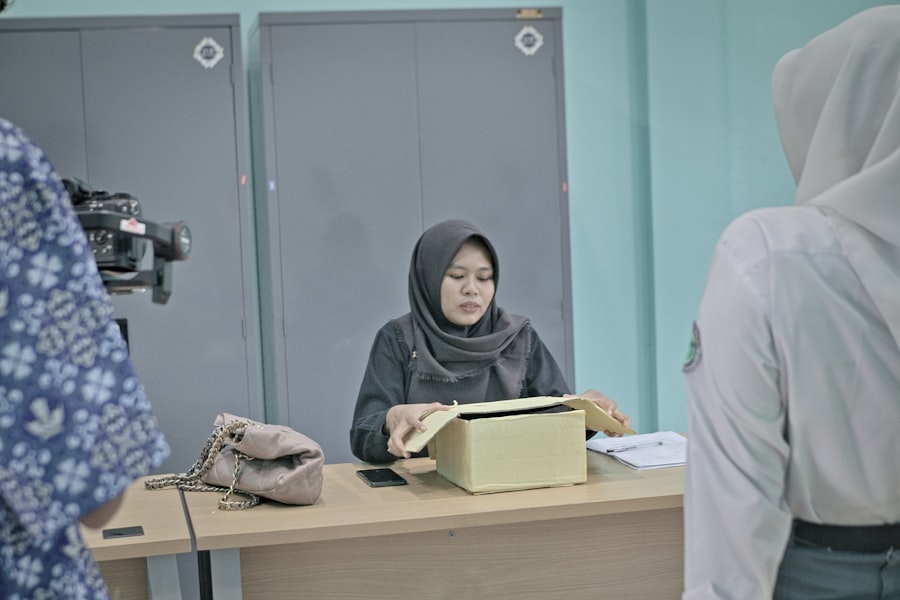
Patient safety is paramount in clinical research, making training in adverse event reporting an essential aspect of a Clinical Study Coordinator’s education. Coordinators must be well-versed in identifying, documenting, and reporting adverse events (AEs) or serious adverse events (SAEs) that occur during a trial. This training ensures that coordinators can respond promptly to any safety concerns that arise, thereby protecting participants’ well-being.
Understanding the regulatory requirements surrounding adverse event reporting is also crucial. For instance, different jurisdictions may have varying timelines for reporting AEs to regulatory authorities. A well-trained CSC will know how to navigate these requirements effectively while ensuring that all relevant information is communicated clearly to investigators and sponsors.
Additionally, training programs often include case studies that illustrate real-world scenarios involving adverse events, allowing coordinators to apply their knowledge in practical situations. This hands-on approach reinforces the importance of vigilance in monitoring patient safety throughout the trial process.
Time Management and Organizational Skills Training
Time management is an essential skill for Clinical Study Coordinators who often juggle multiple responsibilities simultaneously. Effective training programs focus on strategies for prioritizing tasks, setting realistic deadlines, and utilizing tools such as calendars or project management software to keep track of study milestones. For example, a CSC may need to coordinate participant visits while simultaneously managing data entry deadlines; mastering time management techniques allows them to navigate these competing demands efficiently.
Organizational skills are equally critical in ensuring that all aspects of a clinical trial run smoothly. A well-organized coordinator can maintain comprehensive records, track participant progress, and ensure compliance with study protocols without becoming overwhelmed by the volume of information they handle daily. Training programs that incorporate organizational strategies—such as creating checklists or utilizing digital tools—can significantly enhance a coordinator’s ability to manage their workload effectively.
By fostering these skills, organizations can improve overall trial efficiency and reduce the risk of errors or delays.
Continuing Education and Professional Development for Clinical Study Coordinators
The field of clinical research is dynamic, necessitating ongoing education and professional development for Clinical Study Coordinators. As new technologies emerge and regulations evolve, it is imperative for coordinators to engage in continuous learning to remain effective in their roles. Many organizations offer workshops, webinars, and conferences focused on current trends in clinical research, providing valuable opportunities for coordinators to expand their knowledge base.
Professional development also includes pursuing certifications relevant to clinical research, such as those offered by the Association of Clinical Research Professionals (ACRP) or the Society of Clinical Research Associates (SoCRA). These certifications not only validate a coordinator’s expertise but also demonstrate a commitment to maintaining high standards within the profession. By actively participating in continuing education initiatives, Clinical Study Coordinators can enhance their skills, stay informed about industry advancements, and ultimately contribute more effectively to the success of clinical trials.
