
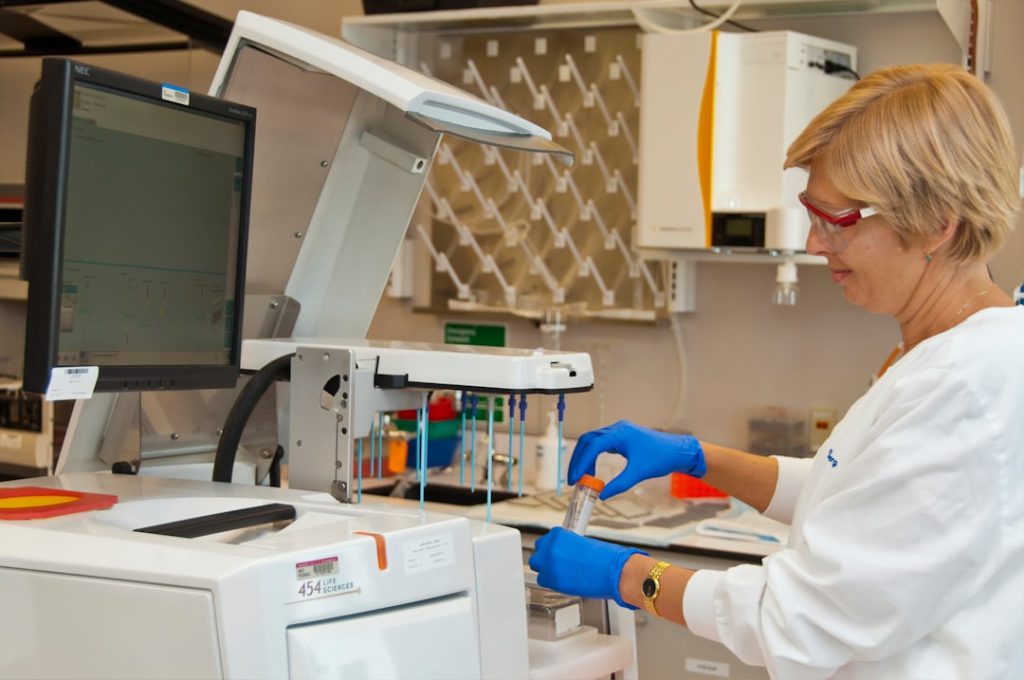
Entry-level clinical research positions provide access to the clinical trials and medical research industry. These roles target recent college graduates and professionals transitioning from other sectors into healthcare research. The positions involve supporting the planning, implementation, and oversight of clinical trials that evaluate new pharmaceuticals, medical devices, and treatment methods.
Common entry-level titles include Clinical Research Coordinator (CRC), Clinical Research Associate (CRA), and Clinical Trial Assistant (CTA). These roles ensure clinical trials adhere to ethical standards, operational efficiency, and regulatory compliance requirements. The clinical research sector has experienced increased demand for professionals due to advancing medical science and growing clinical trial complexity.

Pharmaceutical companies, biotechnology organizations, and academic institutions have expanded their research and development investments, creating greater need for qualified personnel to manage these initiatives. Entry-level positions offer career advancement opportunities and specialization pathways within clinical research organizations for individuals with appropriate educational qualifications and relevant skills.
Key Takeaways
- Entry level clinical research jobs require specific educational qualifications, often a bachelor’s degree in life sciences or related fields.
- Key skills include attention to detail, communication, and knowledge of clinical trial processes.
- Typical duties involve data collection, patient interaction, and assisting with regulatory documentation.
- There are clear pathways for career advancement, including roles like clinical research coordinator and project manager.
- Networking and utilizing resources such as professional organizations can significantly improve job prospects.
Educational Requirements for Clinical Research Jobs

To secure an entry-level position in clinical research, candidates typically need a bachelor’s degree in a relevant field such as life sciences, nursing, pharmacy, or public health. While some employers may consider candidates with degrees in other disciplines, having a strong foundation in biological sciences is often preferred. Many universities now offer specialized programs in clinical research or clinical trial management, which can provide students with targeted knowledge and skills that are directly applicable to the field.
These programs often cover essential topics such as Good Clinical Practice (GCP), regulatory affairs, biostatistics, and ethical considerations in research. In addition to formal education, certifications can enhance a candidate’s employability. Organizations such as the Association of Clinical Research Professionals (ACRP) and the Society of Clinical Research Associates (SoCRA) offer certification programs that validate an individual’s knowledge and commitment to the field.
Obtaining certifications like the Clinical Research Coordinator (CRC) or Clinical Research Associate (CRA) can significantly improve job prospects and demonstrate a commitment to professional development. Furthermore, some employers may provide on-the-job training or support for employees seeking to obtain these certifications after being hired.
Skills and Qualities Needed for Success in Clinical Research

Success in clinical research requires a unique blend of technical skills and personal qualities. Strong analytical skills are essential, as professionals must be able to interpret complex data sets and understand statistical analyses. Attention to detail is another critical attribute; even minor errors in data collection or documentation can have significant implications for trial outcomes and regulatory compliance.
Proficiency in using various software tools for data management and analysis is also increasingly important, as many organizations rely on electronic data capture systems to streamline their processes. In addition to technical skills, effective communication is paramount in clinical research roles. Professionals must be able to convey complex information clearly to diverse audiences, including study participants, regulatory bodies, and team members.
This requires not only verbal communication skills but also strong writing abilities for drafting reports, protocols, and informed consent documents. Interpersonal skills are equally important; clinical research often involves collaboration with multidisciplinary teams, including physicians, nurses, statisticians, and regulatory affairs specialists. The ability to work well with others and foster positive relationships can greatly enhance a professional’s effectiveness in this field.
Job Responsibilities and Duties of Entry Level Clinical Research Positions
Entry-level clinical research positions encompass a variety of responsibilities that contribute to the overall success of clinical trials. For instance, Clinical Research Coordinators are often tasked with recruiting study participants, obtaining informed consent, and ensuring that all trial procedures are followed according to the study protocol. They play a pivotal role in maintaining communication between participants and the research team, addressing any concerns or questions that may arise during the trial process.
Clinical Research Associates typically focus on monitoring clinical trial sites to ensure compliance with regulatory requirements and study protocols. This involves conducting site visits, reviewing source documents, and verifying that data is accurately recorded in case report forms. They also serve as a liaison between the sponsor of the trial and the site staff, providing guidance on best practices and addressing any issues that may arise during the study.
Additionally, Clinical Trial Assistants support various administrative functions within the research team, such as organizing documentation, managing study supplies, and assisting with data entry tasks.
Career Growth and Advancement Opportunities in Clinical Research
| Job Title | Average Salary | Typical Education | Key Responsibilities | Required Skills | Experience Level |
|---|---|---|---|---|---|
| Clinical Research Assistant | 45,000 – 60,000 | Bachelor’s in Life Sciences or related field | Data collection, patient recruitment, documentation | Attention to detail, communication, data entry | 0-2 years |
| Clinical Trial Coordinator (Entry Level) | 50,000 – 65,000 | Bachelor’s degree | Coordinate trial activities, liaise with sites, monitor progress | Organizational skills, multitasking, regulatory knowledge | 0-2 years |
| Clinical Research Associate (CRA) Trainee | 55,000 – 70,000 | Bachelor’s or Master’s degree | Site monitoring, data verification, compliance checks | Analytical skills, communication, problem-solving | 0-1 year (trainee) |
| Data Coordinator | 40,000 – 55,000 | Bachelor’s in Health Sciences or related | Manage clinical data, ensure accuracy, database maintenance | Data management, attention to detail, software proficiency | 0-2 years |
| Regulatory Affairs Assistant | 45,000 – 60,000 | Bachelor’s degree | Assist with regulatory submissions, documentation, compliance | Knowledge of regulations, documentation skills, communication | 0-2 years |
The field of clinical research offers numerous opportunities for career advancement as professionals gain experience and expertise. Entry-level positions often serve as stepping stones to more advanced roles such as Senior Clinical Research Associate or Clinical Project Manager. With additional training and experience, individuals may also transition into specialized areas such as regulatory affairs, quality assurance, or medical writing.
The diverse nature of clinical research allows professionals to explore various pathways based on their interests and strengths. Moreover, many organizations encourage continuous professional development through training programs, workshops, and conferences. Engaging in ongoing education not only enhances an individual’s skill set but also helps them stay current with industry trends and regulatory changes.
Networking within professional organizations can also open doors to mentorship opportunities and collaborations that can further accelerate career growth. As the demand for clinical research professionals continues to rise, those who actively seek out opportunities for advancement will find themselves well-positioned for success.
Salary and Compensation for Entry Level Clinical Research Jobs

Salaries for entry-level clinical research positions can vary significantly based on factors such as geographic location, type of employer, and level of education. On average, entry-level Clinical Research Coordinators can expect to earn between $45,000 to $65,000 annually, while Clinical Research Associates may command slightly higher starting salaries due to their monitoring responsibilities. In metropolitan areas with a high concentration of pharmaceutical companies or research institutions, salaries tend to be on the higher end of the spectrum.
In addition to base salaries, many employers offer benefits packages that can enhance overall compensation. These packages may include health insurance, retirement plans, paid time off, and opportunities for bonuses based on performance or project completion. Some organizations also provide funding for continuing education or certification programs as part of their commitment to employee development.
As professionals gain experience and take on more responsibilities within their roles, they can expect salary increases that reflect their growing expertise.
Tips for Landing Your First Clinical Research Job
Securing an entry-level position in clinical research can be competitive; therefore, candidates should take proactive steps to enhance their job prospects. One effective strategy is to gain relevant experience through internships or volunteer opportunities within healthcare settings or research institutions. Such experiences not only provide practical skills but also allow candidates to build valuable connections within the industry.
Networking plays a crucial role in job searching; attending industry conferences, workshops, or local chapter meetings of professional organizations can help individuals meet potential employers or mentors. Additionally, leveraging online platforms like LinkedIn can facilitate connections with professionals already working in clinical research. Crafting a well-structured resume that highlights relevant coursework, internships, certifications, and transferable skills is essential when applying for positions.
Tailoring application materials to align with specific job descriptions can further increase the chances of standing out among applicants.
Resources and Networking Opportunities for Entry Level Clinical Research Professionals
Numerous resources are available for individuals seeking to enter the field of clinical research. Professional organizations such as ACRP and SoCRA provide valuable information on certification programs, training opportunities, and industry news. These organizations often host webinars, workshops, and networking events that can help aspiring professionals connect with established experts in the field.
Online job boards specifically focused on clinical research positions can also be beneficial for job seekers. Websites like ClinicalTrials.gov list ongoing studies that may require staff at various levels; this can be an excellent way to identify potential employers actively seeking new talent. Additionally, social media platforms like LinkedIn offer groups dedicated to clinical research discussions where members share job postings, industry insights, and advice on career development.
By leveraging these resources and actively engaging with the clinical research community, entry-level professionals can enhance their knowledge base while building a network that supports their career aspirations in this dynamic field.
