

Clinical research nurses are pivotal figures in healthcare, bridging clinical practice and research. Their multifaceted role includes patient recruitment, education, data collection, and management. As the primary contact for clinical trial participants, they provide essential support throughout the research process.
Their unique position enables them to advance medical knowledge while prioritizing patient safety and well-being. The evolution of clinical research nursing has been driven by increasingly complex clinical trials and the growing emphasis on evidence-based healthcare practices. Medical advancement has heightened demand for professionals skilled in navigating research protocols, regulatory requirements, and patient interactions.

Clinical research nurses facilitate trial operations while advocating for patients, ensuring their perspectives are incorporated into the research process. This dual commitment to patient care and scientific inquiry highlights their critical role in modern medicine.
Key Takeaways
- Clinical research nurses play a vital role in bridging patient care and clinical studies.
- Their work is essential for advancing medical knowledge and improving treatment outcomes.
- These nurses require specialized skills, including clinical expertise and research methodology.
- They face challenges such as ethical dilemmas and balancing patient care with research demands.
- Ongoing advancements and future developments in clinical research nursing promise enhanced patient care.
The Importance of Clinical Research in Advancing Patient Care

Clinical research is fundamental to the development of new treatments, therapies, and medical devices that improve patient outcomes. Through rigorous testing and evaluation, clinical trials provide the evidence needed to determine the safety and efficacy of new interventions before they become widely available. This process is essential for translating scientific discoveries into practical applications that can enhance patient care.
For instance, the rapid development of COVID-19 vaccines showcased how clinical research could respond to urgent public health needs, ultimately saving countless lives. Moreover, clinical research contributes to a deeper understanding of diseases and their mechanisms, paving the way for innovative approaches to treatment. By studying diverse patient populations and their responses to various interventions, researchers can identify trends and patterns that inform clinical practice.
This knowledge not only aids in the development of targeted therapies but also helps healthcare providers make informed decisions about patient care. The integration of clinical research into everyday practice fosters a culture of continuous improvement, where new findings can be swiftly translated into better health outcomes.
The Role of Clinical Research Nurses in Patient Care

Clinical research nurses play a crucial role in ensuring that patients receive high-quality care while participating in clinical trials. They are responsible for educating patients about the study protocols, potential risks, and benefits associated with participation. This educational component is vital, as it empowers patients to make informed decisions about their involvement in research.
By fostering open communication and trust, clinical research nurses help alleviate patients’ concerns and anxieties related to trial participation. In addition to patient education, clinical research nurses are involved in the day-to-day management of clinical trials. They monitor patients’ health status throughout the study, ensuring that any adverse effects or complications are promptly addressed.
This vigilant oversight is essential for maintaining patient safety and integrity within the trial. Furthermore, clinical research nurses collect and manage data related to patient outcomes, which is critical for evaluating the effectiveness of new treatments. Their expertise in both nursing and research methodologies positions them as key players in the successful execution of clinical trials.
Skills and Qualifications Required for Clinical Research Nurses
To excel in their roles, clinical research nurses must possess a unique blend of skills and qualifications. A strong foundation in nursing is essential, typically requiring a Bachelor of Science in Nursing (BSN) or an equivalent degree. Many clinical research nurses also hold advanced degrees or certifications in clinical research or related fields, which enhance their understanding of research methodologies and regulatory requirements.
Familiarity with Good Clinical Practice (GCP) guidelines is crucial, as these standards govern the conduct of clinical trials and ensure ethical treatment of participants. In addition to formal education, clinical research nurses must develop a diverse skill set that includes excellent communication abilities, critical thinking, and problem-solving skills. They must be adept at building rapport with patients while also navigating complex regulatory environments.
Attention to detail is paramount, as even minor errors in data collection or documentation can have significant implications for trial outcomes. Furthermore, proficiency in technology and data management systems is increasingly important as clinical trials become more reliant on electronic health records and data analytics.
Challenges Faced by Clinical Research Nurses
| Metric | Value | Notes |
|---|---|---|
| Average Salary | 70,000 – 90,000 USD/year | Varies by location and experience |
| Average Experience Required | 2-5 years in clinical nursing | Experience in research protocols preferred |
| Certification | Certified Clinical Research Professional (CCRP) | Optional but recommended |
| Primary Responsibilities | Patient recruitment, data collection, protocol adherence | Ensures clinical trial integrity and patient safety |
| Work Settings | Hospitals, research institutions, pharmaceutical companies | Often multidisciplinary teams |
| Average Work Hours | 40-45 hours/week | May include weekends or evenings depending on trials |
| Key Skills | Attention to detail, communication, regulatory knowledge | Critical for compliance and patient care |
Despite their vital contributions, clinical research nurses encounter numerous challenges in their work. One significant hurdle is the recruitment and retention of study participants. Many potential participants may be hesitant to join clinical trials due to misconceptions about the risks involved or a lack of understanding about the potential benefits.
Clinical research nurses must employ effective strategies to engage patients, such as providing clear information about the study’s purpose and addressing any concerns they may have. Another challenge lies in balancing the demands of patient care with the rigorous requirements of clinical research. Clinical research nurses often juggle multiple responsibilities, including patient assessments, data collection, and compliance with regulatory standards.
This can lead to time constraints and increased stress levels, particularly when working on large-scale studies with tight deadlines. To mitigate these challenges, effective time management skills and organizational strategies are essential for maintaining a high standard of care while fulfilling research obligations.
Ethical Considerations in Clinical Research Nursing
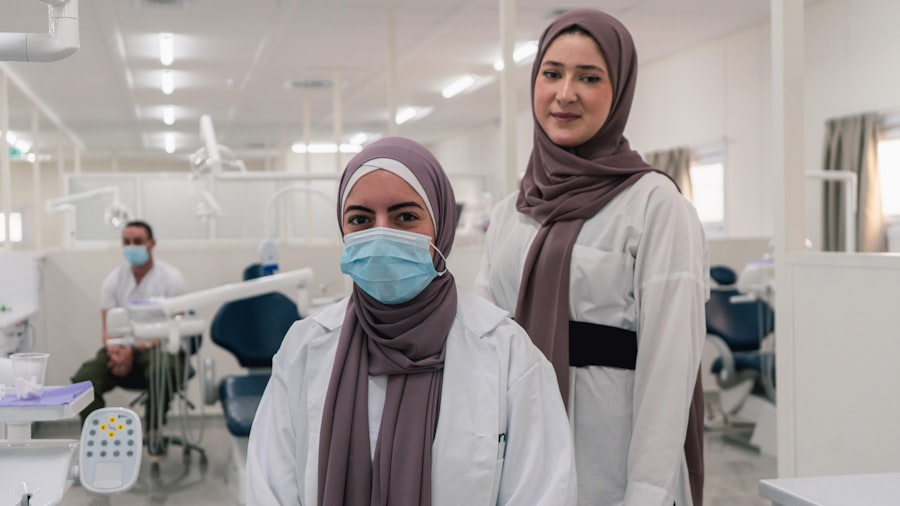
Ethical considerations are at the forefront of clinical research nursing practice. The principle of informed consent is paramount; patients must fully understand what participation entails before agreeing to join a study. Clinical research nurses play a critical role in ensuring that consent forms are clear and comprehensible, allowing patients to make informed choices about their involvement.
This process requires not only a thorough understanding of the study but also sensitivity to patients’ individual circumstances and concerns. Additionally, clinical research nurses must navigate complex ethical dilemmas that may arise during trials. For example, they may encounter situations where a patient’s health status changes during a study, raising questions about whether it is ethical to continue their participation.
In such cases, clinical research nurses must advocate for the patient’s best interests while adhering to the study protocol and regulatory guidelines. This delicate balance requires strong ethical reasoning skills and a commitment to upholding the highest standards of patient care.
Advancements in Patient Care Due to Clinical Research Nursing
The contributions of clinical research nurses have led to significant advancements in patient care across various medical fields. For instance, breakthroughs in oncology have been made possible through rigorous clinical trials that test new chemotherapy regimens or immunotherapies. Clinical research nurses have been instrumental in these studies, ensuring that patients receive appropriate care while contributing valuable data that informs treatment protocols.
Moreover, advancements in personalized medicine owe much to the work of clinical research nurses who facilitate studies exploring genetic factors influencing treatment responses. By collecting detailed patient histories and biological samples, they help researchers identify biomarkers that can predict which patients will benefit from specific therapies. This shift towards tailored treatments not only enhances efficacy but also minimizes unnecessary side effects for patients, ultimately leading to improved quality of life.
The Future of Clinical Research Nursing
As healthcare continues to evolve, so too will the role of clinical research nurses. The integration of technology into clinical trials is expected to expand significantly, with innovations such as telemedicine and remote monitoring becoming more prevalent. Clinical research nurses will need to adapt to these changes by developing new skills related to digital health technologies and data management systems.
Furthermore, as patient-centered care becomes increasingly emphasized in healthcare policy, clinical research nurses will play a crucial role in ensuring that patient perspectives are integrated into study designs. Their ability to advocate for patients will be essential in shaping future research agendas that prioritize not only scientific rigor but also ethical considerations and patient well-being. The future landscape of clinical research nursing promises to be dynamic and impactful, with these professionals at the forefront of advancing medical science while championing patient care.
