

A Clinical Research Assistant I (CRA I) is an entry-level position in clinical research that supports the conduct of clinical trials and research studies. CRA I professionals work under the supervision of senior clinical research staff, including Clinical Research Coordinators and Clinical Research Associates, to ensure trials comply with regulatory requirements and established protocols. The primary responsibilities of a CRA I include participant recruitment and screening, data collection and management, and preparation of study documentation.
These tasks are fundamental to the clinical trial process and contribute to the development of new medical treatments, pharmaceuticals, and therapeutic interventions. The position requires precision and attention to detail, as data accuracy directly affects research outcomes and study validity. CRA I staff must follow established procedures systematically to maintain research integrity and ensure compliance with regulatory standards.

This role typically serves as an entry point for individuals seeking to establish careers in clinical research.
Key Takeaways
- Clinical Research Assistant I supports clinical trials by managing data, coordinating with teams, and ensuring protocol compliance.
- Entry-level positions typically require a bachelor’s degree in a related field and specialized training in clinical research.
- Key skills include attention to detail, communication, organizational abilities, and knowledge of regulatory standards.
- Job outlook is positive with competitive salaries and opportunities for advancement into higher research roles.
- Finding jobs involves networking, utilizing job boards, and applying through healthcare and research institutions.
Education and Training Requirements for Clinical Research Assistant I Jobs

To embark on a career as a Clinical Research Assistant I, candidates typically need a minimum of a bachelor’s degree in a relevant field such as life sciences, nursing, or public health. This foundational education provides aspiring CRAs with essential knowledge about human biology, pharmacology, and research methodologies. Some institutions may also offer specialized programs or certifications in clinical research that can enhance a candidate’s qualifications and make them more competitive in the job market.
In addition to formal education, practical experience is highly valued in this field. Many candidates gain relevant experience through internships or volunteer positions in clinical settings, which can provide hands-on exposure to the processes involved in clinical trials. Training programs may also be available through employers or professional organizations, focusing on Good Clinical Practice (GCP) guidelines, regulatory compliance, and data management techniques.
Such training not only equips CRAs I with the necessary skills but also helps them understand the ethical considerations involved in conducting research with human subjects.
Responsibilities and Duties of a Clinical Research Assistant I
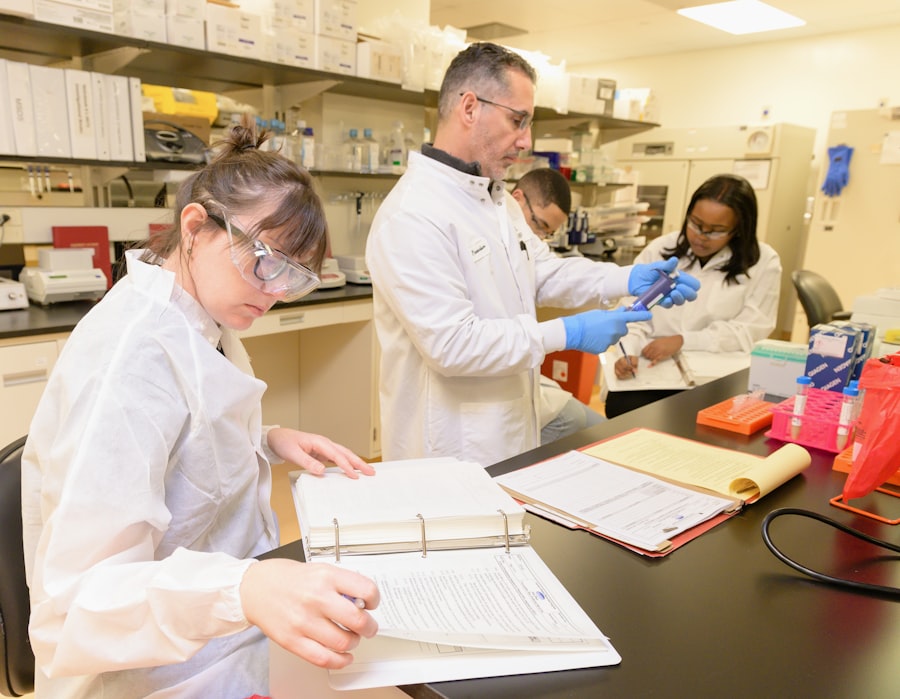
The responsibilities of a Clinical Research Assistant I are diverse and multifaceted, reflecting the various stages of clinical trials. One of their primary duties is participant recruitment, which involves identifying potential candidates who meet specific inclusion criteria for a study. This process may require conducting interviews, explaining the study’s purpose and procedures to participants, and obtaining informed consent.
Effective communication skills are crucial here, as CRAs I must ensure that participants fully understand what their involvement entails. Once participants are enrolled in a study, CRAs I are responsible for collecting and managing data throughout the trial. This includes maintaining accurate records of participant information, monitoring adherence to study protocols, and documenting any adverse events or deviations from the protocol.
They may also assist in preparing reports for regulatory agencies and contribute to the analysis of data collected during the trial. Attention to detail is paramount in this role; even minor errors can lead to significant consequences for the study’s validity and reliability.
Skills and Qualities Needed for Clinical Research Assistant I Jobs
To excel as a Clinical Research Assistant I, individuals must possess a unique blend of technical skills and personal qualities. Strong organizational skills are essential for managing multiple tasks simultaneously while adhering to strict timelines. CRAs I often juggle various responsibilities, from participant recruitment to data management, necessitating an ability to prioritize effectively and maintain meticulous records.
In addition to organizational skills, effective communication is critical in this role. CRAs I must interact with a diverse range of stakeholders, including participants, healthcare professionals, and regulatory bodies. The ability to convey complex information clearly and concisely is vital for ensuring that all parties understand their roles and responsibilities within the study.
Furthermore, a strong ethical foundation is necessary for navigating the challenges associated with conducting research involving human subjects. CRAs I must be committed to upholding ethical standards and protecting participant rights throughout the research process.
Job Outlook and Salary Information for Clinical Research Assistant I Positions
| Metric | Value | Details |
|---|---|---|
| Average Salary | 48,000 | Annual median salary in USD |
| Job Growth Rate | 7% | Projected growth over 10 years |
| Top Employers | Hospitals, Universities, Pharma Companies | Common sectors hiring Clinical Research Assistant I |
| Required Education | Bachelor’s Degree | Typically in life sciences or related field |
| Key Skills | Data Collection, Patient Interaction, Regulatory Compliance | Essential skills for the role |
| Average Experience | 0-2 years | Entry-level position |
| Job Satisfaction | High | Based on employee reviews and surveys |
The job outlook for Clinical Research Assistants is promising, driven by the ongoing growth of the healthcare and pharmaceutical industries. As new treatments and therapies continue to emerge, the demand for skilled professionals who can support clinical trials is expected to rise. According to the U.S. Bureau of Labor Statistics (BLS), employment opportunities for medical and clinical laboratory technologists and technicians—categories that include CRAs—are projected to grow by approximately 11% from 2020 to 2030, which is faster than the average for all occupations. In terms of salary, Clinical Research Assistants I can expect to earn a competitive wage that varies based on factors such as geographic location, level of education, and years of experience. As of 2023, entry-level CRAs typically earn an annual salary ranging from $40,000 to $60,000. Those working in metropolitan areas or specialized research institutions may command higher salaries due to increased demand for their expertise. Additionally, as CRAs gain experience and advance in their careers, they can expect their earning potential to increase significantly.
Advancement Opportunities for Clinical Research Assistant I

For those starting their careers as Clinical Research Assistants I, there are numerous pathways for advancement within the field of clinical research. With experience and additional training or education, CRAs can progress to more senior roles such as Clinical Research Coordinator (CRC) or Clinical Research Associate (CRA). These positions typically involve greater responsibilities, including overseeing entire studies or managing relationships with sponsors and regulatory agencies.
Moreover, pursuing certifications from recognized organizations such as the Association of Clinical Research Professionals (ACRP) or the Society of Clinical Research Associates (SoCRA) can enhance career prospects. These certifications demonstrate a commitment to professional development and adherence to industry standards. Additionally, some CRAs choose to specialize in specific areas of clinical research, such as oncology or pediatrics, which can further enhance their expertise and marketability within the field.
Challenges and Rewards of Working as a Clinical Research Assistant I
Working as a Clinical Research Assistant I presents both challenges and rewards that can shape an individual’s career experience. One significant challenge is the fast-paced nature of clinical research environments. CRAs I often face tight deadlines and must adapt quickly to changes in study protocols or participant availability.
This dynamic environment can be stressful but also offers opportunities for personal growth and skill development. On the rewarding side, CRAs I have the unique opportunity to contribute to advancements in medical science that can improve patient care and outcomes. Being part of a team that develops new treatments or therapies can be incredibly fulfilling.
Additionally, working closely with participants allows CRAs I to witness firsthand the impact of their work on individuals’ lives. The knowledge that their efforts play a crucial role in advancing healthcare can provide a strong sense of purpose and motivation.
How to Find and Apply for Clinical Research Assistant I Jobs
Finding and applying for Clinical Research Assistant I positions requires a strategic approach that leverages various resources. Job seekers can begin by exploring online job boards such as Indeed, Glassdoor, or LinkedIn, where many organizations post openings for entry-level positions in clinical research. Networking within professional organizations related to clinical research can also be beneficial; attending conferences or workshops provides opportunities to connect with industry professionals who may have insights into job openings.
When applying for positions, candidates should tailor their resumes and cover letters to highlight relevant education, experience, and skills that align with the job description. Emphasizing any internships or volunteer work in clinical settings can help demonstrate practical experience in the field. Additionally, preparing for interviews by researching common questions related to clinical research roles can enhance candidates’ confidence and performance during the hiring process.
By taking these proactive steps, aspiring Clinical Research Assistants I can increase their chances of securing a position in this rewarding field.
