

Clinical research forms the foundation of contemporary medical practice by establishing systematic methods for disease comprehension, therapeutic development, and patient outcome enhancement. This field includes diverse study types, ranging from initial safety assessments of experimental medications to comprehensive evaluations of proven treatments. The importance of clinical research is fundamental to evidence-based healthcare, enabling medical professionals to make data-driven treatment decisions.
The COVID-19 vaccine development exemplifies this process, as clinical trials were essential for establishing safety and effectiveness profiles prior to public distribution. Clinical research additionally contributes to the identification of novel therapeutic targets and elucidation of disease pathophysiology. Through examination of genetic, environmental, and behavioral factors and their interactions with health outcomes, researchers develop individualized treatment strategies.

This progression toward precision medicine is transforming the management of conditions including cancer, diabetes, and cardiovascular disease. Cancer treatment has particularly benefited from clinical research that identifies specific tumor genetic alterations, resulting in targeted therapies that demonstrate improved efficacy and reduced toxicity compared to conventional approaches.
Key Takeaways
- Clinical research is essential for developing new medical treatments and improving patient outcomes.
- Masters-level clinical research professionals play a key role in designing and managing studies that enhance patient care.
- Conducting clinical research involves rigorous protocols, data collection, and analysis to ensure valid results.
- Ethical standards are critical in clinical research to protect patient rights and maintain study integrity.
- Collaboration between institutions and experts drives innovation and advances the future of clinical research.
The Role of Masters Clinical Research in Improving Patient Care

Masters in Clinical Research programs are designed to equip professionals with the knowledge and skills necessary to conduct high-quality research that directly impacts patient care. These programs emphasize the importance of evidence-based practice, teaching students how to critically evaluate research findings and apply them in clinical settings. Graduates of these programs often find themselves at the forefront of clinical trials, where they can influence the development of new therapies and interventions that improve patient outcomes.
In addition to enhancing research skills, Masters in Clinical Research programs foster a deep understanding of regulatory requirements and ethical considerations in conducting studies. This knowledge is essential for ensuring that patient safety is prioritized throughout the research process. For instance, understanding the principles of Good Clinical Practice (GCP) helps researchers design studies that minimize risks to participants while maximizing the potential for meaningful results.
By bridging the gap between research and clinical practice, these programs empower healthcare professionals to advocate for their patients and contribute to the advancement of medical knowledge.
The Process of Conducting Clinical Research Studies
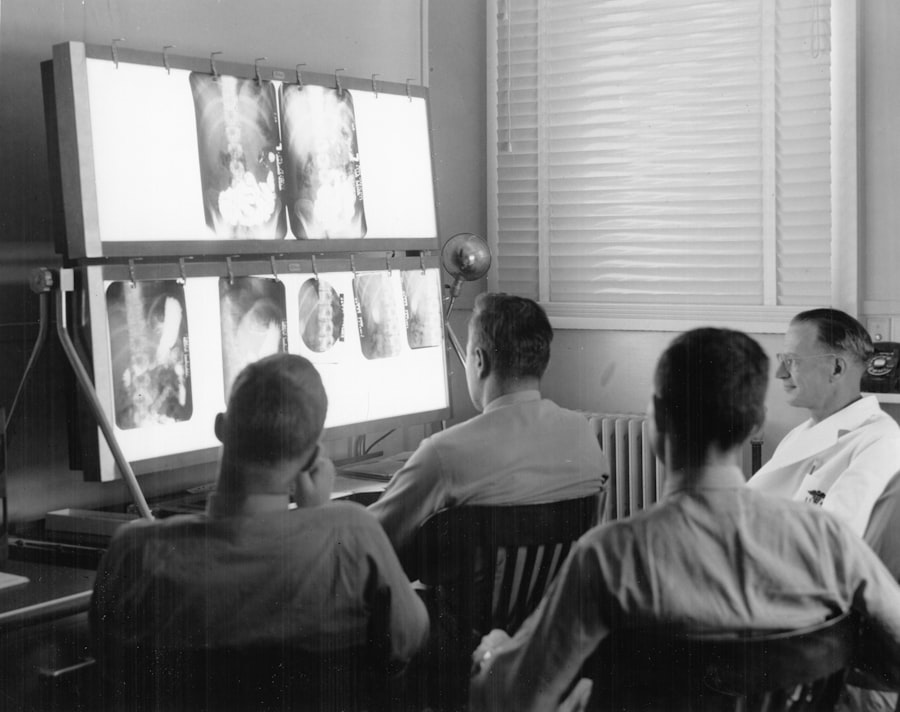
Conducting clinical research studies involves a systematic approach that begins with identifying a research question or hypothesis. This initial step is critical as it guides the entire study design and methodology. Researchers must conduct a thorough literature review to understand existing knowledge and identify gaps that their study could address.
Once a clear question is established, researchers develop a study protocol that outlines the objectives, design, methodology, and statistical analysis plan. Recruitment of participants is another vital component of clinical research. Researchers must ensure that they have a representative sample that reflects the population affected by the condition being studied.
This often involves obtaining informed consent from participants, which requires clear communication about the study’s purpose, procedures, potential risks, and benefits. Once participants are enrolled, data collection begins, which may involve various methods such as surveys, laboratory tests, or imaging studies. Throughout this process, researchers must adhere to strict ethical guidelines and regulatory requirements to protect participant rights and ensure data integrity.
The Impact of Masters Clinical Research on Medical Innovation
Masters in Clinical Research programs significantly contribute to medical innovation by training professionals who are adept at translating scientific discoveries into practical applications. Graduates are equipped with the skills necessary to design and implement clinical trials that test new therapies or interventions. Their expertise is crucial in navigating the complexities of trial design, including randomization, blinding, and control groups, which are essential for producing reliable results.
Furthermore, these programs emphasize collaboration across disciplines, fostering an environment where researchers can work alongside clinicians, biostatisticians, and regulatory experts. This interdisciplinary approach enhances the quality of research and accelerates the translation of findings into clinical practice. For example, a graduate might collaborate with oncologists to develop a trial for a novel cancer treatment while also working with biostatisticians to analyze data effectively.
Such collaborations not only enhance the rigor of research but also ensure that innovations are grounded in real-world clinical needs.
Ethical Considerations in Masters Clinical Research
| Metric | Description | Typical Range/Value | Importance |
|---|---|---|---|
| Program Duration | Length of time to complete the master’s degree | 1 to 2 years | Determines time commitment and depth of study |
| Credit Hours | Total academic credits required for graduation | 30 to 45 credits | Indicates workload and course requirements |
| Core Courses | Essential subjects covered in the curriculum | Biostatistics, Epidemiology, Clinical Trial Design, Regulatory Affairs | Builds foundational knowledge for clinical research |
| Research Project/Thesis | Requirement to complete an original research study | Mandatory in most programs | Develops practical research skills and expertise |
| Internship/Practicum | Hands-on clinical research experience | 3 to 6 months | Provides real-world exposure and networking opportunities |
| Graduation Rate | Percentage of students completing the program | 70% to 90% | Reflects program effectiveness and student support |
| Job Placement Rate | Percentage of graduates employed in clinical research roles | 60% to 85% within 6 months | Indicates career prospects and industry demand |
| Average Starting Salary | Typical salary range for graduates entering the field | 50,000 to 75,000 per year | Reflects market value and return on investment |
| Accreditation | Recognition by relevant educational and professional bodies | Yes (e.g., ACRP, SOCRA) | Ensures quality and credibility of the program |
Ethical considerations are paramount in clinical research, particularly when human subjects are involved. Masters in Clinical Research programs instill a strong ethical framework in their students, emphasizing the importance of informed consent, confidentiality, and the right to withdraw from a study at any time without penalty. Researchers must ensure that participants fully understand what participation entails and any potential risks involved.
Additionally, ethical oversight is provided by Institutional Review Boards (IRBs), which review study protocols to ensure they meet ethical standards before research can commence. This oversight is crucial for protecting vulnerable populations who may be at greater risk during clinical trials. For instance, studies involving children or individuals with cognitive impairments require additional safeguards to ensure their rights and welfare are prioritized.
By instilling a strong ethical foundation in future researchers, Masters in Clinical Research programs help maintain public trust in the research process and promote responsible conduct in scientific inquiry.
Career Opportunities in Masters Clinical Research

Graduates of Masters in Clinical Research programs have a wide array of career opportunities available to them across various sectors within healthcare and academia. Many find positions within pharmaceutical companies or biotechnology firms where they contribute to the design and management of clinical trials aimed at bringing new drugs to market. These roles often involve coordinating trial logistics, ensuring compliance with regulatory standards, and analyzing data to assess treatment efficacy.
In addition to industry roles, graduates may also pursue careers in academic research institutions or government agencies where they can engage in public health research or policy development. Positions within these organizations often focus on epidemiological studies or health services research aimed at improving healthcare delivery systems. Furthermore, some graduates choose to work in regulatory affairs or clinical research organizations (CROs), where they play critical roles in ensuring that studies adhere to ethical guidelines and regulatory requirements.
The Future of Masters Clinical Research in Advancing Medicine
The future of Masters in Clinical Research is poised for significant growth as the demand for skilled professionals continues to rise in response to an increasingly complex healthcare landscape. With advancements in technology such as artificial intelligence and big data analytics, researchers are now able to analyze vast amounts of information more efficiently than ever before. This evolution presents new opportunities for clinical researchers to harness these tools for better study designs and more robust data analysis.
Moreover, as personalized medicine becomes more prevalent, there will be an increasing need for researchers who can navigate the intricacies of tailoring treatments based on individual patient characteristics. Masters programs will likely adapt their curricula to include training on genomics and bioinformatics, equipping graduates with the skills necessary to contribute meaningfully to this evolving field. As healthcare continues to advance through innovative research practices, those with advanced degrees in clinical research will be at the forefront of shaping future medical breakthroughs.
Collaborations and Partnerships in Masters Clinical Research
Collaboration is a cornerstone of successful clinical research, particularly within Masters programs that emphasize interdisciplinary approaches. Partnerships between academic institutions, healthcare providers, pharmaceutical companies, and regulatory bodies enhance the quality and impact of research initiatives. These collaborations allow for resource sharing, knowledge exchange, and access to diverse expertise that can lead to more comprehensive study designs.
For example, partnerships between universities and hospitals can facilitate access to patient populations for clinical trials while also providing students with hands-on experience in real-world settings. Additionally, collaborations with industry partners can provide funding opportunities and access to cutting-edge technologies that enhance research capabilities. As the landscape of clinical research continues to evolve, fostering strong partnerships will be essential for driving innovation and improving patient care outcomes across various medical fields.
