

The Stowers Institute for Medical Research, located in Kansas City, Missouri, is a prominent biomedical research center founded in 2000 by Jim and Virginia Stowers. The institute focuses on advancing scientific knowledge through fundamental research into the genetic and molecular mechanisms underlying diseases. This basic research serves as the foundation for future medical breakthroughs that may improve patient care and treatment options.
The institute emphasizes collaboration and interdisciplinary research approaches. Scientists from various fields including genetics, cell biology, and biochemistry work together, creating an environment that facilitates the exchange of ideas and methodologies. This collaborative structure enables researchers to address complex biological questions with significant implications for human health.

The institute’s advanced facilities and resources have established it as a leading institution in medical research.
Key Takeaways
- Stowers Institute focuses on pioneering medical research to drive significant breakthroughs.
- Their innovative approach combines basic science with cutting-edge technology.
- Key discoveries from the institute have advanced understanding of complex diseases.
- Collaborations with global partners enhance the scope and impact of their research.
- The institute plays a crucial role in shaping future medical treatments and therapies.
Understanding the Importance of Medical Breakthroughs

Medical breakthroughs are pivotal moments in the history of healthcare that can lead to significant improvements in patient outcomes and quality of life. These breakthroughs often arise from a deep understanding of biological processes and diseases, which can then be translated into effective treatments or preventive measures. The importance of such advancements cannot be overstated; they have the potential to eradicate diseases, enhance longevity, and improve the overall well-being of populations.
For instance, the development of vaccines has played a crucial role in controlling infectious diseases, while advancements in cancer therapies have transformed previously terminal diagnoses into manageable conditions. Moreover, medical breakthroughs often serve as catalysts for further research and innovation. When a new treatment is discovered or a disease mechanism is elucidated, it opens up new avenues for exploration and inquiry.
This ripple effect can lead to additional discoveries that may not have been possible without the initial breakthrough. For example, the identification of specific genetic mutations associated with certain cancers has paved the way for targeted therapies that are tailored to individual patients’ genetic profiles. Such personalized medicine represents a paradigm shift in how healthcare is delivered, emphasizing the need for ongoing research to uncover new insights.
Stowers Institute’s Approach to Research

The Stowers Institute employs a unique approach to research that emphasizes curiosity-driven science and a commitment to understanding the fundamental principles of biology. Researchers at the institute are encouraged to pursue their scientific questions with creativity and rigor, often leading to unexpected discoveries that challenge existing paradigms. This approach is grounded in the belief that basic research is essential for translating scientific knowledge into practical applications that can benefit society.
One of the hallmarks of the Stowers Institute’s research strategy is its focus on model organisms, particularly zebrafish and mice. These organisms serve as powerful tools for studying complex biological processes due to their genetic similarities to humans and their relatively simple experimental manipulation. For instance, zebrafish are transparent during early development, allowing researchers to observe cellular processes in real-time.
This capability has led to significant insights into developmental biology and disease mechanisms. By utilizing these model systems, Stowers researchers can investigate fundamental questions about gene function, cellular behavior, and disease progression in ways that would be challenging or impossible in human subjects.
Key Discoveries and Innovations
The Stowers Institute has made numerous key discoveries that have advanced our understanding of various biological processes and diseases. One notable area of research is the study of stem cells and their role in development and regeneration. Researchers at Stowers have uncovered critical insights into how stem cells differentiate into specialized cell types, which has implications for regenerative medicine and tissue engineering.
For example, studies on hematopoietic stem cells have revealed mechanisms that govern blood cell formation, providing potential avenues for treating blood disorders such as leukemia. Another significant area of innovation at the Stowers Institute is cancer research. Scientists have identified specific genetic mutations that drive tumorigenesis in various cancers, leading to the development of targeted therapies that can more effectively treat these conditions.
The work on understanding the tumor microenvironment has also shed light on how cancer cells interact with surrounding tissues, influencing their growth and metastasis. These discoveries not only enhance our understanding of cancer biology but also inform clinical strategies for improving patient outcomes.
Impact of Stowers Institute’s Research on Medicine
| Metric | Value | Details |
|---|---|---|
| Founded | 1994 | Year the institute was established |
| Location | Kansas City, Missouri, USA | Main campus location |
| Research Focus | Biomedical Research | Includes genetics, cell biology, and developmental biology |
| Number of Faculty | ~100 | Principal investigators and research faculty |
| Annual Publications | 150+ | Peer-reviewed scientific articles published yearly |
| Core Facilities | 10+ | Includes genomics, microscopy, and proteomics cores |
| PhD Programs | Collaborative with local universities | Training and education for graduate students |
| Endowment | Substantial | Supports independent research funding |
The impact of the Stowers Institute’s research extends far beyond the laboratory; it has profound implications for medicine and public health. By elucidating the underlying mechanisms of diseases, Stowers researchers contribute to the development of novel therapeutic strategies that can improve patient care. For instance, advancements in understanding genetic disorders have led to innovative gene therapies that hold promise for treating conditions previously deemed untreatable.
Moreover, the institute’s commitment to translating basic research into clinical applications has fostered collaborations with pharmaceutical companies and healthcare institutions. These partnerships facilitate the movement of discoveries from bench to bedside, ensuring that scientific advancements reach patients in a timely manner. The Stowers Institute’s emphasis on interdisciplinary collaboration also enhances its ability to address complex health challenges, ultimately leading to more effective treatments and improved health outcomes for diverse populations.
Collaborations and Partnerships in Medical Research
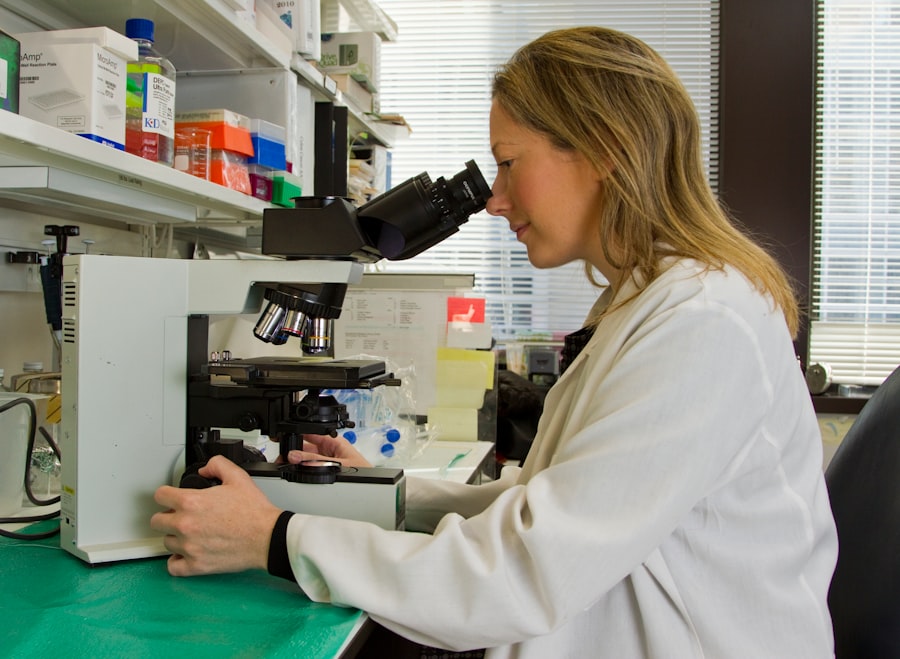
Collaboration is a cornerstone of the Stowers Institute’s research philosophy. The institute actively seeks partnerships with other academic institutions, industry leaders, and healthcare organizations to enhance its research capabilities and broaden its impact. These collaborations often involve sharing resources, expertise, and data, which can accelerate the pace of discovery and innovation.
One notable example of collaboration is the partnership between the Stowers Institute and local hospitals and clinics. This relationship allows researchers to access clinical samples and patient data, providing valuable insights into disease mechanisms and treatment responses. Such collaborations not only enrich the research process but also ensure that findings are relevant to real-world clinical challenges.
Additionally, partnerships with biotechnology companies enable researchers at Stowers to translate their discoveries into potential therapies more efficiently, bridging the gap between laboratory research and clinical application.
Future Directions and Potential Breakthroughs
As the field of biomedical research continues to evolve, the Stowers Institute is poised to remain at the forefront of scientific discovery. Future directions for research at Stowers include exploring the complexities of human genetics and its implications for health and disease. With advancements in genomic technologies, researchers are now able to analyze vast amounts of genetic data, uncovering new associations between genetic variations and disease susceptibility.
Another promising area of exploration is the intersection of artificial intelligence (AI) and biomedical research. The integration of AI technologies into data analysis can enhance researchers’ ability to identify patterns and make predictions about disease progression or treatment responses. By harnessing these cutting-edge tools, scientists at Stowers can accelerate their discoveries and develop more effective therapeutic strategies.
The Role of Stowers Institute in Shaping the Future of Medicine
The Stowers Institute for Medical Research plays a critical role in shaping the future of medicine through its unwavering commitment to scientific excellence and innovation. By focusing on fundamental biological questions and fostering a collaborative research environment, the institute is well-positioned to make significant contributions to our understanding of health and disease. The discoveries made at Stowers not only advance scientific knowledge but also have tangible impacts on patient care and public health.
As we look ahead, the ongoing work at the Stowers Institute will undoubtedly continue to influence medical practice and policy. The institute’s dedication to translating basic research into clinical applications ensures that its findings will benefit patients around the world. In an era where precision medicine is becoming increasingly important, the insights gained from Stowers’ research will be invaluable in developing targeted therapies that address individual patients’ needs.
Through its innovative approach and commitment to collaboration, the Stowers Institute is not just contributing to medical science; it is actively shaping the future landscape of healthcare.
