

Clinical cancer research encompasses the systematic investigation of cancer mechanisms and therapeutic interventions through laboratory studies and human clinical trials. This field aims to translate scientific findings into clinical applications that enhance patient treatment outcomes. Cancer ranks among the primary causes of mortality globally, necessitating continued research into novel treatment approaches and therapeutic strategies.
The field of clinical cancer research undergoes continuous development through technological innovations, expanded knowledge of cancer biology, and interdisciplinary research methodologies. Current research priorities include the development of new therapeutic agents, investigation of cancer progression pathways, analysis of treatment resistance mechanisms, and identification of genetic factors that influence individual patient responses to therapy. This multifaceted research approach addresses the complex nature of cancer pathophysiology and seeks to improve patient survival rates and quality of life outcomes.
Key Takeaways
- Clinical cancer research is essential for developing effective cancer treatments and improving patient outcomes.
- Targeted therapies focus on specific molecular targets, offering more precise and less toxic cancer treatments.
- Immunotherapy harnesses the immune system to fight cancer, showing significant promise in treating various cancers.
- Early detection and advanced diagnostic tools are critical for improving survival rates through timely intervention.
- Personalized medicine tailors treatment based on individual genetic profiles, enhancing the effectiveness of cancer therapies.

Targeted Therapies in Cancer Treatment
Targeted therapies represent a significant advancement in cancer treatment, focusing on specific molecular targets associated with cancer cells. Unlike traditional chemotherapy, which indiscriminately affects rapidly dividing cells, targeted therapies are designed to interfere with specific pathways that promote cancer growth and survival. For instance, drugs like trastuzumab (Herceptin) target the HER2 protein overexpressed in certain breast cancers, leading to improved outcomes for patients with this subtype of the disease.

The development of targeted therapies has been facilitated by the identification of genetic mutations and alterations that drive cancer. For example, the discovery of mutations in the BRAF gene has led to the creation of BRAF inhibitors such as vemurafenib, which have shown remarkable efficacy in treating melanoma patients with BRAF V600E mutations. These therapies not only enhance treatment efficacy but also reduce side effects compared to conventional treatments, as they are less likely to affect normal cells.
The ongoing research into biomarkers continues to refine patient selection for targeted therapies, ensuring that individuals receive the most appropriate treatment based on their tumor’s genetic profile.
Immunotherapy and its Impact on Cancer Treatment

Immunotherapy has revolutionized the landscape of cancer treatment by harnessing the body’s immune system to fight cancer cells. This approach has gained significant traction over the past decade, with therapies such as checkpoint inhibitors and CAR T-cell therapy demonstrating remarkable success in various malignancies. Checkpoint inhibitors, such as pembrolizumab (Keytruda) and nivolumab (Opdivo), work by blocking proteins that inhibit immune responses, thereby allowing T-cells to recognize and attack cancer cells more effectively.
The impact of immunotherapy on patient outcomes has been profound, particularly in cancers previously deemed difficult to treat. For instance, patients with advanced melanoma or non-small cell lung cancer have experienced durable responses and improved survival rates due to these innovative treatments. Moreover, the concept of combining immunotherapy with other modalities, such as chemotherapy or targeted therapy, is being actively explored in clinical trials to enhance efficacy further.
The ability of immunotherapy to induce long-lasting immune memory also raises hopes for potential cures in certain cancers.
Advancements in Early Detection and Diagnosis of Cancer
Early detection and accurate diagnosis are critical components in the fight against cancer, significantly influencing treatment outcomes and survival rates. Recent advancements in imaging technologies, biomarker discovery, and liquid biopsy techniques have transformed how cancers are detected and diagnosed. For example, advanced imaging modalities such as PET-CT scans provide detailed insights into tumor metabolism and can detect malignancies at earlier stages than traditional imaging methods.
Liquid biopsies represent a groundbreaking approach that allows for the non-invasive detection of circulating tumor DNA (ctDNA) in blood samples. This technique not only aids in early diagnosis but also provides valuable information regarding tumor genetics and treatment response. For instance, liquid biopsies can help identify mutations that may guide targeted therapy decisions or monitor minimal residual disease after treatment.
The integration of artificial intelligence in radiology is also enhancing diagnostic accuracy by enabling more precise interpretation of imaging studies, ultimately leading to earlier intervention and improved patient outcomes.
Personalized Medicine and its Role in Cancer Research
| Metric | Value | Details |
|---|---|---|
| Impact Factor | 10.107 | 2023 Journal Citation Reports |
| Publisher | American Association for Cancer Research (AACR) | Official publisher of the journal |
| Frequency | Monthly | 12 issues per year |
| First Published | 1995 | Year of journal inception |
| ISSN | 1078-0432 | Print ISSN |
| eISSN | 1557-3265 | Electronic ISSN |
| H-Index | 150 | Indicative of journal’s citation impact |
| Acceptance Rate | 15% | Approximate rate of manuscript acceptance |
| Open Access | Hybrid | Offers both subscription and open access options |
Personalized medicine is an emerging paradigm in cancer research that tailors treatment strategies based on individual patient characteristics, including genetic makeup, tumor biology, and environmental factors. This approach recognizes that each patient’s cancer is unique and requires a customized treatment plan for optimal effectiveness. The advent of genomic sequencing technologies has been pivotal in this shift, allowing researchers to identify specific mutations and alterations within tumors that can inform therapeutic decisions.
For example, patients with non-small cell lung cancer may benefit from targeted therapies based on specific genetic alterations such as EGFR mutations or ALK rearrangements. By analyzing a patient’s tumor profile, oncologists can select treatments that are more likely to be effective while minimizing unnecessary side effects from ineffective therapies. Furthermore, ongoing research into pharmacogenomics aims to understand how genetic variations affect drug metabolism and response, paving the way for more precise dosing and treatment regimens tailored to individual patients.
Emerging Technologies in Cancer Research
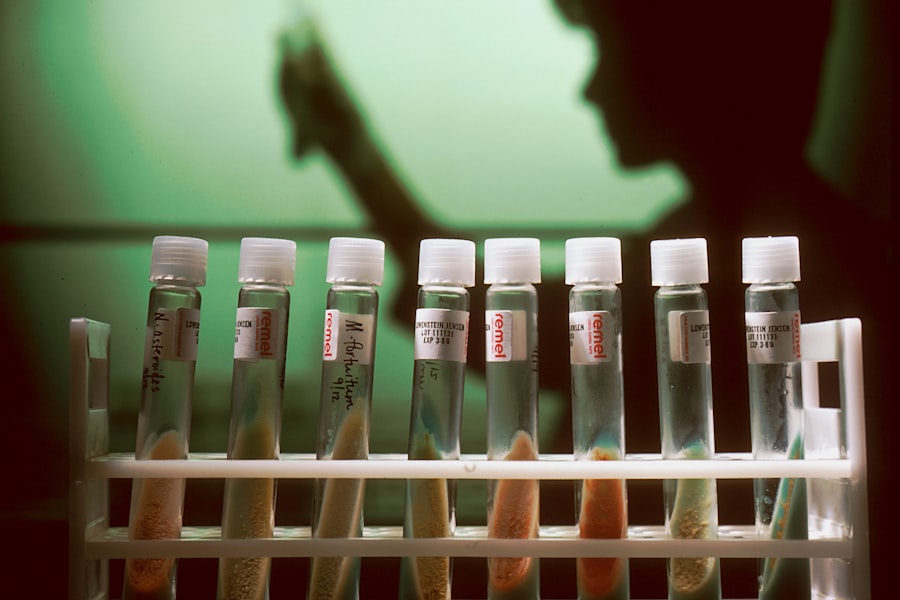
The field of cancer research is witnessing an influx of emerging technologies that are reshaping how scientists study and treat this complex disease. One notable advancement is the use of artificial intelligence (AI) and machine learning algorithms to analyze vast datasets generated from genomic studies, clinical trials, and patient records. These technologies can identify patterns and correlations that may not be apparent through traditional analytical methods, leading to new insights into cancer biology and treatment strategies.
Additionally, advancements in CRISPR-Cas9 gene editing technology have opened new avenues for cancer research by enabling precise modifications to DNA sequences within cells. This capability allows researchers to investigate the roles of specific genes in tumorigenesis and develop novel therapeutic approaches targeting these pathways. For instance, CRISPR has been utilized to create genetically modified immune cells that can better recognize and attack cancer cells, showcasing its potential in developing next-generation immunotherapies.
Clinical Trials and their Importance in Cancer Research
Clinical trials are the cornerstone of clinical cancer research, serving as the primary means through which new treatments are evaluated for safety and efficacy before they become widely available. These trials are meticulously designed to answer specific research questions while adhering to strict ethical guidelines to protect participants’ rights and well-being. The phases of clinical trials—Phase I through Phase III—allow researchers to assess various aspects of new therapies, including dosage, side effects, and overall effectiveness.
Participation in clinical trials offers patients access to cutting-edge treatments that may not yet be available through standard care options. Moreover, these trials contribute significantly to the advancement of medical knowledge by generating data that can inform future research directions and treatment protocols. For example, the success of immunotherapy in melanoma was largely driven by findings from clinical trials that demonstrated its effectiveness compared to traditional therapies.
As such, ongoing recruitment for diverse patient populations is essential to ensure that findings are applicable across different demographics.
Future Directions in Cancer Research
The future of cancer research holds immense promise as scientists continue to unravel the complexities of this multifaceted disease. One key direction is the integration of multi-omics approaches—combining genomics, proteomics, metabolomics, and other biological data—to gain a comprehensive understanding of tumor biology. This holistic view will enable researchers to identify novel therapeutic targets and biomarkers for early detection.
Furthermore, the exploration of combination therapies is likely to play a crucial role in overcoming resistance mechanisms that often limit treatment efficacy. By strategically combining different modalities—such as immunotherapy with targeted therapy or chemotherapy—researchers aim to enhance overall treatment responses while minimizing adverse effects. As we look ahead, fostering collaboration between academia, industry, and regulatory bodies will be essential for accelerating the translation of research findings into clinical practice.
The establishment of large-scale biobanks and data-sharing initiatives will facilitate access to diverse patient samples and clinical data, driving innovation in cancer research forward. Ultimately, these efforts will contribute to a future where personalized and effective cancer treatments are accessible to all patients, significantly improving survival rates and quality of life for those affected by this devastating disease.
