
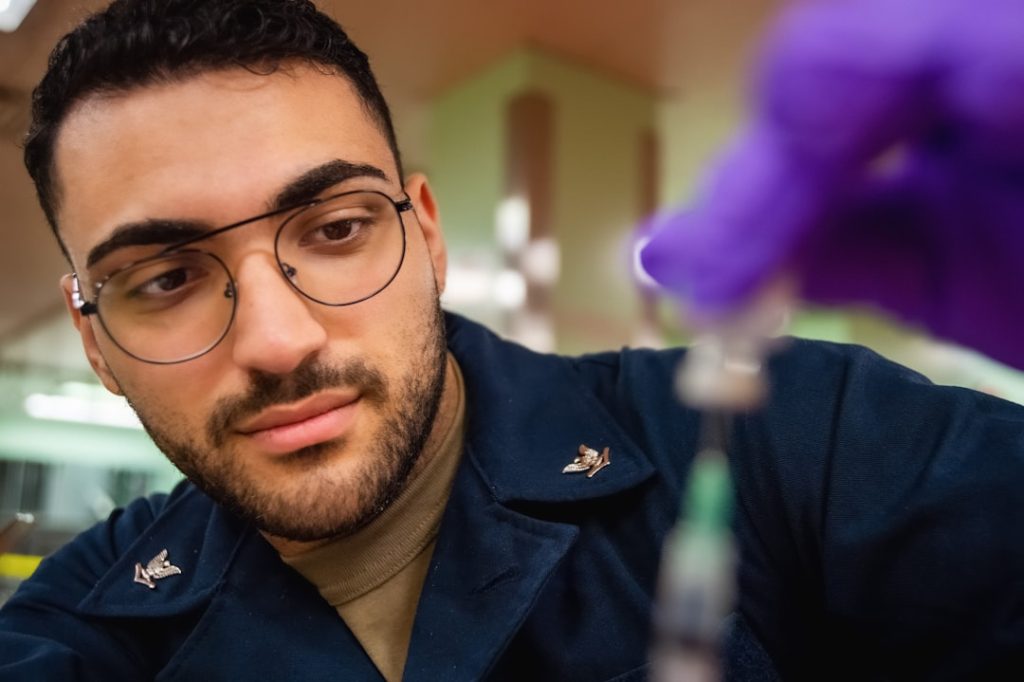
Clinical research stands as the bedrock upon which medical progress is built. It is the systematic investigation of new treatments, diagnostic tools, and preventive strategies that ultimately improves human health. Far from being a static field, clinical research is a dynamic landscape, constantly evolving with new methodologies, technologies, and scientific understanding. This article will explore recent advancements and outline the trajectory of clinical research, pointing toward a future brimming with therapeutic potential.
The journey of a drug from laboratory bench to patient bedside is a long and arduous one, historically fraught with high failure rates. However, a confluence of technological and scientific breakthroughs is significantly accelerating and refining this process.
The Impact of Artificial Intelligence and Machine Learning

Artificial intelligence (AI) and machine learning (ML) are no longer theoretical concepts in clinical research; they are actively reshaping its core operations. AI algorithms can sift through vast datasets of biological, chemical, and clinical information at speeds unattainable by human researchers.
Identifying Novel Drug Targets
Historically, identifying potential drug targets relied on a deep understanding of disease biology and often a degree of serendipity. AI can now analyze genomic, proteomic, and metabolomic data to pinpoint subtle molecular pathways that are dysregulated in disease. This allows for the identification of previously unrecognized targets, opening new avenues for therapeutic intervention. Imagine AI as a highly skilled prospector, sifting through mountains of geological data to find veins of precious ore that might have been overlooked. This enables a more focused and efficient search for the right key to unlock a specific biological lock.
Predicting Drug Efficacy and Toxicity

Before a molecule even enters preclinical testing, AI models can predict its likelihood of success. By analyzing the structural properties of a compound and comparing it to known drugs, AI can forecast potential efficacy against a specific disease and flag potential toxic side effects. This pre-screening capability can save considerable time and resources by de-prioritizing compounds with a low probability of success, acting as a vital filter early in the development pipeline.
Optimizing Clinical Trial Design
AI can also contribute to the design of more efficient and effective clinical trials. By analyzing historical trial data and patient characteristics, AI can help identify optimal patient populations for recruitment, predict potential treatment responses, and even forecast the likelihood of trial success. This strategic planning reduces the risk of costly trial failures and accelerates the availability of new treatments.
Advances in Omics Technologies
The “-omics” revolution, encompassing genomics, proteomics, transcriptomics, and metabolomics, has provided an unprecedented level of detail about biological systems. This granular understanding is a powerful engine for clinical research.
Precision Medicine and Targeted Therapies
The ability to analyze an individual’s genetic makeup (genomics) and the proteins they produce (proteomics) has paved the way for precision medicine. Instead of a one-size-fits-all approach, treatments can now be tailored to the specific molecular profile of a patient’s disease. This ensures that the right drug is prescribed to the right patient at the right time, maximizing efficacy and minimizing adverse reactions. Think of it as moving from a general tool chest to a finely tuned set of surgical instruments, each designed for a specific delicate task.
Biomarker Discovery
-Omics technologies are instrumental in discovering biomarkers – measurable indicators of a biological state or condition. These biomarkers can be used for early disease detection, patient stratification in clinical trials, and monitoring treatment response. The identification of reliable biomarkers acts as an early warning system, allowing for timely intervention and personalized therapeutic adjustments.
The Role of Biologics and Advanced Therapies
While small molecule drugs remain a cornerstone of therapy, the development of biologics and advanced therapies is rapidly expanding the therapeutic arsenal.
Monoclonal Antibodies and Immunotherapies
Monoclonal antibodies, engineered proteins that target specific molecules, have revolutionized the treatment of cancers and autoimmune diseases. Furthermore, immunotherapies, which harness the body’s own immune system to fight disease, have shown remarkable success, particularly in oncology. These therapies are changing the prognosis for previously intractable conditions.
Gene and Cell Therapies
Gene therapy, which aims to correct or replace faulty genes, and cell therapy, which involves transplanting cells to treat disease, represent frontier advancements. While still facing challenges, these modalities hold immense promise for treating rare genetic disorders and chronic diseases. Their development signifies a shift towards treating the root cause of disease rather than just its symptoms.
Enhancing Clinical Trial Efficiency and Patient Participation
The efficiency and inclusivity of clinical trials are critical for translating scientific discoveries into tangible patient benefits. Significant advancements are addressing these very aspects.
Decentralized Clinical Trials (DCTs)
The traditional model of clinical trials, requiring participants to visit study sites frequently, can be a significant barrier to participation. Decentralized clinical trials (DCTs) leverage technology to bring the trial to the patient, wherever they may be.
Telehealth and Remote Monitoring
Telehealth platforms allow for remote consultations and assessments, reducing the need for in-person visits. Wearable devices and home-based diagnostic tools enable continuous remote monitoring of patient vital signs and treatment adherence. This not only enhances convenience for participants but also provides richer, more real-world data.
Mobile Health and Digital Data Collection
The proliferation of smartphones and other digital devices has opened up new avenues for data collection. Mobile health (mHealth) apps can facilitate patient-reported outcomes, medication adherence tracking, and symptom diaries. This empowers patients to become active participants in their care and provides researchers with continuous, high-resolution data.
Considerations for DCTs
While DCTs offer numerous advantages, ensuring data integrity, patient safety, and equitable access remain paramount. Robust regulatory frameworks, secure data management systems, and dedicated support for participants are crucial for the successful implementation of this evolving model.
Real-World Evidence (RWE) and Real-World Data (RWD)
The vast amount of data generated outside of traditional clinical trials, known as Real-World Data (RWD), is increasingly being used to inform clinical research. Real-World Evidence (RWE), derived from RWD, offers valuable insights into how treatments perform in diverse, everyday patient populations.
Expanding the Scope of Evidence
RWD, collected from electronic health records, insurance claims, patient registries, and even social media, provides a broader perspective than the controlled environment of a clinical trial. This can capture the effectiveness and safety of treatments in a wider range of patients with varying comorbidities and lifestyles. RWE complements traditional trial data, offering a more complete picture of a treatment’s real-world impact. Imagine building a detailed map of a city from satellite imagery combined with street-level photographs; RWE adds that vital ground-level detail to the overview.
Informing Regulatory Decisions and Post-Market Surveillance
Regulatory agencies are increasingly incorporating RWE into their decision-making processes, particularly for post-market surveillance and label expansions. This allows for more agile monitoring of drug safety and effectiveness once a treatment is available to the broader population.
Patient-Centric Approaches to Trial Design
Traditionally, clinical trials were designed from a researcher-centric perspective. Increasingly, the focus is shifting towards a patient-centric approach, recognizing the invaluable role of patient perspectives in trial design and execution.
Patient Advocacy and Input
Patient advocacy groups are playing a more prominent role in informing clinical trial design, helping to define meaningful endpoints and ensuring that trials are feasible and relevant to patient needs. Their input can significantly improve recruitment, retention, and overall trial success.
Shared Decision-Making and Transparency
Empowering patients with clear and accessible information about clinical trials fosters trust and encourages participation. Shared decision-making frameworks, where patients are actively involved in decisions about their care, extend to their involvement in research.
Advancements in Diagnostic and Monitoring Technologies

Accurate and timely diagnosis is the first crucial step in effective treatment. Innovations in diagnostic and monitoring technologies are significantly enhancing our ability to identify and track diseases.
Sophisticated Imaging Techniques
Medical imaging has undergone remarkable advancements, offering increasingly detailed and non-invasive views of the human body.
AI-Enhanced Imaging Analysis
AI is transforming medical imaging by automating the detection of subtle abnormalities that might be missed by the human eye. Algorithms can analyze scans with remarkable speed and accuracy, flagging potential issues for radiologist review. This augmentation improves diagnostic efficiency and can lead to earlier detection of diseases like cancer.
Novel Imaging Modalities
New imaging techniques, such as advanced MRI sequences and novel PET tracers, are providing unprecedented insights into cellular and molecular processes. These technologies are crucial for understanding disease progression and assessing treatment response at a more fundamental level.
Liquid Biopsies and Non-Invasive Diagnostics
The advent of liquid biopsies, which analyze biological material (like blood or urine) for disease markers, is revolutionizing diagnostics.
Early Cancer Detection and Monitoring
Liquid biopsies can detect circulating tumor DNA (ctDNA) or other cancer-specific biomarkers, offering a non-invasive method for early cancer detection, monitoring treatment response, and identifying the development of drug resistance. This eliminates the need for more invasive tissue biopsies in many cases.
Tracking Infectious Diseases
Beyond oncology, liquid biopsies are also being explored for the detection and monitoring of infectious diseases, allowing for faster and more precise identification of pathogens.
Wearable Devices for Continuous Health Monitoring
The increasing sophistication and accessibility of wearable technology are enabling continuous, real-time monitoring of various physiological parameters.
Proactive Health Management
Wearable devices can track heart rate, sleep patterns, physical activity, and even blood oxygen levels, providing individuals with valuable insights into their health. This data can facilitate proactive health management and early detection of deviations from normal patterns, which might indicate the onset of a health issue.
Remote Patient Management
For patients with chronic conditions, wearable devices can provide continuous data streams to healthcare providers, enabling proactive intervention and remote management of their health. This is particularly beneficial for conditions like diabetes, cardiovascular disease, and respiratory illnesses.
Ethical and Regulatory Considerations in a Rapidly Evolving Landscape

As clinical research rapidly advances, navigating the ethical and regulatory landscape becomes increasingly complex. Ensuring patient safety, data privacy, and equitable access remains paramount.
Data Privacy and Security in the Digital Age
The increased reliance on digital data in clinical research, particularly with DCTs and RWD, raises significant concerns about data privacy and security. Robust encryption, anonymization techniques, and strict access controls are essential to safeguard sensitive patient information.
GDPR and HIPAA Compliance
Adherence to regulations like the General Data Protection Regulation (GDPR) in Europe and the Health Insurance Portability and Accountability Act (HIPAA) in the United States is crucial for ethical and legal data handling.
Equitable Access to Clinical Research
Ensuring that the benefits of clinical research are accessible to all populations, regardless of socioeconomic status, race, or geographic location, is a critical ethical imperative.
Addressing Health Disparities
Clinical trials have historically struggled with underrepresentation of certain demographic groups. Efforts to increase diversity in trial participation are vital to ensure that new treatments are safe and effective for everyone. This may involve implementing culturally sensitive recruitment strategies and providing logistical support to overcome barriers to participation.
Global Health Equity
The pursuit of medical advancements should not be confined to developed nations. Ensuring equitable access to promising new treatments and the opportunity to participate in research for individuals in low- and middle-income countries is a significant ethical challenge.
The Evolving Role of Regulatory Agencies
Regulatory bodies like the Food and Drug Administration (FDA) and the European Medicines Agency (EMA) are continuously adapting their frameworks to accommodate the rapid pace of innovation in clinical research.
Streamlining Approval Processes
While maintaining rigorous safety and efficacy standards, regulatory agencies are exploring ways to streamline approval processes for promising therapies, particularly for rare diseases and unmet medical needs. This involves flexible pathways for review and the use of real-world evidence.
Adapting to New Technologies
Regulatory bodies are also working to establish guidelines and standards for novel technologies, such as AI in drug development and decentralized clinical trials, to ensure their responsible and effective integration into medical practice.
The Future Outlook: A Horizon of Hope and Innovation
| Metric | Description | Value | Unit |
|---|---|---|---|
| Number of IRT Clinical Trials | Total clinical trials utilizing Interactive Response Technology | 1,250 | Trials |
| Average Enrollment Time | Average time taken to enroll patients using IRT systems | 15 | Days |
| Randomization Accuracy | Percentage accuracy of patient randomization via IRT | 99.8 | % |
| Drug Supply Management Efficiency | Improvement in drug supply chain management using IRT | 30 | % Increase |
| Protocol Deviation Reduction | Reduction in protocol deviations due to IRT monitoring | 25 | % Decrease |
| System Downtime | Average downtime of IRT systems during trials | 0.5 | Hours per month |
| Patient Retention Rate | Percentage of patients retained in trials using IRT | 92 | % |
The trajectory of clinical research points towards a future where diseases are detected earlier, treated more effectively, and potentially even prevented. The convergence of technology, scientific understanding, and a patient-centric ethos is a powerful catalyst for medical progress.
Proactive and Predictive Healthcare
The advancements in diagnostics, monitoring, and personalized medicine are shifting the paradigm from reactive treatment to proactive and predictive healthcare. By identifying individual risk factors and early disease signatures, interventions can be implemented before conditions become severe, leading to better health outcomes and reduced healthcare burdens.
Eradicating or Managing Previously Incurable Diseases
The continued development of gene therapies, immunotherapies, and highly targeted treatments offers the tantalizing prospect of eradicating or transforming previously incurable diseases into manageable chronic conditions. The breakthroughs in areas like gene editing hold the potential to correct the underlying genetic causes of many debilitating illnesses.
The Power of Collaboration and Interdisciplinary Research
The complex challenges of modern medicine demand collaboration across disciplines. The future of clinical research will increasingly rely on interdisciplinary teams comprising clinicians, scientists, engineers, data analysts, ethicists, and patient advocates working in concert. This cross-pollination of ideas and expertise is essential for tackling multifaceted health issues.
A Continued Commitment to Patient Well-being
At the heart of all advancements in clinical research lies an unwavering commitment to improving patient well-being. As we continue to push the boundaries of scientific knowledge, the ultimate goal remains to alleviate suffering, extend healthy lifespans, and enhance the quality of life for all. The journey is ongoing, but the progress made and the innovations on the horizon paint a picture of a brighter, healthier future.
