

Medical beauty research represents a fascinating intersection of healthcare and aesthetics, where scientific inquiry meets the desire for enhanced physical appearance. This field encompasses a wide array of disciplines, including dermatology, plastic surgery, and cosmetic science, all aimed at improving not only the external features of individuals but also their psychological well-being. As societal standards of beauty evolve, so too does the research that underpins the techniques and technologies used in cosmetic procedures.
The growing demand for aesthetic enhancements has spurred significant investment in research and development, leading to innovative solutions that are both effective and safe. The importance of medical beauty research cannot be overstated, as it not only addresses the aesthetic desires of individuals but also contributes to their overall health. For instance, many cosmetic procedures can have therapeutic benefits, such as improving skin conditions or correcting physical deformities resulting from trauma or congenital issues.

As researchers delve deeper into the biological mechanisms underlying beauty and aging, they uncover new pathways for intervention that can lead to more effective treatments. This ongoing exploration is crucial in a world where the perception of beauty can significantly impact self-esteem and social interactions.
Key Takeaways
- Medical beauty research integrates science and aesthetics to enhance appearance safely and effectively.
- Innovations in cosmetic surgery focus on minimally invasive techniques and improved recovery times.
- Non-invasive procedures are advancing with technologies like laser therapy and ultrasound for skin rejuvenation.
- Stem cells and genetics play a crucial role in developing personalized and regenerative beauty treatments.
- Ethical considerations and future trends emphasize patient safety, transparency, and the integration of AI in beauty research.
Innovations in Cosmetic Surgery

Cosmetic surgery has undergone a remarkable transformation over the past few decades, driven by technological advancements and a deeper understanding of human anatomy. One of the most notable innovations is the development of minimally invasive techniques that reduce recovery time and minimize scarring. Procedures such as endoscopic surgery allow surgeons to perform complex operations through small incisions, utilizing cameras and specialized instruments.
This approach not only enhances precision but also significantly improves patient satisfaction by reducing postoperative discomfort and downtime. Another groundbreaking innovation in cosmetic surgery is the use of 3D imaging technology for preoperative planning. Surgeons can now create detailed simulations of the desired outcomes, allowing patients to visualize potential results before undergoing surgery.
This technology enhances communication between patients and surgeons, ensuring that expectations are aligned and reducing the likelihood of dissatisfaction post-procedure. Additionally, advancements in anesthesia techniques have made surgeries safer and more comfortable, further encouraging individuals to consider cosmetic enhancements.
Breakthroughs in Non-Invasive Procedures
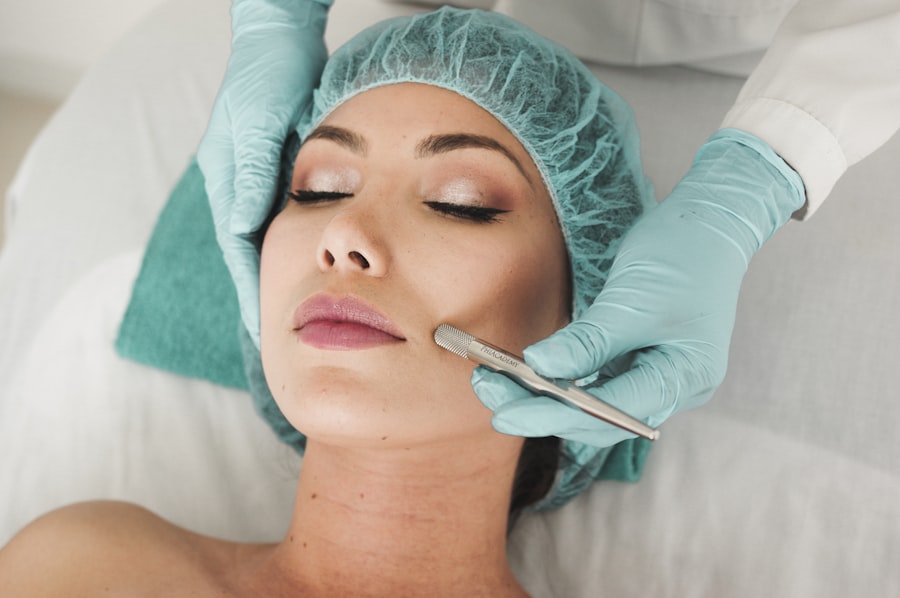
The realm of non-invasive procedures has expanded dramatically, offering individuals a plethora of options to enhance their appearance without the need for surgical intervention. One of the most significant breakthroughs in this area is the advent of injectable treatments, such as Botox and dermal fillers. These products have revolutionized the way individuals address signs of aging, allowing for quick and effective results with minimal downtime.
Botox works by temporarily paralyzing muscles to reduce the appearance of wrinkles, while fillers restore volume to areas that may have lost elasticity over time. In addition to injectables, technologies such as laser therapy and radiofrequency treatments have gained popularity for their ability to rejuvenate skin without invasive techniques. Laser treatments can target pigmentation issues, acne scars, and vascular lesions with precision, promoting skin renewal through controlled damage that stimulates collagen production.
Similarly, radiofrequency devices utilize heat to tighten skin and improve texture by stimulating underlying tissues. These non-invasive options cater to a growing demographic seeking aesthetic improvements while maintaining a natural appearance.
Advances in Skincare Technology
The skincare industry has witnessed a surge in technological advancements that enhance product efficacy and consumer experience. One notable development is the incorporation of biotechnology into skincare formulations. Ingredients derived from natural sources are being engineered at the molecular level to improve their effectiveness.
For example, peptides—short chains of amino acids—are now widely used in anti-aging products due to their ability to stimulate collagen production and improve skin elasticity. Moreover, the rise of personalized skincare is transforming how consumers approach their beauty routines. Utilizing data from skin analysis tools and genetic testing, brands are now able to create customized products tailored to individual skin types and concerns.
This level of personalization not only enhances product effectiveness but also fosters a deeper connection between consumers and brands. As technology continues to evolve, we can expect even more sophisticated formulations that address specific skin issues with unprecedented precision.
The Role of Stem Cells in Beauty Treatments
| Metric | Description | Value | Unit | Year |
|---|---|---|---|---|
| Global Market Size | Estimated market size for medical beauty products and services | 15.2 | Billion USD | 2023 |
| Annual Growth Rate | Compound annual growth rate of the medical beauty industry | 12.5 | % | 2020-2025 |
| Number of Clinical Trials | Ongoing clinical trials related to medical beauty treatments | 350 | Trials | 2023 |
| Top Research Focus | Most researched area in medical beauty | Anti-aging treatments | N/A | 2023 |
| Average Treatment Effectiveness | Reported effectiveness rate of popular medical beauty treatments | 85 | % | 2023 |
| Patient Satisfaction Rate | Percentage of patients satisfied with medical beauty procedures | 90 | % | 2023 |
Stem cell research has emerged as a promising frontier in medical beauty treatments, offering potential solutions for skin rejuvenation and repair. Stem cells possess unique regenerative properties that allow them to differentiate into various cell types, making them ideal candidates for addressing age-related skin changes. Researchers are exploring the use of stem cells derived from adipose tissue (fat) and umbilical cord blood to create treatments that can promote healing and rejuvenation at a cellular level.
One application of stem cell technology in beauty treatments is the development of stem cell serums that aim to restore youthful skin characteristics. These serums often contain growth factors and cytokines that stimulate cellular activity, promoting collagen synthesis and improving skin texture. Clinical studies have shown promising results in terms of reducing fine lines and enhancing overall skin quality.
As our understanding of stem cell biology deepens, we may see even more innovative applications in cosmetic dermatology that harness these powerful cells for aesthetic enhancement.
The Impact of Genetics on Beauty Research
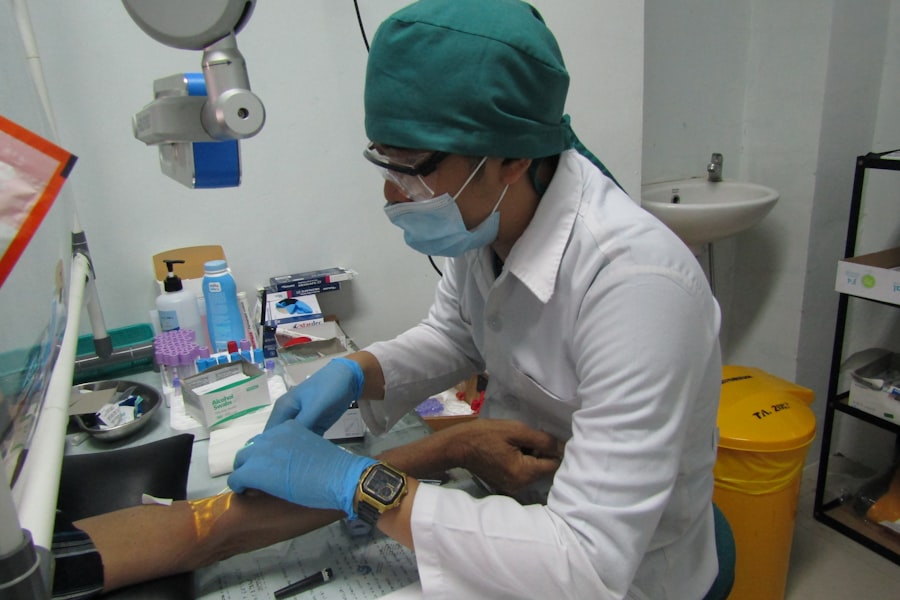
Genetics plays a pivotal role in shaping individual perceptions of beauty and susceptibility to aging. Recent advancements in genetic research have shed light on how specific genes influence skin characteristics such as elasticity, pigmentation, and susceptibility to conditions like acne or rosacea. By understanding these genetic factors, researchers can develop targeted treatments that address the unique needs of different individuals based on their genetic makeup.
Furthermore, genetic testing is becoming increasingly relevant in the realm of personalized beauty products. Companies are beginning to offer genetic analysis services that provide insights into an individual’s skin type, potential reactions to certain ingredients, and optimal skincare routines. This information empowers consumers to make informed choices about their beauty regimens, leading to more effective outcomes.
As genetic research continues to evolve, it holds the potential to revolutionize how we approach beauty treatments by tailoring them to our biological predispositions.
Ethical Considerations in Medical Beauty Research
As medical beauty research advances at a rapid pace, ethical considerations become paramount in ensuring that innovations are developed responsibly and equitably. One significant concern is the potential for exploitation within the industry, particularly regarding vulnerable populations who may feel pressured to conform to societal beauty standards. Researchers and practitioners must navigate the fine line between providing beneficial treatments and perpetuating unrealistic ideals that can harm self-esteem and mental health.
Informed consent is another critical ethical issue in medical beauty research. Patients must be fully aware of the risks, benefits, and limitations associated with any procedure or treatment they undergo. Transparency about potential side effects and realistic outcomes is essential in fostering trust between practitioners and patients.
Additionally, as new technologies emerge—such as genetic testing or stem cell therapies—regulatory frameworks must adapt to ensure that these innovations are safe and ethically sound.
Future Trends in Medical Beauty Research
Looking ahead, several trends are poised to shape the future landscape of medical beauty research. One prominent trend is the increasing integration of artificial intelligence (AI) into aesthetic practices. AI algorithms can analyze vast amounts of data from clinical studies and patient outcomes to identify patterns that inform treatment protocols.
This technology has the potential to enhance diagnostic accuracy and personalize treatment plans based on individual needs. Another trend is the growing emphasis on holistic approaches to beauty that consider mental health alongside physical appearance. Researchers are beginning to explore how psychological factors influence perceptions of beauty and self-worth, leading to more comprehensive treatment strategies that address both emotional well-being and aesthetic goals.
As society continues to evolve its understanding of beauty, medical research will likely adapt to reflect these changing values, focusing on enhancing overall quality of life rather than merely conforming to external standards. In conclusion, medical beauty research is a dynamic field characterized by continuous innovation and exploration. From advancements in cosmetic surgery techniques to breakthroughs in non-invasive procedures and skincare technology, this area holds immense potential for improving individual well-being while addressing societal perceptions of beauty.
As we move forward, ethical considerations will remain crucial in guiding responsible practices within this evolving landscape.
