

The landscape of medical research has undergone a profound transformation over the past few decades, driven by technological innovations and a deeper understanding of human biology. This evolution has not only enhanced our ability to diagnose and treat diseases but has also paved the way for groundbreaking therapies that were once considered the realm of science fiction. As we delve into the advancements in medical research, it becomes evident that the integration of various scientific disciplines is crucial in addressing complex health challenges.
From genomics to artificial intelligence, these advancements are reshaping the future of healthcare, offering hope to millions around the globe. One of the most significant shifts in medical research is the move towards personalized approaches in treatment. The traditional “one-size-fits-all” model is being replaced by strategies that consider individual genetic, environmental, and lifestyle factors.

This paradigm shift is not merely a trend; it represents a fundamental change in how we understand and approach health and disease. As we explore the various advancements in medical research, it is essential to recognize their potential to improve patient outcomes and enhance the quality of life for individuals suffering from chronic and acute conditions.
Key Takeaways
- Medical research advancements are rapidly transforming healthcare with innovative treatments.
- Precision medicine enables personalized therapies based on individual genetic profiles.
- Gene editing offers new hope for curing genetic disorders by directly modifying DNA.
- Immunotherapy leverages the immune system to effectively combat various cancers.
- Artificial intelligence enhances diagnostic accuracy and optimizes treatment plans.
Precision Medicine: Tailoring Treatment to Individual Patients

Precision medicine stands at the forefront of modern healthcare, emphasizing the need for tailored treatment plans that cater to the unique genetic makeup of each patient. This approach is grounded in the understanding that genetic variations can significantly influence how individuals respond to medications and therapies. For instance, cancer treatments that target specific genetic mutations have shown remarkable efficacy in certain patient populations, leading to improved survival rates and reduced side effects.
The development of targeted therapies, such as those used in treating breast cancer with HER2-positive tumors, exemplifies how precision medicine can revolutionize treatment protocols. Moreover, precision medicine extends beyond oncology. In the realm of cardiovascular diseases, genetic testing can identify patients at risk for conditions like familial hypercholesterolemia, allowing for early intervention and personalized management strategies.
The integration of genomic data into clinical practice not only enhances diagnostic accuracy but also empowers healthcare providers to make informed decisions about treatment options. As research continues to uncover the complexities of human genetics, the potential for precision medicine to transform patient care becomes increasingly apparent.
Gene Editing: Revolutionizing the Treatment of Genetic Disorders
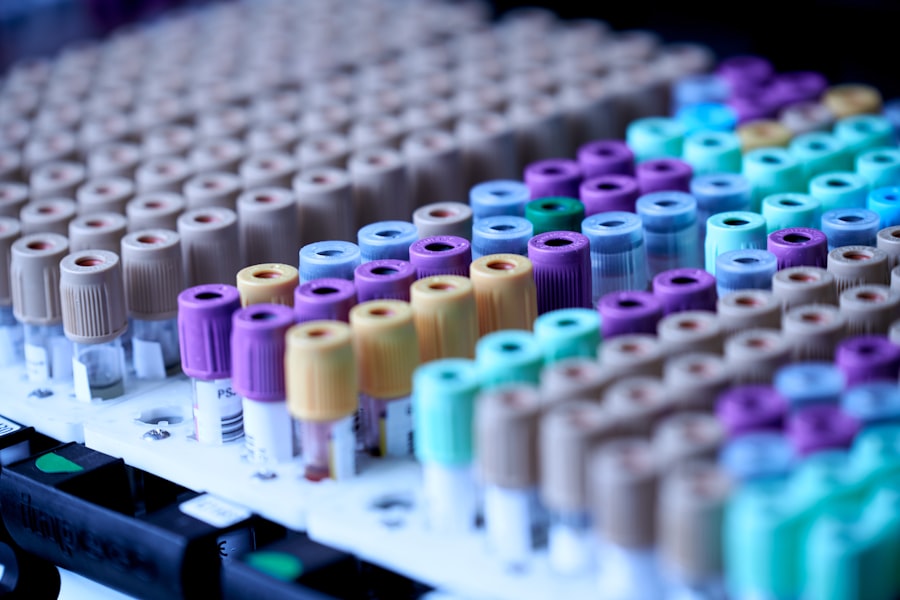
Gene editing technologies, particularly CRISPR-Cas9, have emerged as powerful tools in the fight against genetic disorders. This revolutionary technique allows scientists to make precise alterations to DNA sequences, offering the potential to correct mutations responsible for various inherited diseases. For example, researchers have successfully used CRISPR to target and edit genes associated with conditions such as sickle cell anemia and cystic fibrosis.
By directly addressing the root cause of these disorders, gene editing holds the promise of not only alleviating symptoms but potentially curing diseases that have long been deemed incurable. The ethical implications of gene editing are significant and warrant careful consideration. While the potential benefits are immense, concerns about off-target effects and the long-term consequences of altering the human genome must be addressed.
Regulatory frameworks are being developed to ensure that gene editing is conducted responsibly and ethically. As researchers continue to explore the possibilities of this technology, it is crucial to engage in discussions about its implications for future generations and the moral responsibilities that come with such powerful capabilities.
Immunotherapy: Harnessing the Power of the Immune System to Fight Cancer
Immunotherapy has emerged as a groundbreaking approach in cancer treatment, leveraging the body’s immune system to identify and destroy malignant cells. Unlike traditional therapies such as chemotherapy and radiation, which indiscriminately target rapidly dividing cells, immunotherapy aims to enhance the immune response against cancer specifically. One notable example is checkpoint inhibitors, which block proteins that inhibit immune responses, thereby allowing T-cells to attack tumors more effectively.
Drugs like pembrolizumab (Keytruda) have shown remarkable success in treating melanoma and lung cancer, leading to durable responses in many patients. The field of immunotherapy is rapidly evolving, with ongoing research exploring combination therapies that integrate immunotherapy with other treatment modalities. For instance, combining checkpoint inhibitors with targeted therapies or chemotherapy may enhance overall efficacy and improve patient outcomes.
Additionally, personalized cancer vaccines are being developed to stimulate an immune response tailored to an individual’s tumor profile. As our understanding of tumor immunology deepens, immunotherapy is poised to become a cornerstone of cancer treatment, offering new hope for patients facing previously untreatable malignancies.
Artificial Intelligence in Healthcare: Improving Diagnostics and Treatment
| Metric | Description | Value | Unit |
|---|---|---|---|
| Number of Clinical Trials | Total ongoing clinical trials worldwide | 35000 | trials |
| Average Research Funding | Annual funding allocated to medical research | 45 | billion USD |
| Publication Count | Number of medical research papers published annually | 1,200,000 | papers |
| Average Time to Drug Approval | Time taken from clinical trial start to drug approval | 8 | years |
| Global Health Research Workforce | Number of professionals involved in medical research | 1,500,000 | people |
| Research Success Rate | Percentage of clinical trials leading to approved treatments | 12 | % |
Artificial intelligence (AI) is revolutionizing healthcare by enhancing diagnostic accuracy and streamlining treatment processes. Machine learning algorithms can analyze vast amounts of medical data, identifying patterns that may elude human clinicians. For instance, AI systems have demonstrated remarkable proficiency in interpreting medical imaging, such as X-rays and MRIs, often achieving accuracy levels comparable to or exceeding those of radiologists.
This capability not only expedites diagnosis but also reduces the likelihood of human error, ultimately improving patient outcomes. Beyond diagnostics, AI is also being utilized in predictive analytics to identify patients at risk for various conditions. By analyzing electronic health records and other data sources, AI algorithms can flag individuals who may benefit from preventive measures or early interventions.
Furthermore, AI-driven tools are being developed to assist clinicians in making treatment decisions by providing evidence-based recommendations tailored to individual patient profiles. As AI continues to evolve, its integration into clinical practice promises to enhance efficiency and effectiveness across various aspects of healthcare delivery.
Organ Regeneration: The Future of Transplantation
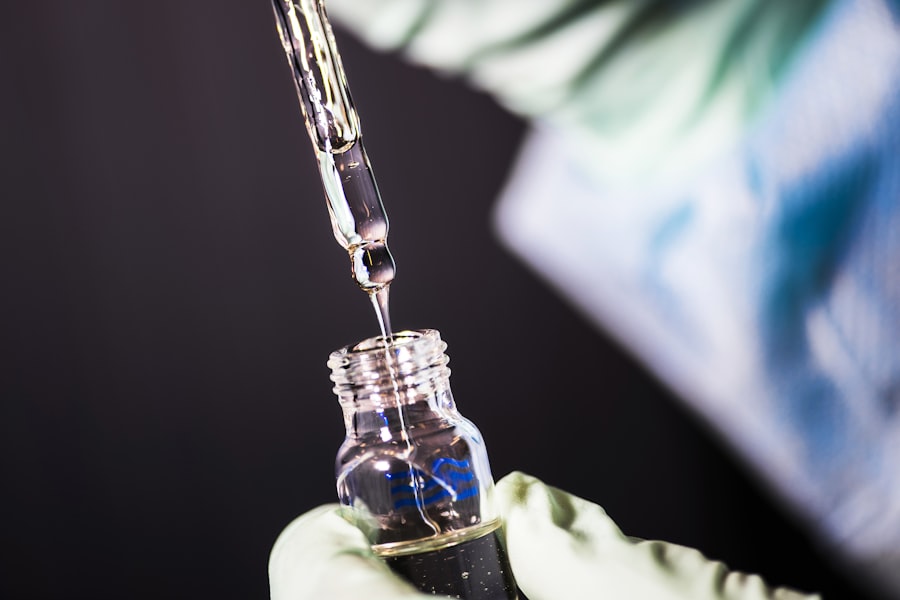
Organ regeneration represents a frontier in medical research with the potential to address the critical shortage of donor organs for transplantation. Advances in stem cell research and tissue engineering are paving the way for creating functional organs from a patient’s own cells, thereby reducing the risk of rejection and eliminating the need for lifelong immunosuppression. Researchers are exploring various approaches, including 3D bioprinting and scaffold-based techniques, to develop organs such as kidneys, livers, and hearts.
One notable example is the development of bioengineered organs using decellularized scaffolds derived from animal organs. These scaffolds retain the extracellular matrix structure while removing cellular components, providing a framework for repopulating with human cells. Early studies have shown promise in creating functional organoids that mimic native organ function.
While challenges remain in achieving full organ functionality and vascularization, ongoing research holds great promise for revolutionizing transplantation and improving outcomes for patients with end-stage organ failure.
Nanotechnology in Medicine: Targeted Drug Delivery and Imaging
Nanotechnology is making significant strides in medicine by enabling targeted drug delivery systems that enhance therapeutic efficacy while minimizing side effects. Nanoparticles can be engineered to encapsulate drugs and deliver them directly to diseased tissues or cells, improving bioavailability and reducing systemic toxicity. For instance, liposomal formulations have been successfully used in chemotherapy regimens to target cancer cells more effectively while sparing healthy tissues.
In addition to drug delivery, nanotechnology plays a crucial role in medical imaging techniques. Nanoparticles can serve as contrast agents in imaging modalities such as MRI or CT scans, enhancing visualization of tumors or other pathological conditions. Quantum dots and gold nanoparticles are being explored for their unique optical properties that allow for real-time imaging at the cellular level.
As research continues to advance in this field, nanotechnology holds immense potential for transforming both diagnostics and therapeutics in medicine.
Stem Cell Therapy: Promising Potential for Treating a Range of Diseases
Stem cell therapy has emerged as a promising avenue for treating a variety of diseases due to its unique ability to differentiate into various cell types and promote tissue regeneration. Researchers are investigating the use of stem cells in conditions ranging from neurodegenerative diseases like Parkinson’s disease to orthopedic injuries and cardiovascular disorders. For example, clinical trials are underway exploring the use of mesenchymal stem cells (MSCs) for repairing damaged heart tissue following myocardial infarction.
The versatility of stem cells lies in their capacity to self-renew and differentiate into specialized cell types. Induced pluripotent stem cells (iPSCs), derived from adult somatic cells, offer an exciting opportunity for personalized medicine by allowing researchers to generate patient-specific cell lines for therapeutic applications. However, challenges remain regarding ethical considerations, potential tumorigenicity, and ensuring safe integration into host tissues.
As our understanding of stem cell biology deepens, ongoing research aims to unlock their full therapeutic potential while addressing these critical challenges. In summary, advancements in medical research are reshaping our understanding of health and disease while offering innovative solutions for complex medical challenges. From precision medicine and gene editing to immunotherapy and nanotechnology, these developments hold immense promise for improving patient care and outcomes across a wide spectrum of conditions.
As we continue to explore these frontiers, it is essential to remain vigilant about ethical considerations and ensure that these advancements are accessible and beneficial for all patients.
