

The landscape of medical research has undergone a profound transformation over the past few decades, driven by a confluence of technological innovations, interdisciplinary collaboration, and an increasing emphasis on personalized medicine. This evolution has not only enhanced our understanding of complex diseases but has also paved the way for groundbreaking treatments and therapies that were once considered unattainable. The integration of advanced methodologies such as genomics, proteomics, and bioinformatics has revolutionized the way researchers approach health challenges, enabling them to dissect the molecular underpinnings of diseases with unprecedented precision.
Moreover, the global health crises, such as the COVID-19 pandemic, have underscored the critical importance of medical research in safeguarding public health. The rapid development of vaccines and therapeutics during this period exemplifies the agility and responsiveness of the research community. As we delve deeper into the 21st century, the advancements in medical research are not merely confined to laboratory settings; they extend into clinical applications, regulatory frameworks, and even patient engagement strategies.

This dynamic environment presents a wealth of opportunities for professionals in the field, as well as challenges that necessitate continuous adaptation and learning.
Key Takeaways
- Medical research advancements are rapidly evolving, creating diverse job opportunities.
- Technological progress is transforming medical research roles and required skill sets.
- Emerging fields and specializations are expanding career options within medical research.
- Specialized training and education are essential for success in medical research jobs.
- The job market shows strong growth, with both challenges and promising future prospects.
Job Opportunities in Medical Research

The burgeoning field of medical research offers a diverse array of job opportunities across various sectors, including academia, industry, government, and non-profit organizations. Positions range from laboratory-based roles such as research scientists and laboratory technicians to clinical roles like clinical research coordinators and clinical trial managers. Each of these positions plays a vital role in the continuum of medical research, contributing to the development of new therapies and improving patient outcomes.
In academia, researchers often engage in both teaching and conducting studies, fostering the next generation of scientists while advancing knowledge in their respective fields. Industry roles, particularly within pharmaceutical and biotechnology companies, focus on translating research findings into viable products. These positions often require collaboration with cross-functional teams that include regulatory affairs, marketing, and quality assurance professionals.
Government agencies such as the National Institutes of Health (NIH) and the Food and Drug Administration (FDA) also offer career paths for those interested in policy-making and regulatory oversight, ensuring that research adheres to ethical standards and safety protocols.
Impact of Technological Advancements on Medical Research Jobs

Technological advancements have significantly reshaped the landscape of medical research jobs, introducing new tools and methodologies that enhance efficiency and accuracy. The advent of high-throughput screening technologies, for instance, allows researchers to conduct experiments on a massive scale, identifying potential drug candidates more rapidly than traditional methods would permit. This shift not only accelerates the pace of discovery but also necessitates a workforce skilled in utilizing these advanced technologies.
Furthermore, data analytics and artificial intelligence (AI) are becoming integral components of medical research. Researchers are increasingly leveraging machine learning algorithms to analyze vast datasets generated from clinical trials or genomic studies. This capability enables them to uncover patterns and insights that would be difficult to discern through manual analysis alone.
Consequently, job roles are evolving to require proficiency in data science and computational biology, creating a demand for professionals who can bridge the gap between traditional laboratory work and cutting-edge technology.
New Fields and Specializations in Medical Research
As medical research continues to evolve, new fields and specializations are emerging that reflect the complexities of modern healthcare challenges. One notable area is precision medicine, which tailors treatment strategies based on individual genetic profiles. This approach necessitates a multidisciplinary workforce that includes geneticists, bioinformaticians, and clinical researchers who can collaborate to develop targeted therapies.
Another burgeoning field is regenerative medicine, which focuses on repairing or replacing damaged tissues and organs through techniques such as stem cell therapy and tissue engineering. Professionals in this area must possess a deep understanding of cellular biology, materials science, and ethical considerations surrounding stem cell use. Additionally, fields like digital health are gaining traction, where researchers explore the intersection of technology and healthcare delivery through mobile health applications and telemedicine solutions.
These new specializations not only expand the scope of medical research but also create unique career pathways for aspiring professionals.
Training and Education Requirements for Medical Research Jobs
| Metric | Value | Unit | Notes |
|---|---|---|---|
| Average Salary | 85,000 | USD/year | Varies by experience and location |
| Job Growth Rate (2020-2030) | 12 | % | Faster than average for all occupations |
| Median Education Level | Master’s Degree | Often requires advanced degrees | |
| Top Employers | Universities, Pharmaceutical Companies, Hospitals | Common sectors for medical researchers | |
| Average Work Hours | 40-50 | hours/week | May vary with research deadlines |
| Key Skills | Data Analysis, Laboratory Techniques, Critical Thinking | Essential for success in medical research | |
| Employment Settings | Academic, Clinical, Industry | Diverse work environments |
The educational pathways for careers in medical research are as diverse as the field itself. Most positions require at least a bachelor’s degree in a relevant discipline such as biology, chemistry, or biomedical engineering. However, many roles—especially those involving independent research or leadership—demand advanced degrees such as a master’s or Ph.D.
These programs typically emphasize both theoretical knowledge and practical skills through laboratory work, internships, and collaborative projects. In addition to formal education, ongoing training is crucial in this rapidly evolving field. Professionals often pursue certifications or specialized training programs to stay abreast of new technologies and methodologies.
For instance, clinical research associates may obtain certification from organizations like the Association of Clinical Research Professionals (ACRP) to enhance their credentials. Furthermore, soft skills such as communication, teamwork, and project management are increasingly recognized as essential competencies for success in medical research careers.
Job Market Trends and Growth in Medical Research
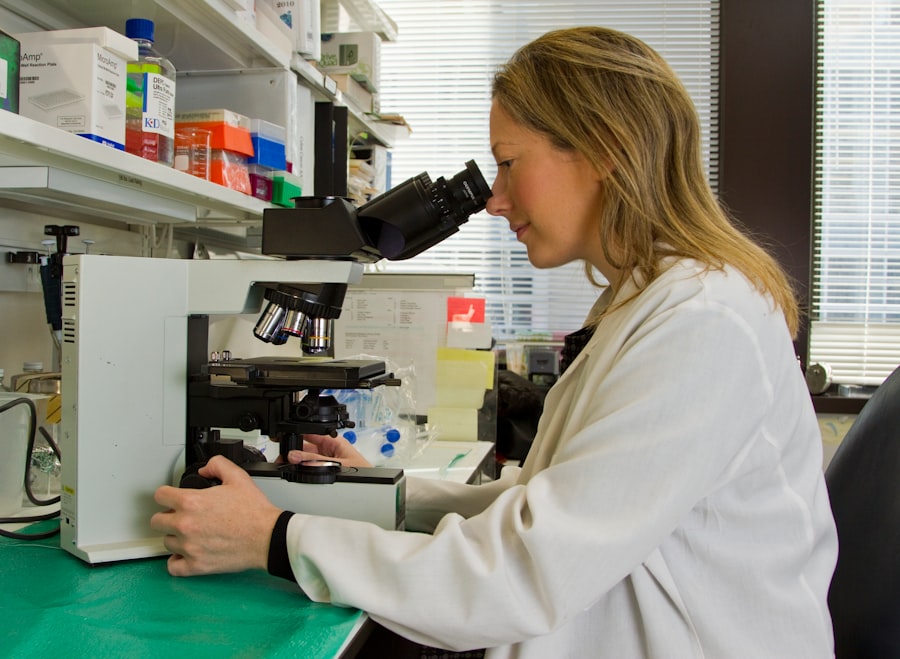
The job market for medical research professionals is experiencing robust growth driven by several factors. The increasing prevalence of chronic diseases such as diabetes and cancer necessitates ongoing research efforts to develop effective treatments and preventive strategies. Additionally, an aging population is contributing to heightened demand for innovative healthcare solutions that can improve quality of life.
According to the U.S. Bureau of Labor Statistics (BLS), employment in medical and clinical laboratory technologists is projected to grow by 11% from 2020 to 2030—much faster than the average for all occupations. This trend reflects not only the expansion of healthcare services but also the growing reliance on laboratory testing for diagnosis and treatment monitoring.
Moreover, funding from government agencies and private foundations continues to support medical research initiatives, further bolstering job opportunities in this sector.
Challenges and Opportunities in Medical Research Careers
While the field of medical research is ripe with opportunities, it is not without its challenges. One significant hurdle is securing funding for research projects, particularly in an environment where grant competition is fierce. Researchers must often invest considerable time in writing proposals and seeking financial support from various sources, including government grants and private industry partnerships.
Additionally, ethical considerations surrounding human subjects research pose ongoing challenges for professionals in this field. Navigating regulatory requirements while ensuring participant safety and informed consent is paramount but can be complex and time-consuming. However, these challenges also present opportunities for innovation; researchers who can effectively address ethical dilemmas or develop novel funding strategies may find themselves at a competitive advantage in the job market.
Future Outlook for Job Opportunities in Medical Research
Looking ahead, the future outlook for job opportunities in medical research appears promising. As technology continues to advance at an unprecedented pace, new avenues for exploration will emerge—ranging from gene editing techniques like CRISPR to advancements in artificial intelligence that enhance drug discovery processes. These innovations will likely create demand for a skilled workforce capable of navigating both scientific complexities and technological advancements.
Moreover, as global health challenges evolve—exemplified by emerging infectious diseases or antibiotic resistance—the need for dedicated researchers will remain critical. The integration of interdisciplinary approaches will further enrich the field, fostering collaboration among scientists from diverse backgrounds to tackle multifaceted health issues. In this context, aspiring professionals who are adaptable, innovative, and committed to lifelong learning will find themselves well-positioned to thrive in the dynamic landscape of medical research careers.
