
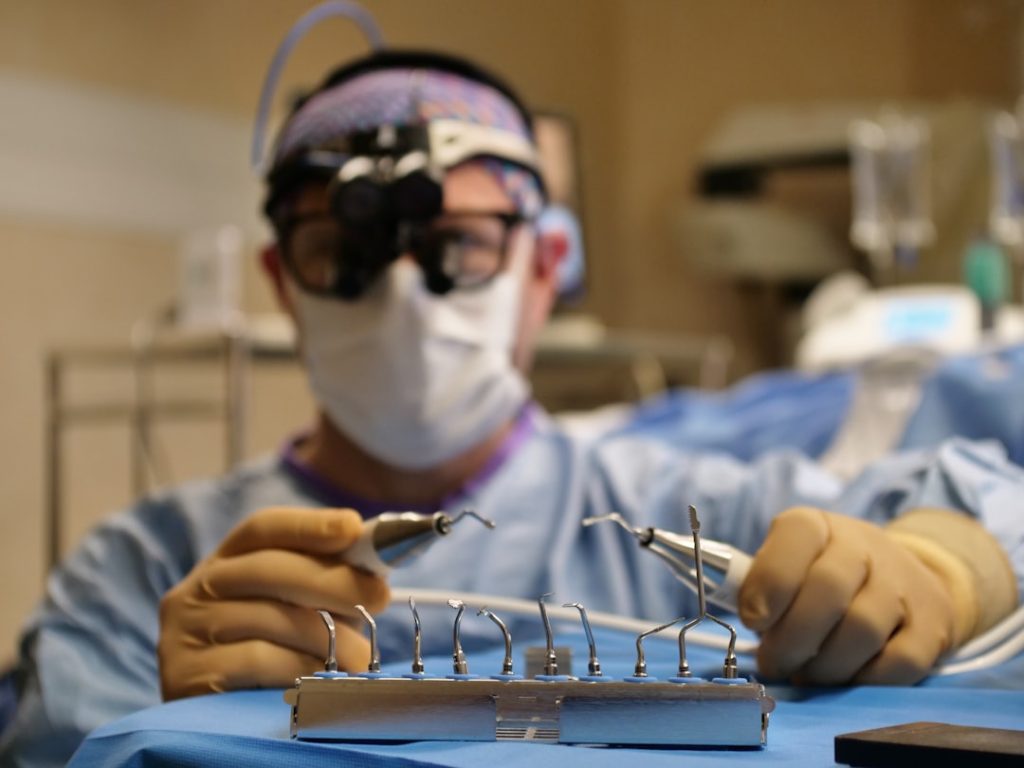
Clinical trials serve as a cornerstone in the advancement of medical practices, including the field of plastic surgery. These meticulously designed studies are essential for evaluating new techniques, devices, and treatments, ensuring that they are both effective and safe for patients. In plastic surgery, where aesthetic outcomes and functional improvements are paramount, clinical trials provide a structured approach to assess innovations ranging from minimally invasive procedures to complex reconstructive surgeries.
The rigorous nature of these trials not only helps in establishing the efficacy of new interventions but also plays a critical role in shaping the standards of care within the specialty. The landscape of plastic surgery is continually evolving, driven by technological advancements and changing patient expectations. Clinical trials are pivotal in this evolution, as they allow for the systematic investigation of new methodologies and materials.

For instance, the introduction of 3D printing technology in creating patient-specific implants has been a game-changer, but its effectiveness and safety must be validated through clinical trials. By engaging in these studies, surgeons can contribute to a body of evidence that informs best practices and enhances patient outcomes, ultimately leading to a more refined approach to surgical interventions.
Key Takeaways
- Clinical trials are essential for developing and validating new plastic surgery techniques.
- Ensuring patient safety and obtaining informed consent are critical components of clinical trials.
- Clinical trials have led to significant technological advancements in plastic surgery.
- Ethical standards and regulatory oversight safeguard the integrity of plastic surgery research.
- Findings from clinical trials shape the future of plastic surgery and improve patient outcomes.
The Role of Clinical Trials in Advancing Plastic Surgery Techniques

Clinical trials are instrumental in advancing plastic surgery techniques by providing a framework for testing new approaches before they become widely adopted. For example, the development of endoscopic techniques in facial surgery has transformed how procedures are performed, allowing for less invasive options with reduced recovery times. Through clinical trials, researchers can compare these new techniques against traditional methods, assessing not only the aesthetic results but also factors such as complication rates and patient satisfaction.
This evidence-based approach ensures that only the most effective and safe techniques gain traction in clinical practice. Moreover, clinical trials facilitate the exploration of novel materials and technologies that can enhance surgical outcomes. The use of bioengineered tissues and grafts is one area where clinical trials have made significant contributions.
By evaluating these innovative materials in controlled settings, researchers can determine their viability for various applications, such as breast reconstruction or wound healing. The findings from these trials can lead to improved surgical protocols and better patient outcomes, as surgeons gain access to a wider array of tools and techniques that have been rigorously tested for safety and efficacy.
The Importance of Patient Safety and Informed Consent in Clinical Trials

Patient safety is paramount in any clinical trial, particularly in plastic surgery, where procedures often involve significant alterations to the body. Ensuring that participants are fully informed about the risks and benefits of a trial is a critical component of ethical research practices. Informed consent goes beyond simply obtaining a signature; it involves a comprehensive discussion between the researcher and the participant about what participation entails.
This includes potential side effects, the nature of the intervention being tested, and any alternative treatment options available. Such transparency is essential for fostering trust between patients and researchers. Furthermore, regulatory bodies such as the Food and Drug Administration (FDA) impose strict guidelines to protect participants in clinical trials.
These regulations require that trials undergo rigorous review processes to ensure that they meet ethical standards and prioritize patient welfare. For instance, before a new surgical technique can be tested on human subjects, it must first demonstrate safety in preclinical studies. This multi-tiered approach to patient safety not only safeguards participants but also enhances the credibility of the research findings, as they are derived from ethically conducted studies.
Breakthroughs in Plastic Surgery Technology through Clinical Trials
Clinical trials have been at the forefront of numerous breakthroughs in plastic surgery technology, leading to innovations that have significantly improved patient care. One notable example is the development of advanced imaging techniques that allow surgeons to visualize anatomical structures with unprecedented clarity. Technologies such as 3D imaging and augmented reality have been tested in clinical trials to assess their impact on surgical planning and outcomes.
These tools enable surgeons to create more precise surgical plans tailored to individual patients, ultimately enhancing both aesthetic results and functional recovery. Another area where clinical trials have driven innovation is in the realm of minimally invasive procedures. Techniques such as endoscopic surgery have gained popularity due to their ability to reduce scarring and recovery time compared to traditional open surgeries.
Clinical trials evaluating these methods have provided valuable data on their effectiveness and safety profiles, leading to broader acceptance among practitioners. As a result, patients now have access to a wider range of options that align with their preferences for less invasive interventions while still achieving optimal results.
Ethical Considerations and Regulatory Oversight in Plastic Surgery Clinical Trials
| Metric | Value | Description |
|---|---|---|
| Total Number of Trials | 1,250 | Number of registered clinical trials related to plastic surgery |
| Phase Distribution | Phase 1: 20%, Phase 2: 35%, Phase 3: 30%, Phase 4: 15% | Percentage of trials in each clinical phase |
| Common Procedures Studied | Breast Augmentation, Rhinoplasty, Liposuction, Facelift | Most frequently researched plastic surgery procedures |
| Average Enrollment | 150 participants | Average number of participants per trial |
| Trial Status | Recruiting: 40%, Completed: 45%, Terminated: 5%, Not yet recruiting: 10% | Current status distribution of plastic surgery trials |
| Geographic Distribution | North America: 50%, Europe: 30%, Asia: 15%, Others: 5% | Location of clinical trial sites |
| Primary Outcome Measures | Safety, Efficacy, Patient Satisfaction, Recovery Time | Key outcomes evaluated in trials |
The ethical landscape surrounding clinical trials in plastic surgery is complex, given the subjective nature of aesthetic outcomes and the potential for significant physical alterations. Researchers must navigate these ethical considerations carefully to ensure that participants are treated with respect and dignity throughout the trial process. This includes addressing issues such as recruitment practices, where it is crucial to avoid exploiting vulnerable populations or offering undue inducements for participation.
Ethical oversight committees play a vital role in reviewing trial protocols to ensure that they adhere to established ethical standards. Regulatory oversight is another critical aspect of conducting clinical trials in plastic surgery. Agencies like the FDA require that all trials involving new surgical techniques or devices undergo thorough evaluation before they can proceed.
This includes assessing the scientific validity of the study design, ensuring that adequate safety measures are in place, and confirming that informed consent processes are robust. Such regulatory frameworks are designed to protect participants while also ensuring that the findings generated from these trials can be trusted by both practitioners and patients alike.
The Future of Plastic Surgery: Potential Applications of Clinical Trial Findings

The future of plastic surgery is poised for transformation as clinical trial findings continue to inform practice and innovation within the field. One promising area is regenerative medicine, which leverages stem cell technology to enhance healing and tissue regeneration following surgical procedures. Clinical trials exploring the use of stem cells in reconstructive surgeries have shown potential for improving outcomes by promoting faster healing and reducing complications.
As research progresses, these findings could lead to new standard practices that incorporate regenerative techniques into routine surgical care. Additionally, advancements in artificial intelligence (AI) and machine learning are beginning to influence plastic surgery through clinical trial research. AI algorithms can analyze vast amounts of data from previous surgeries to predict outcomes based on specific patient characteristics.
Clinical trials testing these AI-driven tools can provide insights into their accuracy and reliability in guiding surgical decisions. As these technologies become integrated into clinical practice, they hold the potential to enhance precision in surgical planning and improve overall patient satisfaction.
Patient Perspectives: Participating in Plastic Surgery Clinical Trials
From a patient’s perspective, participating in clinical trials for plastic surgery can be both an opportunity and a challenge. Many patients are drawn to clinical trials because they offer access to cutting-edge treatments that may not yet be available through standard care pathways. This can be particularly appealing for individuals seeking solutions for complex reconstructive needs or those desiring aesthetic enhancements that are still under investigation.
However, patients must also weigh the potential risks involved with participating in research studies against the benefits they hope to gain. Moreover, patient experiences within clinical trials can vary significantly based on factors such as communication with healthcare providers and support systems available during the study period. Clear communication about what participation entails is crucial for ensuring that patients feel informed and empowered throughout their journey.
Additionally, support from healthcare teams can help alleviate concerns about potential side effects or complications associated with new interventions. Ultimately, fostering a positive patient experience within clinical trials can lead to greater engagement and willingness to participate in future research endeavors.
The Impact of Clinical Trials on the Evolution of Plastic Surgery
Clinical trials have profoundly influenced the evolution of plastic surgery by providing a structured framework for testing new techniques, materials, and technologies. Through rigorous research methodologies, these studies ensure that innovations are not only effective but also safe for patients. As the field continues to advance, clinical trials will remain essential for validating emerging practices and integrating them into standard care protocols.
The ongoing commitment to ethical considerations and regulatory oversight further enhances the credibility of findings derived from clinical trials. As researchers strive to improve patient outcomes through evidence-based practices, the future of plastic surgery looks promising, with potential breakthroughs on the horizon that could redefine how procedures are performed and experienced by patients. Ultimately, clinical trials will continue to play a pivotal role in shaping the future landscape of plastic surgery, ensuring that it evolves in alignment with both scientific advancements and patient needs.
