

Clinical research has experienced significant growth and complexity in recent decades, making advanced education increasingly valuable for professionals in this field. A master’s degree in clinical research provides comprehensive training in the multifaceted aspects of conducting human subject studies, including protocol development, regulatory compliance, and data analysis. These programs typically cover essential topics such as biostatistics, epidemiology, research ethics, and clinical trial design, preparing graduates to handle the technical and administrative demands of modern clinical research.
The regulatory landscape governing clinical trials has become increasingly stringent, with agencies such as the FDA and EMA implementing detailed guidelines for study conduct. Master’s programs address these requirements by teaching Good Clinical Practice (GCP) principles, International Council for Harmonisation (ICH) guidelines, and regulatory submission processes. Students learn to navigate complex approval procedures, maintain compliance documentation, and ensure adherence to safety protocols throughout study execution.

Advanced education in clinical research also addresses the growing emphasis on data integrity and statistical rigor in clinical trials. Master’s curricula typically include extensive training in biostatistics, data management systems, and quality assurance procedures. This technical foundation enables professionals to design statistically sound studies, implement robust data collection methods, and conduct appropriate analyses that meet regulatory standards.
As clinical trials increasingly rely on electronic data capture systems and real-world evidence, these technical skills have become essential for career advancement in the field.
Key Takeaways
- A master’s degree in clinical research provides essential specialized skills and knowledge critical for the field.
- Graduates gain enhanced career opportunities and potential for professional advancement.
- The program offers valuable research and publication opportunities to build academic credentials.
- Networking and professional development are key benefits of pursuing a master’s in clinical research.
- Awareness of future trends and innovations prepares graduates to lead in evolving clinical research landscapes.

Specialized Skills and Knowledge Gained in a Master’s Program
A master’s degree in clinical research provides students with specialized skills that are indispensable in the field. One of the core components of such programs is the focus on biostatistics and data analysis. Students learn how to design studies, analyze data, and interpret results, which are essential skills for evaluating the efficacy of new drugs or therapies.
For instance, understanding statistical methods allows researchers to determine whether observed effects are statistically significant or merely due to chance. This knowledge is critical when making decisions about the continuation or modification of clinical trials. In addition to statistical skills, master’s programs often cover regulatory affairs and compliance issues.
Students gain insights into the intricate web of regulations governing clinical research, including those set forth by the Food and Drug Administration (FDA) and other international regulatory bodies. This knowledge is vital for ensuring that studies adhere to ethical standards and legal requirements. For example, understanding the implications of informed consent and patient confidentiality is crucial for protecting participants’ rights while conducting research.
By mastering these specialized areas, graduates emerge as well-rounded professionals capable of addressing the multifaceted challenges present in clinical research.
Career Opportunities and Advancement with a Master’s Degree

The career landscape for individuals holding a master’s degree in clinical research is diverse and promising. Graduates can pursue various roles within pharmaceutical companies, biotechnology firms, academic institutions, and government agencies. Positions such as clinical research associate (CRA), clinical trial manager, or regulatory affairs specialist are common pathways for those with advanced degrees.
Each of these roles plays a vital part in the development and approval of new medical treatments, underscoring the importance of having well-trained professionals in these positions. Furthermore, a master’s degree often serves as a catalyst for career advancement. Many organizations prioritize candidates with advanced degrees for leadership roles or specialized positions that require a deeper understanding of clinical research methodologies.
For instance, individuals aspiring to become clinical project managers or directors may find that a master’s degree significantly enhances their qualifications. Additionally, as the industry continues to evolve with new technologies and methodologies, those with advanced education are better positioned to adapt and lead initiatives that drive innovation within their organizations.
Research and Publication Opportunities for Master’s Graduates
One of the significant advantages of pursuing a master’s degree in clinical research is the opportunity to engage in research projects that can lead to publications. Many programs emphasize hands-on experience through thesis projects or capstone courses, allowing students to apply their knowledge in real-world settings. This practical experience not only reinforces theoretical concepts but also provides valuable insights into the research process from conception to execution.
Publishing research findings is crucial for establishing credibility within the scientific community. Master’s graduates who contribute to peer-reviewed journals enhance their professional profiles and demonstrate their expertise in specific areas of clinical research. For example, a graduate who conducts a study on the efficacy of a new treatment for diabetes may publish their findings in a reputable journal, thereby contributing to the body of knowledge in that field.
Such publications can open doors for further research opportunities, collaborations, and even funding for future projects.
Networking and Professional Development in Clinical Research
| Metric | Value | Details |
|---|---|---|
| Average Program Duration | 18-24 months | Full-time study duration for most clinical research master’s programs |
| Common Degree Titles | MS in Clinical Research, MSc Clinical Trials, MS in Clinical Investigation | Varies by institution and focus area |
| Core Curriculum Topics | Biostatistics, Clinical Trial Design, Regulatory Affairs, Ethics | Essential subjects covered in most programs |
| Typical Admission Requirements | Bachelor’s degree, GRE (optional), Letters of Recommendation | Requirements vary by school |
| Average Starting Salary | 65,000 – 85,000 | Annual salary range for graduates in clinical research roles |
| Job Growth Projection (2022-2032) | 7-10% | Estimated growth rate for clinical research coordinators and associates |
| Common Job Titles Post-Graduation | Clinical Research Coordinator, Data Manager, Regulatory Affairs Specialist | Positions typically held by graduates |
| Accreditation Bodies | SAC, ACRP, SOCRA | Organizations accrediting clinical research education and certification |
Networking is an essential component of career development in clinical research, and pursuing a master’s degree provides numerous opportunities to build professional connections. Many programs encourage students to attend industry conferences, workshops, and seminars where they can meet established professionals and fellow students who share similar interests. These events often feature keynote speakers from leading organizations who discuss current trends and innovations in clinical research, providing valuable insights into the industry’s future.
Additionally, many master’s programs have partnerships with pharmaceutical companies, research institutions, or clinical trial organizations that facilitate internships or job placements for students. These experiences not only enhance practical skills but also allow students to forge relationships with potential employers or mentors who can guide them throughout their careers. Engaging with alumni networks can also be beneficial; graduates often share job leads, advice on career advancement, and insights into navigating challenges within the field.
Advantages of Pursuing a Master’s Degree in Clinical Research
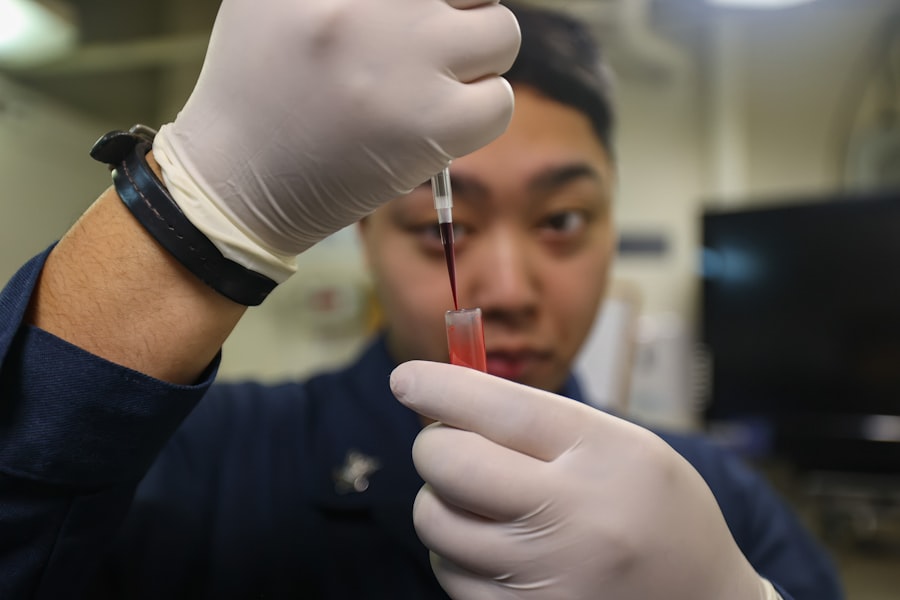
The advantages of obtaining a master’s degree in clinical research extend beyond immediate career prospects; they encompass personal growth and professional development as well. One significant benefit is the comprehensive understanding of the clinical trial process that students gain through their studies. This knowledge empowers graduates to contribute meaningfully to discussions about drug development and patient safety, positioning them as informed advocates within their organizations.
Moreover, pursuing a master’s degree fosters critical thinking and problem-solving skills that are essential in clinical research. Students are often required to analyze complex scenarios, evaluate data critically, and make informed decisions based on their findings. These skills are not only applicable within the realm of clinical research but also transferable to other areas of healthcare or related fields.
As graduates navigate their careers, they find that their ability to think analytically enhances their effectiveness as leaders and collaborators.
Challenges and Considerations in Pursuing a Master’s Degree
While there are numerous benefits associated with pursuing a master’s degree in clinical research, prospective students should also be aware of the challenges involved. One significant consideration is the financial investment required for graduate education. Tuition costs can be substantial, and students must weigh this expense against potential future earnings in their chosen field.
Additionally, many programs require students to balance coursework with work commitments or personal responsibilities, which can be demanding. Another challenge lies in the rigorous nature of graduate studies. Master’s programs often involve intensive coursework, research projects, and practical training that require significant time and effort.
Students must be prepared to engage deeply with complex material while managing deadlines and expectations from faculty and peers alike. This level of commitment can be daunting but ultimately prepares graduates for the high-stakes environment of clinical research.
Future Trends and Innovations in Clinical Research for Master’s Graduates
As the field of clinical research continues to evolve, several trends and innovations are shaping its future landscape. One notable trend is the increasing integration of technology into clinical trials. The rise of digital health tools, telemedicine, and electronic data capture systems is transforming how studies are conducted and monitored.
Master’s graduates equipped with knowledge about these technologies will be well-positioned to lead initiatives that leverage data analytics and real-time monitoring to enhance trial efficiency. Additionally, there is a growing emphasis on patient-centered research approaches that prioritize participant engagement and experience throughout the trial process. This shift necessitates professionals who understand how to incorporate patient feedback into study design and implementation effectively.
Graduates with advanced training will play a crucial role in developing strategies that enhance patient recruitment, retention, and overall satisfaction during clinical trials. In conclusion, pursuing a master’s degree in clinical research offers numerous advantages while also presenting challenges that require careful consideration. As the industry continues to evolve with technological advancements and changing regulatory landscapes, graduates will find themselves at the forefront of innovation in healthcare research.
