

Advancing medical research careers is crucial not only for the individuals involved but also for the broader healthcare landscape. As the world grapples with complex health challenges, including emerging infectious diseases, chronic conditions, and the need for personalized medicine, the role of medical researchers becomes increasingly vital. These professionals are at the forefront of discovering new treatments, understanding disease mechanisms, and improving patient outcomes.
Their work directly influences public health policies, clinical practices, and the overall quality of care that patients receive. By advancing their careers, medical researchers can contribute to groundbreaking discoveries that have the potential to save lives and enhance the quality of life for countless individuals. Moreover, the advancement of medical research careers fosters innovation within the field.

As researchers gain more experience and expertise, they are better equipped to tackle pressing health issues with novel approaches. This innovation is often driven by interdisciplinary collaboration, where researchers from various fields come together to share knowledge and techniques. For instance, the integration of artificial intelligence in medical research has opened new avenues for data analysis and interpretation, leading to faster and more accurate results.
By investing in their professional development, medical researchers not only enhance their own careers but also contribute to a culture of continuous improvement and innovation in healthcare.
Key Takeaways
- Advancing medical research careers is crucial for innovation and improving healthcare outcomes.
- Educational programs and training are essential for developing skills in medical research.
- Diverse career paths exist, including academia, industry, and clinical research roles.
- Professional development and networking enhance career growth and collaborative opportunities.
- Securing funding and adapting to emerging trends are key challenges and opportunities in the field.

Educational Opportunities for Advancing Medical Research Careers
Educational opportunities play a pivotal role in shaping the careers of medical researchers. A solid foundation in the sciences is essential, and many researchers begin their journeys with undergraduate degrees in biology, chemistry, or related fields. However, as the complexity of medical research increases, advanced degrees such as Master’s or Ph.D.
programs become increasingly important. These programs provide in-depth knowledge of research methodologies, statistical analysis, and ethical considerations in research. For example, a Ph.D.
program may involve rigorous training in experimental design and data interpretation, equipping graduates with the skills necessary to lead independent research projects. In addition to formal education, there are numerous specialized training programs and workshops available for medical researchers. These programs often focus on specific areas such as clinical trials, epidemiology, or bioinformatics.
For instance, a researcher interested in clinical trials might participate in a workshop that covers regulatory requirements, patient recruitment strategies, and data management techniques. Such targeted training not only enhances a researcher’s skill set but also makes them more competitive in the job market. Furthermore, online courses and webinars have become increasingly popular, allowing researchers to learn at their own pace while balancing their professional responsibilities.
Career Paths in Medical Research
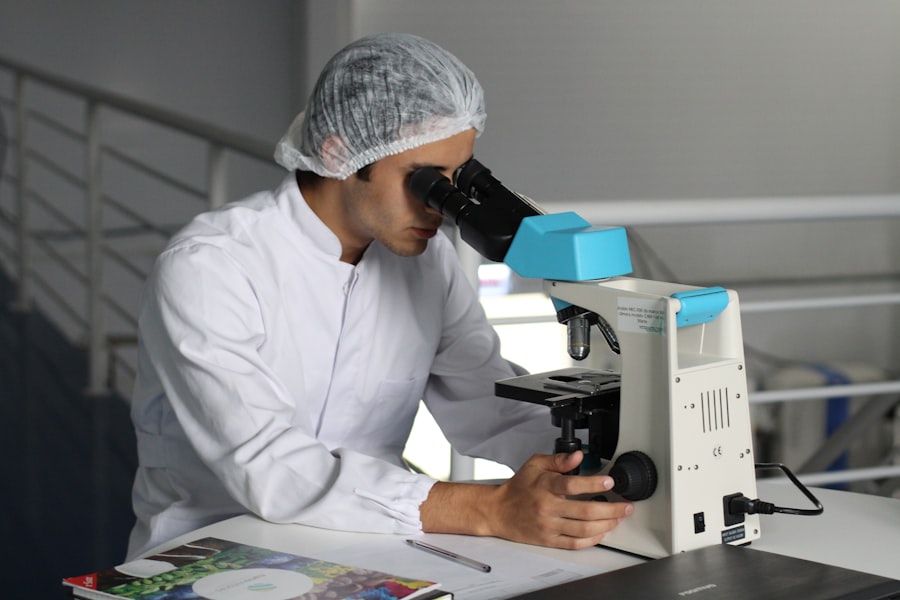
The field of medical research offers a diverse array of career paths that cater to various interests and skill sets. One common trajectory is that of a clinical researcher, who conducts studies involving human participants to evaluate new treatments or interventions. Clinical researchers often work closely with healthcare providers to ensure that studies are conducted ethically and that patient safety is prioritized.
Their work is critical in translating laboratory findings into practical applications that can benefit patients directly. Another prominent career path is that of a laboratory researcher, who typically focuses on basic science or translational research. These professionals conduct experiments in controlled environments to understand disease mechanisms at a molecular or cellular level.
For example, a laboratory researcher might investigate the genetic factors contributing to cancer development, utilizing techniques such as CRISPR gene editing or high-throughput screening. This foundational research is essential for developing new therapies and diagnostic tools. Additionally, there are opportunities in regulatory affairs and policy-making for those interested in the intersection of science and governance.
Professionals in this area ensure that new drugs and treatments meet safety and efficacy standards before they reach the market. They may work with government agencies or pharmaceutical companies to navigate complex regulatory landscapes. This career path requires a deep understanding of both scientific principles and legal frameworks, making it an essential component of the medical research ecosystem.
Professional Development for Medical Researchers
Professional development is an ongoing process for medical researchers, as the field is constantly evolving with new technologies and methodologies. Attending conferences and symposiums is one effective way for researchers to stay updated on the latest advancements in their areas of interest. These events provide opportunities to learn from leading experts, present their own findings, and engage in discussions with peers.
For instance, the American Association for Cancer Research (AACR) Annual Meeting attracts thousands of researchers from around the world to share insights on cancer research breakthroughs. Mentorship also plays a significant role in professional development for medical researchers. Establishing relationships with experienced professionals can provide invaluable guidance on navigating career challenges and identifying opportunities for growth.
Mentors can offer advice on research design, grant writing, and career advancement strategies based on their own experiences. Many institutions have formal mentorship programs that pair early-career researchers with seasoned professionals, fostering an environment of support and collaboration. Furthermore, pursuing certifications or additional training can enhance a researcher’s qualifications and open doors to new opportunities.
For example, obtaining certification in Good Clinical Practice (GCP) can be beneficial for those involved in clinical trials, as it demonstrates a commitment to ethical standards and regulatory compliance. Continuous learning through workshops or online courses ensures that researchers remain competitive in a rapidly changing field.
Networking and Collaboration in Medical Research
| Metric | Value | Details |
|---|---|---|
| Average Salary | 75,000 – 120,000 | Varies by position and experience level |
| Job Growth Rate (2020-2030) | 8% | Faster than average growth expected |
| Common Job Titles | Clinical Research Coordinator, Medical Scientist, Biostatistician | Roles involved in medical research projects |
| Education Required | Bachelor’s to PhD | Depends on job complexity and research area |
| Top Employers | Universities, Pharmaceutical Companies, Government Agencies | Major sectors hiring medical researchers |
| Work Environment | Laboratories, Hospitals, Field Research | Varies by research focus and project |
| Key Skills | Data Analysis, Laboratory Techniques, Critical Thinking | Essential for success in medical research roles |
Networking is an essential component of advancing a career in medical research. Building relationships with other professionals can lead to collaborative projects that enhance research outcomes and broaden one’s professional horizons. Conferences and workshops provide excellent platforms for networking, allowing researchers to connect with peers from various institutions and disciplines.
These interactions can lead to fruitful collaborations that combine different areas of expertise, ultimately resulting in more comprehensive research findings. Collaboration is particularly important in addressing complex health issues that require multidisciplinary approaches. For instance, tackling chronic diseases like diabetes may involve collaboration between epidemiologists, nutritionists, geneticists, and healthcare providers.
By pooling resources and knowledge from diverse fields, researchers can develop more effective interventions and treatment strategies. Collaborative efforts often result in larger-scale studies that yield more robust data, increasing the likelihood of impactful discoveries. In addition to formal collaborations, informal networking through social media platforms like LinkedIn or Twitter has become increasingly popular among researchers.
These platforms allow professionals to share their work, engage with others in their field, and stay informed about emerging trends and opportunities. By actively participating in online discussions and sharing insights, researchers can expand their professional networks beyond geographical limitations.
Funding and Grants for Medical Research Careers
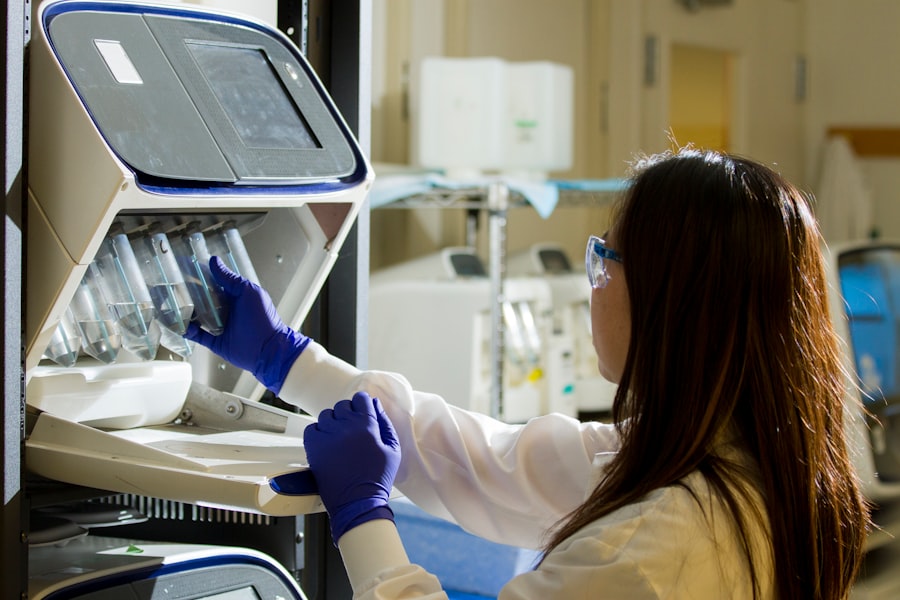
Securing funding is one of the most significant challenges faced by medical researchers at all stages of their careers. Research projects often require substantial financial resources for equipment, personnel, and materials. Various funding sources exist, including government grants, private foundations, and industry partnerships.
For instance, the National Institutes of Health (NIH) provides numerous grant opportunities for biomedical research across a wide range of topics. Successfully obtaining these grants not only provides necessary funding but also enhances a researcher’s credibility within the scientific community. In addition to traditional funding sources, crowdfunding has emerged as an alternative avenue for financing research projects.
Platforms like Experiment.com allow researchers to present their projects to the public and solicit donations from individuals interested in supporting scientific advancements. This approach democratizes funding opportunities and enables researchers to pursue innovative ideas that may not fit traditional funding criteria. Grant writing is a critical skill for medical researchers seeking funding.
Crafting a compelling proposal requires clear articulation of the research question, methodology, expected outcomes, and budgetary needs. Many institutions offer workshops or resources to help researchers improve their grant writing skills. Additionally, collaborating with experienced grant writers or seeking feedback from colleagues can significantly enhance the quality of proposals submitted for funding consideration.
Challenges and Opportunities in Advancing Medical Research Careers
While there are numerous opportunities for advancement in medical research careers, several challenges persist that can hinder progress. One significant challenge is the highly competitive nature of securing funding for research projects. With limited resources available and many qualified applicants vying for grants, researchers must continually refine their proposals to stand out among their peers.
This competition can be particularly daunting for early-career researchers who may lack established reputations within the field. Another challenge is the pressure to publish findings in high-impact journals as part of career advancement. The “publish or perish” mentality prevalent in academia can lead to stress and burnout among researchers striving to meet publication goals while also managing ongoing projects and collaborations.
Balancing these demands requires effective time management skills and support from colleagues or mentors. Despite these challenges, there are also significant opportunities for growth within the field of medical research. The increasing emphasis on personalized medicine has created demand for researchers who can integrate genomic data into clinical practice.
Additionally, advancements in technology such as artificial intelligence and machine learning are transforming data analysis processes, opening new avenues for research exploration. Furthermore, global health initiatives have gained momentum in recent years, providing opportunities for researchers to engage in impactful work addressing health disparities worldwide. Collaborating with international organizations or participating in global health studies can broaden a researcher’s perspective while contributing to meaningful change on a global scale.
Future Trends in Medical Research Careers
The future of medical research careers is poised for transformation driven by technological advancements and evolving healthcare needs. One notable trend is the increasing integration of artificial intelligence (AI) into research methodologies. AI algorithms are being utilized to analyze vast datasets quickly and accurately, enabling researchers to identify patterns that may not be apparent through traditional analysis methods.
This shift has the potential to accelerate discoveries across various fields such as genomics, drug development, and epidemiology. Another emerging trend is the growing focus on interdisciplinary collaboration within medical research teams. As health challenges become more complex, combining expertise from diverse fields—such as engineering, computer science, social sciences, and medicine—will be essential for developing comprehensive solutions.
Researchers who possess skills across multiple disciplines will be well-positioned to lead innovative projects that address multifaceted health issues. Additionally, there is an increasing emphasis on patient-centered research approaches that prioritize patient involvement throughout the research process. Engaging patients as partners not only enhances study design but also ensures that research outcomes align with patient needs and preferences.
This trend reflects a broader shift towards value-based healthcare models that prioritize patient outcomes over traditional metrics. As medical research continues to evolve rapidly, professionals who remain adaptable and committed to lifelong learning will thrive in this dynamic landscape. Embracing new technologies, fostering collaborations across disciplines, and prioritizing patient engagement will be key strategies for advancing successful careers in medical research.
