
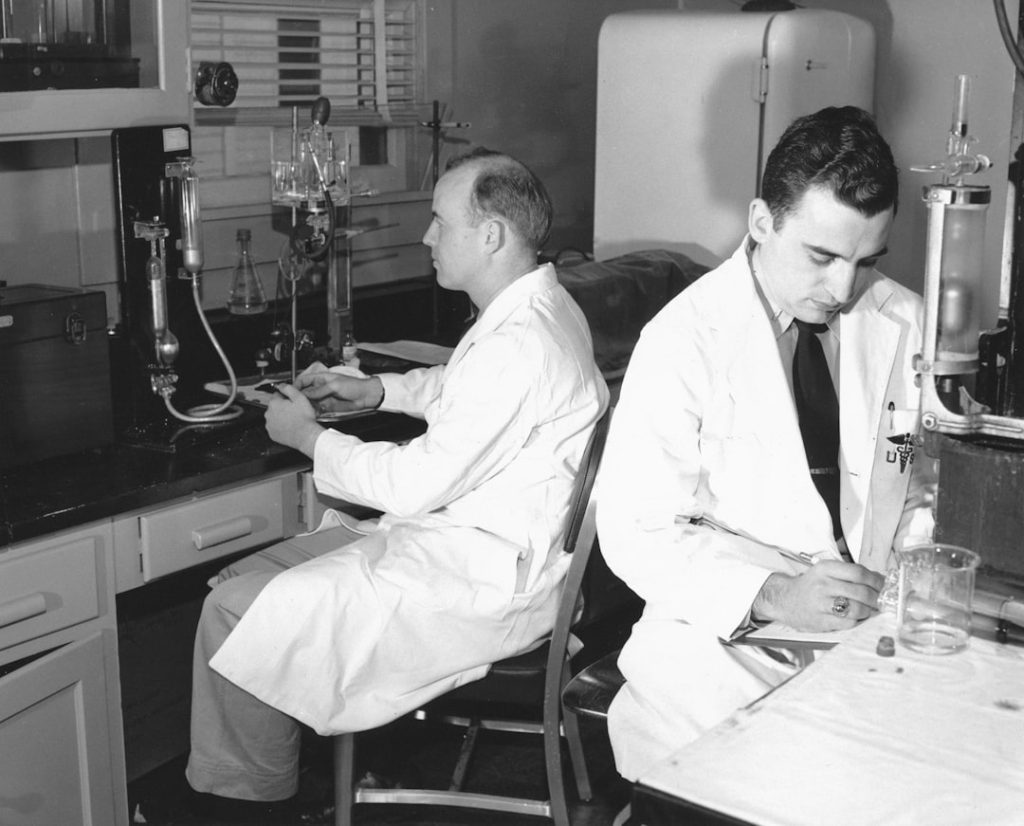
A Clinical Trials Unit (CTU) is a specialized research facility that designs, implements, and manages clinical trials to evaluate new medical treatments and interventions. These units are typically affiliated with academic medical centers, hospitals, or research institutions and serve as the operational center for conducting human research studies. CTUs coordinate all aspects of clinical trial execution, including protocol development, regulatory compliance, patient recruitment, data collection, and safety monitoring.
They employ multidisciplinary teams comprising clinical researchers, biostatisticians, epidemiologists, regulatory affairs specialists, and data managers who work together to ensure trials meet scientific and ethical standards. All studies conducted through CTUs must comply with Good Clinical Practice guidelines and receive approval from institutional review boards or ethics committees. The role of CTUs has expanded significantly as clinical research has become more complex.

Modern trials often involve sophisticated study designs, advanced therapeutic agents such as biologics and gene therapies, and personalized medicine approaches that require specialized expertise. CTUs provide the infrastructure and technical knowledge necessary to conduct these complex studies while maintaining data quality and participant safety. They also facilitate collaboration between academic researchers, pharmaceutical companies, and regulatory agencies, helping to accelerate the translation of scientific discoveries into clinical practice.
Key Takeaways
- Clinical Trials Units (CTUs) are essential for organizing and managing clinical research effectively.
- Clinical trials play a crucial role in developing new treatments and advancing medical knowledge.
- CTUs oversee the design, conduct, and analysis of trials to ensure scientific rigor and participant safety.
- Participation in clinical trials offers patients access to cutting-edge therapies and contributes to medical progress.
- Ethical challenges and future innovations will shape the evolving role of CTUs in medical research.
Importance of Clinical Trials in Advancing Medical Research

Clinical trials are the cornerstone of medical research, providing the necessary framework for evaluating new therapies, drugs, and medical devices. They serve as the primary method for determining the efficacy and safety of interventions before they can be approved for general use. The significance of clinical trials cannot be overstated; they are essential for translating laboratory discoveries into tangible health benefits for patients.
For instance, many groundbreaking treatments for chronic diseases such as cancer, diabetes, and cardiovascular conditions have emerged from rigorous clinical testing. Moreover, clinical trials contribute to the body of scientific knowledge by generating data that can inform future research directions. They help identify not only whether a treatment works but also how it works, under what conditions it is most effective, and which patient populations may benefit the most.
This information is invaluable for healthcare providers as it guides clinical decision-making and helps tailor treatments to individual patient needs. The iterative nature of clinical trials fosters an environment of continuous learning and improvement within the medical community.
Role of Clinical Trials Unit in Medical Research
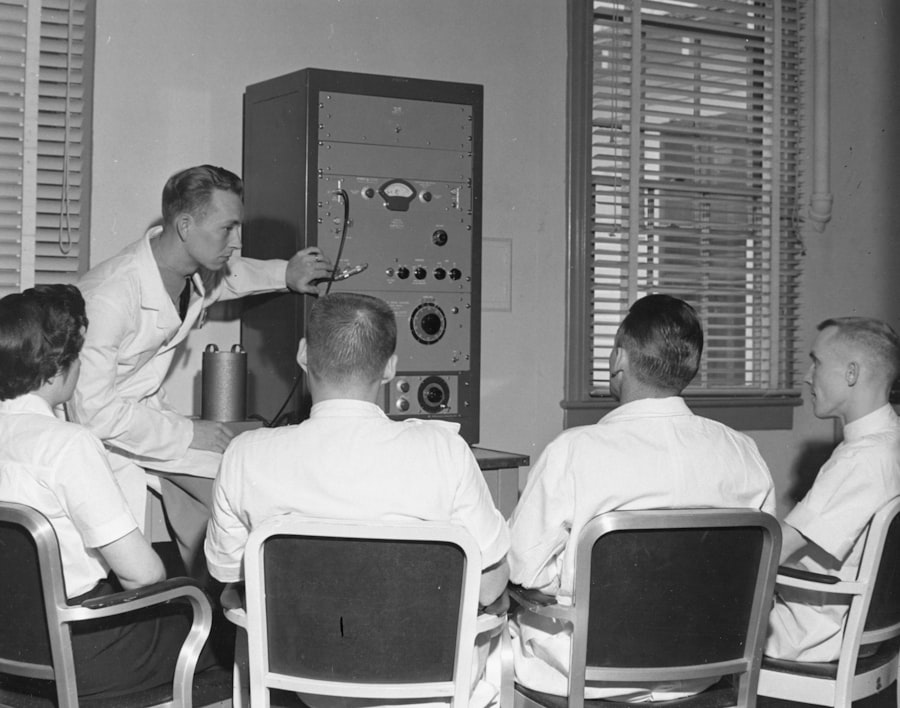
The Clinical Trials Unit plays a multifaceted role in the realm of medical research. One of its primary functions is to design and implement clinical trials that adhere to rigorous scientific and ethical standards. This involves developing study protocols that outline the objectives, methodology, and statistical analysis plans for each trial.
The CTU collaborates with researchers to ensure that these protocols are not only scientifically sound but also feasible within the constraints of available resources and timelines. In addition to protocol development, CTUs are responsible for participant recruitment and retention, which are critical components of successful trials. They employ various strategies to engage potential participants, including outreach programs, informational sessions, and partnerships with community organizations.
Once participants are enrolled, the CTU monitors their progress throughout the trial, ensuring adherence to treatment regimens and collecting data on outcomes. This comprehensive oversight helps maintain the integrity of the trial and ensures that results are valid and reliable.
Process of Conducting Clinical Trials
Conducting a clinical trial is a complex process that typically unfolds in several distinct phases. Initially, researchers must conduct preclinical studies to gather preliminary data on the safety and efficacy of a new intervention. Once sufficient evidence is obtained, they can submit an Investigational New Drug (IND) application to regulatory authorities such as the U.S.
Food and Drug Administration (FDA). Upon approval, the trial can proceed through its various phases: Phase I focuses on safety and dosage; Phase II assesses efficacy; and Phase III compares the new treatment against standard care in larger populations. Throughout these phases, rigorous data collection and monitoring are paramount.
The CTU implements systems for tracking adverse events and ensuring compliance with Good Clinical Practice (GCP) guidelines. Data management teams within the unit work diligently to analyze results as they come in, allowing for interim analyses that can inform ongoing trial adjustments if necessary. This adaptive approach not only enhances participant safety but also optimizes resource allocation throughout the trial’s duration.
Benefits of Participating in Clinical Trials
| Metric | Description | Example Value | Unit |
|---|---|---|---|
| Number of Trials Conducted | Total clinical trials managed by the unit in a year | 45 | Trials |
| Patient Recruitment Rate | Average number of patients enrolled per trial per month | 12 | Patients/Month |
| Trial Completion Rate | Percentage of trials completed on schedule | 85 | % |
| Data Query Resolution Time | Average time taken to resolve data queries during trials | 3 | Days |
| Protocol Deviation Rate | Percentage of trials with protocol deviations | 5 | % |
| Staff Training Hours | Average training hours per staff member annually | 40 | Hours |
| Regulatory Submission Turnaround | Average time to prepare and submit regulatory documents | 15 | Days |
Participation in clinical trials offers numerous benefits for individuals who choose to enroll. One of the most significant advantages is access to cutting-edge treatments that may not yet be available through standard care pathways. For patients with chronic or life-threatening conditions, this access can be life-changing, providing them with options that could potentially improve their health outcomes significantly.
Additionally, participants in clinical trials often receive comprehensive medical care throughout the study period. This includes regular monitoring by healthcare professionals who specialize in the relevant field, which can lead to early detection of complications or disease progression. Furthermore, individuals who participate in clinical trials contribute to the advancement of medical science; their involvement helps researchers gather critical data that can lead to new therapies benefiting future patients.
This sense of contributing to a greater cause can be a powerful motivator for many individuals considering enrollment.
Challenges and Ethical Considerations in Clinical Trials
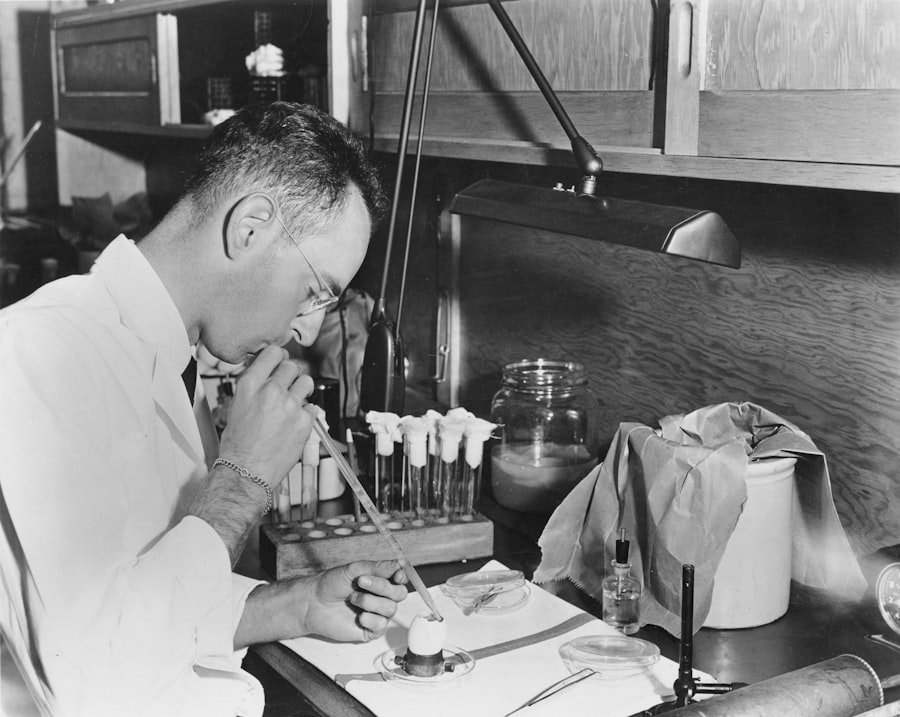
Despite their importance, clinical trials face numerous challenges and ethical considerations that must be navigated carefully. One significant challenge is ensuring participant diversity and representation within trials. Historically, certain demographic groups have been underrepresented in clinical research, leading to gaps in knowledge about how treatments affect different populations.
Addressing this issue requires targeted recruitment strategies and community engagement efforts to build trust among diverse groups. Ethical considerations also play a crucial role in the conduct of clinical trials. Informed consent is a fundamental principle that ensures participants understand the risks and benefits associated with their involvement.
Researchers must provide clear information about what participation entails while also respecting participants’ autonomy. Additionally, ethical oversight by Institutional Review Boards (IRBs) is essential to safeguard participant welfare throughout the trial process. These boards review study protocols to ensure that they meet ethical standards and that risks are minimized while potential benefits are maximized.
Future of Clinical Trials Unit and Medical Research
The future of Clinical Trials Units is poised for transformation as advancements in technology and data science continue to reshape medical research methodologies. The integration of digital health technologies—such as telemedicine, wearable devices, and mobile health applications—has the potential to enhance participant engagement and streamline data collection processes. These innovations can facilitate remote monitoring of participants’ health status, allowing for more flexible trial designs that accommodate patients’ needs.
Moreover, artificial intelligence (AI) and machine learning are increasingly being utilized to analyze vast datasets generated during clinical trials. These technologies can identify patterns and predict outcomes more efficiently than traditional methods, potentially accelerating the pace at which new treatments are developed and brought to market. As CTUs adapt to these changes, they will likely play an even more critical role in fostering collaboration among researchers, healthcare providers, and technology developers to drive innovation in medical research.
Impact of Clinical Trials Unit on Advancing Medical Research
The impact of Clinical Trials Units on advancing medical research is profound and far-reaching. By providing essential infrastructure and expertise for conducting rigorous clinical trials, CTUs facilitate the translation of scientific discoveries into effective treatments that improve patient care. Their role encompasses everything from protocol design to participant recruitment and data management, ensuring that trials are conducted ethically and efficiently.
As we look toward the future, it is clear that Clinical Trials Units will continue to evolve alongside advancements in technology and changes in healthcare delivery models. Their ability to adapt to new challenges while maintaining a steadfast commitment to ethical research practices will be crucial in shaping the next generation of medical breakthroughs. Ultimately, the work done within these units not only enhances our understanding of diseases but also holds the promise of better health outcomes for patients worldwide.
