
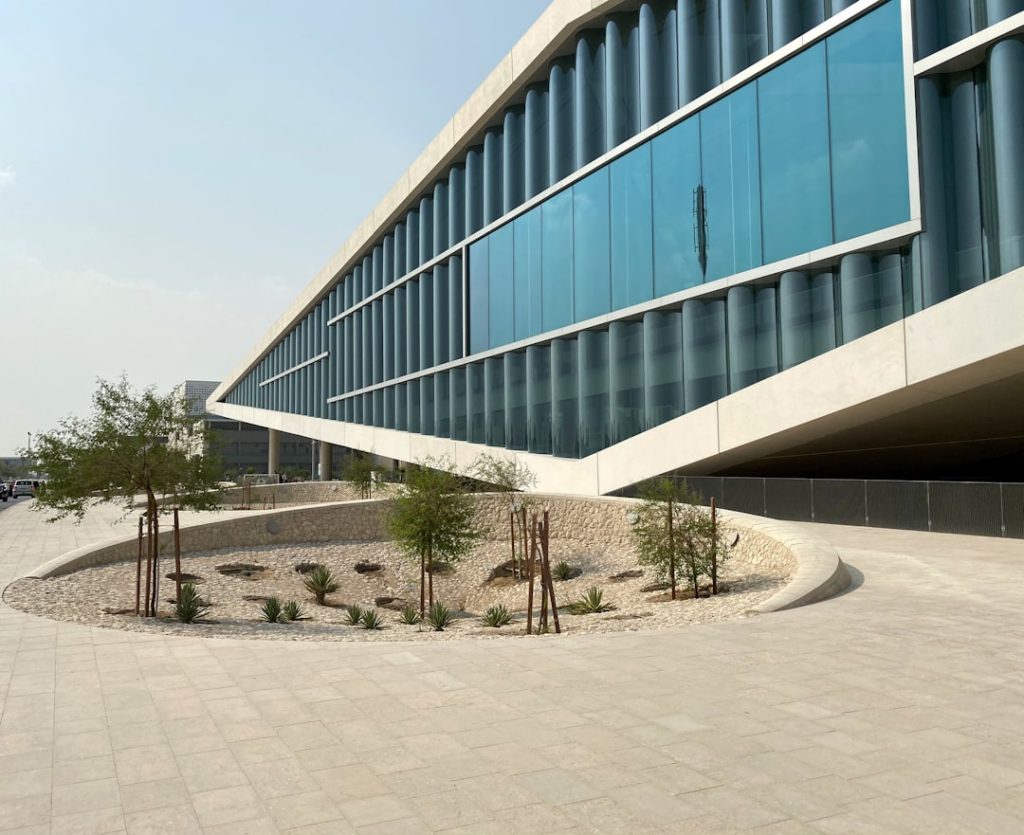
Clinical research buildings form the foundation of contemporary medical progress by providing essential infrastructure for conducting systematic scientific investigations that result in novel treatments and therapeutic interventions. These purpose-built facilities accommodate diverse research activities, including early-phase clinical trials and comprehensive epidemiological studies. These buildings play a critical role in promoting innovation, safeguarding patient welfare, and preserving research integrity.
Through the provision of advanced laboratories, patient care facilities, and administrative areas, clinical research buildings establish environments that facilitate collaboration between researchers, healthcare professionals, and regulatory agencies. The architectural design and operational capabilities of clinical research buildings significantly impact research quality and outcomes. Facilities featuring cutting-edge technology and comprehensive resources enable researchers to execute more accurate and streamlined investigations.

The incorporation of electronic health record (EHR) systems within these structures facilitates efficient data collection and analysis processes, which are vital for tracking patient responses and treatment outcomes. Well-planned clinical research buildings typically incorporate patient-focused areas, including consultation rooms and waiting spaces designed for comfort and accessibility. This emphasis on patient-centered design enhances participant recruitment effectiveness and improves study retention rates, resulting in more comprehensive data collection and reliable research findings.
Key Takeaways
- Clinical research buildings are essential hubs for advancing medicine and accelerating drug development.
- These facilities support innovation in medical devices, improving healthcare technology.
- They play a critical role in enhancing patient care and health outcomes through clinical trials.
- Clinical research buildings help address public health challenges by enabling large-scale studies and data collection.
- Collaboration within these buildings fosters medical breakthroughs and drives the future of precision medicine.
The Role of Clinical Research Buildings in Drug Development

The drug development process is a complex journey that requires meticulous planning, extensive testing, and regulatory compliance. Clinical research buildings play a pivotal role in this process by providing the necessary infrastructure for conducting clinical trials that evaluate the safety and efficacy of new pharmaceuticals. These facilities are equipped with specialized laboratories for preclinical testing, as well as clinical trial units where human subjects can participate in studies under controlled conditions.
The presence of trained personnel, including clinical researchers, pharmacists, and regulatory specialists, further enhances the capabilities of these buildings in supporting drug development. In addition to housing the physical resources needed for drug trials, clinical research buildings also facilitate collaboration between various stakeholders involved in the drug development process. Pharmaceutical companies often partner with academic institutions and contract research organizations (CROs) to leverage their expertise and resources.
This collaborative approach is essential for navigating the complexities of clinical trials, including patient recruitment, data management, and regulatory submissions. By fostering an environment where these diverse entities can work together, clinical research buildings contribute significantly to the acceleration of drug development timelines and the successful introduction of new therapies to the market.
How Clinical Research Buildings Facilitate Medical Device Innovation
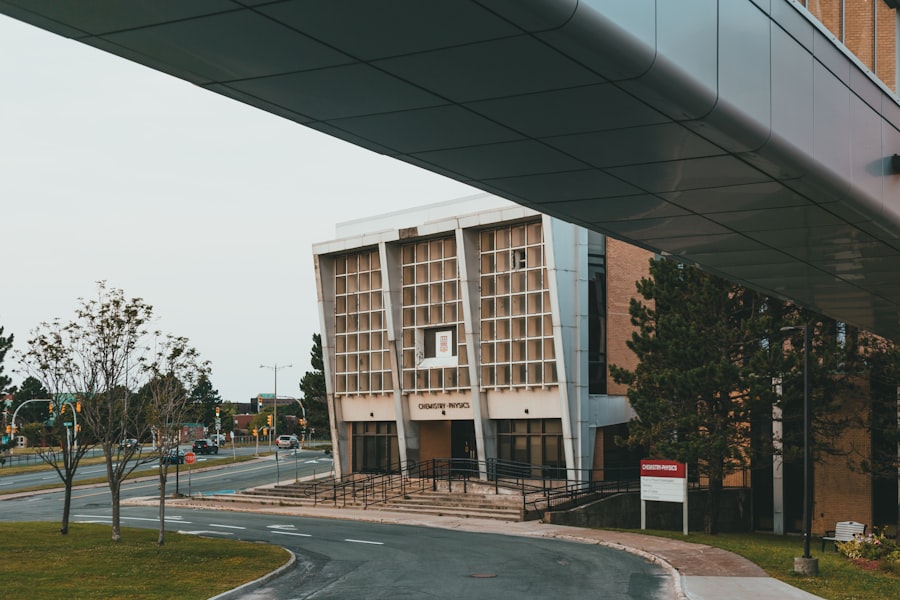
The innovation of medical devices is another critical area where clinical research buildings play a significant role. These facilities provide a controlled environment for testing new devices, ranging from surgical instruments to diagnostic tools. The design of clinical research buildings often includes specialized areas such as simulation labs and testing suites that allow researchers to evaluate device performance under realistic conditions.
This capability is essential for ensuring that medical devices meet safety standards and function as intended before they are approved for widespread use. Furthermore, clinical research buildings often serve as hubs for interdisciplinary collaboration among engineers, clinicians, and regulatory experts. This collaborative environment fosters the exchange of ideas and expertise that can lead to groundbreaking innovations in medical technology.
For example, a team of biomedical engineers may work alongside surgeons to develop a new type of implantable device, utilizing feedback from clinical trials conducted within the same facility. This synergy not only accelerates the development process but also enhances the likelihood that new devices will address real-world clinical needs effectively.
The Impact of Clinical Research Buildings on Patient Care and Outcomes
The design and operation of clinical research buildings have a profound impact on patient care and outcomes. By prioritizing patient safety and comfort, these facilities create an environment where participants feel valued and respected throughout their involvement in clinical trials. For instance, many clinical research buildings incorporate features such as private consultation rooms, comfortable waiting areas, and amenities that cater to patient needs.
This focus on patient experience can lead to higher levels of satisfaction and engagement among trial participants, which is crucial for obtaining reliable data. Moreover, clinical research buildings often implement rigorous protocols for monitoring patient health during trials. This includes regular assessments by healthcare professionals who are trained to identify any adverse effects or complications that may arise from participation in a study.
By ensuring that patients receive comprehensive care throughout the trial process, these facilities not only protect participant well-being but also enhance the quality of data collected. Improved patient outcomes can ultimately lead to more effective treatments being developed and approved for broader use in the healthcare system.
The Role of Clinical Research Buildings in Addressing Public Health Challenges
| Metric | Value | Unit | Description |
|---|---|---|---|
| Total Floor Area | 25,000 | sq ft | Overall usable space for clinical research activities |
| Number of Laboratories | 15 | count | Dedicated labs for various clinical research tests and experiments |
| Patient Examination Rooms | 10 | count | Rooms designed for patient assessments and clinical trials |
| Data Storage Capacity | 50 | TB | Secure digital storage for clinical trial data and records |
| Staff Capacity | 120 | persons | Maximum number of clinical research staff accommodated |
| Annual Clinical Trials Conducted | 30 | trials | Number of clinical trials initiated or completed per year |
| Compliance Certifications | 3 | count | Number of regulatory and quality certifications held |
| Energy Efficiency Rating | A+ | grade | Building’s energy consumption and sustainability rating |
Public health challenges such as infectious disease outbreaks, chronic illness management, and health disparities require innovative solutions grounded in scientific research. Clinical research buildings are uniquely positioned to address these challenges by facilitating studies that explore new interventions and strategies for improving population health. For example, during the COVID-19 pandemic, many clinical research facilities rapidly adapted their operations to conduct trials for vaccines and therapeutics aimed at combating the virus.
This agility underscores the critical role that these buildings play in responding to urgent public health needs. Additionally, clinical research buildings often engage in community outreach initiatives aimed at addressing health disparities among underserved populations. By conducting studies that focus on specific health issues affecting these communities, researchers can develop targeted interventions that improve access to care and health outcomes.
The collaborative nature of clinical research buildings allows for partnerships with local organizations and public health agencies, further enhancing their ability to tackle pressing public health challenges effectively.
The Future of Clinical Research Buildings in Advancing Precision Medicine

As medicine continues to evolve towards a more personalized approach, clinical research buildings will play an increasingly vital role in advancing precision medicine. This approach tailors medical treatment to individual characteristics, including genetic makeup, lifestyle factors, and environmental influences. Clinical research facilities are essential for conducting studies that explore these complex interactions and develop targeted therapies that can improve patient outcomes.
The integration of advanced technologies such as genomics and bioinformatics within clinical research buildings will further enhance their capabilities in supporting precision medicine initiatives. For instance, laboratories equipped with next-generation sequencing technologies can analyze genetic data from trial participants to identify biomarkers associated with specific diseases or treatment responses. This information can then be used to design more effective clinical trials that focus on subpopulations most likely to benefit from particular therapies.
As precision medicine continues to gain traction, clinical research buildings will be at the forefront of this transformative shift in healthcare.
The Ethical Considerations in Clinical Research Building Design and Operation
The ethical considerations surrounding clinical research building design and operation are paramount in ensuring that research is conducted responsibly and with respect for participants’ rights. One key aspect is informed consent; facilities must be designed to facilitate clear communication between researchers and participants regarding study protocols, risks, and benefits. This includes creating spaces where participants feel comfortable asking questions and discussing their concerns openly.
Additionally, ethical considerations extend to the treatment of vulnerable populations involved in clinical trials. Clinical research buildings must implement safeguards to protect these individuals from exploitation or undue risk. This may involve establishing oversight committees or ethics boards that review study protocols before they are approved for implementation within the facility.
By prioritizing ethical standards in both design and operation, clinical research buildings can foster trust among participants and contribute to the integrity of the research process.
The Collaborative Nature of Clinical Research Buildings and Their Impact on Medical Breakthroughs
The collaborative nature of clinical research buildings is one of their most significant attributes, fostering an environment where diverse expertise converges to drive medical breakthroughs. These facilities often host multidisciplinary teams comprising researchers from various fields such as medicine, engineering, pharmacology, and public health. This diversity encourages innovative thinking and problem-solving approaches that can lead to significant advancements in healthcare.
Moreover, partnerships between academic institutions, industry stakeholders, and government agencies are often facilitated within clinical research buildings. These collaborations can accelerate the translation of scientific discoveries into practical applications by streamlining processes such as regulatory approval and commercialization. For example, a partnership between a university’s medical school and a pharmaceutical company may result in a novel drug being developed more rapidly due to shared resources and expertise housed within a dedicated clinical research facility.
This collaborative spirit not only enhances the pace of medical innovation but also ensures that breakthroughs are grounded in rigorous scientific evidence.
