
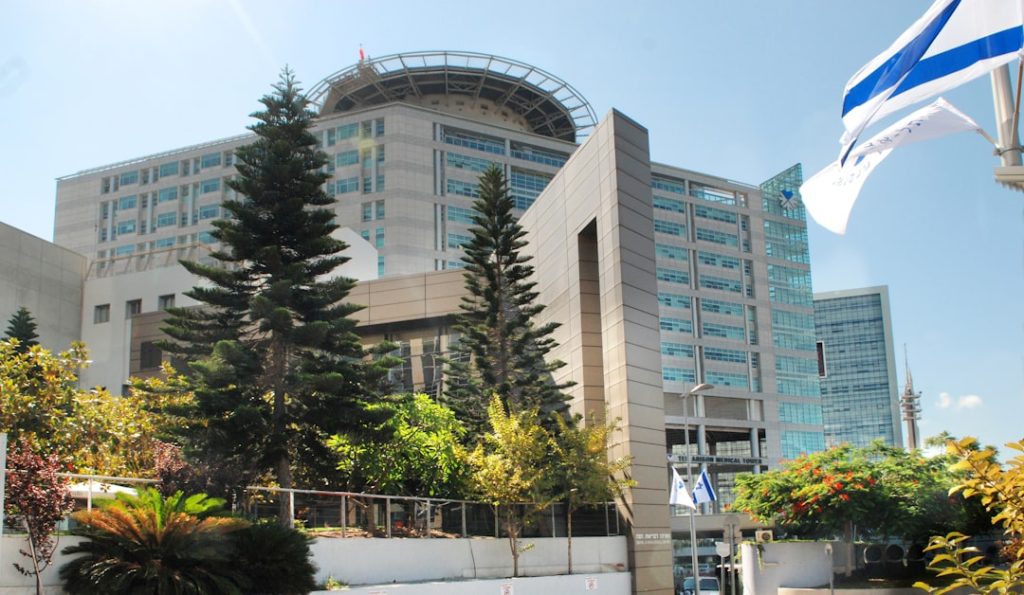
Research Medical Center, located in Kansas City, Missouri, is a leading healthcare institution that combines exceptional patient care with advanced medical research. Founded to deliver high-quality healthcare while contributing to medical knowledge, the center has developed into a key facility for both clinical services and scientific investigation. The center utilizes modern technology and evidence-based methods across its various medical specialties.
Its infrastructure includes advanced laboratories and treatment facilities that effectively integrate patient care with ongoing research activities. Research collaboration is a cornerstone of the center’s approach, involving partnerships with universities, pharmaceutical firms, and healthcare organizations. These collaborative relationships enhance patient care quality while creating an environment conducive to innovative medical studies.

By maintaining dual focus on research and clinical excellence, Research Medical Center contributes significantly to medical advancement, tackles important health issues, and helps improve health outcomes for diverse patient populations.
Key Takeaways
- Research Medical Center leads in cutting-edge medical research and treatment advancements.
- Significant progress has been made in cancer, cardiovascular, and neurological disorder therapies.
- Genetic and molecular medicine innovations are enhancing personalized treatment approaches.
- Surgical techniques have improved, increasing patient safety and recovery outcomes.
- Ongoing infectious disease research and future medical research directions promise continued healthcare breakthroughs.
Advances in Cancer Treatment

In recent years, the landscape of cancer treatment has undergone a remarkable transformation, driven by innovative research and technological advancements. At Research Medical Center, oncologists are at the forefront of these developments, employing a range of therapies that are tailored to the unique genetic profiles of individual tumors. Precision medicine has emerged as a cornerstone of cancer treatment, allowing for targeted therapies that minimize side effects while maximizing efficacy.
For instance, the use of monoclonal antibodies and small molecule inhibitors has revolutionized the management of various cancers, including breast, lung, and colorectal cancers. Immunotherapy represents another significant advancement in cancer treatment that has gained traction at Research Medical Center. By harnessing the body’s immune system to fight cancer cells, immunotherapy has shown promising results in clinical trials.
Treatments such as checkpoint inhibitors and CAR T-cell therapy have provided new avenues for patients with previously untreatable malignancies. The center’s participation in clinical trials for these therapies not only offers patients access to cutting-edge treatments but also contributes to the broader understanding of cancer biology and treatment efficacy.
Breakthroughs in Cardiovascular Research
Cardiovascular disease remains one of the leading causes of morbidity and mortality worldwide, prompting ongoing research efforts to develop more effective prevention and treatment strategies. At Research Medical Center, cardiovascular researchers are making significant strides in understanding the underlying mechanisms of heart disease and identifying novel therapeutic targets. One area of focus is the role of inflammation in atherosclerosis, where studies have revealed that inflammatory markers can predict cardiovascular events.
This insight has led to the exploration of anti-inflammatory drugs as potential treatments for heart disease. Additionally, advancements in imaging technology have enhanced the ability to diagnose and monitor cardiovascular conditions. Techniques such as cardiac MRI and advanced echocardiography provide detailed insights into heart function and structure, enabling clinicians to make more informed decisions regarding patient management.
Research Medical Center is also actively involved in developing wearable technology that monitors heart health in real-time, allowing for early detection of arrhythmias and other cardiovascular issues. These innovations not only improve patient outcomes but also empower individuals to take charge of their heart health.
Innovations in Neurological Disorders
The field of neurology has witnessed significant advancements in recent years, particularly in understanding and treating complex neurological disorders such as Alzheimer’s disease, Parkinson’s disease, and multiple sclerosis. Research Medical Center is at the forefront of this research, employing a multidisciplinary approach that combines clinical expertise with cutting-edge scientific inquiry. One notable area of innovation is the exploration of neurodegenerative diseases at the molecular level.
Researchers are investigating the role of protein misfolding and aggregation in conditions like Alzheimer’s, aiming to develop therapies that can halt or reverse these processes. Moreover, advancements in neuroimaging techniques have revolutionized the diagnosis and management of neurological disorders. Functional MRI and PET scans allow for real-time visualization of brain activity and pathology, providing invaluable information for both clinicians and researchers.
At Research Medical Center, these imaging modalities are utilized not only for diagnostic purposes but also for monitoring treatment responses in clinical trials. The integration of technology with neuroscience research is paving the way for novel therapeutic interventions that could significantly alter the course of debilitating neurological conditions.
Progress in Genetic and Molecular Medicine
| Metric | Value | Details |
|---|---|---|
| Location | Columbia, Missouri | Main campus of University of Missouri Health Care |
| Number of Beds | 400+ | Includes inpatient and specialty care beds |
| Annual Patient Visits | Over 1 million | Includes outpatient, inpatient, and emergency visits |
| Research Funding | Over 100 million | Annual research grants and contracts |
| Specialties | 50+ | Includes cancer, cardiology, neurology, and more |
| Number of Employees | 5,000+ | Includes medical staff, researchers, and support personnel |
| Affiliated University | University of Missouri | Academic medical center and teaching hospital |
The advent of genetic and molecular medicine has transformed our understanding of human health and disease. At Research Medical Center, researchers are leveraging genomic technologies to unravel the complexities of various conditions, from rare genetic disorders to common diseases like diabetes and hypertension. The center’s commitment to personalized medicine is exemplified by its initiatives in genomic sequencing, which enable clinicians to identify genetic mutations that contribute to disease susceptibility and progression.
This information is crucial for developing targeted therapies that address the root causes of illnesses rather than merely alleviating symptoms. Furthermore, advancements in CRISPR technology have opened new avenues for gene editing and therapy. Researchers at Research Medical Center are exploring the potential of CRISPR to correct genetic defects associated with inherited diseases.
This groundbreaking approach holds promise for conditions such as cystic fibrosis and sickle cell anemia, where traditional treatments have often been limited in their effectiveness. By harnessing the power of molecular medicine, Research Medical Center is not only advancing scientific knowledge but also working towards tangible solutions that could improve the lives of countless patients.
Improvements in Surgical Techniques
Surgical innovation has played a pivotal role in enhancing patient outcomes across various medical disciplines. At Research Medical Center, surgeons are adopting minimally invasive techniques that reduce recovery times and minimize complications associated with traditional open surgeries. Robotic-assisted surgery is one such advancement that has gained popularity within the center’s surgical departments.
This technology allows for greater precision and control during procedures, resulting in smaller incisions and less postoperative pain for patients. In addition to robotic surgery, advancements in imaging technology have improved surgical planning and execution. Techniques such as intraoperative ultrasound and augmented reality are being utilized to enhance visualization during complex procedures.
For example, neurosurgeons at Research Medical Center employ advanced imaging techniques to navigate intricate brain structures with unparalleled accuracy. These innovations not only enhance surgical safety but also contribute to better long-term outcomes for patients undergoing surgical interventions.
Achievements in Infectious Disease Research
The field of infectious disease research has gained renewed attention in light of global health challenges such as pandemics and antibiotic resistance. Research Medical Center has positioned itself as a leader in this domain by conducting extensive studies on emerging infectious diseases and developing strategies for prevention and treatment. The center’s infectious disease specialists are actively involved in research related to viral infections, including COVID-19, influenza, and HIV/AIDS.
Their work encompasses vaccine development, antiviral therapies, and public health initiatives aimed at controlling outbreaks. One notable achievement at Research Medical Center is its involvement in clinical trials for novel vaccines and therapeutics targeting infectious diseases. The rapid development of mRNA vaccines during the COVID-19 pandemic exemplifies how research institutions can respond swiftly to emerging threats.
By collaborating with pharmaceutical companies and government agencies, Research Medical Center has played a crucial role in advancing vaccine research that not only protects individuals but also contributes to global health security.
Future Directions in Medical Research
As we look toward the future, the landscape of medical research continues to evolve at an unprecedented pace. At Research Medical Center, there is a strong emphasis on interdisciplinary collaboration that transcends traditional boundaries between specialties. This approach fosters innovation by bringing together experts from diverse fields such as genomics, bioinformatics, engineering, and social sciences to tackle complex health challenges holistically.
Emerging technologies such as artificial intelligence (AI) and machine learning are poised to revolutionize medical research by enabling more efficient data analysis and predictive modeling. Researchers at Research Medical Center are exploring how AI can enhance diagnostic accuracy, optimize treatment plans, and streamline clinical workflows. Additionally, there is a growing recognition of the importance of social determinants of health in shaping patient outcomes.
Future research initiatives will likely focus on addressing health disparities by integrating social science perspectives into medical research. In conclusion, Research Medical Center stands at the forefront of medical innovation, driving advancements across various fields through its commitment to research excellence and patient care. The institution’s collaborative spirit and dedication to improving health outcomes position it as a leader in shaping the future of medicine.
