
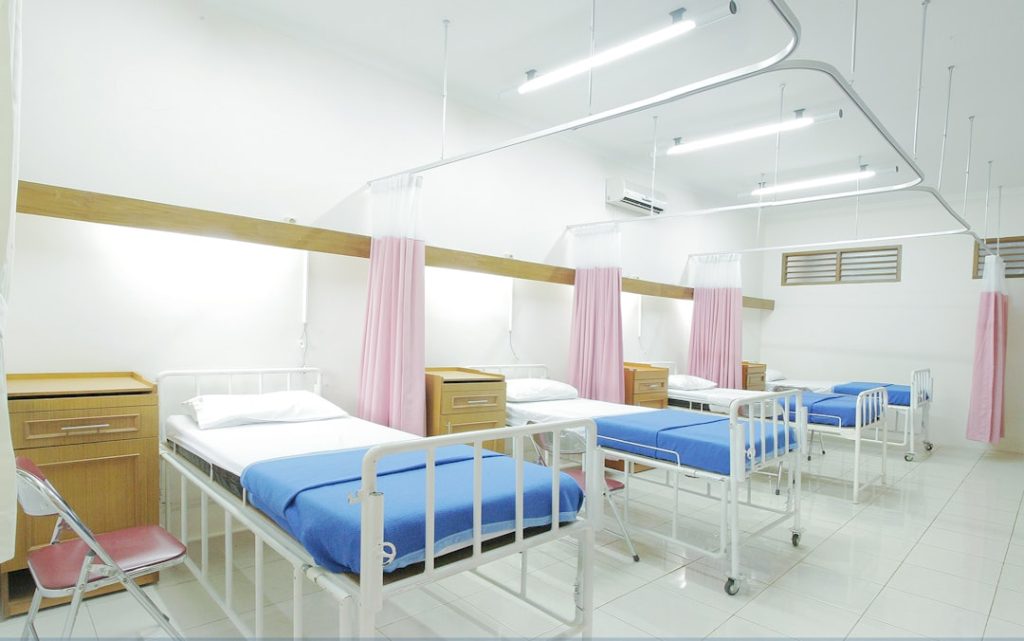
The Missouri Research Center, located in the heart of the Midwest, has emerged as a pivotal institution in the landscape of biomedical research. Established with the mission to advance health and well-being through innovative research, the center has attracted a diverse array of scientists, clinicians, and researchers dedicated to tackling some of the most pressing health challenges of our time. The center’s multidisciplinary approach fosters collaboration across various fields, including oncology, neurology, genetics, and regenerative medicine, making it a hub for groundbreaking discoveries.
The center’s strategic location allows it to leverage partnerships with local universities, hospitals, and industry leaders. This synergy not only enhances the research capabilities but also facilitates the translation of scientific findings into clinical applications. With state-of-the-art facilities and a commitment to fostering an environment of innovation, the Missouri Research Center is at the forefront of medical research, contributing significantly to advancements that have the potential to improve patient outcomes and transform healthcare practices.
Key Takeaways
- Missouri Research Center is at the forefront of diverse medical research fields.
- Significant breakthroughs have been made in cancer and neurological disorder treatments.
- Innovations in genetic therapies and regenerative medicine are advancing patient care.
- Precision medicine and medical imaging technologies are enhancing diagnosis and treatment.
- Future collaborations aim to accelerate medical research and improve health outcomes.

Breakthroughs in Cancer Research
Cancer research at the Missouri Research Center has yielded significant breakthroughs that are reshaping our understanding of this complex disease. One notable area of focus is the development of targeted therapies that aim to attack cancer cells while sparing healthy tissue. Researchers have been investigating specific genetic mutations that drive tumor growth, leading to the creation of personalized treatment plans tailored to individual patients.

For instance, studies on breast cancer have identified particular biomarkers that predict response to certain therapies, allowing for more effective and less toxic treatment options. In addition to targeted therapies, the center has made strides in immunotherapy, harnessing the body’s immune system to fight cancer. Clinical trials conducted at the center have explored novel approaches such as CAR T-cell therapy, where a patient’s T-cells are genetically modified to better recognize and attack cancer cells.
These innovative treatments have shown promise in hematological malignancies and are being expanded to solid tumors. The ongoing research not only aims to improve survival rates but also seeks to enhance the quality of life for patients undergoing treatment.
Advancements in Neurological Disorders

The Missouri Research Center is also making significant contributions to the field of neurology, particularly in understanding and treating neurological disorders such as Alzheimer’s disease, Parkinson’s disease, and multiple sclerosis. Researchers are employing advanced imaging techniques and biomarker discovery to unravel the complexities of these conditions. For example, studies utilizing PET scans have provided insights into amyloid plaque accumulation in Alzheimer’s patients, which is crucial for early diagnosis and intervention.
Moreover, the center is exploring novel therapeutic strategies aimed at neuroprotection and neuroregeneration. One promising avenue involves the use of stem cells to repair damaged neural tissue. Preclinical studies have demonstrated that transplanted stem cells can differentiate into neurons and glial cells, potentially restoring lost functions in animal models of neurological disorders.
These findings are paving the way for clinical trials that could revolutionize treatment options for patients suffering from debilitating neurological conditions.
Innovations in Genetic Therapies
Genetic therapies represent one of the most exciting frontiers in modern medicine, and the Missouri Research Center is at the cutting edge of this field. Researchers are investigating gene editing technologies such as CRISPR-Cas9, which allows for precise modifications to DNA sequences. This technology holds immense potential for treating genetic disorders by correcting mutations at their source.
For instance, ongoing research is focused on conditions like cystic fibrosis and muscular dystrophy, where targeted gene therapy could restore normal function or halt disease progression. In addition to gene editing, the center is exploring viral vector systems for delivering therapeutic genes into patients’ cells. These vectors can be engineered to target specific tissues, enhancing the efficacy of treatments while minimizing off-target effects.
Clinical trials are underway to assess the safety and effectiveness of these innovative approaches in treating a variety of genetic disorders. The implications of successful genetic therapies extend beyond individual diseases; they could fundamentally alter our approach to medicine by shifting from symptomatic treatment to curative interventions.
Progress in Regenerative Medicine
| Metric | Value | Details |
|---|---|---|
| Location | Columbia, Missouri | University of Missouri Health Care campus |
| Type | Academic Medical Center | Part of University of Missouri Health System |
| Number of Beds | 247 | Includes specialized care units |
| Annual Patient Visits | Over 500,000 | Includes outpatient and inpatient visits |
| Research Funding | Approximately 100 million | Annual research grants and contracts |
| Specialties | Cardiology, Oncology, Neurology, Transplant, Pediatrics | Leading clinical and research programs |
| Affiliated University | University of Missouri | School of Medicine and Health Sciences |
| Number of Employees | 3,000+ | Includes medical staff, researchers, and support personnel |
Regenerative medicine is another area where the Missouri Research Center has made remarkable strides. This field focuses on repairing or replacing damaged tissues and organs through techniques such as tissue engineering and stem cell therapy. Researchers are investigating various sources of stem cells, including embryonic stem cells, induced pluripotent stem cells (iPSCs), and adult stem cells, each offering unique advantages for regenerative applications.
One particularly promising project involves developing bioengineered tissues that can be used for transplantation. For example, scientists at the center are working on creating vascularized tissue constructs that mimic natural organs. These constructs could potentially address the shortage of donor organs for transplantation by providing a viable alternative for patients with end-stage organ failure.
Additionally, advancements in 3D bioprinting technology are enabling researchers to create complex tissue structures with precise architecture, further enhancing the potential for successful regenerative therapies.
Developments in Precision Medicine
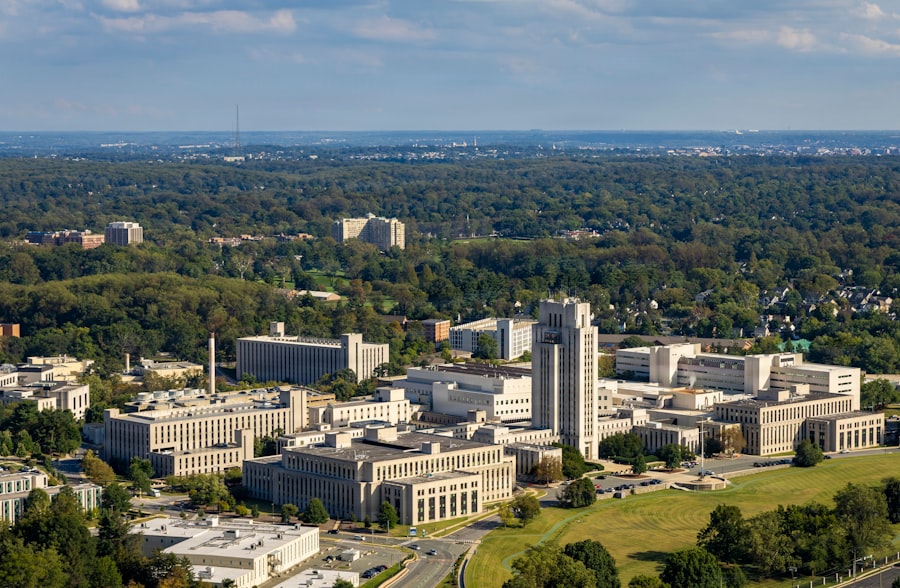
Precision medicine is revolutionizing healthcare by tailoring treatment strategies based on individual patient characteristics, including genetics, environment, and lifestyle. The Missouri Research Center is actively engaged in this paradigm shift, conducting research that integrates genomic data with clinical information to develop personalized treatment plans. By analyzing large datasets from diverse populations, researchers can identify patterns that inform more effective interventions.
One area where precision medicine is making a significant impact is in oncology. The center’s researchers are utilizing genomic sequencing to identify mutations specific to individual tumors, allowing for targeted therapies that are more likely to succeed based on a patient’s unique genetic makeup. This approach not only improves treatment efficacy but also reduces unnecessary side effects associated with traditional one-size-fits-all therapies.
As precision medicine continues to evolve, the Missouri Research Center remains committed to advancing this field through innovative research and collaboration with healthcare providers.
Cutting-Edge Technology in Medical Imaging
Medical imaging technology plays a crucial role in diagnosing and monitoring diseases, and the Missouri Research Center is leveraging cutting-edge advancements in this area to enhance patient care. The center employs a range of imaging modalities, including MRI, CT scans, and advanced ultrasound techniques, to provide detailed insights into various health conditions. Recent innovations such as functional MRI (fMRI) allow researchers to visualize brain activity in real-time, offering valuable information for studies on neurological disorders.
Moreover, the integration of artificial intelligence (AI) into medical imaging is transforming how images are analyzed and interpreted. AI algorithms can assist radiologists by identifying patterns that may be missed by the human eye, leading to earlier detection of diseases such as cancer or cardiovascular conditions. The center is actively exploring these technologies through collaborative projects aimed at improving diagnostic accuracy and streamlining workflows in clinical settings.
Future Directions and Collaborations in Medical Research
Looking ahead, the Missouri Research Center is poised to continue its trajectory of innovation and discovery through strategic collaborations and interdisciplinary research initiatives. The center recognizes that many health challenges require a multifaceted approach that draws on expertise from various fields. By fostering partnerships with academic institutions, industry leaders, and healthcare organizations, the center aims to accelerate the translation of research findings into practical applications that benefit patients.
Future directions include expanding research into emerging areas such as digital health technologies and telemedicine, which have gained prominence in recent years. The integration of wearable devices and mobile health applications into clinical practice offers new opportunities for monitoring patient health and delivering personalized interventions remotely. As these technologies evolve, the Missouri Research Center is committed to being at the forefront of research that harnesses their potential to improve healthcare delivery and outcomes.
In summary, the Missouri Research Center stands as a beacon of hope in medical research, driving advancements across multiple disciplines with a focus on improving patient care and outcomes. Through its commitment to innovation and collaboration, the center is well-positioned to tackle some of the most pressing health challenges facing society today while paving the way for future breakthroughs in medicine.
