
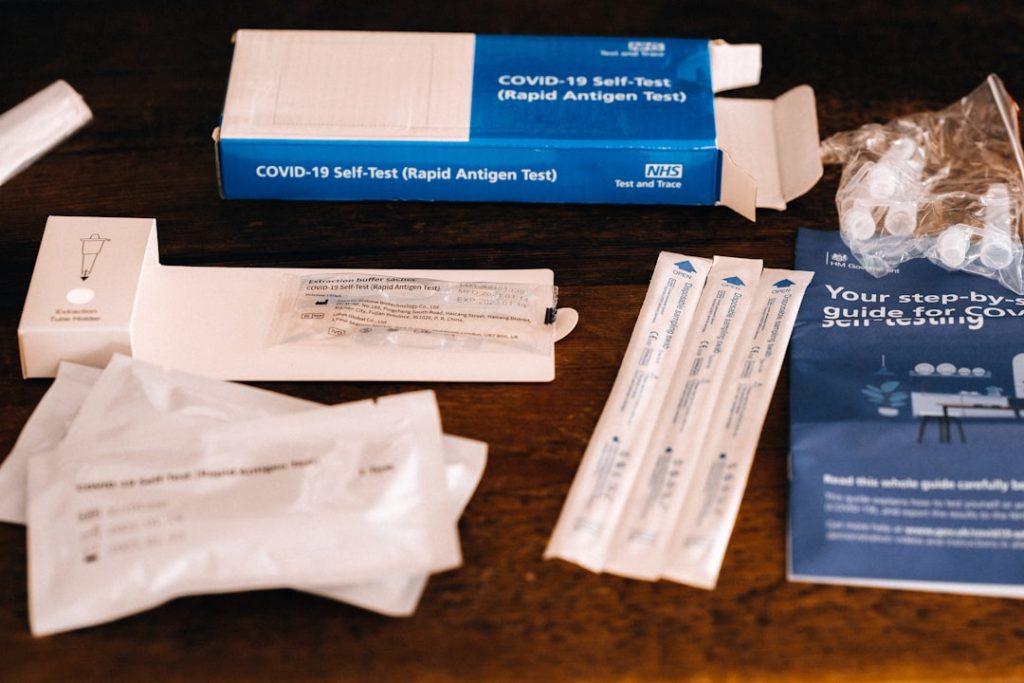
Clinical trials are research studies that evaluate the safety and effectiveness of new medical treatments, drugs, devices, and procedures. These studies form a critical part of medical research and are necessary for advancing healthcare knowledge and developing new therapies. Participants may receive financial compensation for their time and participation, with payment amounts varying according to study requirements, duration, and complexity.
Clinical trials follow a systematic four-phase structure. Phase I trials primarily assess safety and determine appropriate dosages, typically involving small groups of 20-100 participants, often healthy volunteers or patients with the target condition. Phase II trials involve 100-300 participants and focus on evaluating treatment effectiveness while continuing safety monitoring.

Phase III trials include larger populations of 300-3,000 participants and serve to confirm treatment efficacy, monitor adverse effects, and compare new treatments to existing standard treatments across diverse demographic groups. Phase IV trials, also called post-marketing surveillance studies, occur after regulatory approval and involve ongoing monitoring of long-term effects and rare adverse reactions in the general population. Each phase follows strict protocols and regulatory oversight to ensure data quality and participant safety.
The collected data from these phases informs regulatory agencies such as the FDA in their decisions regarding treatment approval and public availability.
Key Takeaways
- Clinical paid trials involve participants receiving compensation for testing new medical treatments or drugs.
- Participation requires meeting specific eligibility criteria and following study protocols.
- Benefits include access to new treatments and financial compensation, but risks and side effects must be considered.
- Ethical guidelines ensure participant safety, informed consent, and transparency in clinical trials.
- Clinical paid trials are crucial for advancing medical research and developing effective new therapies.

How to Participate in Clinical Paid Trials
Participating in clinical paid trials begins with understanding the eligibility criteria set forth by the researchers. These criteria can include age, gender, medical history, and specific health conditions relevant to the study. Interested individuals can find opportunities through various channels, including clinical trial registries, hospital websites, and dedicated research institutions.
Websites like ClinicalTrials.gov provide comprehensive listings of ongoing studies, allowing potential participants to search by location, condition, or intervention type. Once a suitable trial is identified, prospective participants typically undergo a screening process. This may involve a detailed medical history review, physical examinations, and laboratory tests to ensure they meet the study’s requirements.
If accepted into the trial, participants will be informed about the study’s purpose, procedures, potential risks, and benefits. Informed consent is a critical component of this process; participants must fully understand what their involvement entails before agreeing to participate. This transparency is vital for maintaining ethical standards in research and ensuring that participants are making informed decisions about their health.
Benefits of Participating in Clinical Paid Trials

Engaging in clinical paid trials offers several advantages beyond financial compensation. One of the most significant benefits is access to cutting-edge treatments that may not yet be available to the general public. Participants may receive novel therapies that could potentially improve their health outcomes or provide relief from chronic conditions.
This access can be particularly valuable for individuals with limited treatment options or those who have exhausted conventional therapies. Additionally, participation in clinical trials contributes to the advancement of medical knowledge and public health. By volunteering for these studies, individuals play a crucial role in helping researchers understand diseases better and develop new interventions.
This collective effort can lead to breakthroughs that benefit not only the participants but also future patients facing similar health challenges. Furthermore, many clinical trials offer comprehensive medical care and monitoring throughout the study period, which can enhance participants’ overall health management.
Risks and Considerations of Clinical Paid Trials
While there are numerous benefits to participating in clinical paid trials, it is essential to acknowledge the potential risks involved. One primary concern is the possibility of experiencing adverse effects from experimental treatments. Since these interventions are often in early stages of development, their safety profiles may not be fully established.
Participants may encounter side effects that range from mild discomfort to severe reactions, depending on the nature of the treatment being tested. Moreover, participants should consider the time commitment required for involvement in clinical trials. Many studies necessitate multiple visits to research sites for assessments, treatments, and follow-up evaluations.
This can be particularly challenging for individuals with demanding work schedules or family responsibilities. Additionally, some trials may involve randomization, meaning participants might receive a placebo instead of an active treatment. This uncertainty can be disheartening for those seeking immediate relief from their conditions.
Therefore, it is crucial for potential participants to weigh these risks against the potential benefits before deciding to enroll.
The Importance of Clinical Paid Trials in Medical Research
| Metric | Description | Typical Value | Unit |
|---|---|---|---|
| Number of Participants | Total enrolled subjects in the trial | 100-500 | Participants |
| Trial Duration | Length of the clinical trial from start to finish | 6-24 | Months |
| Payment per Participant | Compensation given to each participant | 500-3000 | Units |
| Completion Rate | Percentage of participants who complete the trial | 70-90 | Percent |
| Adverse Event Rate | Percentage of participants experiencing adverse events | 5-15 | Percent |
| Recruitment Rate | Number of participants enrolled per month | 10-50 | Participants/Month |
| Data Collection Points | Number of times data is collected during the trial | 5-10 | Times |
Clinical paid trials serve as a cornerstone of medical research, providing essential data that informs clinical practice and public health policies. They are instrumental in determining whether new treatments are safe and effective for broader populations. Without these trials, many medical advancements would not be possible; they allow researchers to test hypotheses in controlled environments and gather evidence that can lead to regulatory approvals.
Furthermore, clinical trials contribute significantly to understanding disease mechanisms and treatment responses across diverse populations. By including participants from various backgrounds and demographics, researchers can identify how different groups respond to treatments differently. This inclusivity is vital for developing personalized medicine approaches that cater to individual patient needs rather than adopting a one-size-fits-all strategy.
The insights gained from clinical trials ultimately shape guidelines for best practices in healthcare delivery.
How Clinical Paid Trials Contribute to the Development of New Treatments

The development of new treatments relies heavily on the data generated from clinical paid trials. These studies provide a systematic approach to testing new drugs or therapies before they reach the market. For instance, when a pharmaceutical company develops a new medication, it must undergo rigorous testing through various phases of clinical trials to demonstrate its safety and efficacy before receiving approval from regulatory bodies like the U.S.
Food and Drug Administration (FDA). Moreover, clinical trials often explore innovative treatment modalities that challenge existing paradigms in medicine. For example, recent advancements in immunotherapy for cancer treatment have emerged from extensive clinical research demonstrating how harnessing the body’s immune system can effectively target tumors.
Such breakthroughs not only enhance treatment options for patients but also pave the way for future research endeavors aimed at tackling complex diseases.
Understanding the Ethical Guidelines of Clinical Paid Trials
Ethical considerations are paramount in conducting clinical paid trials to protect participants’ rights and well-being. Regulatory agencies have established guidelines that govern how these studies should be designed and implemented. The Declaration of Helsinki and Good Clinical Practice (GCP) guidelines outline fundamental principles such as informed consent, risk minimization, and participant confidentiality.
Informed consent is particularly critical; it ensures that participants are fully aware of what their involvement entails and any potential risks associated with the study. Researchers must provide clear information about the study’s purpose, procedures, possible side effects, and alternative treatment options available outside the trial context. Additionally, ethical oversight committees or institutional review boards (IRBs) review study protocols to ensure they meet ethical standards before approval.
Finding and Choosing Reputable Clinical Paid Trial Opportunities
Finding reputable clinical paid trial opportunities requires diligence and careful consideration. Potential participants should start by consulting reliable sources such as government databases like ClinicalTrials.gov or local research institutions affiliated with universities or hospitals known for their commitment to ethical research practices. These platforms provide detailed information about ongoing studies, including eligibility criteria and contact information for study coordinators.
When evaluating specific trials, individuals should consider factors such as the reputation of the sponsoring organization or research institution conducting the study. It is advisable to look for studies sponsored by well-established pharmaceutical companies or academic institutions with a track record of conducting ethical research. Additionally, prospective participants should not hesitate to ask questions about the study’s design, potential risks, and compensation structure during initial consultations with researchers or coordinators.
In conclusion, clinical paid trials represent a vital aspect of medical research that not only advances scientific knowledge but also offers individuals unique opportunities for participation in groundbreaking studies. By understanding what these trials entail and how they contribute to healthcare advancements, individuals can make informed decisions about their involvement while playing an essential role in shaping future medical treatments.
