

Disease pathology is a critical field within medical science that focuses on understanding the nature, causes, and effects of diseases. It serves as the bridge between basic biological research and clinical practice, providing insights that are essential for diagnosing and treating various health conditions. Pathology encompasses a wide range of disciplines, including histopathology, molecular pathology, and forensic pathology, each contributing unique perspectives on how diseases manifest at different levels of biological organization.
By examining tissues, cells, and bodily fluids, pathologists can identify abnormalities that indicate the presence of disease, thereby playing a pivotal role in patient care. The study of disease pathology is not merely an academic pursuit; it has profound implications for public health and individual patient outcomes. As diseases evolve and new pathogens emerge, the need for a robust understanding of pathology becomes increasingly urgent.

This field not only aids in the identification of diseases but also informs the development of targeted therapies and preventive measures. The intricate interplay between genetic predispositions, environmental factors, and lifestyle choices further complicates the landscape of disease pathology, making it a dynamic area of research that continually adapts to new findings and technological advancements.
Key Takeaways
- Disease pathology provides critical insights into the mechanisms and progression of illnesses.
- Pathologists play a key role in diagnosing diseases by analyzing tissue and cellular changes.
- Understanding cellular and molecular alterations is essential for identifying disease causes and effects.
- Advances in pathology techniques enhance disease detection, treatment, and management strategies.
- Emerging trends in pathology promise improved healthcare outcomes through personalized medicine and innovative research.
The Role of Pathologists in Disease Diagnosis

Pathologists are medical doctors who specialize in diagnosing diseases by examining tissues, cells, and bodily fluids. Their expertise is crucial in determining the nature of a disease, which can significantly influence treatment decisions. Pathologists utilize various techniques, including microscopy, immunohistochemistry, and molecular diagnostics, to analyze samples obtained from patients.
This diagnostic process often begins with a biopsy, where a small sample of tissue is removed for examination. The pathologist then meticulously evaluates the sample for any signs of disease, such as abnormal cell growth or structural changes. In addition to diagnosing diseases, pathologists also play a vital role in guiding treatment strategies.
For instance, in oncology, pathologists assess tumor samples to determine the type and stage of cancer, which directly impacts treatment options such as surgery, chemotherapy, or targeted therapies. Furthermore, pathologists collaborate closely with other healthcare professionals to ensure that patients receive comprehensive care. Their insights can help clinicians understand the prognosis of a disease and tailor treatment plans accordingly.
This collaborative approach underscores the importance of pathology in the broader context of healthcare delivery.
Understanding the Cellular and Molecular Basis of Disease
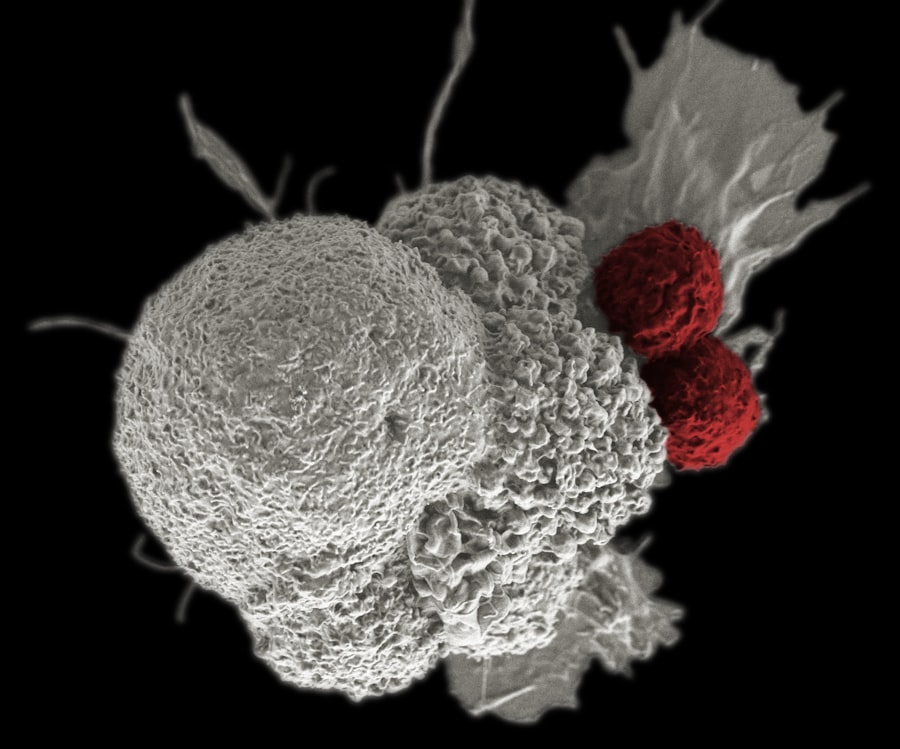
At the heart of disease pathology lies an intricate understanding of cellular and molecular mechanisms that underlie various health conditions. Diseases often arise from disruptions in normal cellular processes, leading to alterations in cell structure and function. For example, cancer is characterized by uncontrolled cell proliferation due to mutations in genes that regulate the cell cycle.
These mutations can be triggered by environmental factors such as carcinogens or can be inherited through genetic predisposition. Understanding these molecular changes is essential for developing targeted therapies that can specifically address the underlying causes of cancer. Moreover, advancements in molecular biology have revolutionized our understanding of diseases at a fundamental level.
Techniques such as next-generation sequencing allow researchers to identify genetic mutations associated with specific diseases, paving the way for personalized medicine. For instance, in the case of cystic fibrosis, mutations in the CFTR gene lead to defective chloride channels in epithelial cells, resulting in thick mucus production and respiratory complications. By understanding these molecular pathways, researchers can develop therapies aimed at correcting or compensating for these genetic defects.
This shift towards a molecular understanding of disease not only enhances diagnostic accuracy but also opens new avenues for innovative treatments.
Common Pathological Processes in Human Diseases
Human diseases often share common pathological processes that can be categorized into several key mechanisms. Inflammation is one such process that plays a central role in many diseases, including autoimmune disorders, infections, and chronic conditions like arthritis. Inflammation is a complex biological response to harmful stimuli, characterized by the activation of immune cells and the release of inflammatory mediators.
While acute inflammation is a protective response aimed at eliminating pathogens and initiating healing, chronic inflammation can lead to tissue damage and contribute to disease progression. Another prevalent pathological process is necrosis and apoptosis, which refer to different forms of cell death. Necrosis is typically associated with uncontrolled cell death due to injury or lack of blood supply, leading to inflammation and tissue damage.
In contrast, apoptosis is a regulated process that allows for the elimination of damaged or unnecessary cells without causing an inflammatory response. Dysregulation of these processes can contribute to various diseases; for example, excessive apoptosis is implicated in neurodegenerative disorders like Alzheimer’s disease, while insufficient apoptosis may lead to cancer development due to the accumulation of damaged cells.
The Importance of Disease Pathology in Treatment and Management
| Metric | Value | Description |
|---|---|---|
| Term | Pathology | The medical term for the study of disease |
| Subfields | Histopathology, Clinical Pathology, Forensic Pathology, Molecular Pathology | Different branches within pathology focusing on various aspects of disease |
| Average Study Duration | 4-6 years | Typical time to complete medical education and specialization in pathology |
| Common Techniques | Biopsy, Autopsy, Microscopy, Immunohistochemistry | Methods used to study and diagnose diseases |
| Key Focus | Causes, Mechanisms, Effects of Diseases | Main areas of investigation in pathology |
The significance of disease pathology extends beyond diagnosis; it is integral to the treatment and management of diseases. Understanding the underlying pathological mechanisms allows healthcare providers to devise effective treatment strategies tailored to individual patients. For instance, in infectious diseases, identifying the causative agent through pathological examination enables clinicians to select appropriate antimicrobial therapies.
In cases where resistance patterns are known, pathologists can provide critical information that guides antibiotic selection. Furthermore, pathology plays a crucial role in monitoring disease progression and treatment response. Regular pathological assessments can help determine whether a treatment is effective or if adjustments are necessary.
For example, in cancer management, pathologists may analyze tumor markers or perform imaging studies to assess changes in tumor size or characteristics over time. This ongoing evaluation is essential for optimizing patient outcomes and ensuring that therapeutic interventions remain aligned with the evolving nature of the disease.
Techniques and Tools Used in Disease Pathology Research
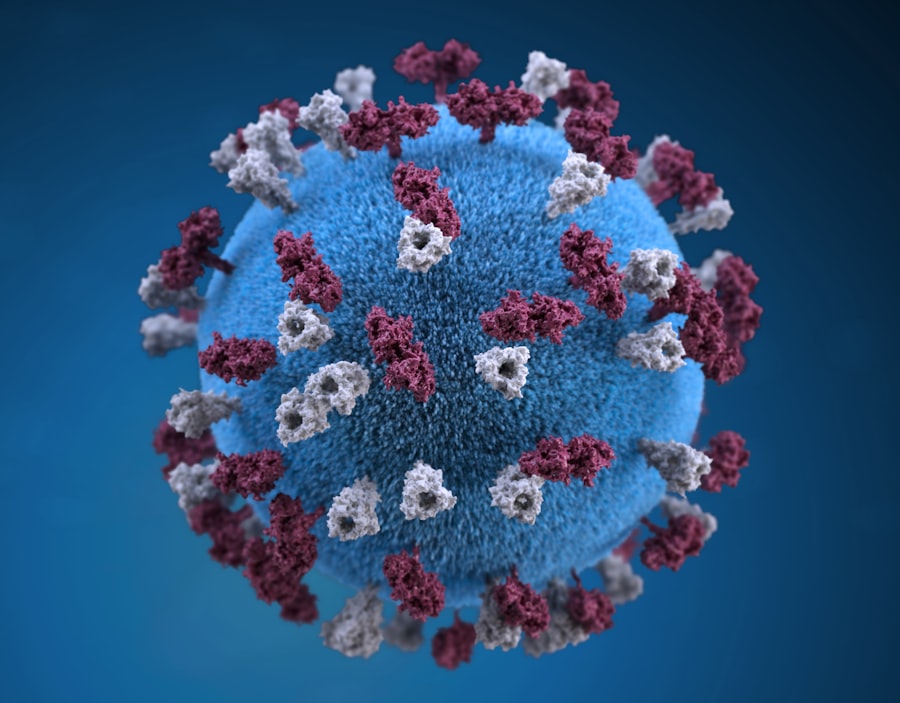
The field of disease pathology employs a diverse array of techniques and tools that enhance our understanding of diseases at both cellular and molecular levels. Histopathology remains one of the cornerstone techniques used by pathologists to examine tissue samples under a microscope. This method allows for the identification of structural abnormalities that may indicate disease presence or progression.
Staining techniques such as Hematoxylin and Eosin (H&E) staining are commonly used to highlight cellular features and facilitate diagnosis. In addition to traditional histopathological methods, molecular techniques have gained prominence in recent years. Polymerase chain reaction (PCR) is widely used for amplifying specific DNA sequences, enabling the detection of genetic mutations associated with various diseases.
Fluorescence in situ hybridization (FISH) allows for the visualization of specific genetic material within cells, providing insights into chromosomal abnormalities linked to conditions like leukemia. These molecular tools not only enhance diagnostic accuracy but also contribute to our understanding of disease mechanisms.
Emerging Trends and Advances in Disease Pathology
The field of disease pathology is continuously evolving with emerging trends that reflect advancements in technology and scientific understanding. One notable trend is the integration of artificial intelligence (AI) into pathology workflows. AI algorithms are being developed to assist pathologists in analyzing images more efficiently and accurately.
For instance, machine learning models can be trained to recognize patterns associated with specific diseases, potentially reducing diagnostic errors and improving turnaround times for results. Another significant advancement is the rise of liquid biopsies as a non-invasive method for detecting cancer-related biomarkers in blood samples. This approach allows for real-time monitoring of tumor dynamics without the need for invasive procedures like traditional biopsies.
Liquid biopsies hold promise not only for early detection but also for assessing treatment response and identifying potential resistance mechanisms as tumors evolve over time.
The Future of Disease Pathology: Implications for Healthcare
Looking ahead, the future of disease pathology holds immense potential for transforming healthcare delivery and improving patient outcomes. As our understanding of diseases deepens through ongoing research and technological advancements, pathologists will play an increasingly vital role in personalized medicine approaches. Tailoring treatments based on individual genetic profiles will become more commonplace as genomic data becomes integrated into routine clinical practice.
Moreover, the collaboration between pathologists and other healthcare professionals will continue to strengthen as interdisciplinary approaches gain traction in patient care. By fostering communication between pathologists, clinicians, researchers, and public health officials, we can create a more holistic understanding of diseases that encompasses prevention, diagnosis, treatment, and management strategies. As we navigate this evolving landscape, it is essential to prioritize education and training for future pathologists to equip them with the skills needed to adapt to new technologies and methodologies.
Emphasizing research opportunities within pathology will also be crucial for driving innovation and ensuring that this field remains at the forefront of medical science. In summary, disease pathology stands as a cornerstone of modern medicine, providing invaluable insights into the nature of diseases while shaping diagnostic practices and treatment strategies. As we continue to unravel the complexities of human health through pathology research, we pave the way for a future where healthcare is more precise, effective, and responsive to individual patient needs.
