
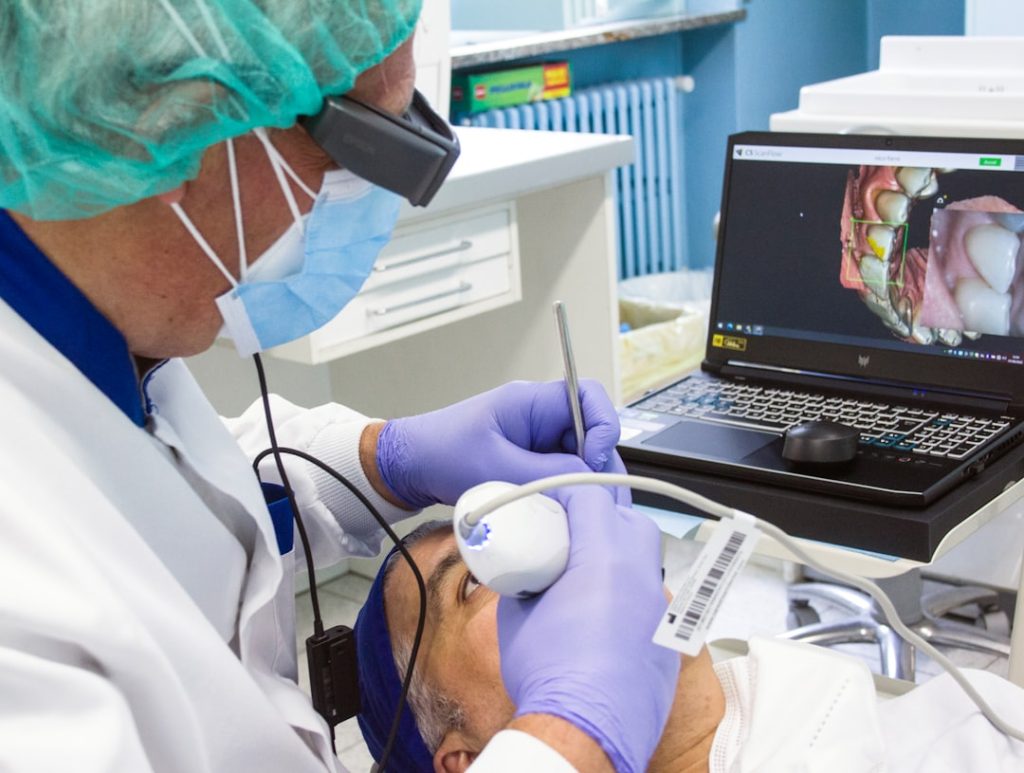
Telemedicine has emerged as a transformative force in the healthcare landscape, particularly in the realm of remote patient monitoring (RPM). This innovative approach leverages technology to facilitate the delivery of healthcare services from a distance, allowing healthcare providers to monitor patients’ health status in real-time without the need for in-person visits. The rise of telemedicine has been accelerated by advancements in digital communication technologies, including smartphones, wearable devices, and secure online platforms.
These tools enable healthcare professionals to collect vital health data, such as heart rate, blood pressure, and glucose levels, from patients in their homes, thereby enhancing the efficiency and effectiveness of care delivery. The COVID-19 pandemic further catalyzed the adoption of telemedicine, as healthcare systems sought to minimize the risk of virus transmission while ensuring that patients continued to receive necessary medical attention. Remote patient monitoring became a critical component of this strategy, allowing for ongoing management of chronic conditions and timely interventions for acute issues.

As a result, telemedicine has not only expanded access to healthcare services but has also redefined the patient-provider relationship, fostering a more collaborative and continuous approach to health management.
Key Takeaways
- Telemedicine enhances remote patient monitoring by enabling continuous healthcare access in underserved areas.
- It offers benefits like improved chronic condition management but faces challenges such as technology barriers and data security.
- Telemedicine significantly increases healthcare accessibility for patients in remote and rural locations.
- Effective use of telemedicine leads to better patient outcomes and higher satisfaction rates.
- Successful implementation requires addressing infrastructure, training, and patient acceptance to maximize telemedicine’s potential.
Benefits and Challenges of Telemedicine in Remote Patient Monitoring

The benefits of telemedicine in remote patient monitoring are manifold. One of the most significant advantages is the increased accessibility it offers to patients, particularly those living in rural or underserved areas. By eliminating geographical barriers, telemedicine allows individuals to receive care from specialists who may not be available locally.
This is particularly crucial for patients with chronic conditions who require regular monitoring and follow-up care. Additionally, telemedicine can lead to cost savings for both patients and healthcare systems by reducing the need for travel and minimizing hospital admissions. However, the implementation of telemedicine in remote patient monitoring is not without its challenges.
One major hurdle is the digital divide; not all patients have access to the necessary technology or reliable internet connections. This disparity can exacerbate existing health inequities, leaving vulnerable populations at a disadvantage. Furthermore, there are concerns regarding data privacy and security, as sensitive health information is transmitted over digital platforms.
Ensuring compliance with regulations such as the Health Insurance Portability and Accountability Act (HIPAA) is essential to protect patient confidentiality and maintain trust in telemedicine services.
Impact of Telemedicine on Healthcare Access in Remote Areas
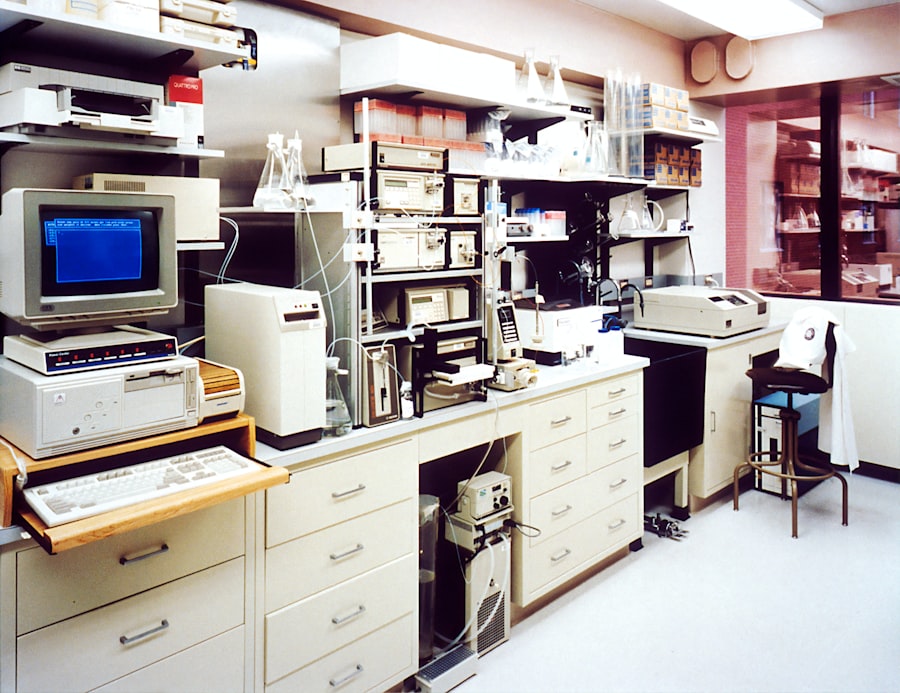
Telemedicine has significantly impacted healthcare access in remote areas by bridging the gap between patients and providers. In many rural communities, access to healthcare services is limited due to a shortage of healthcare professionals and facilities. Telemedicine addresses this issue by enabling patients to consult with specialists located hundreds of miles away without the need for extensive travel.
For instance, a patient with a chronic respiratory condition living in a remote village can have virtual consultations with pulmonologists based in urban centers, ensuring they receive expert care without the burden of long-distance travel. Moreover, telemedicine facilitates timely interventions that can prevent complications and improve health outcomes. For example, remote monitoring devices can alert healthcare providers to concerning changes in a patient’s condition, allowing for prompt action before a situation escalates into a medical emergency.
This proactive approach not only enhances patient safety but also reduces the strain on emergency services in rural areas, where resources may be limited. By improving access to care and enabling timely interventions, telemedicine plays a crucial role in enhancing the overall health of populations living in remote regions.
Effectiveness of Telemedicine in Managing Chronic Conditions
The effectiveness of telemedicine in managing chronic conditions has been well-documented across various studies and clinical trials. Chronic diseases such as diabetes, hypertension, and heart disease require ongoing monitoring and management to prevent complications and maintain quality of life. Telemedicine provides an effective solution by allowing healthcare providers to track patients’ health metrics remotely and adjust treatment plans as needed.
For instance, diabetic patients can use continuous glucose monitors that transmit data directly to their healthcare team, enabling real-time adjustments to insulin dosages based on their glucose levels. Research has shown that telemedicine can lead to improved adherence to treatment regimens among patients with chronic conditions. The convenience of virtual consultations and remote monitoring reduces barriers to care, such as transportation issues or time constraints.
A study published in the Journal of Medical Internet Research found that patients with chronic obstructive pulmonary disease (COPD) who participated in a telemonitoring program experienced fewer exacerbations and hospitalizations compared to those receiving traditional care. This evidence underscores the potential of telemedicine not only to enhance disease management but also to improve overall health outcomes for individuals living with chronic illnesses.
Role of Telemedicine in Improving Patient Outcomes
| Metric | Value | Year | Notes |
|---|---|---|---|
| Impact Factor | 5.03 | 2023 | Clarivate Journal Citation Reports |
| H-Index | 110 | 2023 | Scopus Database |
| Acceptance Rate | 25% | 2023 | Estimated from journal reports |
| Average Time to Publication | 45 days | 2023 | Submission to online publication |
| Open Access | Yes | 2023 | Fully open access journal |
| Indexed In | PubMed, Scopus, Web of Science | 2023 | Major indexing databases |
Telemedicine plays a pivotal role in improving patient outcomes by fostering a more engaged and informed patient population. Through remote monitoring and virtual consultations, patients are empowered to take an active role in their health management. They can easily communicate with their healthcare providers about symptoms or concerns, leading to more personalized care plans tailored to their specific needs.
This collaborative approach enhances patient satisfaction and encourages adherence to treatment protocols. Furthermore, telemedicine facilitates continuous education and support for patients managing chronic conditions. Many telehealth platforms offer educational resources, such as videos and articles, that help patients understand their conditions better and learn self-management strategies.
For example, a patient with heart failure may receive guidance on dietary modifications, exercise regimens, and medication management through telehealth resources. This comprehensive support system not only improves clinical outcomes but also fosters a sense of empowerment among patients as they become more knowledgeable about their health.
Telemedicine and the Future of Remote Patient Monitoring

The future of telemedicine in remote patient monitoring is poised for significant growth as technology continues to evolve. Innovations such as artificial intelligence (AI) and machine learning are being integrated into telehealth platforms, enabling more sophisticated data analysis and predictive modeling. These advancements can enhance the accuracy of remote monitoring by identifying patterns in patient data that may indicate potential health issues before they become critical.
For instance, AI algorithms can analyze trends in vital signs collected from wearable devices to predict exacerbations in chronic conditions like asthma or heart failure. Moreover, the integration of telemedicine with electronic health records (EHRs) will streamline communication between patients and providers, ensuring that all health information is readily accessible during virtual consultations. This seamless exchange of information will enhance care coordination and enable healthcare teams to make informed decisions based on comprehensive patient data.
As telemedicine continues to evolve, it is likely that we will see an expansion of services offered through remote monitoring, including mental health support and rehabilitation programs for post-operative patients.
Patient Satisfaction and Acceptance of Telemedicine in Remote Monitoring
Patient satisfaction with telemedicine services has generally been high, particularly among those utilizing remote monitoring for chronic condition management. Many patients appreciate the convenience of virtual consultations, which eliminate travel time and allow for flexible scheduling. A survey conducted by the American Medical Association found that 74% of respondents were satisfied with their telehealth experience during the pandemic, citing ease of access and effective communication with their healthcare providers as key factors contributing to their positive experiences.
However, acceptance of telemedicine varies among different demographics and populations. While younger individuals may be more comfortable using technology for healthcare purposes, older adults may face challenges related to digital literacy or access to devices. To enhance acceptance across diverse populations, it is essential for healthcare providers to offer training and support for patients unfamiliar with telehealth technologies.
Additionally, addressing concerns about privacy and security can help build trust among patients who may be hesitant to engage with telemedicine services.
Recommendations for Implementing Telemedicine in Remote Patient Monitoring
To successfully implement telemedicine in remote patient monitoring, several key recommendations should be considered by healthcare organizations. First and foremost, investing in user-friendly technology is crucial. Platforms should be designed with the end-user in mind, ensuring that both patients and providers can navigate them easily without extensive training.
This includes providing clear instructions on how to use remote monitoring devices and access virtual consultations. Furthermore, establishing robust data security measures is essential to protect patient information and comply with regulatory standards. Healthcare organizations should prioritize encryption protocols and secure data storage solutions while also educating patients about how their information will be used and protected.
Finally, fostering collaboration among interdisciplinary teams can enhance the effectiveness of telemedicine initiatives. By bringing together physicians, nurses, pharmacists, and technology experts, healthcare organizations can develop comprehensive care plans that leverage the strengths of each discipline. This collaborative approach will ensure that remote patient monitoring is not only effective but also tailored to meet the unique needs of each patient.
In conclusion, as telemedicine continues to evolve within the realm of remote patient monitoring, it holds immense potential for improving healthcare access, managing chronic conditions effectively, and enhancing patient outcomes across diverse populations. By addressing challenges related to technology access and ensuring robust support systems are in place, healthcare organizations can harness the full benefits of this innovative approach to care delivery.
