
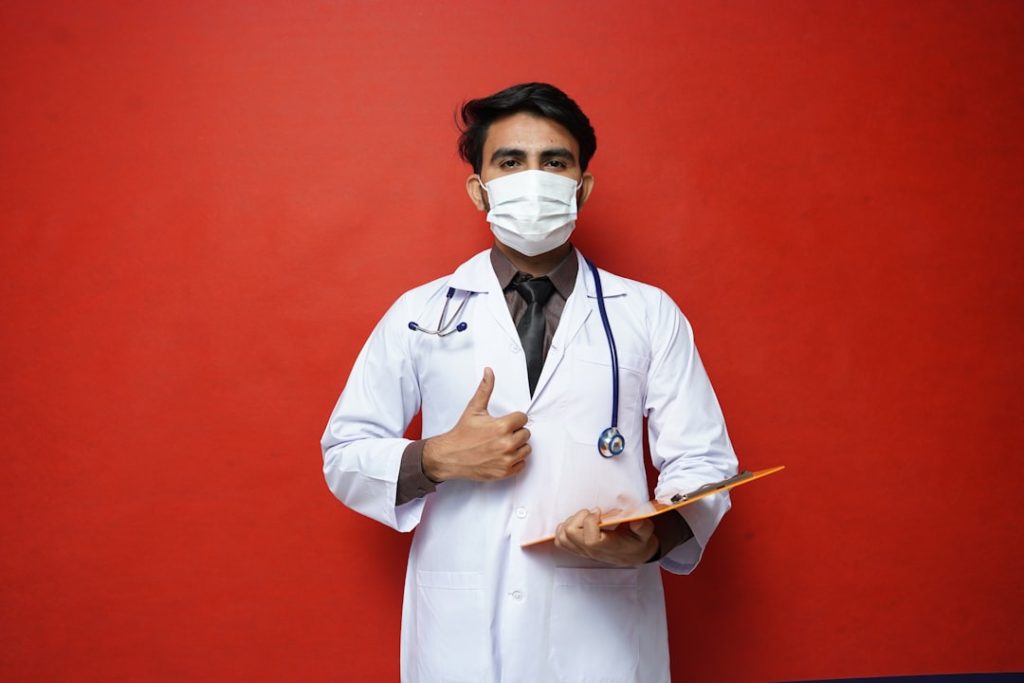
Emergency Medical Technicians (EMTs) serve as the frontline responders in medical emergencies, playing a crucial role in the healthcare system. Their primary responsibility is to provide immediate medical care to patients in critical situations, often before they reach a hospital. EMTs are trained to assess patients, perform life-saving interventions, and transport individuals to medical facilities.
The profession requires a unique blend of technical skills, quick decision-making abilities, and a compassionate approach to patient care. The journey to becoming an EMT typically begins with rigorous training programs that cover a wide array of topics, including basic life support, trauma care, and emergency response protocols. In many regions, EMTs must complete a state-approved training course and pass a certification exam to practice.

This foundational education equips them with the knowledge and skills necessary to handle various emergencies, from cardiac arrests to traumatic injuries. As first responders, EMTs often work in high-pressure environments, requiring them to remain calm and focused while delivering critical care.
Key Takeaways
- EMTs provide critical pre-hospital care and require a solid foundation in medical knowledge and skills.
- Understanding basic anatomy, physiology, and medical terminology is essential for effective patient assessment.
- Accurate assessment and triage prioritize patient care based on severity and urgency.
- Proficiency in airway management and recognizing cardiac emergencies can save lives in critical situations.
- Knowledge of trauma management and pharmacology enables EMTs to deliver appropriate interventions and medications.
Basic Anatomy and Physiology

A solid understanding of basic anatomy and physiology is essential for EMTs, as it forms the foundation for assessing and treating patients effectively. Anatomy refers to the structure of the body and its organs, while physiology deals with how these structures function. EMTs must be familiar with the major body systems, including the cardiovascular, respiratory, nervous, and musculoskeletal systems, to recognize signs of distress and provide appropriate interventions.
For instance, knowledge of the cardiovascular system is vital when responding to a patient experiencing chest pain or shortness of breath. EMTs need to understand how blood circulates through the heart and vessels, as well as the signs of conditions such as myocardial infarction (heart attack) or congestive heart failure. Similarly, familiarity with the respiratory system allows EMTs to identify issues like obstructed airways or respiratory distress, enabling them to perform necessary interventions such as administering oxygen or assisting with ventilation.
Medical Terminology
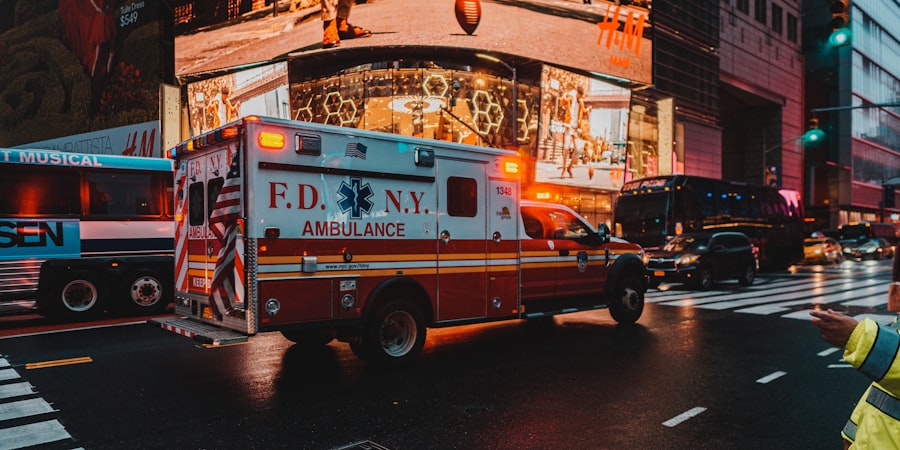
Medical terminology is a specialized language used by healthcare professionals to communicate effectively about patient conditions, treatments, and procedures. For EMTs, mastering this terminology is crucial for accurate documentation and effective communication with other healthcare providers. Medical terms often derive from Latin or Greek roots, making them complex but systematic in nature.
For example, understanding terms like “tachycardia” (rapid heart rate) or “hypoxia” (insufficient oxygen in the tissues) allows EMTs to quickly convey critical information about a patient’s condition. Additionally, familiarity with abbreviations and acronyms commonly used in emergency medicine—such as “BLS” for Basic Life Support or “CPR” for Cardiopulmonary Resuscitation—enables EMTs to communicate efficiently during high-stress situations. This proficiency not only enhances patient care but also ensures that all team members are on the same page regarding treatment plans.
Assessment and Triage
Assessment and triage are fundamental skills for EMTs, enabling them to evaluate patients’ conditions quickly and prioritize care based on the severity of their injuries or illnesses. The assessment process typically begins with a primary survey, which involves checking the patient’s airway, breathing, circulation, disability (neurological status), and exposure (environmental factors). This systematic approach helps EMTs identify life-threatening conditions that require immediate intervention.
Triage becomes particularly important in mass casualty incidents or situations where multiple patients require attention simultaneously. EMTs use established triage systems—such as the START (Simple Triage and Rapid Treatment) method—to categorize patients based on their clinical status. For instance, patients who are breathing but have altered mental status may be classified as “urgent,” while those who are unresponsive may be deemed “immediate.” This prioritization ensures that resources are allocated effectively, maximizing the chances of survival for those in critical need.
Airway Management and Breathing
| Topic | Number of Questions | Estimated Study Time (hours) | Key Concepts | Recommended Resources |
|---|---|---|---|---|
| Airway Management | 25 | 8 | Airway anatomy, ventilation techniques, oxygen delivery | EMT textbooks, online videos, practice scenarios |
| Patient Assessment | 30 | 10 | Primary/secondary survey, vital signs, history taking | Study guides, flashcards, simulation labs |
| Trauma Care | 20 | 7 | Bleeding control, fractures, spinal immobilization | Practical workshops, trauma protocols, videos |
| Medical Emergencies | 25 | 9 | Cardiac, respiratory, diabetic emergencies | Case studies, textbooks, online quizzes |
| Pharmacology | 15 | 5 | Medications, dosages, administration routes | Drug guides, flashcards, practice tests |
| EMS Operations | 10 | 4 | Safety, communication, legal/ethical issues | Protocols, manuals, group discussions |
Airway management is one of the most critical aspects of emergency medical care. An obstructed airway can lead to hypoxia and death within minutes; therefore, EMTs must be adept at recognizing and addressing airway issues promptly. Techniques such as the head-tilt-chin-lift maneuver or jaw-thrust maneuver are essential for opening the airway in unconscious patients.
Additionally, EMTs are trained to use adjuncts like oropharyngeal airways (OPA) or nasopharyngeal airways (NPA) to maintain patency in cases where manual techniques are insufficient. In situations where patients exhibit inadequate breathing or respiratory failure, EMTs may need to provide supplemental oxygen or assist with ventilation using bag-valve-mask (BVM) devices. Understanding the mechanics of breathing—how oxygen enters the lungs and carbon dioxide is expelled—is crucial for EMTs when assessing respiratory function.
They must also be aware of conditions such as asthma exacerbations or chronic obstructive pulmonary disease (COPD), which can complicate airway management and require specific interventions.
Cardiac Emergencies

Cardiac emergencies represent a significant portion of the calls that EMTs respond to, making it imperative for them to be well-versed in recognizing and managing these situations. Common cardiac emergencies include myocardial infarctions (heart attacks), cardiac arrests, and arrhythmias. EMTs must be able to identify symptoms such as chest pain, shortness of breath, nausea, or diaphoresis (excessive sweating) that may indicate a cardiac event.
In cases of cardiac arrest, immediate action is crucial. EMTs are trained in advanced cardiac life support (ACLS) protocols that include performing high-quality cardiopulmonary resuscitation (CPR), using an automated external defibrillator (AED), and administering medications like epinephrine or amiodarone when indicated. The ability to recognize the need for rapid defibrillation can significantly improve a patient’s chances of survival.
Furthermore, understanding the importance of early intervention in cases of acute coronary syndrome can help EMTs provide timely care that may prevent further complications.
Trauma Management
Trauma management is another critical area of expertise for EMTs, as they frequently encounter patients with injuries resulting from accidents, falls, or violence. The approach to trauma care begins with a thorough assessment that includes identifying mechanisms of injury and potential life-threatening conditions. EMTs must be skilled in performing rapid assessments while also being mindful of spinal precautions in cases of suspected spinal injuries.
Once a patient has been assessed, EMTs employ various techniques to manage trauma effectively. This may involve controlling bleeding through direct pressure or applying tourniquets in severe cases. Additionally, immobilization techniques using backboards or cervical collars are essential for protecting patients with suspected fractures or spinal injuries during transport.
The ability to recognize signs of internal bleeding or organ damage is also vital; EMTs must be prepared to provide supportive care while en route to a medical facility.
Pharmacology and Medications
A comprehensive understanding of pharmacology is essential for EMTs as they often administer medications in emergency situations. Familiarity with common medications used in pre-hospital settings—such as aspirin for chest pain, nitroglycerin for angina, or naloxone for opioid overdoses—enables EMTs to provide timely interventions that can save lives. Knowledge of drug classifications, mechanisms of action, dosages, and potential side effects is crucial for safe administration.
EMTs must also be aware of the legal aspects surrounding medication administration, including protocols for obtaining consent when necessary and adhering to local guidelines regarding scope of practice. In addition to administering medications directly, EMTs play a vital role in educating patients about their medications during transport. This includes providing information on potential side effects or interactions with other drugs they may be taking.
By ensuring that patients understand their treatment plans, EMTs contribute significantly to continuity of care once patients reach definitive medical facilities. In summary, Emergency Medical Technicians are indispensable members of the healthcare team who provide critical care in emergencies. Their extensive training in anatomy and physiology, medical terminology, assessment techniques, airway management, cardiac emergencies, trauma management, and pharmacology equips them with the skills necessary to save lives under pressure.
As they navigate complex situations with professionalism and compassion, EMTs exemplify the essence of emergency medical services.
