
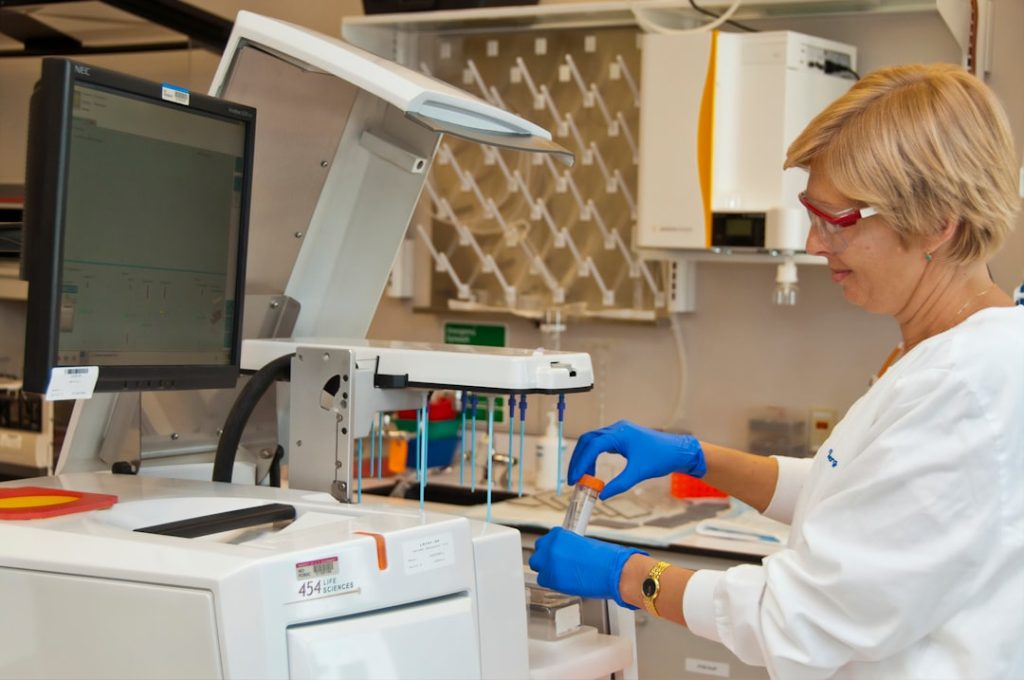
A Clinical Research Consortium is a collaborative network of institutions, organizations, and professionals dedicated to advancing clinical research through shared resources, expertise, and infrastructure. These consortia typically include universities, hospitals, pharmaceutical companies, and regulatory bodies working together to facilitate the design, implementation, and analysis of clinical trials. The primary objective is to enhance the efficiency and effectiveness of clinical research by pooling knowledge and resources, thereby accelerating the development of new therapies and improving patient outcomes.
The structure of Clinical Research Consortia varies based on their specific focus and participating stakeholders. Some consortia concentrate on particular therapeutic areas, such as oncology or cardiology, while others focus on methodological advancements in clinical trial design. Through collaboration among diverse entities, these consortia address complex research questions that individual organizations would find challenging to tackle independently.

This collaborative approach enhances research quality and promotes innovation by integrating multiple perspectives and areas of expertise.
Key Takeaways
- Clinical Research Consortia are collaborative networks focused on advancing medical research through shared resources and expertise.
- Careers in Clinical Research Consortia require specialized education, training, and a strong foundation in clinical research methodologies.
- Success in these careers depends on skills such as communication, critical thinking, and attention to detail.
- The field offers diverse job opportunities with potential for growth, but also presents challenges like regulatory complexities and high responsibility.
- Networking and continuous professional development are essential for career advancement and staying current in the Clinical Research Consortium field.
The Role of Clinical Research Consortium Careers

Careers within a Clinical Research Consortium are multifaceted and encompass a wide range of roles that contribute to the overall mission of advancing clinical research. Professionals in this field may work as clinical trial coordinators, data managers, regulatory affairs specialists, or biostatisticians, among other positions. Each role plays a critical part in ensuring that clinical trials are conducted ethically, efficiently, and in compliance with regulatory standards.
For example, clinical trial coordinators are responsible for managing day-to-day operations of trials, including participant recruitment and data collection, while regulatory affairs specialists ensure that all aspects of the trial adhere to legal and ethical guidelines. Moreover, careers in Clinical Research Consortia often involve collaboration with various stakeholders, including researchers, healthcare providers, and patients. This interdisciplinary approach not only enriches the research process but also fosters a culture of shared learning and continuous improvement.
Professionals in this field must be adept at communication and teamwork, as they frequently engage with individuals from diverse backgrounds and areas of expertise. The dynamic nature of these roles means that individuals must be adaptable and willing to embrace new challenges as the landscape of clinical research evolves.
Education and Training Requirements for Clinical Research Consortium Careers

Pursuing a career in a Clinical Research Consortium typically requires a solid educational foundation in relevant fields such as life sciences, public health, or clinical research. Most positions necessitate at least a bachelor’s degree, although many roles may prefer or require advanced degrees such as a master’s or doctorate. For instance, a clinical research associate may benefit from a background in nursing or pharmacology, while a biostatistician would likely need a strong foundation in statistics and mathematics.
Additionally, specialized training programs in clinical research can provide valuable knowledge about trial design, regulatory requirements, and ethical considerations. Beyond formal education, many professionals in this field pursue certifications to enhance their credentials and demonstrate their expertise. Organizations such as the Association of Clinical Research Professionals (ACRP) and the Society of Clinical Research Associates (SoCRA) offer certification programs that validate an individual’s knowledge and skills in clinical research practices.
These certifications often require ongoing education to maintain, ensuring that professionals stay current with industry trends and regulatory changes. This commitment to lifelong learning is essential in a field that is constantly evolving due to advancements in technology and shifts in regulatory landscapes.
Skills and Qualities Needed for Success in Clinical Research Consortium Careers
Success in Clinical Research Consortium careers hinges on a combination of technical skills and personal qualities. Strong analytical skills are paramount, as professionals must be able to interpret complex data sets and draw meaningful conclusions from their analyses. For example, biostatisticians must not only understand statistical methodologies but also apply them effectively to real-world clinical data to inform decision-making processes.
Additionally, proficiency in data management software and statistical analysis tools is often required to facilitate efficient data handling. Equally important are interpersonal skills, which enable professionals to collaborate effectively with colleagues from various disciplines. The ability to communicate complex information clearly and concisely is vital when working with diverse teams or presenting findings to stakeholders.
Furthermore, attention to detail is crucial in ensuring that all aspects of clinical trials are conducted according to established protocols and regulatory guidelines. A strong ethical foundation is also essential; professionals must prioritize patient safety and welfare throughout the research process.
Job Opportunities and Growth in the Clinical Research Consortium Field
| Job Title | Average Salary | Required Education | Key Skills | Experience Level | Job Outlook (2024-2029) |
|---|---|---|---|---|---|
| Clinical Research Coordinator | 75,000 | Bachelor’s Degree in Life Sciences | Project Management, Regulatory Compliance, Data Collection | Entry to Mid-Level | 7% Growth |
| Clinical Research Associate | 85,000 | Bachelor’s Degree in Health Sciences | Monitoring, Clinical Trial Management, Communication | Mid-Level | 8% Growth |
| Data Manager | 90,000 | Bachelor’s or Master’s in Biostatistics or IT | Data Analysis, Database Management, SAS Programming | Mid-Level | 9% Growth |
| Regulatory Affairs Specialist | 95,000 | Bachelor’s Degree in Life Sciences or Law | Regulatory Knowledge, Documentation, Compliance | Mid to Senior-Level | 6% Growth |
| Principal Investigator | 130,000 | MD or PhD | Leadership, Research Design, Grant Writing | Senior-Level | 5% Growth |
The field of clinical research is experiencing significant growth, driven by an increasing demand for new therapies and treatments across various medical disciplines. As healthcare continues to evolve with advancements in technology and personalized medicine, the need for skilled professionals within Clinical Research Consortia is expected to rise correspondingly. Job opportunities can be found across a wide range of settings, including academic institutions, pharmaceutical companies, contract research organizations (CROs), and government agencies.
According to the U.S. Bureau of Labor Statistics (BLS), employment for medical scientists—including those working in clinical research—is projected to grow by 17% from 2021 to 2031, much faster than the average for all occupations. This growth reflects not only the increasing complexity of clinical trials but also the need for innovative solutions to address emerging health challenges.
As more organizations recognize the value of collaborative research efforts through consortia, job seekers can expect a robust job market with diverse opportunities for career advancement.
Challenges and Rewards of Working in a Clinical Research Consortium

Working within a Clinical Research Consortium presents both challenges and rewards that professionals must navigate throughout their careers. One significant challenge is the complexity of coordinating multiple stakeholders with varying interests and priorities. Balancing these diverse perspectives can be difficult, particularly when it comes to decision-making processes related to trial design or resource allocation.
Additionally, navigating regulatory requirements can be daunting; professionals must stay informed about ever-changing guidelines while ensuring compliance across all aspects of their work. Despite these challenges, many professionals find their work within Clinical Research Consortia to be highly rewarding. The opportunity to contribute to groundbreaking research that has the potential to improve patient outcomes is a powerful motivator for many individuals in this field.
Moreover, the collaborative nature of consortia fosters an environment of shared learning and innovation, allowing professionals to expand their knowledge and skills while working alongside experts from various disciplines. The sense of camaraderie that develops within these teams can lead to lasting professional relationships and a supportive work culture.
Networking and Professional Development in Clinical Research Consortium Careers
Networking plays a crucial role in advancing careers within Clinical Research Consortia. Building connections with other professionals in the field can open doors to new job opportunities, collaborations on research projects, and access to valuable resources. Attending industry conferences, workshops, and seminars provides an excellent platform for networking while also facilitating professional development through exposure to the latest trends and advancements in clinical research.
In addition to formal networking events, engaging with professional organizations such as ACRP or SoCRA can provide ongoing educational opportunities and resources for career advancement. Many organizations offer webinars, online courses, and mentorship programs designed to support professionals at various stages of their careers. By actively participating in these communities, individuals can stay informed about industry developments while also cultivating relationships that may lead to future collaborations or job opportunities.
How to Get Started in a Career in Clinical Research Consortium
Embarking on a career within a Clinical Research Consortium begins with understanding the various pathways available based on one’s educational background and interests. Aspiring professionals should consider pursuing relevant degrees or certifications that align with their career goals. Engaging in internships or volunteer opportunities within clinical research settings can provide invaluable hands-on experience while also helping individuals build their professional networks.
Once foundational education is established, individuals should actively seek out job openings within Clinical Research Consortia or related organizations. Tailoring resumes and cover letters to highlight relevant skills and experiences will enhance one’s chances of securing interviews. Additionally, leveraging networking connections can provide insights into job openings that may not be publicly advertised.
By remaining proactive in their job search and continuously seeking opportunities for professional development, aspiring professionals can successfully launch their careers within this dynamic field.
