

Clinical Trial Research Coordinator Jobs: An Overview
The role of a Clinical Trial Research Coordinator (CTRC) is central to the successful execution of clinical research. These professionals act as the connective tissue between researchers, participants, and regulatory bodies, ensuring that studies are conducted ethically, efficiently, and with data integrity. Their work is not merely administrative; it requires a keen understanding of scientific principles, meticulous attention to detail, and robust interpersonal skills. If you are considering a career in clinical research, understanding the multifaceted nature of the CTRC role is a crucial first step on your journey.

The CTRC’s day-to-day activities are diverse and often demanding, acting as the engine that drives a clinical trial forward. They are the navigators of a complex process, ensuring that scientific inquiry proceeds smoothly.
Participant Recruitment and Retention
One of the most significant challenges in clinical research is identifying and enrolling eligible participants. CTRCs are at the forefront of this effort. They actively screen potential participants against strict inclusion and exclusion criteria, often collaborating with physicians and other healthcare providers. This process is akin to being a prospector, sifting through many individuals to find the rare deposit of gold that meets the study’s requirements.
- Screening Procedures: This involves reviewing medical histories, conducting preliminary assessments, and explaining the study in detail to potential candidates. Building trust is paramount, as potential participants are entrusting their health and time to the research team.
- Informed Consent Process: CTRCs meticulously guide participants through the informed consent process, ensuring they fully comprehend the study’s objectives, procedures, risks, benefits, and their right to withdraw at any time. This is not a checkbox exercise but a fundamental ethical cornerstone of research.
- Retention Strategies: Keeping participants engaged throughout the sometimes lengthy duration of a trial is vital for data completeness. CTRCs employ various strategies, including scheduling regular follow-up appointments, clear communication about study progress, and addressing any concerns promptly. They are the steady hand that reassures participants and keeps them on the path of discovery.
Data Management and Collection

The integrity of the data collected in a clinical trial is the bedrock upon which scientific conclusions are built. CTRCs are the guardians of this data, ensuring its accuracy, completeness, and security.
- Case Report Forms (CRFs): CTRCs are responsible for accurately completing CRFs, which are the primary documents for collecting study-related information. This often involves translating data from source documents, such as patient charts, into a standardized format. Imagine them as diligent scribes, carefully transcribing critical observations onto the official record.
- Source Data Verification (SDV): Regulatory agencies require that the data entered into CRFs accurately reflects the source documents. CTRCs facilitate this process, ensuring that every entry can be traced back to its origin. This is a vital quality control measure, like a meticulous inspector checking every weld on a bridge.
- Electronic Data Capture (EDC) Systems: Many modern trials utilize EDC systems, which CTRCs are proficient in navigating. These systems streamline data entry and can incorporate real-time data validation checks.
- Adverse Event Reporting: Identifying, documenting, and reporting any adverse events experienced by participants is a critical safety function. CTRCs play a key role in collecting this information and ensuring it is promptly reported to the principal investigator and, if necessary, regulatory authorities. They are the early warning system, flagging any deviations from the expected course.
Regulatory Compliance
Clinical trials operate within a stringent regulatory framework designed to protect participants and ensure the scientific validity of the research. CTRCs are instrumental in maintaining this compliance.
- Investigational Product Management: This includes ensuring proper storage, dispensing, and accountability of the investigational drug or device. Accurate tracking is akin to managing precious medical supplies on a battlefield, where every dose counts.
- Study Protocol Adherence: The study protocol is the blueprint for the research. CTRCs ensure that all procedures are performed exactly as outlined in the protocol, acting as the guardians of the research design.
- Regulatory Submissions and Documentation: CTRCs assist in preparing and maintaining essential study documents, including regulatory submissions, amendments, and correspondence. They are the archivists of the trial’s official history.
- Site Monitoring and Audits: CTRCs prepare their research sites for monitoring visits by sponsors and regulatory auditors. They ensure that all documentation is organized and readily accessible, demonstrating transparency and adherence to standards.
Essential Skills and Qualifications for CTRCs
While academic qualifications provide a foundation, a successful CTRC blends scientific understanding with practical skills honed through experience and continuous learning.
Educational Background
A solid educational foundation is typically required for a CTRC position.
- Bachelor’s Degree: A bachelor’s degree in a health-related field, such as nursing, biology, pharmacy, or health sciences, is often a prerequisite. This provides the necessary scientific literacy to understand the research protocols and medical terminology.
- Relevant Coursework: Specific coursework in areas like human anatomy and physiology, pharmacology, statistics, and research methodology can be highly advantageous.
- Advanced Degrees: While not always mandatory, a master’s degree or professional certifications can enhance career prospects and earning potential.
Key Skills and Competencies
Beyond formal education, certain innate and learned skills are crucial for effective performance.
- Organizational Skills: This is arguably the most critical skill. Managing multiple studies, participants, and extensive documentation demands exceptional organization and the ability to prioritize tasks effectively. They are the conductors of an orchestra, ensuring every instrument plays its part at the right time.
- Attention to Detail: In clinical research, even minor errors can have significant consequences. CTRCs must possess an unwavering commitment to accuracy in data collection, documentation, and protocol adherence. They are the detectives of detail, noticing what others might overlook.
- Communication and Interpersonal Skills: Working with diverse populations, including participants, physicians, nurses, and regulatory personnel, requires excellent verbal and written communication. The ability to explain complex information clearly, empathetically, and persuasively is essential.
- Problem-Solving Abilities: Clinical trials rarely proceed without encountering unforeseen challenges. CTRCs must be adept at identifying problems, analyzing their causes, and developing effective solutions. They are the problem-solvers, finding pathways through complexity.
- Time Management: Juggling numerous tasks with competing deadlines is a daily reality for CTRCs. Effective time management and the ability to work under pressure are vital.
- Computer Proficiency: Proficiency in electronic data capture systems, database management, and standard office software (e.g., Microsoft Office Suite) is expected.
Certifications and Training
While not universally mandated for entry-level positions, certifications can significantly boost a CTRC’s credibility and career trajectory.
- Certified Clinical Research Coordinator (CCRC): Offered by the Board of Certification for Biomedical Research Professionals (BCKP), this certification demonstrates a validated level of expertise.
- Certified Clinical Research Associate (CCRA): Also from the BCKP, this certification is often pursued by those moving into more independent monitoring roles, but it signifies a strong understanding of clinical trial operations.
- Good Clinical Practice (GCP) Training: This is a fundamental requirement for anyone involved in clinical research, ensuring adherence to ethical and scientific quality standards for designing, conducting, recording, and reporting trials. Institutions often provide this training.
The Work Environment for CTRCs

The settings in which CTRCs work can vary widely, each offering its unique challenges and rewards.
Academia and Hospitals
Academic medical centers and large hospitals are significant hubs for clinical research.
- University Hospitals: These institutions often conduct a broad range of early-phase and complex studies, often with a strong translational research component. CTRCs here may work closely with leading researchers and have opportunities to be involved in groundbreaking science.
- Community Hospitals: These facilities may focus on later-phase trials or trials targeting specific patient populations. The patient volume might be higher, and the research infrastructure may differ from academic centers.
- Research Institutes: Specialized research institutes, dedicated to specific diseases or areas of investigation, also employ CTRCs. These environments often foster deep scientific expertise and collaboration.
Pharmaceutical and Biotechnology Companies
These organizations are the sponsors of most clinical trials, developing new drugs and therapies.
- Sponsor Roles: CTRCs working directly for pharmaceutical or biotech companies may be involved in managing multiple external research sites, overseeing data management, and ensuring regulatory compliance across a portfolio of trials. Their role here is often more programmatic.
- Clinical Operations: Within these companies, CTRCs are integral to the clinical operations teams that bring new treatments from the laboratory to the market.
Contract Research Organizations (CROs)
CROs are companies that provide research services to pharmaceutical, biotechnology, and medical device companies. They are a major employer of CTRCs.
- Variety of Studies: Working for a CRO can offer exposure to a wide array of therapeutic areas and study designs across different sponsor companies. This can be an excellent way to gain broad experience.
- Project-Based Work: CTRCs in CROs may be assigned to specific projects that can range in duration and complexity. This often involves travel to different research sites.
Independent Clinical Research Sites
These are facilities that specialize in conducting clinical trials for various sponsors.
- Dedicated Research Centers: These sites may focus on specific therapeutic areas like oncology or cardiology and often have established patient bases.
- Physician Practices: Some independent physician practices also conduct clinical trials, integrating research into their patient care services.
Career Progression and Opportunities
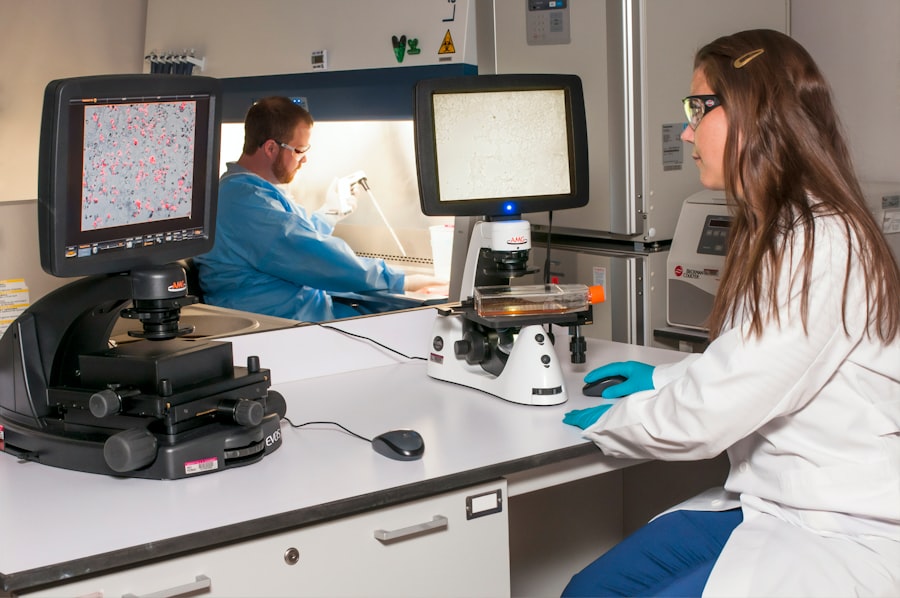
The path of a CTRC is not a static one; it offers avenues for growth, specialization, and leadership within the field of clinical research.
Advancement Pathways
- Senior CTRC: With experience, CTRCs can progress to senior roles, taking on more complex studies, mentoring junior staff, and contributing to protocol development.
- Clinical Research Associate (CRA) / Monitor: Many CTRCs transition to CRA roles, which involve monitoring multiple study sites to ensure compliance and data integrity. This often requires more travel.
- Clinical Trial Manager (CTM): This role involves managing all aspects of a clinical trial, from planning and execution to close-out, often overseeing budgets, timelines, and personnel.
- Data Manager: Specializing in data management and analysis is another career option.
- Regulatory Affairs Specialist: Focusing on the intricate regulatory landscape of clinical research.
- Clinical Research Auditor: Ensuring compliance with regulations and internal procedures.
- Project Manager: Overseeing the overall lifecycle of research projects.
Specialization and Niche Markets
The field of clinical research is vast, allowing CTRCs to specialize in particular areas.
- Therapeutic Areas: Focusing on specific diseases or medical conditions such as oncology, cardiology, neurology, or rare diseases. This deepens expertise in a particular domain.
- Study Phases: Becoming an expert in the nuances of different clinical trial phases (Phase I, II, III, IV) can be a valuable specialization.
- Pediatric or Geriatric Research: Working with specific age demographics requires tailored approaches and understanding of unique participant needs.
- Device Trials: Research involving medical devices presents a distinct set of challenges and regulatory considerations compared to drug trials.
Continuous Learning and Professional Development
The landscape of clinical research is constantly evolving with new technologies, regulations, and scientific discoveries.
- Conferences and Seminars: Attending industry conferences and participating in seminars provides updates on best practices and emerging trends.
- Further Education: Pursuing advanced degrees or specialized certifications can open doors to higher-level positions and greater responsibility.
- Professional Organizations: Membership in organizations like the Association of Clinical Research Professionals (ACRP) or the Society of Clinical Research Associates (SOCRA) offers networking opportunities and access to educational resources.
- On-the-Job Training: Hands-on experience is invaluable. Many institutions provide ongoing training on new protocols and systems.
The Impact and Significance of CTRC Roles
| Metric | Value | Details |
|---|---|---|
| Average Salary | 65,000 – 85,000 | Annual salary range in USD for clinical trial research coordinators in the US |
| Job Growth Rate | 7% | Projected growth rate from 2022 to 2032 (Bureau of Labor Statistics) |
| Education Requirement | Bachelor’s Degree | Most common minimum education level required |
| Key Skills | Project Management, Regulatory Compliance, Data Collection | Essential skills for the role |
| Average Experience | 2-4 years | Typical experience required for mid-level positions |
| Work Settings | Hospitals, Research Institutions, Pharmaceutical Companies | Common workplaces for clinical trial research coordinators |
| Certifications | CCRC, SOCRA | Common certifications that enhance job prospects |
The work of a Clinical Trial Research Coordinator has far-reaching implications, extending beyond the immediate research setting to impact global health.
Contribution to Medical Advancement
CTRCs are the frontline personnel in the development of new treatments and therapies. They are the unsung heroes who enable the breakthroughs that improve and save lives.
- Enabling New Treatments: Without their meticulous work, new medications, medical devices, and surgical techniques would not be rigorously tested and brought to patients. They are the gatekeepers of innovation, ensuring that promising ideas are put to the test.
- Ensuring Patient Safety: Their vigilant monitoring and adherence to protocols are paramount in protecting the well-being of participants. They are the watchdogs of safety, ensuring that the pursuit of knowledge does not come at the cost of participant welfare.
- Generating Reliable Scientific Evidence: The data they collect forms the basis of scientific publications and regulatory approvals, allowing healthcare professionals and policymakers to make informed decisions. They are the architects of evidence, constructing the foundation upon which medical progress is built.
Challenges and Rewards of the Profession
The CTRC role is demanding, yet it offers profound personal and professional satisfaction.
- Challenges: The work can be stressful due to heavy workloads, tight deadlines, and the emotional toll of dealing with sick individuals. Navigating complex regulations and managing potential protocol deviations requires constant vigilance.
- Rewards: The satisfaction of contributing to scientific progress, helping patients access potentially life-saving treatments, and being part of a dynamic and intellectually stimulating field are significant rewards. The opportunity to learn and grow continuously is also a major draw. They are the bridge between scientific inquiry and tangible human benefit, a role that carries inherent value.
In conclusion, exploring clinical trial research coordinator jobs reveals a profession that is both challenging and incredibly rewarding. It requires a unique blend of scientific understanding, meticulous organization, and strong interpersonal skills. If you are drawn to making a tangible difference in the world of medicine and are prepared to dedicate yourself to the rigorous demands of clinical research, a career as a CTRC may be an excellent fit for you.
