
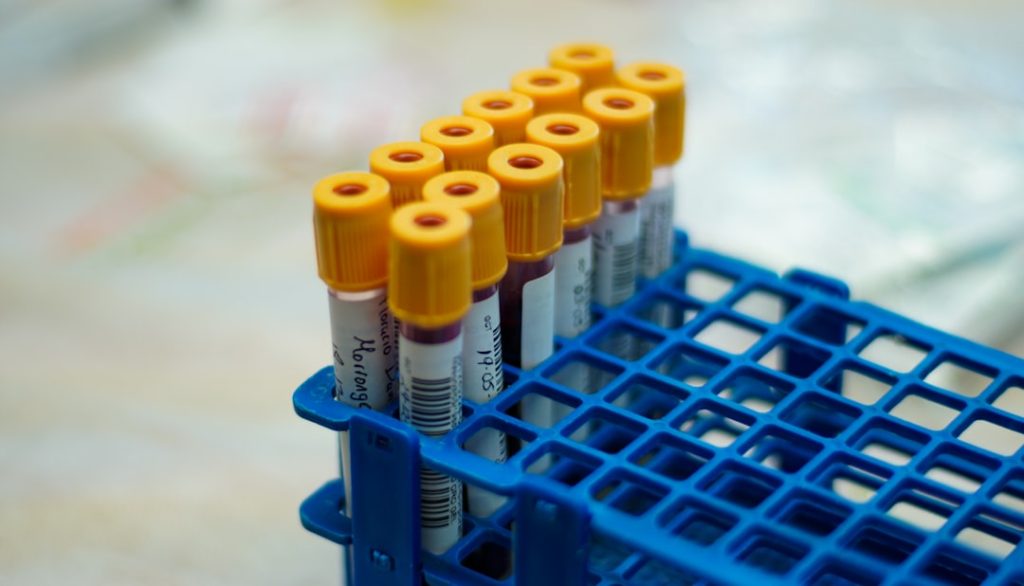
The landscape of medical research is vast and intricate, with clinical trials serving as the crucial proving grounds for new treatments and therapies. Within Europe, a significant and growing body of this research is undertaken, contributing to global advancements in patient care. To navigate this complex terrain, a consolidated and accessible resource is vital for researchers, healthcare professionals, policymakers, and even patients. “Exploring European Clinical Trials: A Comprehensive Database” aims to fulfill this need, acting as a central repository of information on clinical trials conducted across the diverse nations of the European continent.
This database is designed to be a practical tool, offering a panoramic view of European clinical trial activity. Its inception stems from the recognition that while numerous national and international regulatory bodies collect trial data, a unified, user-friendly platform specifically focused on European trials has been largely absent. The purpose is to empower users with timely and accurate information, thereby fostering collaboration, accelerating research, and ultimately benefiting patients by streamlining the translation of discoveries into clinical practice. Think of it as a compass and a map for the intricate journey of drug development within Europe.
Key Objectives of the Database

The primary objectives of this comprehensive database are multifaceted. Firstly, it seeks to provide a centralized and searchable catalog of ongoing and completed clinical trials within European Union member states and associated countries. This includes trials that are industry-sponsored, investigator-initiated, and those funded by public grants. Secondly, the database aims to enhance transparency in clinical research. By making trial information readily available, it allows for a broader understanding of research priorities, methodologies, and outcomes. Thirdly, it endeavors to facilitate knowledge sharing and collaboration among researchers. Researchers can identify overlapping areas of interest, potential partners for multi-center studies, and learn from the successes and challenges of others. Finally, a critical objective is to support patient engagement by offering a resource where individuals can learn about trials that might be relevant to their conditions.
Defining “European Clinical Trials”
For the purposes of this database, “European Clinical Trials” encompasses studies conducted within the geographical boundaries of the European continent, with a primary focus on those falling under the purview of European regulatory frameworks, such as those governed by the European Medicines Agency (EMA) and individual national competent authorities. This includes trials conducted in EU member states, as well as in countries with significant research collaborations with the EU. The definition prioritizes trials that have undergone ethical review and regulatory approval within these regions.
Data Acquisition and Structure

The construction of a comprehensive database requires a robust methodology for data acquisition and a logical structure for its organization. This database draws from multiple sources, akin to tributaries feeding into a larger river, to create a holistic picture. The integrity and usability of the information depend heavily on the systematic collection and clear presentation of each data point.
Sources of Information
The database aggregates information from a variety of sources. These include:
- National Clinical Trial Registries: Each European country often maintains its own registry of clinical trials. The database aims to integrate data from these national sources, where publicly accessible.
- European Union Clinical Trials Register (EUCTR): This is a foundational source, providing data on all clinical trials authorized in the EU/EEA. The database builds upon and expands upon the information available here.
- European Medicines Agency (EMA) Public Assessment Reports: Reports detailing the scientific review of medicinal products often contain information related to the clinical trials that supported their approval.
- National Regulatory Authorities: Direct data feeds or partnerships with national competent authorities are sought to ensure the most up-to-date information.
- Academic and Research Institutions: Collaborations with universities and research centers provide access to data on investigator-initiated studies and publicly funded research.
- Industry Sponsor Submissions: Openness from pharmaceutical and biotechnology companies in submitting their trial data is crucial for comprehensive coverage.
Key Data Fields
Each entry within the database is populated with meticulously selected data fields, designed to provide a detailed yet digestible overview of a trial. These fields act as the building blocks of understanding, allowing users to dissect the essence of each study. The core data fields include:
- Trial Identifier: A unique numerical or alphanumeric code for each trial.
- Sponsor Information: Details about the entity initiating and funding the trial.
- Study Title: The official and often concise name of the clinical trial.
- Condition/Disease: The specific medical condition or disease being investigated.
- Intervention(s) Tested: Description of the investigational drug, device, or procedure.
- Comparator(s): The control group or standard treatment against which the intervention is compared.
- Phase of Trial: Categorization into Phase I, II, III, or IV.
- Study Status: Whether the trial is recruiting, ongoing, completed, or terminated.
- Recruitment Status: Information on the progress of patient enrollment.
- Number of Participants: The planned or actual number of individuals involved.
- Geographical Location: Countries and specific sites where the trial is being conducted.
- Eligibility Criteria: Inclusion and exclusion criteria for participant selection.
- Primary and Secondary Outcome Measures: The main and supporting endpoints used to evaluate the intervention.
- Start and End Dates: The commencement and anticipated or actual completion dates.
- Public Availability of Results: Indication of whether trial results are published or accessible.
Functionality and Search Capabilities
A database, however rich in data, is only as valuable as its ability to be accessed and interrogated effectively. The functionality of “Exploring European Clinical Trials” is built to be intuitive, allowing users to pinpoint information with precision. Navigating through the database should feel like expertly sifting through a library, finding the exact book you need without unnecessary delay.
Advanced Search Algorithms
The backbone of the database’s usability lies in its sophisticated search algorithms. These algorithms are not simply keyword matching; they are designed to understand the nuances of research queries.
- Keyword Search: Standard keyword searching allows users to input terms related to diseases, drugs, or study types.
- Filtered Search: Users can refine their searches using a comprehensive set of filters corresponding to the key data fields. This includes filtering by trial phase, status, geographical region, sponsor type, and specific outcome measures.
- Boolean Operators: The implementation of Boolean operators (AND, OR, NOT) allows for complex and highly specific query construction, enabling users to combine multiple search criteria for precise results.
- Natural Language Processing (NLP) Integration: Future development may incorporate NLP to allow for more conversational and intuitive search queries, interpreting the intent behind a user’s request rather than just literal keywords.
User Interface Design and Accessibility
The user interface has been designed with a commitment to clarity and ease of navigation. The goal is to present complex information in an understandable format, much like a well-designed scientific poster.
- Intuitive Navigation: A logical menu structure and clear labeling ensure that users can easily move between different sections of the database.
- Data Visualization Tools: Where appropriate, data visualization elements such as charts and graphs can be employed to present aggregated statistics on trial activity by country, therapeutic area, or phase.
- Responsive Design: The database is designed to be accessible across various devices, including desktops, tablets, and smartphones, ensuring users can access information regardless of their location or preferred technology.
- Language Options: To cater to the diverse European research community, multilingual support is a key consideration in the interface design, allowing users to interact with the database in their preferred language.
Therapeutic Areas and Research Focus
The breadth of medical research is reflected in the diverse range of therapeutic areas covered by the clinical trials cataloged within this database. From common ailments to rare diseases, the database aims to be a reflection of the multifaceted efforts to improve human health. Identifying the currents of research activity within specific medical fields is a core value.
Overview of Covered Specialties
The database encompasses a wide spectrum of medical specialties, mirroring the comprehensive nature of European healthcare and research. These include, but are not limited to:
- Oncology: Trials related to the diagnosis, treatment, and prevention of various cancers.
- Cardiology: Research into cardiovascular diseases, including heart failure, hypertension, and arrhythmias.
- Neurology: Studies on conditions affecting the brain and nervous system, such as Alzheimer’s disease, Parkinson’s disease, and multiple sclerosis.
- Infectious Diseases: Trials investigating new antibiotics, antivirals, vaccines, and treatments for emerging and established infectious agents.
- Endocrinology: Research focusing on hormonal disorders, diabetes, and metabolic diseases.
- Gastroenterology: Studies on conditions affecting the digestive system.
- Pulmonology: Trials related to respiratory diseases, including asthma and chronic obstructive pulmonary disease (COPD).
- Dermatology: Research into skin conditions and their treatments.
- Rheumatology: Studies on autoimmune diseases and musculoskeletal disorders.
- Pediatrics: Clinical trials specifically designed for child populations.
- Rare Diseases: A dedicated focus on trials for conditions affecting a small percentage of the population.
Emerging Trends in European Clinical Research
By analyzing the data within the database, users can identify and track emerging trends in European clinical research. This provides a forward-looking perspective, akin to observing the shifting tides of scientific inquiry.
- Growth in Gene and Cell Therapies: An increasing number of trials in these cutting-edge areas are being initiated, reflecting a significant investment in novel therapeutic modalities.
- Rise of Real-World Evidence (RWE) Studies: The incorporation of RWE into clinical trial design and evaluation is becoming more prevalent, aiming to provide a broader understanding of treatment effectiveness in everyday clinical practice.
- Focus on Personalized Medicine: Trials are increasingly being designed to tailor treatments to individual patient characteristics, leveraging genetic, molecular, and other biomarker data.
- Advancements in Digital Health and Wearables: The integration of digital technologies and wearable devices into clinical trials is transforming data collection and patient monitoring.
- Emphasis on Patient-Centricity: Trial designs are evolving to better incorporate patient preferences and experiences, with a focus on reducing burden and improving adherence.
- Increased Collaboration in Rare Disease Research: Recognizing the challenges of patient recruitment for rare conditions, there is a growing trend towards pan-European and international collaborations.
Benefits and Applications
| Metric | Description | Value | Unit |
|---|---|---|---|
| Total Clinical Trials Registered | Number of clinical trials registered in the European Clinical Trial Database (EudraCT) | 45,000+ | Trials |
| Active Trials | Number of ongoing clinical trials currently active | 12,500 | Trials |
| Completed Trials | Number of clinical trials marked as completed | 28,000 | Trials |
| Countries Participating | Number of European countries contributing data to the database | 31 | Countries |
| Average Trial Duration | Average length of clinical trials registered | 24 | Months |
| Phase I Trials | Number of Phase I clinical trials registered | 5,200 | Trials |
| Phase II Trials | Number of Phase II clinical trials registered | 10,300 | Trials |
| Phase III Trials | Number of Phase III clinical trials registered | 15,000 | Trials |
| Phase IV Trials | Number of Phase IV clinical trials registered | 4,500 | Trials |
| Interventional vs Observational | Percentage split of interventional and observational studies | 70% Interventional / 30% Observational | Percentage |
The creation and ongoing maintenance of such a comprehensive database offer significant benefits across multiple stakeholders within the European research ecosystem. Its utility extends far beyond mere data storage, acting as a catalyst for progress. The impact can be felt like a ripple effect spreading outwards from a single point of action.
For Researchers and Academics
Researchers stand to gain immensely from this database. It serves as an invaluable resource for planning, executing, and disseminating their own work.
- Identifying Research Gaps: Researchers can quickly ascertain areas where existing clinical trial data is limited, informing the direction of future research proposals.
- Avoiding Duplication of Efforts: By understanding ongoing trials, researchers can avoid unnecessary replication of studies, optimizing resource allocation within the scientific community.
- Facilitating Collaboration: The database can help researchers discover potential collaborators for multi-center studies, leveraging expertise and patient populations across different institutions and countries.
- Informing Methodology: Studying the methodologies employed in successful or informative trials can provide valuable insights for designing new studies.
- Accessing Trial Publications: Links to published results or summaries can expedite the review of existing evidence supporting or refuting specific hypotheses.
For Healthcare Professionals and Policymakers
This database serves as a critical tool for healthcare professionals seeking to stay abreast of the latest evidence and for policymakers shaping the future of healthcare and research.
- Informing Clinical Practice: Healthcare providers can access information on the latest experimental treatments and their evidence base, aiding in informed decision-making for patient care.
- Guiding Healthcare Policy: Policymakers can use aggregated data to understand research priorities, identify areas of unmet medical need, and inform resource allocation for research funding and healthcare services.
- Monitoring Public Health Trends: Analysis of trial data across different therapeutic areas can offer insights into the prevalence and research focus related to specific public health concerns.
- Evaluating the Effectiveness of Research Funding: The database can provide data to assess the impact and return on investment of public and private research funding initiatives.
- Supporting Evidence-Based Medicine: By providing access to a wide range of trial information, the database directly supports the principles of evidence-based medicine.
For Patients and Patient Advocacy Groups
Empowering patients with information is a cornerstone of modern healthcare. This database can serve as a valuable resource for individuals seeking to understand their treatment options and the research landscape.
- Finding Relevant Trials: Patients and their families can search for ongoing clinical trials relevant to their specific condition, potentially offering access to novel treatments.
- Understanding Treatment Options: Information on trial interventions and outcomes can provide a clearer picture of experimental therapies and their potential benefits and risks.
- Enhanced Informed Consent: Access to detailed trial information can support patients in making more informed decisions about participating in research.
- Supporting Advocacy Efforts: Patient advocacy groups can utilize the database to identify research gaps and priorities, strengthening their efforts to advocate for increased research in specific disease areas.
- Promoting Health Literacy: The availability of clear and accessible information about clinical trials contributes to improved health literacy among the general public.
Future Development and Sustainability
The evolution of any comprehensive resource is an ongoing journey, not a destination. “Exploring European Clinical Trials: A Comprehensive Database” is envisioned as a dynamic entity, adapting to the ever-changing landscape of medical research and technological advancements. Continuous improvement and a robust strategy for long-term sustainability are paramount to its enduring value.
Enhancements and New Features
To maintain its relevance and utility, the database is planned to undergo continuous development, incorporating new features and refinements based on user feedback and emerging needs.
- Integration with Other European Health Data Initiatives: Synergies will be sought with other European data platforms to create a more interconnected research and health data ecosystem.
- Development of Advanced Analytics Tools: Future iterations may include more sophisticated analytical tools allowing users to perform trend analysis, comparative studies, and meta-analyses directly within the platform.
- Enhanced Patient-Facing Interface: Continued efforts will be made to simplify the interface and terminology used, making it even more accessible and understandable for patients and the general public.
- Real-World Data Integration: Exploration of mechanisms to integrate anonymized real-world data with clinical trial data will provide a richer context for understanding treatment outcomes.
- Ethical Review Board Information: As feasible and ethically permissible, information related to the ethical review of trials may be incorporated to provide a more complete picture of the regulatory process.
- Impact Metrics and Reporting: Tools to measure and report on the impact of the database itself, such as the number of collaborations facilitated or research questions answered, will be explored.
Ensuring Data Quality and Longevity
The sustained value of the database hinges on the perpetual commitment to data quality and the establishment of a solid framework for its long-term operation.
- Regular Data Updates and Validation: A rigorous process for regular data updates from all sources is essential. Automated validation checks and periodic manual audits will ensure accuracy and consistency.
- Partnerships and Stakeholder Engagement: Ongoing engagement with national regulatory agencies, academic institutions, industry sponsors, and patient organizations is crucial for data provision and for ensuring the database remains aligned with the needs of its users.
- Funding and Governance: A sustainable funding model, potentially involving a consortium of European research institutions, government bodies, and industry partners, will be necessary. Clear governance structures will ensure accountability and strategic direction.
- Archiving and Preservation Strategies: Robust strategies for data archiving and long-term preservation will be implemented to ensure the historical integrity and continued accessibility of the data for future research and analysis.
- Open Data Principles: Where appropriate and without compromising patient privacy or proprietary information, adherence to open data principles will be pursued to maximize the database’s utility and encourage broader innovation.
In conclusion, “Exploring European Clinical Trials: A Comprehensive Database” represents a vital undertaking to demystify and consolidate the vast amount of clinical research being conducted across Europe. By providing a centralized, accessible, and rigorously maintained repository of information, this initiative aims to empower researchers, inform healthcare professionals and policymakers, and ultimately contribute to improved health outcomes for all citizens. Its evolution will be guided by the principles of scientific integrity, user-centric design, and a steadfast commitment to advancing medical knowledge for the benefit of society.
