
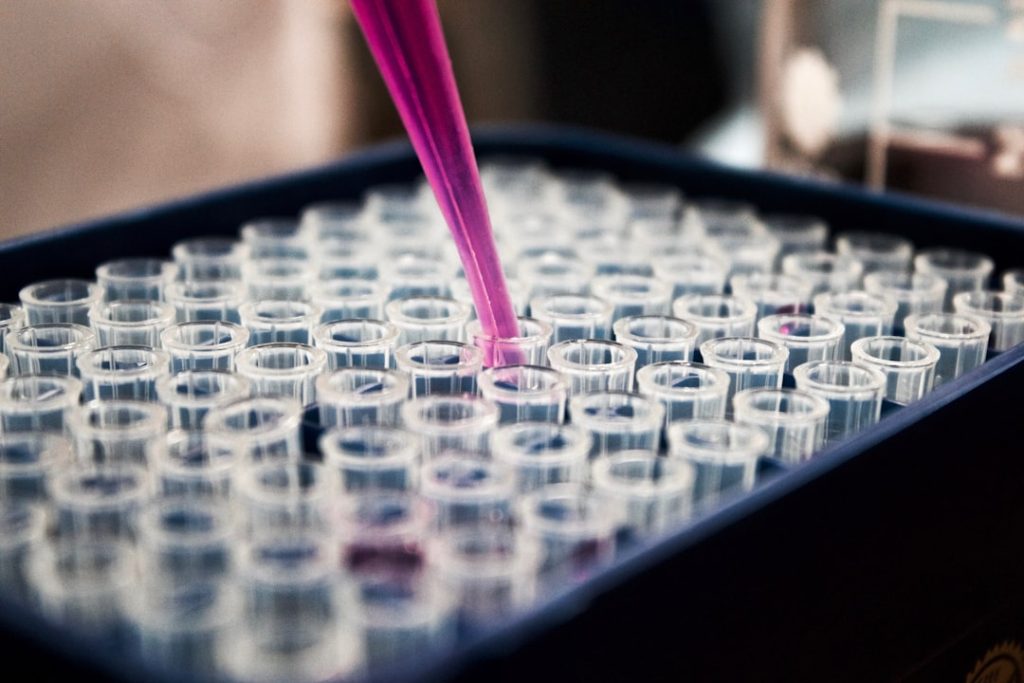
You are embarking on a journey into the cutting edge of medical advancement. This article will serve as your guide to understanding Phase 1 clinical trials, the initial crucible where novel treatments are tested for safety and dosage. Think of these trials not as a guaranteed cure, but as the crucial first steps in a long and complex expedition to find new ways to combat disease. Without these early explorations, the medical landscape would remain static, a map with vast uncharted territories.
The Genesis of a New Treatment: From Lab Bench to Human Study
The development of any new medical intervention is a marathon, not a sprint. Years, often decades, of meticulous research precede the first human participant in a clinical trial. This journey begins in controlled laboratory settings, a sterile environment where scientists, working like alchemists of the modern age, meticulously investigate the fundamental mechanisms of disease. They dissect biological pathways, identify potential targets – the Achilles’ heel of a pathogen or the vulnerable point of a cancerous cell – and then design molecules or therapies intended to interact with these targets.
Pre-clinical Research: The Foundation of Evidence

Before a drug can even be considered for human testing, it must undergo rigorous pre-clinical research. This phase is like building the solid bedrock upon which taller structures of knowledge will be built. It involves a multi-pronged approach:
In vitro Studies: The Microscopic Examination
- Cell Cultures: Researchers grow specific cells, often derived from human tissues or established cell lines, in laboratory dishes. They then introduce the experimental treatment to observe its direct effects on these cells. This allows for the assessment of whether the drug can kill target cells, inhibit their growth, or trigger a desired biological response. It’s akin to testing a new pesticide on individual weeds in a greenhouse before releasing it into a field.
- Biochemical Assays: These tests measure the interaction of the drug with specific molecules or enzymes. They help to elucidate the precise mechanism of action, confirming that the drug is hitting its intended target and behaving as predicted by its chemical structure.
In vivo Studies: The Animal Models as Proxies
- Animal Testing: When in vitro studies show promise, the treatment is then tested in animal models. These are typically rodents (mice and rats) or sometimes larger animals like dogs or non-human primates, depending on the complexity of the disease and the drug’s intended target. These studies are crucial for understanding how the drug is absorbed, distributed, metabolized, and excreted by a living organism (pharmacokinetics), and how the organism responds to it (pharmacodynamics). It’s a vital step to identify potential toxicities that might not be apparent in cell cultures.
- Disease Models: For specific diseases, researchers utilize animal models that mimic aspects of the human condition. For example, in cancer research, mice might be implanted with human tumors to assess the drug’s anti-cancer activity and potential side effects in a living system. The goal is to gather evidence that the drug is not only effective but also reasonably safe before moving to humans.
Data Synthesis and Regulatory Review: The Gateway to Human Trials
The data accumulated from extensive pre-clinical studies is meticulously analyzed. This includes information on the drug’s efficacy in various models, its stability, its proposed dosage ranges, and any observed adverse effects. This comprehensive package of information is then submitted to regulatory agencies, such as the Food and Drug Administration (FDA) in the United States or the European Medicines Agency (EMA) in Europe. This submission is known as an Investigational New Drug (IND) application.
- The IND Application: This document serves as a proposal to commence human testing. It details the pre-clinical data, the proposed clinical trial protocol (including the exact procedures, dosages, and monitoring plans), the manufacturing information for the drug, and the qualifications of the investigators who will conduct the trial. Regulatory bodies review this application with a critical eye, acting as gatekeepers ensuring that human participants are not exposed to undue risk. Only upon approval can the transition to human trials begin.
Phase 1 Clinical Trials: The Crucible of Safety and Dosage

Phase 1 trials represent the first time an investigational treatment is administered to human volunteers. The primary objective is not to determine efficacy, but to assess the safety of the drug in humans and to establish an appropriate dosage range. Think of this phase as a careful calibration, ensuring the instrument is tuned just right before the orchestra begins to play. The number of participants is typically small.
Defining the Primary Objectives: Safety First
- Safety and Tolerability: The paramount concern in Phase 1 trials is the safety profile of the new treatment. Investigators closely monitor participants for any adverse events, ranging from mild discomfort to severe reactions. This monitoring is continuous and often involves frequent blood tests, imaging, and physical examinations. The goal is to identify any potential risks associated with the drug.
- Dosage Escalation: A key component of Phase 1 trials is determining the maximum tolerated dose (MTD). This is the highest dose of the drug that can be administered without causing unacceptable toxicity. Dosing typically begins at a very low level, based on pre-clinical data, and is gradually increased in successive groups of participants, provided the lower doses are well-tolerated. This step-by-step approach is like carefully navigating a treacherous mountain pass, taking small, measured steps to avoid a catastrophic fall.
Secondary Objectives: Gathering Initial Insights
While safety is the headline act, Phase 1 trials also lay the groundwork for future research by collecting preliminary data on other aspects of the drug’s behavior in the human body.
Pharmacokinetics (PK): How the Body Handles the Drug
- Absorption: How quickly and to what extent the drug enters the bloodstream.
- Distribution: Where the drug travels within the body and to which tissues or organs.
- Metabolism: How the drug is broken down by the body, often by enzymes in the liver.
- Excretion: How the drug and its byproducts are eliminated from the body, usually through urine or feces.
Understanding the PK profile helps researchers predict how the drug will behave in different individuals and informs decisions about dosing frequency and route of administration.
Pharmacodynamics (PD): What the Drug Does to the Body
- Mechanism of Action: Preliminary evidence of whether the drug is interacting with its intended target in humans. This might involve measuring specific biomarkers in blood or tissue samples.
- Biomarker Analysis: Identifying and measuring biological indicators that can suggest whether the drug is having a biological effect, even if that effect is not yet clinically apparent.
The Participants: Healthy Volunteers and Patients
The population for Phase 1 trials can vary depending on the nature of the investigational treatment.
- Healthy Volunteers: For many novel drugs, particularly those developing new therapeutic classes or those with potentially significant side effects, healthy volunteers are the first to receive the treatment. These individuals do not have the disease the drug is intended to treat. Their participation provides a baseline understanding of the drug’s safety in individuals without the added complexities of a disease state.
- Patients with the Target Disease: In some cases, especially with drugs designed to treat serious or life-threatening conditions where the potential benefits outweigh the risks, patients with the specific disease may be enrolled in Phase 1 trials. This is more common when the drug targets a specific molecular pathway known to be involved in the disease.
The selection process for participants is rigorous, ensuring individuals meet specific inclusion and exclusion criteria to minimize potential risks and maximize the validity of the data. All participants are fully informed about the experimental nature of the treatment, potential risks and benefits, and their right to withdraw at any time. This informed consent process is a cornerstone of ethical research.
Designing the Trial: A Blueprint for Exploration
The design of a Phase 1 clinical trial is a complex undertaking, meticulously crafted to answer specific questions under controlled conditions. It’s like building a precise navigational instrument to chart unknown waters.
Study Designs: Various Approaches to Data Collection
- Single Ascending Dose (SAD) Studies: In this common design, small groups of participants receive a single dose of the investigational drug at escalating levels. The primary goal is to assess safety and tolerability after a single administration.
- Multiple Ascending Dose (MAD) Studies: Following SAD studies, participants in MAD studies receive multiple doses of the drug over a defined period. This helps to evaluate safety and PK over time and to observe any potential accumulation of the drug in the body.
- Food Effect Studies: These studies investigate how food can affect the absorption of the drug. Participants may be asked to take the drug with and without food to determine if there is a significant difference in its bioavailability.
- Drug-Drug Interaction Studies: These are conducted to assess how the investigational drug interacts with other commonly prescribed medications. This is crucial to prevent potentially dangerous interactions once the drug is approved.
Dosing Strategies: The Art of Gradual Escalation
The core of Phase 1 trial design revolves around the careful escalation of dosage.
- Modified Fibonacci or Standard 3+3 Design: These are common dose-escalation schemes. In the “3+3” design, for example, the first group of three participants receives a low dose. If all three tolerate the dose well, the next group of three receives a higher dose. If one participant experiences dose-limiting toxicity (DLT), three more participants are added at the same dose level. If a second participant experiences a DLT at that level, the dose is considered to have reached its MTD. If none experience a DLT, the dose is may be escalated again for a new group.
- Bayesian Designs: More sophisticated adaptive trial designs, such as Bayesian designs, can use accumulating data to more efficiently determine the MTD. They allow for more flexible dose adjustments based on probabilities derived from ongoing results.
Monitoring and Data Collection: Vigilance and Precision
The safety and success of a Phase 1 trial hinge on rigorous monitoring and precise data collection.
- Adverse Event Reporting: All adverse events, regardless of their severity or perceived relationship to the study drug, are meticulously documented and reported to regulatory authorities and ethics committees. This ensures transparency and allows for timely intervention if necessary.
- Safety Assessments: These include regular blood counts, liver and kidney function tests, electrocardiograms (ECGs) to assess heart activity, and physical examinations.
- Pharmacokinetic Sampling: Blood and sometimes urine samples are collected at various time points after drug administration to measure drug levels.
- Biomarker Measurement: If specific biomarkers are being studied, samples will be collected to assess their levels before, during, and after treatment.
Ethical Considerations and Participant Protection: Safeguarding the Volunteers
The ethical conduct of clinical trials is paramount, especially when human lives are involved in the exploration of the unknown. Ethical frameworks act as the guiding compass for researchers, ensuring that the well-being of participants is always the top priority.
Informed Consent: The Cornerstone of Ethical Research
- Full Disclosure: Before any individual can participate, they receive comprehensive information about the trial. This includes the purpose of the study, the investigational nature of the treatment, potential risks and benefits, alternative treatment options (if any), and the procedures involved.
- Voluntary Participation: Participation must be entirely voluntary. Individuals have the right to refuse to participate or to withdraw from the study at any time without penalty or prejudice. Coercion or undue inducement is strictly prohibited.
- Understanding: Researchers ensure that participants understand the information presented, often through detailed discussions and opportunities for questions. This is not a passive signing of a document but an active engagement to ensure comprehension.
Institutional Review Boards (IRBs) and Ethics Committees: Independent Oversight
- Protocol Review: Independent ethics committees, known as Institutional Review Boards (IRBs) in the US, scrutinize every clinical trial protocol before it can begin. They assess the scientific merit of the study, the adequacy of the informed consent process, and the overall risk-benefit ratio for participants.
- Ongoing Monitoring: IRBs and ethics committees provide ongoing oversight throughout the trial, reviewing any amendments to the protocol and ensuring that ethical standards are maintained.
Data Confidentiality and Privacy: Protecting Personal Information
- Anonymization and Pseudonymization: Participant data is protected through robust confidentiality measures. Personal identifying information is often anonymized or pseudonymized, meaning that data is either stripped of direct identifiers or replaced with a code.
- Secure Data Storage: All study data is stored securely, with access restricted to authorized personnel.
Moving Forward: The Transition to Further Phases
A successful Phase 1 trial is a critical milestone, but it is merely the opening chapter in a much larger story. It provides the necessary foundation of safety and dosage information that allows for the progression to subsequent phases of clinical development.
Phase 2 Clinical Trials: Testing for Efficacy in a Broader Population
- Purpose: If Phase 1 trials demonstrate a favorable safety profile, the investigational treatment then moves to Phase 2. The primary goal of Phase 2 trials is to assess the drug’s efficacy – whether it works as intended to treat the target disease.
- Participant Numbers: These trials involve a larger group of participants (typically dozens to several hundred) who have the condition the drug is designed to treat.
- Dosage Refinement: While safety remains important, Phase 2 trials also focus on identifying the optimal dose or range of doses that provide the best therapeutic benefit with acceptable side effects.
- Controlled Comparisons: Phase 2 trials often include a control group, which may receive a placebo (an inactive substance) or an existing standard treatment, to compare the effectiveness of the new drug against a baseline.
Phase 3 Clinical Trials: Confirming Efficacy and Monitoring Side Effects in Large Populations
- Purpose: Phase 3 trials are large-scale studies designed to confirm the efficacy of the drug, monitor for side effects, compare it to commonly used treatments, and collect information that will allow the drug to be used safely.
- Participant Numbers: These trials involve a significantly larger number of participants (hundreds to thousands) across multiple study sites, often in different countries, to ensure the results are generalizable to a broad population with the target disease.
- Confirmatory Data: The data generated in Phase 3 trials is the most crucial for regulatory approval, providing robust evidence of the drug’s benefits and risks.
Regulatory Review and Approval: The Final Gatekeeper
- New Drug Application (NDA): Upon successful completion of Phase 3 trials, the pharmaceutical company submits a New Drug Application (NDA) – or equivalent submission in other regions – to regulatory agencies like the FDA. This massive document contains all the data collected throughout the pre-clinical and clinical development process.
- Review Process: Regulatory bodies meticulously review the NDA, weighing the demonstrated benefits of the drug against its potential risks. This review can take months or even years.
- Marketing Approval: If the regulatory agency determines that the drug is safe and effective for its intended use, it grants marketing approval, allowing the drug to be made available to the public.
Phase 1 clinical trials, though often demanding and involving inherent uncertainties, are the essential first probes into the therapeutic unknown. They are the diligent cartographers meticulously charting the initial contours of a new medicinal landscape, ensuring that every subsequent step taken by patients and physicians is on the firmest possible ground.
