
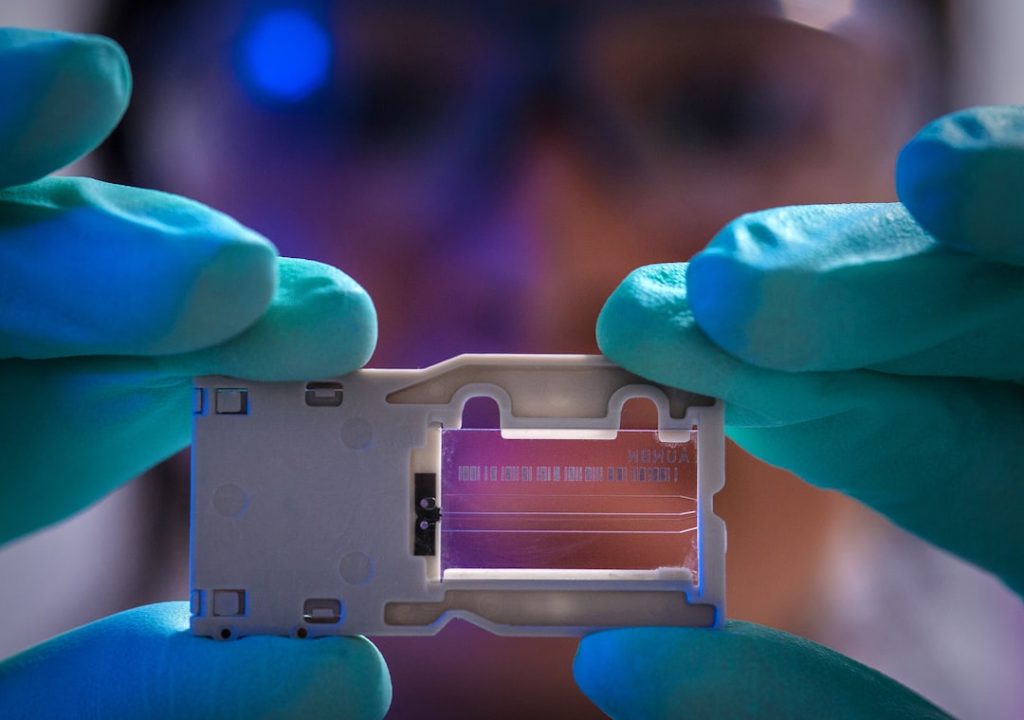
Medical research careers include various professions focused on expanding knowledge of health, disease, and treatment methods. These careers play a critical role in developing new therapies, diagnostic tools, and preventive measures that improve patient outcomes. Professionals in this field typically work in laboratories, hospitals, universities, and pharmaceutical companies, contributing to the knowledge base necessary for medical advancement.
Medical research offers opportunities for scientific discovery and direct impact on patient care. The medical research field continues to change due to technological advances, evolving public health requirements, and increasingly complex diseases. Professionals in this area must remain adaptable and engage in continuous learning throughout their careers.

Medical research is inherently interdisciplinary, requiring collaboration between experts in biology, chemistry, engineering, and social sciences. This collaborative structure promotes innovation and knowledge sharing, leading to discoveries that can change healthcare practices.
Key Takeaways
- Medical research careers are evolving with advancements in technology and data science.
- Emerging technologies like AI and big data are transforming research methodologies.
- There is a growing demand for skilled professionals in interdisciplinary medical research fields.
- Education and continuous training are crucial for adapting to new tools and challenges.
- Future medical research careers will require flexibility, innovation, and collaboration across specialties.
Current Trends in Medical Research

In recent years, several trends have emerged that are shaping the future of medical research. One significant trend is the growing emphasis on personalized medicine, which tailors treatment plans based on individual genetic profiles and lifestyle factors. This approach recognizes that patients respond differently to treatments and aims to optimize therapeutic efficacy while minimizing adverse effects.
The rise of genomics and biotechnology has been instrumental in this shift, allowing researchers to identify biomarkers that can predict treatment responses. Another notable trend is the increasing focus on global health issues, particularly in light of the COVID-19 pandemic. Researchers are now more attuned to the interconnectedness of health systems worldwide and the importance of addressing health disparities.
This has led to a surge in collaborative research efforts across borders, with scientists pooling resources and expertise to tackle pressing health challenges such as infectious diseases, chronic conditions, and mental health issues. The integration of social determinants of health into research agendas is also gaining traction, as it highlights the need for holistic approaches to health that consider environmental, economic, and cultural factors.
Emerging Technologies in Medical Research
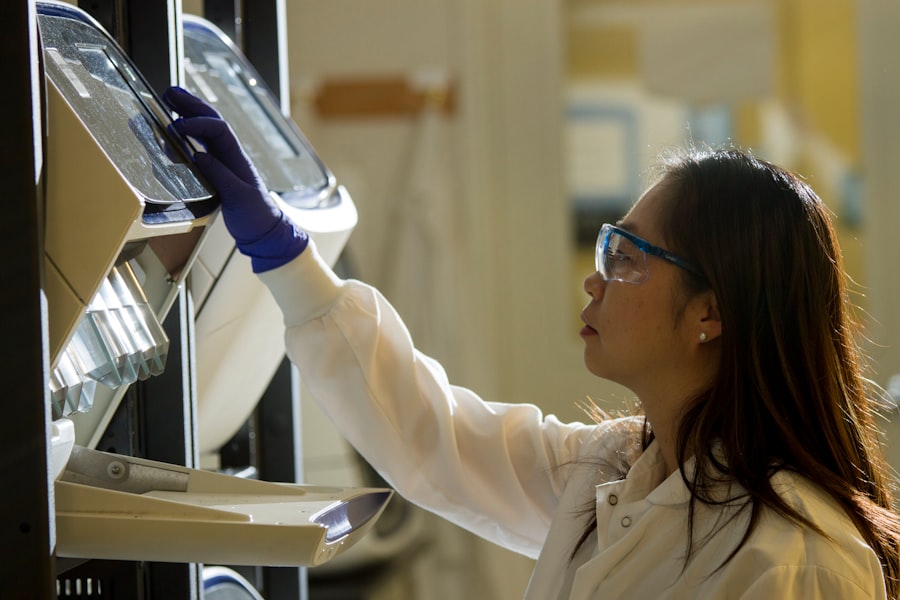
Emerging technologies are revolutionizing the field of medical research, providing new tools and methodologies that enhance the efficiency and accuracy of studies. One such technology is CRISPR-Cas9 gene editing, which allows researchers to make precise alterations to DNA sequences. This groundbreaking technique has opened up new avenues for investigating genetic disorders and developing targeted therapies.
For instance, researchers are exploring its potential in treating conditions like sickle cell anemia and certain types of cancer by correcting genetic mutations at their source. Additionally, advancements in imaging technologies have transformed how researchers visualize biological processes. Techniques such as functional MRI (fMRI) and positron emission tomography (PET) enable scientists to observe brain activity and metabolic processes in real-time.
These imaging modalities are invaluable for understanding complex diseases like Alzheimer’s and Parkinson’s, as they provide insights into disease progression and treatment efficacy. Furthermore, wearable devices equipped with sensors are increasingly being used in clinical trials to collect real-time data on patient health metrics, enhancing the granularity of research findings.
The Impact of Data Science and AI on Medical Research
The integration of data science and artificial intelligence (AI) into medical research is reshaping how studies are designed, conducted, and analyzed. With the exponential growth of data generated from clinical trials, electronic health records, and genomic sequencing, traditional methods of data analysis are often insufficient. AI algorithms can process vast amounts of data quickly and identify patterns that may not be apparent to human researchers.
For example, machine learning models are being employed to predict patient outcomes based on historical data, enabling more informed decision-making in clinical settings. Moreover, AI is playing a crucial role in drug discovery by streamlining the identification of potential drug candidates. By analyzing chemical compounds and their interactions with biological targets, AI can significantly reduce the time and cost associated with bringing new drugs to market.
Companies like Atomwise are utilizing deep learning algorithms to predict how different molecules will behave in biological systems, thereby accelerating the development of novel therapeutics. This synergy between data science and medical research not only enhances efficiency but also holds the promise of uncovering new insights that could lead to groundbreaking treatments.
Career Opportunities in Medical Research
| Metric | Value | Unit | Description |
|---|---|---|---|
| Average Salary | 85,000 | USD/year | Median annual income for medical researchers in the US |
| Job Growth Rate | 6 | % (2022-2032) | Projected employment growth rate for medical researchers |
| Education Level | PhD or MD | Degree | Typical required education for medical research positions |
| Top Employers | Universities, Hospitals, Pharmaceutical Companies | Sector | Common sectors employing medical researchers |
| Average Work Hours | 40-50 | Hours/week | Typical weekly working hours for medical researchers |
| Key Skills | Data Analysis, Clinical Trials, Laboratory Techniques | Skills | Essential skills for medical research jobs |
| Employment Distribution | 40% Academia, 35% Industry, 25% Government | % | Percentage distribution of medical researchers by sector |
The field of medical research offers a plethora of career opportunities across various sectors. Academic institutions often seek researchers who can contribute to fundamental science while also engaging in teaching and mentoring roles. Positions such as principal investigators or lab managers allow individuals to lead research projects and secure funding through grants.
These roles are critical for fostering innovation and training the next generation of scientists. In addition to academia, the pharmaceutical and biotechnology industries present numerous career paths for medical researchers. Roles such as clinical research associates (CRAs) and regulatory affairs specialists are essential for ensuring that new drugs meet safety and efficacy standards before reaching the market.
Furthermore, contract research organizations (CROs) provide opportunities for researchers to work on diverse projects across multiple therapeutic areas without being tied to a single company. The growing field of health informatics also offers career prospects for those interested in leveraging data analytics to improve healthcare delivery.
Challenges and Opportunities in Medical Research Careers
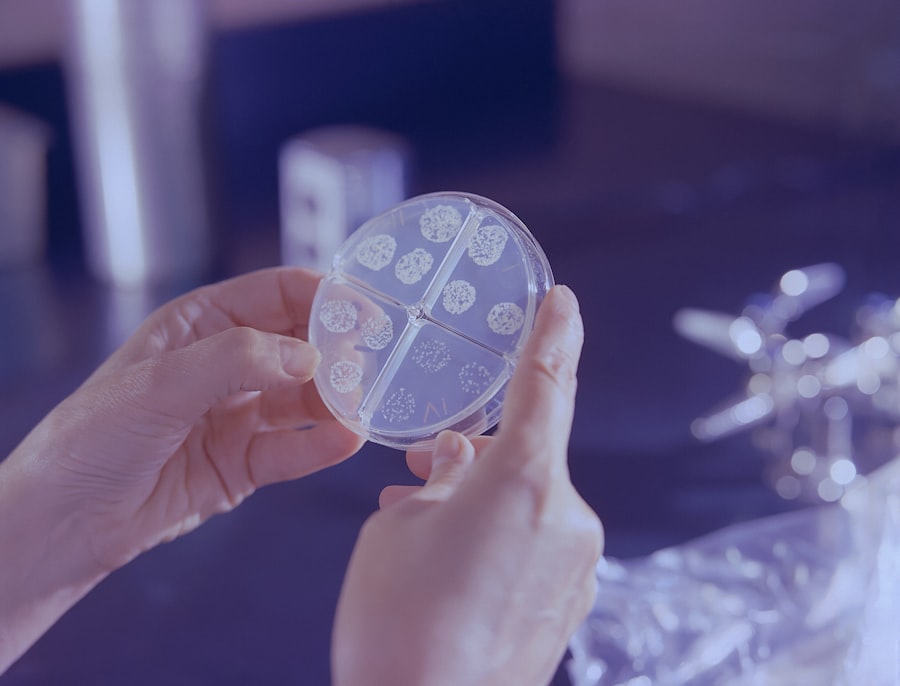
While medical research careers are rewarding, they are not without challenges. One significant hurdle is securing funding for research projects. Competition for grants is fierce, with many promising studies going unfunded due to limited resources.
This financial pressure can lead to job insecurity for researchers, particularly those early in their careers who may struggle to establish a track record of successful funding applications. Additionally, the fast-paced nature of scientific discovery can create pressure to publish results quickly, sometimes at the expense of thoroughness or ethical considerations. Researchers may face dilemmas regarding data integrity or the reproducibility of results, which can undermine public trust in scientific findings.
However, these challenges also present opportunities for innovation in funding models and research practices. Collaborative funding initiatives and public-private partnerships are emerging as viable solutions to address financial constraints while promoting transparency and accountability in research.
Education and Training for Future Medical Researchers
The educational pathway for aspiring medical researchers typically begins with a strong foundation in the sciences during undergraduate studies. Degrees in biology, chemistry, or biomedical engineering provide essential knowledge that underpins advanced research methodologies. Many researchers then pursue graduate degrees—master’s or Ph.D.—to gain specialized expertise in their chosen fields.
Graduate programs often emphasize hands-on laboratory experience and critical thinking skills necessary for conducting independent research. Postdoctoral fellowships are another critical step for many researchers seeking to establish themselves in academia or industry. These positions allow individuals to deepen their expertise while contributing to ongoing projects under the mentorship of established scientists.
Additionally, interdisciplinary training programs that incorporate skills from data science, bioinformatics, or public health are becoming increasingly valuable as the field evolves. Continuous professional development through workshops, conferences, and online courses is essential for staying abreast of emerging trends and technologies.
The Future of Medical Research Careers: Predictions and Considerations
Looking ahead, the future of medical research careers appears promising yet complex. As technology continues to advance at an unprecedented pace, researchers will need to adapt to new tools and methodologies that reshape their work environments. The integration of AI and machine learning into research processes will likely become standard practice, necessitating a workforce skilled in these areas.
Moreover, as global health challenges become more pronounced—exemplified by pandemics and climate change—medical researchers will play a crucial role in addressing these issues through innovative solutions. The demand for professionals who can navigate interdisciplinary collaborations will increase as researchers work alongside public health officials, policymakers, and community organizations to implement effective interventions. In conclusion, while challenges persist within medical research careers—such as funding constraints and ethical dilemmas—the opportunities for impactful work remain vast.
As society continues to grapple with complex health issues, the contributions of medical researchers will be vital in shaping a healthier future for all.
