

Clinical Trial Assistants (CTAs) play a vital role in the complex and meticulously regulated world of clinical research. They are the bedrock upon which many clinical trials are built, providing essential support that allows researchers and medical professionals to focus on the core scientific and patient-care aspects of their work. Without CTAs, the machinery of bringing new treatments from laboratory bench to bedside would grind to a halt, much like a ship without its diligent crew managing the cargo and essential supplies.
To grasp the significance of a Clinical Trial Assistant’s contribution, it is crucial to understand the general landscape of clinical trials. These are research studies conducted on human volunteers to assess the safety and efficacy of new medical interventions, such as drugs, devices, or behavioral therapies. They are the final step in a long journey that begins with basic scientific discovery and preclinical testing.
Phases of Clinical Trials

Clinical trials are typically categorized into distinct phases, each with specific objectives:
Phase 0
These studies, often involving very few participants, explore how a drug behaves in the human body at a very low dose. They are primarily designed to gather preliminary pharmacokinetic and pharmacodynamic data to inform later trial design.
Phase I

The primary goal of Phase I trials is to assess the safety of a new intervention. These studies involve a small group of healthy volunteers or patients with advanced disease who are closely monitored for adverse effects and to determine how the intervention is metabolized and excreted.
Phase II
Once an intervention is deemed safe, Phase II trials aim to evaluate its effectiveness for a specific condition and to further assess safety. These studies involve a larger group of participants who have the condition being studied.
Phase III
These large-scale trials compare the new intervention to existing standard treatments or a placebo. They are designed to confirm efficacy, monitor side effects, and collect information that will allow the intervention to be used safely in practice. Successful completion of Phase III trials is usually required for regulatory approval.
Phase IV
These post-market studies occur after a drug or device has been approved and is available to the public. They gather additional information about risks, benefits, optimal use in different populations, and long-term effects.
Regulatory Frameworks
The conduct of clinical trials is governed by stringent regulations to protect participant safety and ensure data integrity. In the United States, the Food and Drug Administration (FDA) sets forth guidelines, including Good Clinical Practice (GCP) standards. Similar regulatory bodies exist in other regions, such as the European Medicines Agency (EMA) in Europe. These frameworks dictate everything from protocol development and informed consent to data collection and reporting.
The Anatomical Structure of a Clinical Trial Team
A clinical trial is not a solo endeavor. It is a collaborative effort involving a diverse range of specialists, each with a specific function. The CTA operates within this ecosystem, often serving as a vital connective tissue.
Principal Investigator (PI)
The PI is the physician or researcher responsible for the overall conduct of the trial at a specific site. They oversee the study, ensure adherence to the protocol, and are ultimately responsible for the safety and well-being of the participants.
Sub-Investigators and Study Coordinators
Sub-investigators assist the PI in conducting study procedures and monitoring participants. Study coordinators, often the primary point of contact for participants and a key collaborator for CTAs, manage the day-to-day operations of the trial, including participant recruitment, scheduling, and data collection.
Other Clinical Staff
Depending on the trial, other personnel may be involved, such as nurses, pharmacists, laboratory technicians, and data managers. Each contributes to the trial’s smooth execution.
Regulatory Affairs Personnel
These individuals ensure the trial complies with all applicable regulations and manage submissions to ethics committees and regulatory authorities.
The Essential Functions of a Clinical Trial Assistant
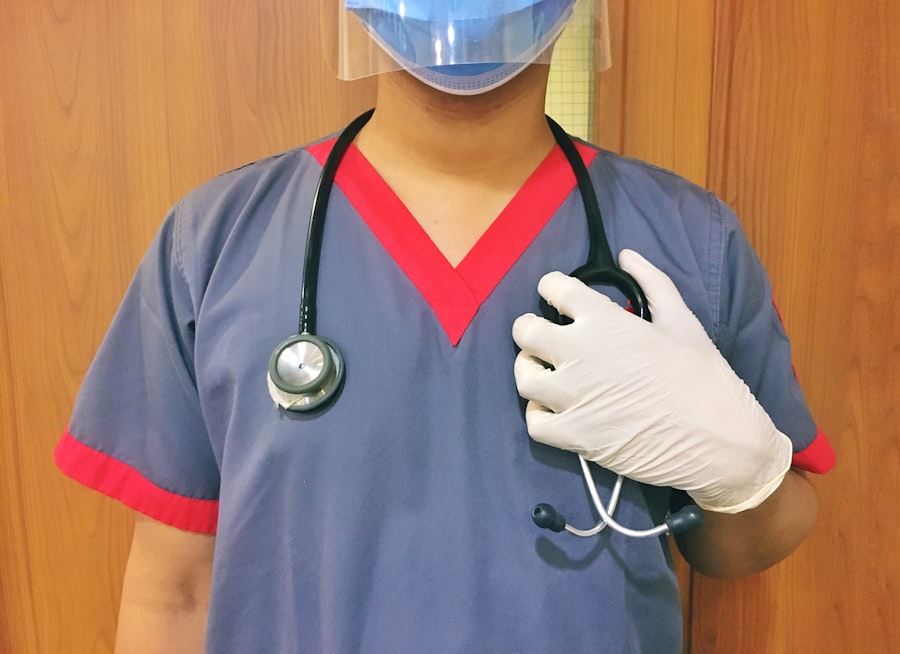
The Clinical Trial Assistant is a multi-faceted role, requiring a blend of organizational prowess, attention to detail, and effective communication. They are the gears that keep the research machinery moving, often performing tasks that are critical but can easily be overlooked.
Document Management and Archiving
A significant portion of a CTA’s responsibilities revolves around the meticulous management of trial-related documentation. This is akin to a librarian curating a vast collection of irreplaceable texts; each document must be precisely cataloged, stored securely, and readily retrievable.
Source Document Verification
CTAs may assist in verifying that information recorded in case report forms (CRFs) accurately reflects the original source documents (e.g., patient medical records, lab reports). This process is crucial for ensuring the accuracy and completeness of the data that will ultimately be used for analysis.
Trial Master File (TMF) Maintenance
The TMF is the central repository for all essential trial documents. CTAs are often responsible for organizing, filing, and ensuring the completeness and accessibility of the TMF, which is subject to regulatory inspection. This includes documents such as the protocol, investigator brochures, informed consent forms, and correspondence.
Regulatory Binder Organization
Each trial site maintains a regulatory binder, a collection of essential documents required by regulatory authorities. CTAs play a key role in ensuring this binder is up-to-date, compliant, and contains all necessary permits, approvals, and documentation for the trial’s progress.
Participant Recruitment and Management Support
While the direct interaction with participants often falls to study coordinators, CTAs provide indispensable support in the recruitment and ongoing management of individuals enrolled in clinical trials.
Screening Log Management
CTAs may assist in maintaining screening logs, which track potential participants who are screened for eligibility. This involves accurately recording screening dates, reasons for ineligibility, and demographic information.
Preparing Participant Materials
This can include ensuring that consent forms, questionnaires, and other participant diaries or information sheets are readily available for study coordinators and participants.
Scheduling Assistance
CTAs may help in coordinating participant appointments for clinic visits, blood draws, or other study procedures. This requires careful attention to detail and communication with participants and clinical staff.
Data Entry and Query Management
The integrity of clinical trial data is paramount. CTAs often contribute to the initial stages of data management, laying the groundwork for accurate analysis.
Data Entry Support
Where electronic data capture (EDC) systems are used, CTAs may be tasked with initial data entry from source documents into the system, under the supervision of study coordinators or data managers. This requires a high level of accuracy and attention to detail.
Data Query Resolution Assistance
During data review, discrepancies or missing information can be flagged as queries. CTAs might assist in the initial investigation of these queries by locating relevant source documents or providing preliminary information to the study coordinator or data manager for resolution.
Site Logistics and Supply Management
The smooth operation of a clinical trial site relies on having the necessary supplies and equipment readily available. CTAs often manage these logistical aspects, acting as the unseen hand that ensures everything is in place.
Investigational Product (IP) Accountability
CTAs may assist in tracking the receipt, dispensing, and return or destruction of the investigational product. This involves meticulous record-keeping to ensure the integrity of the drug or device being studied.
Maintenance of Study Supplies
This includes ordering, stocking, and managing an inventory of essential study supplies, such as blood collection tubes, questionnaires, and laboratory reagents, ensuring they are available when needed.
Equipment Calibration and Maintenance Records
While not always directly responsible, CTAs might track records related to the calibration and maintenance of study-specific equipment, ensuring it is functioning correctly and meeting regulatory requirements.
The Skillset: Navigating the Nuances of Clinical Research

The role of a CTA demands a specific set of skills and personal attributes. These are not merely desirable qualities; they are essential tools for effective performance in a demanding environment.
Attention to Detail
Precision is not optional in clinical trials; it is foundational. A misplaced comma or an incorrectly entered number can have significant implications for data integrity and participant safety. CTAs must possess a keen eye for detail, scrutinizing documents and data with unwavering focus. This commitment to accuracy is like a surgeon’s steady hand – indispensable for a successful outcome.
Organizational Skills
Clinical trials generate a torrent of paperwork and data. The ability to organize, categorize, and retrieve this information efficiently is paramount. CTAs must be adept at creating and maintaining systems that ensure order amidst potential chaos, allowing for seamless access to critical information when required by investigators, monitors, or auditors. Think of it as a master architect meticulously organizing blueprints for a complex structure.
Communication Skills
While direct patient interaction might be limited, effective communication is crucial. CTAs must be able to communicate clearly and concisely with study coordinators, investigators, monitors, and sometimes vendors. This includes conveying information accurately, asking clarifying questions, and reporting issues promptly.
Time Management and Prioritization
With multiple tasks and deadlines, CTAs must be adept at managing their time effectively and prioritizing responsibilities. This involves understanding the urgency of different tasks and allocating resources accordingly to ensure critical trial activities are not delayed.
Adaptability and Problem-Solving
Clinical research is dynamic. Protocols may be amended, unforeseen issues can arise, and priorities can shift. CTAs need to be adaptable, capable of thinking on their feet, and proactive in identifying and resolving problems.
Understanding of Medical Terminology and Concepts
While not expected to be medical experts, a foundational understanding of medical terminology, basic anatomy, physiology, and the disease being studied is beneficial. This comprehension facilitates accurate data entry, clear communication, and a better grasp of the trial’s objectives.
Computer Proficiency
Proficiency in using various software applications is essential. This includes word processing, spreadsheets, database management systems (especially EDC systems), and email. Familiarity with electronic document management systems is also increasingly important.
Career Pathways for Clinical Trial Assistants
| Metric | Details |
|---|---|
| Job Title | Clinical Trial Assistant |
| Primary Responsibilities | Document management, regulatory compliance, trial coordination, data entry |
| Required Education | Associate or Bachelor’s degree in life sciences or related field |
| Average Experience | 0-2 years (entry level) |
| Key Skills | Attention to detail, organizational skills, communication, knowledge of GCP |
| Typical Work Hours | Full-time, 40 hours per week |
| Common Software Used | CTMS, EDC systems, Microsoft Office Suite |
| Average Salary Range | 30,000 – 50,000 per year |
| Career Progression | Clinical Research Coordinator → Clinical Research Associate → Project Manager |
| Work Environment | Pharmaceutical companies, CROs, hospitals, research institutions |
The role of a Clinical Trial Assistant serves as a valuable entry point into the broader field of clinical research. The experience gained can pave the way for numerous career advancements, allowing individuals to expand their responsibilities and specialize in different areas.
Progression to Senior CTA or Lead CTA
With experience, CTAs can progress to senior roles, taking on more complex responsibilities, mentoring junior staff, and leading specific project components. This often involves a greater level of autonomy and oversight.
Transition to Study Coordinator
The skills developed as a CTA are directly transferable to the role of a Study Coordinator. This transition allows for increased direct involvement in participant management, protocol implementation, and data acquisition, often with greater ownership of trial activities at the site level.
Specialization in Data Management
CTAs with a strong aptitude for detail and data analysis may find rewarding career paths in clinical data management. This involves the meticulous cleaning, validation, and analysis of trial data, playing a crucial role in the interpretation of study results.
Moving into Clinical Trial Management
With further experience and education, CTAs can transition into roles focused on the overall management of clinical trials. This can include positions such as Clinical Trial Manager or Project Manager, where they oversee multiple trials, manage budgets, and coordinate with various stakeholders across different sites.
Regulatory Affairs and Quality Assurance
The foundational understanding of regulatory guidelines acquired as a CTA can lead to roles in regulatory affairs, where individuals ensure compliance with regulations and manage submissions to health authorities, or in quality assurance, where they focus on maintaining the integrity and quality of trial conduct.
The Unsung Heroes: Impact and Importance of CTAs
While the Principal Investigator often receives the spotlight for scientific leadership and the research nurse for direct patient care, the Clinical Trial Assistant is an indispensable cog in the research machine. Their contributions, though often behind the scenes, are fundamental to the successful execution of clinical trials. They are the silent guardians of data integrity, the meticulous organizers of complex information, and the steadfast supporters of the entire research endeavor. Without their diligence, the journey of bringing life-changing therapies to patients would be significantly more arduous, if not impossible. Their work is a testament to the fact that every role in a clinical trial, no matter how seemingly small, is vital to the advancement of medical science and the betterment of human health.
