

Clinical trials are structured research studies conducted to evaluate the safety and efficacy of new medical interventions, including drugs, devices, and treatment protocols. These trials are essential for advancing medical knowledge and improving patient care. They typically involve human participants who volunteer to take part in the research, allowing scientists and medical professionals to gather data on how a new treatment works in real-world scenarios.
Clinical trials are meticulously designed to answer specific research questions, often comparing a new treatment against a standard one or a placebo. The process of clinical trials is divided into several phases, each with distinct objectives. Phase I trials primarily focus on assessing the safety of a new intervention, determining the appropriate dosage, and identifying any side effects.

Phase II trials expand the participant pool to evaluate the treatment’s effectiveness and further assess its safety. Phase III trials involve larger groups of participants and are crucial for confirming the treatment’s efficacy and monitoring adverse reactions in a more diverse population. Finally, Phase IV trials occur after a treatment has been approved for public use, focusing on long-term effects and additional benefits or risks.
Key Takeaways
- Clinical trials are research studies that test new medical treatments or interventions on volunteers.
- Finding clinical trials involves searching databases, consulting doctors, or using specialized websites.
- Participants should expect regular monitoring, tests, and adherence to study protocols during trials.
- While clinical trials offer potential health benefits, they also carry risks such as side effects or ineffective treatments.
- Earnings from clinical trials vary, and maximizing income involves selecting suitable studies and maintaining eligibility.
How to Find Clinical Trials to Participate In

Finding clinical trials to participate in can be a straightforward process if you know where to look. One of the most reliable resources is ClinicalTrials.gov, a comprehensive database maintained by the U.S. National Library of Medicine. This platform allows users to search for trials based on various criteria, including location, medical condition, and phase of the trial. By entering specific keywords related to your health condition or interest, you can access detailed information about ongoing studies, including eligibility requirements and contact information for the research teams. In addition to online databases, local hospitals and academic medical centers often conduct clinical trials. Many institutions have dedicated research departments that can provide information about current studies. Engaging with healthcare providers can also be beneficial; they may be aware of upcoming trials that align with your health needs or interests. Furthermore, patient advocacy groups related to specific diseases frequently maintain lists of clinical trials and can offer guidance on how to participate.
What to Expect During a Clinical Trial
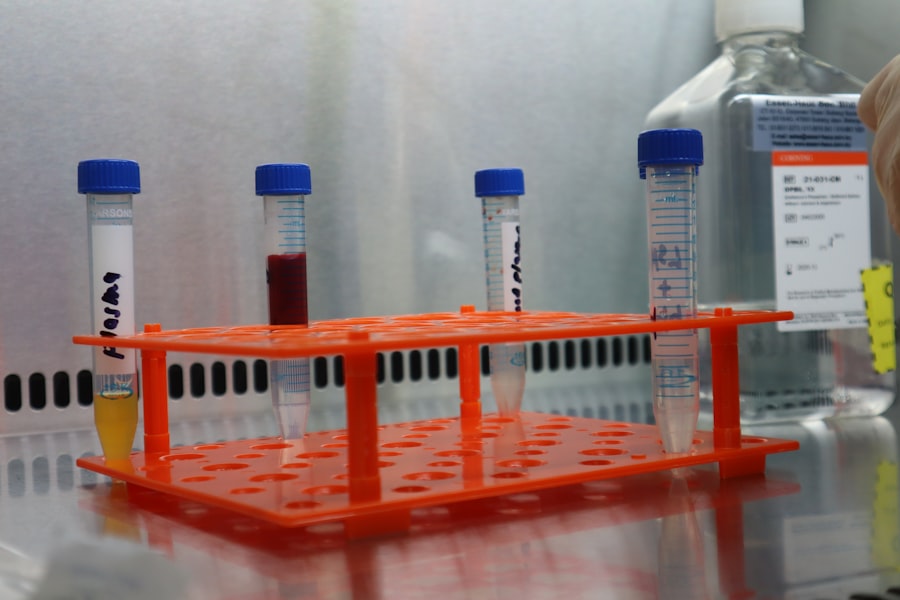
Participating in a clinical trial can vary significantly depending on the study’s design and objectives. Generally, participants can expect an initial screening process that includes a thorough medical history review and various tests to determine eligibility. This step is crucial as it ensures that only suitable candidates are enrolled in the trial, minimizing risks and enhancing the reliability of the results.
Once accepted, participants will receive detailed information about the trial’s procedures, including what will be required of them throughout the study. During the trial itself, participants may be required to attend regular appointments at the research site, where they will undergo assessments such as blood tests, imaging studies, or questionnaires about their health status. Depending on the trial’s design, participants might receive either the experimental treatment or a placebo.
Throughout this process, researchers will closely monitor participants for any side effects or changes in health status. Open communication with the research team is encouraged; participants should feel comfortable asking questions or expressing concerns at any time.
Potential Risks and Benefits of Participating in Clinical Trials
Engaging in clinical trials comes with both potential risks and benefits that participants should carefully consider before enrolling. On one hand, participants may gain access to cutting-edge treatments that are not yet available to the general public. This access can be particularly valuable for individuals with conditions that have limited treatment options.
Additionally, participants contribute to medical research that may lead to breakthroughs benefiting future patients, creating a sense of purpose and involvement in advancing healthcare. However, there are inherent risks associated with clinical trials. Experimental treatments may cause unexpected side effects or may not work as intended.
Participants might experience discomfort or adverse reactions that could impact their health negatively. Furthermore, there is no guarantee that the treatment will be effective; some participants may find themselves in a placebo group, receiving no active treatment at all. It is essential for potential participants to weigh these risks against the potential benefits and discuss any concerns with their healthcare provider before making a decision.
How Much Money Can You Earn from Clinical Trials
| Trial Phase | Average Compensation | Duration | Common Conditions Studied | Participant Requirements |
|---|---|---|---|---|
| Phase 1 | 1000 – 3000 | 1 week to 1 month | Healthy volunteers, safety testing | Healthy adults, no chronic illness |
| Phase 2 | 2000 – 5000 | 1 to 3 months | Chronic diseases, initial efficacy | Patients with specific condition |
| Phase 3 | 3000 – 7000 | 3 months to 2 years | Large scale efficacy and safety | Patients with condition, wider criteria |
| Phase 4 | Varies | Ongoing post-marketing | Long-term effects, rare side effects | Patients using approved drug |
Compensation for participating in clinical trials can vary widely based on several factors, including the trial’s phase, duration, location, and complexity of procedures involved. Some studies may offer modest compensation for time and travel expenses, while others may provide more substantial financial incentives for participation. For instance, Phase I trials, which often require extensive monitoring and multiple visits over several weeks, may offer higher compensation compared to Phase III trials that involve less intensive follow-up.
On average, participants can expect to earn anywhere from $50 to several thousand dollars for their involvement in clinical trials. For example, some Phase I studies may compensate participants between $1,000 and $5,000 for their time and commitment. However, it is important to note that financial compensation should not be the sole motivation for participating in clinical trials; understanding the study’s purpose and potential impact on health is equally crucial.
Tips for Maximizing Your Earnings from Clinical Trials

To maximize earnings from clinical trials while ensuring a positive experience, potential participants should consider several strategies. First, thoroughly researching available trials can help identify those that offer higher compensation rates or align with personal health conditions. Utilizing platforms like ClinicalTrials.gov or consulting with local research institutions can provide valuable insights into ongoing studies.
Additionally, being proactive in communication with research coordinators can enhance your experience and potentially lead to better compensation opportunities. Expressing interest in multiple studies or asking about future trials can position you favorably within research networks. Moreover, maintaining good health and adhering to study protocols can increase your chances of being selected for additional trials in the future.
How to Stay Safe While Participating in Clinical Trials
Safety should always be a top priority when participating in clinical trials. Before enrolling in any study, it is essential to thoroughly review the informed consent document provided by the research team. This document outlines the study’s purpose, procedures involved, potential risks and benefits, and your rights as a participant.
Take the time to ask questions about anything that is unclear; understanding what you are agreeing to is crucial for your safety. During the trial itself, maintaining open communication with the research team is vital. Report any side effects or unusual symptoms immediately; researchers rely on participant feedback to monitor safety effectively.
Additionally, ensure that you keep all scheduled appointments and follow any instructions provided by the research team regarding medication or lifestyle changes during the trial period. By staying engaged and informed throughout the process, you can help safeguard your well-being while contributing valuable data to medical research.
Other Ways to Contribute to Medical Research and Earn Money
Beyond participating in clinical trials, there are various other avenues through which individuals can contribute to medical research while earning money. One option is participating in surveys or focus groups related to healthcare topics; many organizations seek input from patients or caregivers to inform their research initiatives. These opportunities often require less time commitment than clinical trials but still provide valuable insights into patient experiences.
Another avenue is becoming a patient advocate or peer reviewer for research studies; these roles often involve providing feedback on study designs or helping researchers understand patient perspectives on treatment options. While these positions may not always offer direct financial compensation, they can provide stipends or honorariums for your time and expertise. Engaging in these activities not only allows you to contribute meaningfully to medical advancements but also helps shape future healthcare practices based on real-world experiences and needs.
