

Clinical study efficiency represents a fundamental component of biomedical research that directly affects the development timeline and market introduction of new therapeutic interventions. Research demonstrates that efficient clinical trials reduce time-to-market for new treatments, decrease development costs, and accelerate patient access to potentially life-saving therapies. Studies indicate that inefficient clinical trials can extend drug development timelines by 2-5 years and increase costs by hundreds of millions of dollars.
Clinical study efficiency encompasses multiple operational components that collectively determine trial performance. Study design optimization involves selecting appropriate endpoints, determining optimal sample sizes, and establishing clear inclusion and exclusion criteria. Participant recruitment strategies include site selection, investigator training, and patient identification protocols.

Data collection methodologies encompass electronic data capture systems, remote monitoring capabilities, and real-time data validation processes. Statistical analysis frameworks involve pre-specified analysis plans, interim analysis protocols, and regulatory submission strategies. Research indicates that well-structured study protocols can reduce participant recruitment timelines by 30-50% compared to traditional approaches.
Electronic data capture systems have been shown to decrease data collection errors by up to 40% while reducing monitoring costs by 25-35%. Adaptive trial designs can reduce overall study duration by 20-30% through optimized dose selection and patient population refinement. These efficiency improvements translate to measurable benefits in regulatory approval timelines, with efficient trials demonstrating 15-25% faster regulatory review processes.
Key Takeaways
- Clinical study efficiency is crucial for timely and cost-effective medical research.
- Common challenges include complex protocols, patient recruitment, and data management.
- Innovative solutions focus on adaptive trial designs and decentralized study models.
- Technology, such as AI and electronic data capture, enhances data accuracy and speed.
- Emphasizing patient-centric approaches and collaboration drives better study outcomes.

Challenges in Clinical Study Efficiency
Despite the critical importance of efficiency in clinical studies, numerous challenges persist that hinder progress. One of the most significant obstacles is participant recruitment. Many clinical trials struggle to meet their enrollment targets, often due to stringent eligibility criteria or a lack of awareness among potential participants about ongoing studies.
This recruitment bottleneck can lead to delays in study timelines, increased costs, and ultimately, a slower path to market for new therapies. For example, a study published in the Journal of Clinical Oncology found that nearly 85% of clinical trials fail to meet their enrollment goals on time, which can extend the duration of research and increase overall expenses. Another challenge lies in the complexity of regulatory requirements.
Clinical studies must adhere to rigorous guidelines set forth by regulatory agencies such as the U.S. Food and Drug Administration (FDA) or the European Medicines Agency (EMA). While these regulations are essential for ensuring patient safety and data integrity, they can also introduce significant delays in study initiation and execution.
The process of obtaining necessary approvals can be lengthy and cumbersome, often requiring multiple rounds of revisions and resubmissions. This regulatory burden can stifle innovation and slow down the pace at which new treatments are developed.
Innovative Solutions for Improving Clinical Study Efficiency
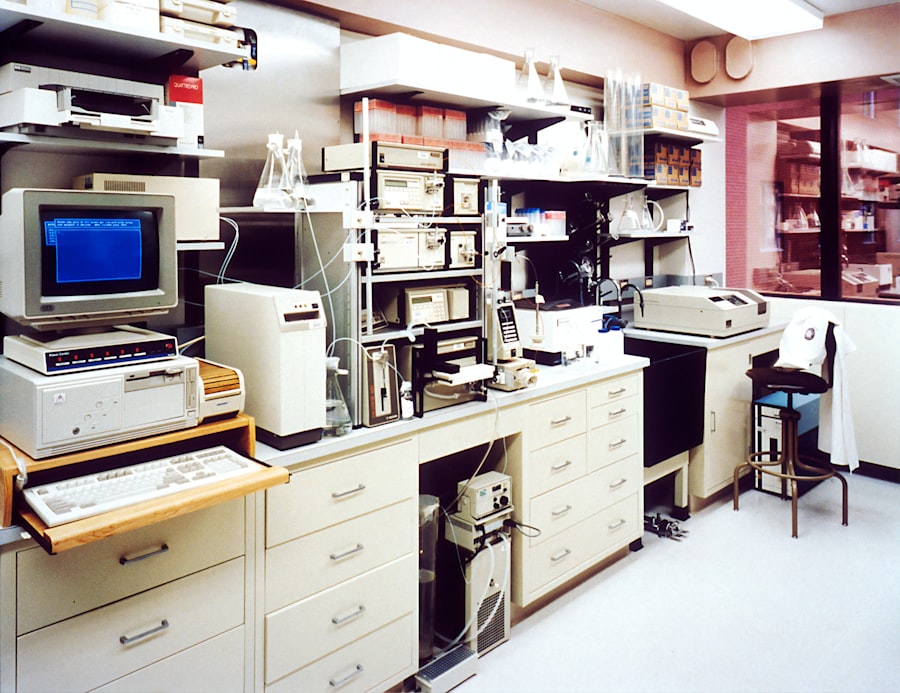
To address the challenges associated with clinical study efficiency, researchers and organizations are increasingly turning to innovative solutions that can streamline processes and enhance productivity. One promising approach is the adoption of adaptive trial designs, which allow for modifications to be made to the study protocol based on interim results. This flexibility can lead to more efficient use of resources by enabling researchers to identify ineffective treatments early on and redirect efforts toward more promising avenues.
For instance, adaptive designs have been successfully employed in oncology trials, where they allow for dose adjustments or changes in patient populations based on real-time data. Another innovative solution is the implementation of risk-based monitoring strategies. Traditional monitoring approaches often involve extensive on-site visits and comprehensive data verification, which can be time-consuming and costly.
In contrast, risk-based monitoring focuses on identifying and addressing potential risks early in the study process. By prioritizing monitoring efforts based on risk assessments, researchers can allocate resources more effectively and ensure that critical data points are closely scrutinized while reducing unnecessary oversight on lower-risk areas. This targeted approach not only enhances efficiency but also maintains high standards for data quality.
Use of Technology in Clinical Studies
The integration of technology into clinical studies has revolutionized the way research is conducted, offering numerous opportunities to enhance efficiency. One notable advancement is the use of electronic data capture (EDC) systems, which facilitate real-time data collection and management. EDC systems replace traditional paper-based methods, reducing the likelihood of errors associated with manual data entry and enabling faster access to information.
This shift not only accelerates data collection but also streamlines the process of data analysis, allowing researchers to make informed decisions more quickly. Moreover, technology has enabled remote monitoring and virtual trials, which have gained traction particularly in light of the COVID-19 pandemic. Remote monitoring allows researchers to collect data from participants without requiring them to visit clinical sites physically.
This approach not only enhances participant convenience but also broadens access to diverse populations who may have previously faced barriers to participation due to geographical constraints or mobility issues. Virtual trials leverage telemedicine platforms to conduct assessments and follow-ups remotely, further enhancing patient engagement and retention while reducing logistical challenges associated with traditional trial designs.
Streamlining Data Collection and Analysis
| Metric | Description | Typical Value | Unit |
|---|---|---|---|
| Patient Enrollment Rate | Number of patients enrolled per month in a clinical study | 50-200 | patients/month |
| Data Accuracy | Percentage of data entries without errors | 98-99.9 | % |
| Study Completion Time | Average duration to complete a clinical study | 12-24 | months |
| Protocol Deviation Rate | Frequency of deviations from the study protocol | 1-5 | % of total visits |
| Query Resolution Time | Average time to resolve data queries | 24-72 | hours |
| Site Activation Time | Time taken to activate a clinical site | 4-8 | weeks |
| Adverse Event Reporting Rate | Percentage of adverse events reported within required timeframe | 95-100 | % |
Efficient data collection and analysis are fundamental components of successful clinical studies. The traditional methods of data collection often involve labor-intensive processes that can introduce delays and errors. To streamline these processes, researchers are increasingly adopting automated data collection tools that utilize mobile applications or wearable devices to gather real-time information from participants.
For example, wearable technology can monitor vital signs or activity levels continuously, providing researchers with a wealth of data without requiring frequent participant visits. In addition to automated data collection methods, advanced analytics techniques are being employed to enhance data analysis efficiency. Machine learning algorithms can sift through vast datasets quickly, identifying patterns and correlations that may not be immediately apparent through traditional statistical methods.
This capability allows researchers to derive insights from complex datasets more rapidly, facilitating timely decision-making throughout the study lifecycle. By harnessing these advanced analytical tools, researchers can optimize their study designs and make informed adjustments based on emerging trends in real time.
Implementing Patient-Centric Approaches

A patient-centric approach is essential for improving clinical study efficiency by enhancing participant engagement and retention. When patients feel valued and involved in the research process, they are more likely to remain committed to the study and provide accurate data. One effective strategy for fostering patient engagement is through clear communication about the study’s purpose, potential benefits, and what participation entails.
Providing patients with comprehensive information empowers them to make informed decisions about their involvement in clinical research. Additionally, incorporating patient feedback into study design can lead to more relevant outcomes and improved participant experiences. Engaging patients in discussions about trial protocols or endpoints ensures that their perspectives are considered, ultimately leading to studies that better reflect their needs and preferences.
For instance, organizations like the Patient-Centered Outcomes Research Institute (PCORI) advocate for involving patients in research planning and execution to ensure that studies address real-world concerns and priorities.
Collaboration and Partnerships in Clinical Research
Collaboration among stakeholders is vital for enhancing clinical study efficiency. By fostering partnerships between academic institutions, pharmaceutical companies, regulatory bodies, and patient advocacy groups, researchers can leverage diverse expertise and resources to streamline processes. Collaborative networks facilitate knowledge sharing and best practices that can lead to more efficient trial designs and execution.
One notable example of successful collaboration is the Accelerating Medicines Partnership (AMP), a public-private partnership aimed at advancing drug development for various diseases. By pooling resources from multiple stakeholders, AMP has accelerated research efforts by promoting shared data access and collaborative research initiatives. Such partnerships not only enhance efficiency but also foster innovation by bringing together diverse perspectives that can lead to novel solutions for complex challenges in clinical research.
Future Trends in Improving Clinical Study Efficiency
As the landscape of clinical research continues to evolve, several trends are emerging that hold promise for further improving study efficiency. One such trend is the increasing emphasis on real-world evidence (RWE) in clinical trials. RWE refers to data collected outside traditional clinical trial settings, such as electronic health records or patient registries.
By incorporating RWE into study designs, researchers can gain insights into treatment effectiveness in diverse populations under routine clinical conditions, ultimately leading to more efficient trial designs that better reflect real-world scenarios. Another trend is the growing focus on personalized medicine, which tailors treatments based on individual patient characteristics such as genetics or biomarkers. Personalized approaches can enhance efficiency by ensuring that interventions are targeted toward those most likely to benefit from them, reducing unnecessary exposure to ineffective treatments.
As advancements in genomics and biotechnology continue to unfold, personalized medicine is poised to play an increasingly central role in shaping efficient clinical study designs. In conclusion, improving clinical study efficiency is a multifaceted challenge that requires innovative solutions across various domains. By addressing recruitment hurdles, leveraging technology, streamlining data processes, implementing patient-centric approaches, fostering collaboration, and embracing emerging trends like real-world evidence and personalized medicine, stakeholders can work together to enhance the efficiency of clinical studies.
As we move forward into an era marked by rapid advancements in science and technology, a concerted effort toward improving clinical study efficiency will be essential for ensuring that new therapies reach patients swiftly and effectively.
