

In the realm of medical practice, case studies serve as invaluable tools for understanding complex health issues and the efficacy of various treatment modalities. This particular case study focuses on a 45-year-old female patient diagnosed with Type 2 Diabetes Mellitus, a chronic condition characterized by insulin resistance and hyperglycemia. The patient presented with a range of symptoms, including fatigue, frequent urination, and blurred vision, which prompted her to seek medical attention.
This case study aims to delve into the intricacies of her medical condition, the treatment plan devised by her healthcare team, the outcomes of that treatment, and the challenges encountered along the way. By examining this case in detail, we can glean insights that may inform future practices in managing similar cases. The significance of this case extends beyond the individual patient; it reflects broader trends in public health, particularly the rising prevalence of diabetes worldwide.

According to the International Diabetes Federation, approximately 537 million adults were living with diabetes in 2021, a number projected to rise to 643 million by 2030. This alarming trend underscores the urgency for effective management strategies and innovative treatment approaches. Through this case study, we aim to contribute to the ongoing dialogue surrounding diabetes management and highlight the importance of personalized care in achieving optimal patient outcomes.
Key Takeaways
- The case study provides a detailed examination of a specific patient’s medical condition and treatment journey.
- The treatment plan was carefully designed and implemented, with outcomes thoroughly analyzed.
- Challenges encountered during treatment highlighted areas needing improvement and adaptation.
- Strategies for enhancing patient outcomes were explored and evaluated.
- The study concludes with actionable recommendations for future medical treatments based on lessons learned.
Overview of the Patient’s Medical Condition

The patient in this case study had a medical history that included obesity, hypertension, and a family history of diabetes, all of which are significant risk factors for developing Type 2 Diabetes Mellitus. Upon examination, her body mass index (BMI) was recorded at 32, categorizing her as obese. Laboratory tests revealed elevated fasting blood glucose levels of 180 mg/dL and an HbA1c level of 8.5%, indicating poor glycemic control over the preceding three months.
These findings confirmed the diagnosis of Type 2 Diabetes Mellitus and highlighted the need for immediate intervention to prevent potential complications such as cardiovascular disease, neuropathy, and retinopathy. In addition to her physical symptoms, the patient reported experiencing psychological distress related to her diagnosis. The emotional burden of managing a chronic illness can often exacerbate physical symptoms and complicate treatment adherence.
The healthcare team recognized that addressing both the physiological and psychological aspects of her condition would be crucial for successful management. This holistic approach would not only focus on controlling blood sugar levels but also on improving the patient’s overall quality of life.
Description of the Treatment Plan
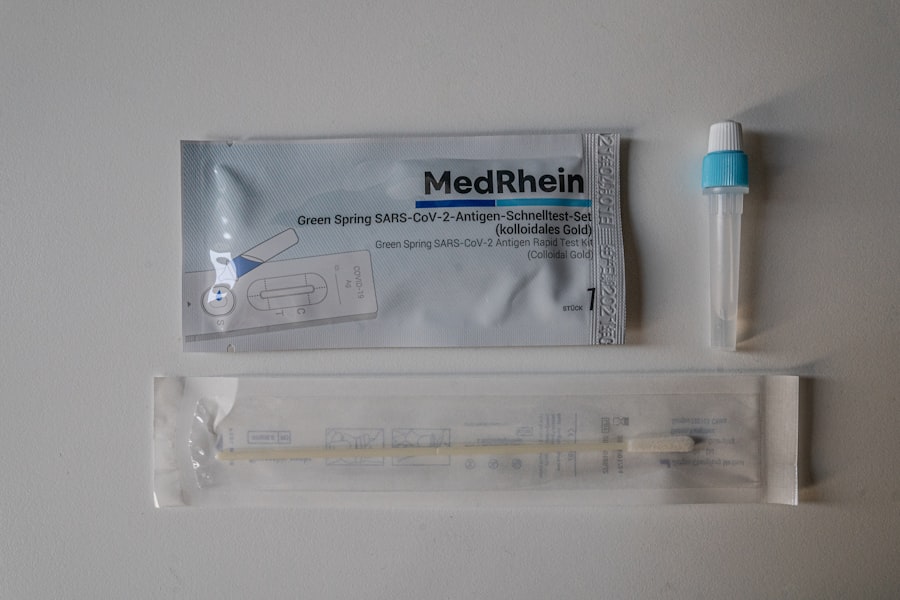
The treatment plan for this patient was multifaceted, incorporating lifestyle modifications, pharmacotherapy, and regular monitoring. Initially, the healthcare team emphasized the importance of dietary changes. A registered dietitian worked closely with the patient to develop a personalized meal plan that focused on reducing carbohydrate intake while increasing fiber-rich foods such as vegetables, whole grains, and legumes.
The goal was to stabilize blood glucose levels through dietary management while promoting weight loss. In conjunction with dietary changes, a structured exercise program was introduced. The patient was encouraged to engage in at least 150 minutes of moderate-intensity aerobic activity per week, complemented by strength training exercises twice a week.
This exercise regimen aimed not only to aid in weight loss but also to enhance insulin sensitivity and improve cardiovascular health. Pharmacotherapy was also an integral component of the treatment plan. The patient was prescribed Metformin, an oral hypoglycemic agent that helps lower blood glucose levels by improving insulin sensitivity and reducing hepatic glucose production.
Additionally, the healthcare team scheduled regular follow-up appointments to monitor her progress and adjust medications as necessary. This comprehensive approach aimed to empower the patient in managing her condition while minimizing the risk of complications.
Analysis of the Treatment Outcome
Over a six-month period, the patient demonstrated significant improvements in her health metrics. Follow-up laboratory tests revealed a reduction in her HbA1c level from 8.5% to 6.9%, indicating improved glycemic control. Furthermore, she experienced a weight loss of approximately 15 pounds, which contributed positively to her overall health status.
The combination of dietary modifications and increased physical activity played a pivotal role in these outcomes. In addition to physiological improvements, the patient reported enhanced emotional well-being. She expressed feeling more energetic and less overwhelmed by her diagnosis.
The support provided by her healthcare team fostered a sense of accountability and motivation that was crucial for her adherence to the treatment plan. Regular check-ins allowed for adjustments based on her feedback, reinforcing her commitment to lifestyle changes. However, it is essential to recognize that while these outcomes were promising, they did not come without challenges.
The patient faced periods of frustration and setbacks, particularly when it came to maintaining dietary restrictions in social situations or during holidays. These moments highlighted the need for ongoing support and education about coping strategies for real-life scenarios.
Discussion of Challenges Faced During Treatment
| Metric | Value | Description |
|---|---|---|
| Patient Age | 45 years | Age of the patient involved in the case study |
| Diagnosis | Type 2 Diabetes Mellitus | Medical condition diagnosed in the patient |
| Treatment Duration | 6 months | Length of time patient received treatment |
| HbA1c Reduction | 1.5% | Decrease in glycated hemoglobin after treatment |
| Weight Change | -4 kg | Weight loss observed during treatment period |
| Medication Used | Metformin | Primary drug administered to the patient |
| Follow-up Visits | 4 | Number of clinical follow-up appointments |
| Adverse Effects | None reported | Side effects experienced by the patient |
Despite the positive trajectory of the patient’s treatment journey, several challenges emerged that required careful navigation by both the patient and her healthcare team. One significant hurdle was the patient’s initial resistance to lifestyle changes. Transitioning to a healthier diet and incorporating regular exercise into her routine proved daunting at times.
The psychological aspect of changing long-standing habits cannot be underestimated; it often involves confronting deeply ingrained behaviors and societal norms surrounding food and activity. Additionally, financial constraints posed another challenge. The cost of healthy food options can be prohibitive for many individuals, particularly those with limited resources.
The patient expressed concern about affording fresh produce and whole grains consistently. This financial barrier necessitated creative solutions from the healthcare team, such as providing resources for local food banks or community programs that offer subsidized healthy food options. Moreover, managing diabetes requires continuous education about self-monitoring blood glucose levels and understanding how different foods affect those levels.
The patient initially struggled with this aspect of her care but gradually became more adept at recognizing patterns in her blood sugar readings. This learning curve underscored the importance of patient education as an ongoing process rather than a one-time event.
Examination of Strategies for Improving Patient Outcomes

To enhance patient outcomes further, several strategies can be implemented based on this case study’s findings. First and foremost is the importance of personalized care plans that consider individual preferences, cultural backgrounds, and socioeconomic factors. Tailoring interventions to fit the patient’s lifestyle can significantly improve adherence and overall satisfaction with treatment.
Incorporating technology into diabetes management can also yield positive results. Mobile applications that track food intake, physical activity, and blood glucose levels can empower patients by providing real-time feedback on their progress. These tools can facilitate communication between patients and healthcare providers, allowing for timely adjustments to treatment plans based on data-driven insights.
Furthermore, fostering a supportive community can play a crucial role in improving outcomes for patients with chronic conditions like diabetes. Support groups or peer mentoring programs can provide emotional support and practical advice from individuals who have faced similar challenges. Creating an environment where patients feel understood and supported can enhance motivation and resilience in managing their health.
Lastly, ongoing education about diabetes management should be prioritized throughout the treatment process. Regular workshops or informational sessions led by healthcare professionals can help patients stay informed about new research findings, treatment options, and coping strategies for managing their condition effectively.
Conclusion and Lessons Learned
This case study illustrates the complexities involved in managing Type 2 Diabetes Mellitus and highlights several key lessons learned throughout the patient’s treatment journey. A holistic approach that addresses both physical and emotional aspects is essential for achieving optimal outcomes. The integration of lifestyle modifications with pharmacotherapy proved effective in improving glycemic control while also enhancing the patient’s quality of life.
Moreover, recognizing and addressing barriers to adherence is crucial for sustaining long-term success in diabetes management. Financial constraints, psychological resistance to change, and the need for continuous education are all factors that must be considered when developing treatment plans for patients with chronic conditions.
Recommendations for Future Medical Treatment
Based on the insights gained from this case study, several recommendations can be made for future medical treatment of patients with Type 2 Diabetes Mellitus. First, healthcare providers should prioritize individualized care plans that take into account each patient’s unique circumstances and preferences. This personalized approach can foster greater engagement and adherence to treatment protocols.
Second, leveraging technology in diabetes management should be embraced as a means to enhance patient empowerment and self-management capabilities. Mobile health applications can serve as valuable tools for tracking progress and facilitating communication between patients and their healthcare teams. Finally, establishing support networks within communities can provide patients with essential emotional support and practical resources for navigating their health journeys.
By fostering an environment where patients feel connected and supported, healthcare providers can significantly improve outcomes for individuals living with chronic conditions like diabetes. In conclusion, this case study serves as a reminder of the multifaceted nature of diabetes management and underscores the importance of comprehensive care strategies that prioritize both physical health and emotional well-being.
