
Centralized Interactive Response Technology (IRT) systems, also known as Interactive Voice Response (IVR) systems in some contexts, are technological platforms designed to manage and automate interactions within a specific operational framework. This article will explore the principles and applications of maximizing efficiency through the implementation and strategic utilization of such centralized IRT systems.
Unlike decentralized systems where technology is fragmented and managed independently, a centralized IRT system acts as a single, unified hub. Consider it the conductor of an orchestra, ensuring all sections play in harmony, rather than a collection of individual musicians playing their own tunes. This consolidation of resources and functionality is a cornerstone of its efficiency-enhancing capabilities.

A centralized IRT system operates on a set of core principles that enable its effectiveness. Understanding these principles is the first step towards leveraging its full potential.
Unified Data Management
Single Source of Truth
One of the most significant advantages of a centralized IRT is the creation of a single source of truth for relevant data. This eliminates the data silos that often plague decentralized environments, where the same information might exist in multiple, potentially inconsistent forms. Imagine trying to navigate a city where every map shows a different road network; a centralized system ensures everyone is working from the identical, accurate map of the operational landscape. This unified data repository streamlines data access, reduces the likelihood of errors due to discrepancies, and facilitates more informed decision-making.
Real-time Data Accessibility

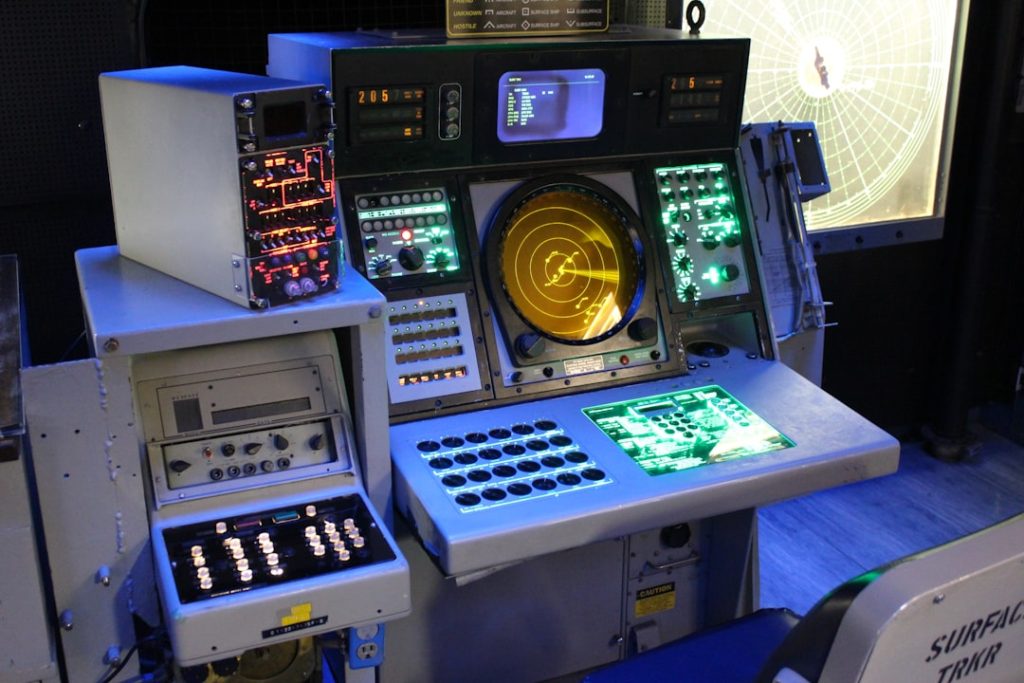
With data consolidated in one location, real-time access becomes a reality. This means that authorized users can access the most up-to-date information instantaneously, regardless of their geographical location or the specific IRT module they are interacting with. This is critical in dynamic environments where timely information is paramount for effective operations. Think of a control room where operators need to see the status of critical systems in real-time; a centralized IRT provides that vital, unvarnished view.
Scalability and Flexibility
Adapting to Growth
A well-designed centralized IRT system is inherently scalable. As the organization grows, the IRT can accommodate increased user loads, data volumes, and functional requirements without requiring a wholesale system overhaul. This adaptability is crucial for long-term operational efficiency, preventing bottlenecks and performance degradation that can occur with rigid, decentralized architectures. It’s like a well-built bridge that can handle increasing traffic without buckling under pressure.
Modular Architecture
Many centralized IRT systems are built with a modular architecture. This allows for the addition, modification, or removal of specific functionalities without impacting the entire system. This flexibility enables organizations to tailor the IRT to their evolving needs, introducing new features or adapting existing ones as business requirements change. This makes the system a dynamic tool, rather than a static one, capable of growing and changing alongside the organization.
Key Applications of Centralized IRT for Enhanced Efficiency
The theoretical principles translate into tangible benefits across various operational domains. Examining these specific applications reveals the practical power of centralized IRT.
Streamlining Clinical Trial Management
In the realm of clinical research, centralized IRT systems have become indispensable. They automate crucial aspects of trial operations, from patient recruitment and randomization to drug dispensing and data collection.
Patient Randomization and Blinding
A primary function of IRT in clinical trials is the automated randomization of participants into treatment arms. This process ensures unbiased allocation and maintains blinding (where neither the patient nor the investigator knows the treatment assignment) by integrating with relevant data. The IRT acts as the impartial arbiter, ensuring that the scientific integrity of the trial is upheld.
Unblinding Procedures
In the event of a medical emergency or for data analysis purposes, the IRT manages the secure and controlled unblinding of patient treatment assignments. This is a critical safety and ethical consideration, and the centralized nature of the IRT ensures these procedures are followed uniformly and auditable.
Supply Chain Management for Investigational Products
Centralized IRT can also oversee the complex logistics of investigational medicinal products (IMPs). This includes tracking inventory levels at study sites, managing resupply requests, and ensuring that the right drug is dispensed to the right patient at the right time. Imagine a controlled warehouse that automatically manages the distribution of pharmaceuticals based on strict protocols; this is the IRT in action.
Optimizing Pharmaceutical Supply Chain Operations
Beyond clinical trials, centralized IRT plays a significant role in the broader pharmaceutical supply chain, enhancing efficiency and compliance.
Demand Forecasting and Inventory Control
By analyzing historical data and real-time sales information, centralized IRT can assist in more accurate demand forecasting. This, in turn, allows for optimized inventory levels, reducing the risk of stockouts for essential medications while minimizing the costs associated with overstocking. This predictive capability is like having a crystal ball for inventory management.
Order Processing and Fulfillment
The IRT can automate and streamline the entire order processing and fulfillment cycle, from order placement to shipment verification. This reduces manual intervention, minimizes errors, and accelerates the time it takes for products to reach their destinations, ensuring timely availability of medicines.
Track and Trace Capabilities
In an era of increasing concerns about counterfeit drugs, centralized IRT systems can support robust track and trace functionalities. By integrating with serialization data, the IRT can help ensure the authenticity and integrity of pharmaceutical products throughout the supply chain. This provides a digital trail for every product, acting as a security guard for the supply chain.
Enhancing Customer Service and Support
Centralized IRT is not limited to life sciences; it is a powerful tool for improving customer interactions in various industries.
Automated Call Routing and Interactive Menus
The familiar system of interactive menus that guide callers to the correct department or information is a hallmark of IRT. A centralized system ensures consistent application of these menus across an organization, providing a uniform customer experience and directing inquiries efficiently to the appropriate resources. This is akin to a well-organized public library, where patrons can easily find the section they need with clear signage.
Self-Service Options
Centralized IRT empowers customers with self-service options. This can range from checking account balances and making payments to accessing order status or obtaining product information. By providing convenient self-service channels, organizations can reduce the workload on their human support agents, allowing them to focus on more complex issues. This gives customers the keys to access information when they need it, without waiting for an agent.
Personalized Interactions
Sophisticated centralized IRT systems can leverage customer data to personalize interactions. This might include greeting customers by name, offering tailored options based on their past interactions, or proactively addressing potential concerns. This level of personalization can significantly enhance customer satisfaction and loyalty, transforming a transactional interaction into a more engaging experience.
Driving Operational Efficiency in Manufacturing
The manufacturing sector can also realize substantial efficiency gains through the strategic deployment of centralized IRT.
Production Line Monitoring and Control
Centralized IRT can integrate with sensors and control systems on manufacturing floors to provide real-time monitoring of production lines. This allows for proactive identification of potential issues, such as equipment malfunctions or deviations from quality standards, enabling timely intervention to prevent costly downtime. This provides a dashboard for the entire factory, allowing managers to see everything at a glance.
Quality Assurance and Compliance Tracking
The IRT can automate the collection and analysis of quality control data during the manufacturing process. This ensures consistent adherence to quality standards and facilitates compliance with regulatory requirements. The system acts as an automated quality inspector, meticulously recording and verifying every step.
Resource Allocation and Scheduling
By analyzing production schedules, material availability, and labor resources, centralized IRT can optimize resource allocation and scheduling. This ensures that production processes are running at optimal capacity, minimizing idle time and maximizing throughput. It’s like a sophisticated logistics manager for the factory floor, ensuring all components are in place and every worker is assigned appropriately.
Implementing and Maximizing Centralized IRT

The successful implementation and ongoing optimization of a centralized IRT system require careful planning and execution.
Strategic Planning and Design
Needs Assessment and Requirements Gathering
Before selecting or implementing an IRT system, a thorough needs assessment is crucial. This involves understanding the specific operational challenges, identifying key objectives, and gathering detailed requirements from all relevant stakeholders. This upfront investment in understanding ensures the system is designed to address real-world problems.
Vendor Selection and System Integration
Choosing the right IRT vendor is paramount. Factors to consider include the vendor’s experience, the system’s features and scalability, integration capabilities with existing IT infrastructure, and the vendor’s support model. Seamless integration with existing systems is vital to avoid creating new data silos.
Ongoing Optimization and Maintenance
Performance Monitoring and Analysis
Continuous monitoring of the IRT system’s performance is essential. This involves tracking key metrics such as call handling times, success rates of automated processes, and user satisfaction levels. Regular analysis of this data can identify areas for improvement. Think of it as getting regular check-ups for the system to ensure it remains in peak condition.
Regular Updates and Iterative Improvements
The technological landscape is constantly evolving. Organizations must commit to regular updates and iterative improvements of their IRT system to leverage new features, address emerging security threats, and adapt to changing business needs. This ensures the system remains a modern and effective tool.
User Training and Support
Comprehensive training for all users, both internal and external, is critical for the successful adoption and utilization of the IRT system. Ongoing support mechanisms should also be in place to address any user queries or technical issues promptly. Empowering users with knowledge is as important as the technology itself.
Challenges and Considerations
While the benefits are substantial, organizations must also be aware of potential challenges.
Data Security and Privacy
Centralized IRT systems often handle sensitive data. Robust security measures must be implemented to protect this information from unauthorized access and breaches. Compliance with data privacy regulations (e.g., GDPR, HIPAA) is non-negotiable.
Resistance to Change
Implementing new technologies can sometimes be met with resistance from staff accustomed to existing processes. Effective change management strategies, including clear communication, stakeholder involvement, and highlighting the benefits, are crucial for overcoming this hurdle.
Technical Complexity and Expertise
While modern IRT systems are designed to be user-friendly, their implementation and ongoing management may require specialized technical expertise. Organizations may need to invest in training for their IT staff or engage external support for complex integrations and maintenance.
Conclusion
| Metric | Description | Typical Value | Unit |
|---|---|---|---|
| Response Time | Average time taken for the system to respond to user input | 150 | milliseconds |
| System Uptime | Percentage of time the system is operational without failure | 99.9 | % |
| Concurrent Users Supported | Maximum number of users the system can handle simultaneously | 10,000 | users |
| Data Throughput | Amount of data processed by the system per second | 500 | MB/s |
| Error Rate | Percentage of failed or incorrect responses | 0.05 | % |
| Scalability | Ability to increase capacity with additional resources | High | Qualitative |
| Latency | Delay between user input and system output | 100 | milliseconds |
| Integration Capability | Number of external systems the technology can interface with | 20 | systems |
Centralized Interactive Response Technology systems offer a robust framework for enhancing operational efficiency across a multitude of industries. By consolidating data, automating processes, and providing real-time accessibility, these systems act as powerful engines for streamlining operations, improving decision-making, and ultimately driving business success. The key to maximizing their potential lies in strategic planning, careful implementation, continuous optimization, and a commitment to addressing the inherent challenges. When implemented effectively, a centralized IRT system is not merely a technological tool but a strategic asset that underpins an organization’s ability to operate with precision, agility, and enduring efficiency.
